


 Deutsch
 English
 Español
 Français
 Nederlands
 Português


 Share
Share




What is Tesla Robotaxi?
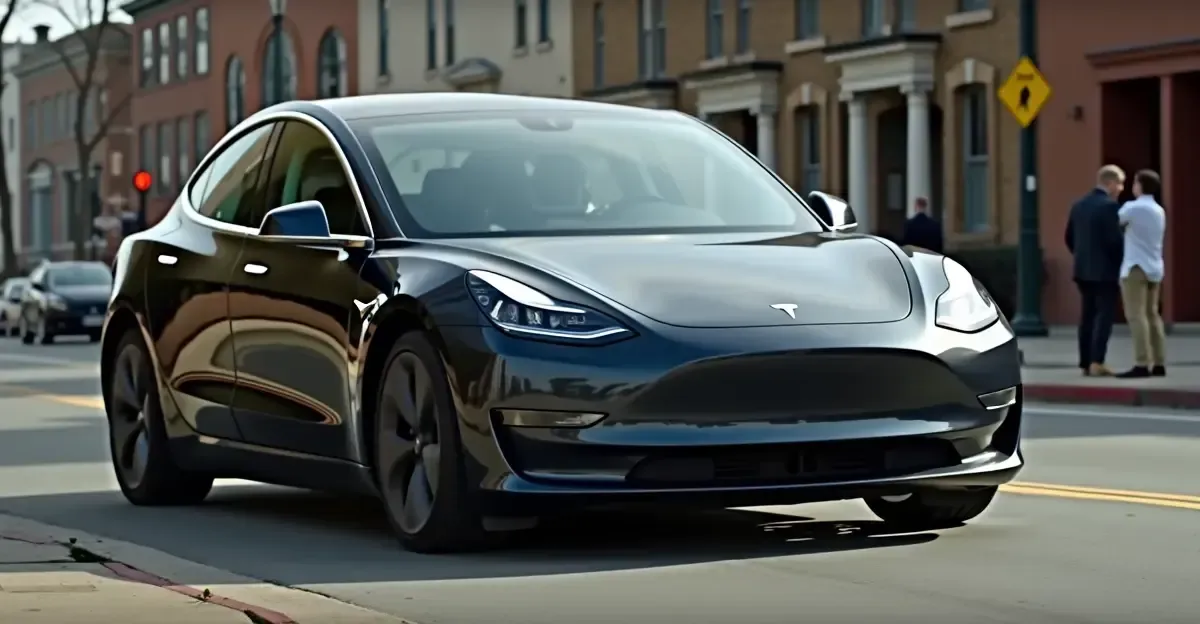
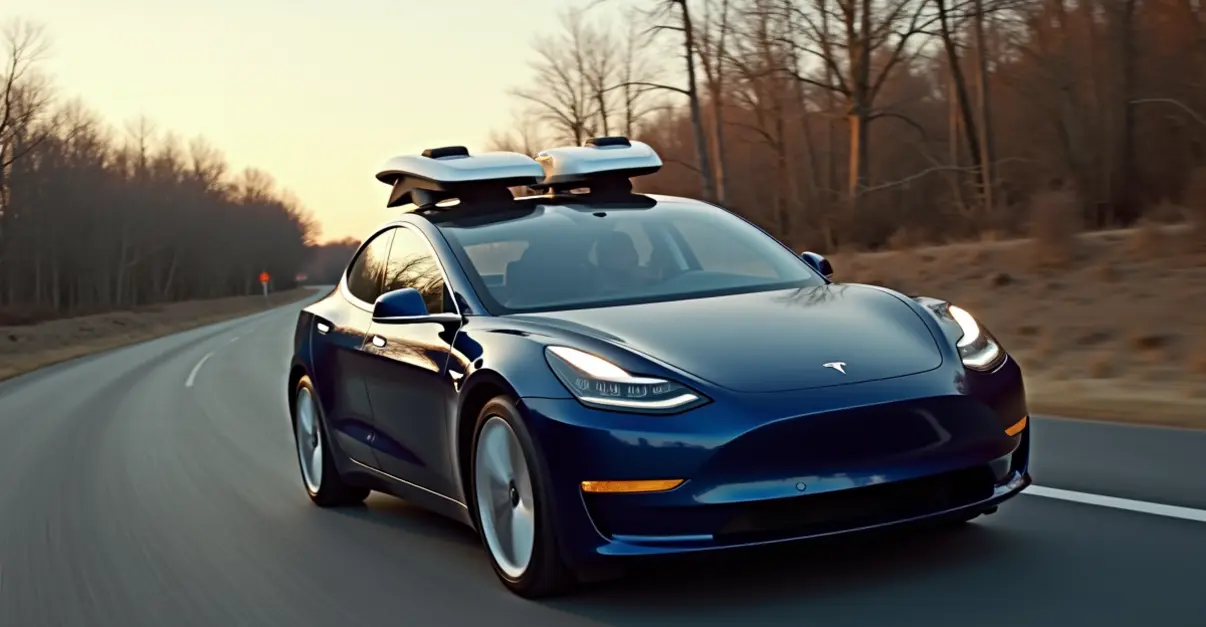
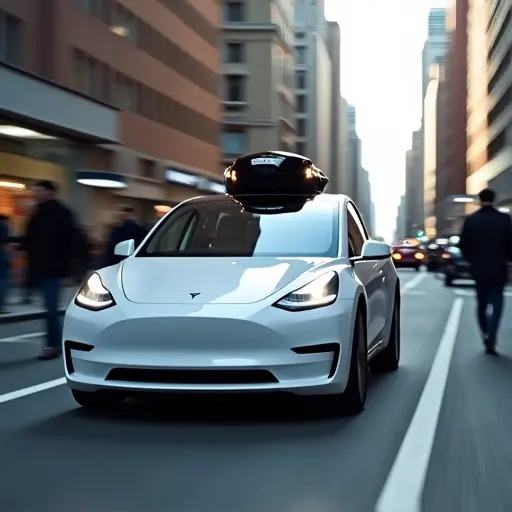
Tesla Robotaxi is an autonomous ride-hailing service operated by Tesla, Inc. that utilizes vehicles equipped with the company's Full Self-Driving (FSD) software. The service represents a key component of CEO Elon Musk's long-term strategy to transform Tesla from an automaker into an AI infrastructure company. The initial launch occurred in Austin, Texas on June 22, 2025, and has since expanded to include Dallas and Houston in April 2026.
Limited Deployment Raises Investor Concerns
Recent reports from automotive news site Electrek reveal that Tesla's much-publicized Robotaxi expansion to Dallas and Houston appears to be more symbolic than substantive. According to investigations, there may be only one operational autonomous taxi in each of these new cities, despite Tesla's grand announcements. This limited deployment has raised serious questions about whether Tesla is using the autonomous vehicle announcements primarily to influence investor sentiment ahead of quarterly earnings reports.
The timing is particularly suspicious. Tesla announced the Dallas-Houston expansion on April 18, 2026, just days before the company's Q1 2026 earnings call scheduled for April 20. This follows a pattern established in January 2026, when Tesla announced its Austin Robotaxi launch shortly before quarterly results, resulting in a 4% stock price increase. "The grand announcement from Tesla suggests it's mainly a pacifier for (potential) investors," writes Electrek, highlighting concerns about transparency in the electric vehicle industry.
Operational Limitations and Geographic Restrictions
Beyond the limited vehicle count, Tesla's Robotaxi service faces significant operational constraints in its new markets:
- Geofenced Areas: In Houston, the Robotaxi can only operate in two neighborhoods covering approximately 35 square kilometers
- Limited Availability: Rides appear to be "continuously fully booked," suggesting extremely limited capacity
- Service Area: Dallas offers slightly more coverage at about twice Houston's operational area
- Booking Challenges: Users report difficulty securing rides, with availability appearing and disappearing rapidly
Safety Performance and Competitive Landscape
Safety concerns continue to plague Tesla's autonomous vehicle ambitions. According to National Highway Traffic Safety Administration (NHTSA) data, Tesla has reported 15 accidents involving its Robotaxi vehicles to date. The crash rate is approximately four times higher than human-driven vehicles, with one incident occurring every 55,000 miles compared to the human average of one per 500,000 miles.
Tesla vs. Waymo: The Robotaxi Race
The competitive landscape reveals Tesla's significant operational disadvantage:
| Metric | Tesla Robotaxi | Waymo |
|---|---|---|
| Operational Cities | 3 (Austin, Dallas, Houston) | 10+ U.S. metropolitan areas |
| Fleet Size | Approximately 573 vehicles | 3,000+ vehicles nationwide |
| Weekly Rides | Limited data, estimated low thousands | 400,000+ weekly paid trips |
| Safety Record | 92,500 miles per incident | 1,000,000+ miles per incident |
| Geographic Coverage | Limited geofenced areas | Broader operational zones |
Waymo launched its fully driverless service in Dallas and Houston nearly two months before Tesla's April 2026 announcement, establishing first-mover advantage in these key Texas markets.
Financial Implications and Market Response
The Robotaxi announcements have had measurable impact on Tesla's stock performance. Following the Dallas-Houston expansion news, Tesla's stock surged 12% over four trading sessions, closing at $400.62 on April 17, 2026. This brought the company's market capitalization to approximately $1.28 trillion. However, analysts question whether these gains reflect genuine operational progress or investor optimism about future potential.
Tesla's Q1 2026 earnings report reveals mixed results. While the company produced 408,386 vehicles, it delivered only 358,023, creating a 50,000-unit inventory overhang. Energy storage deployment dropped 38% to 8.8 GWh, a two-year low. These fundamentals contrast sharply with the Robotaxi narrative driving stock performance.
Regulatory Environment and Future Outlook
Texas has emerged as a key battleground for autonomous vehicle services due to its relatively permissive regulatory environment. However, companies still face requirements including Texas DMV permits for fully driverless fleets. Tesla's staged approach—starting with limited zones, incremental removal of safety monitors, and data-driven scaling—reflects cautious navigation of these regulatory waters.
Looking ahead, Tesla plans to expand its Robotaxi service to seven cities by June 2026, including Phoenix, Miami, Orlando, Tampa, and Las Vegas. Whether these expansions will represent genuine operational growth or follow the limited deployment pattern seen in Dallas and Houston remains to be seen.
Frequently Asked Questions
How many Tesla Robotaxis are actually operating in Dallas and Houston?
Evidence suggests there may be only one operational autonomous taxi in each city, despite Tesla's announcements of service expansion.
Is Tesla Robotaxi safer than human drivers?
Current data shows Tesla Robotaxis are approximately 4 times less safe than human drivers, with a crash occurring every 55,000 miles compared to the human average of one per 500,000 miles.
How does Tesla compare to Waymo in the robotaxi race?
Waymo has significant operational advantages with 10+ operational cities, 3,000+ vehicles, and 400,000+ weekly rides compared to Tesla's 3 cities and approximately 573 vehicles.
Why does Tesla announce Robotaxi expansions before earnings reports?
Critics suggest these announcements are strategically timed to influence investor sentiment and stock prices ahead of quarterly financial results.
What areas can Tesla Robotaxi operate in within Houston and Dallas?
In Houston, service is limited to two neighborhoods covering 35 square kilometers. Dallas offers approximately twice that coverage area.
Follow Discussion