


 Deutsch
 English
 Español
 Français
 Nederlands
 Português


 Share
Share




US Military Strikes Another Suspected Drug Boat in Pacific
The United States military has carried out another deadly attack on a boat suspected of drug smuggling in the Pacific Ocean, killing three people, according to American officials. This marks the third such strike this week and brings the total death toll from the campaign to 202 since September 2025.
The Trump administration has systematically targeted vessels in the Caribbean Sea and eastern Pacific since last autumn, claiming the operations are aimed at Latin American drug cartels. Washington has declared it is in an armed conflict with so-called 'narcoterrorists.'
Context and Escalation of Military Operations
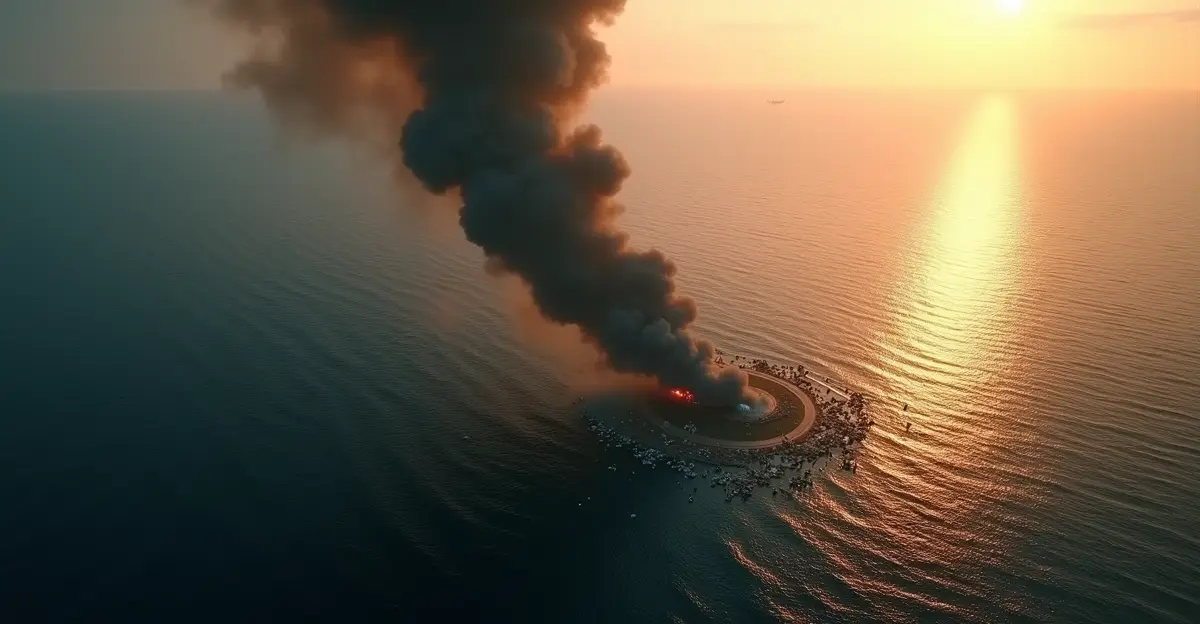
The latest attack was conducted in the eastern Pacific, with the US Southern Command releasing color footage of the strike—the first time such imagery has been made public. The video shows a small boat being hit and erupting in flames, followed by burning debris floating on the water. The US military stated the vessel was involved in drug smuggling operations and linked to an organization designated as terrorist by the United States, though no evidence was provided.
Since September 2025, the US military campaign against drug cartels has intensified dramatically. The operations have drawn sharp criticism from human rights organizations, including Human Rights Watch and Amnesty International, which have condemned the airstrikes as 'extrajudicial executions' that violate international law.
Controversy and Legal Concerns
Human Rights Violations Alleged
Human Rights Watch and Amnesty International have denounced the attacks, stating they constitute extrajudicial killings. The organizations point out that the US government has not disclosed the identities of the victims nor provided clear justification for the use of lethal force. The strikes have been described as a violation of the international law on armed conflict.
Pentagon Investigation Announced
The Pentagon's inspector general announced last week that it would investigate whether the military followed its own procedures for target selection. However, the broader question of the legality of the attacks themselves falls outside the scope of that inquiry.
Controversial September 2 Attack
One of the most contentious incidents occurred on September 2, 2025, the first in the series. After an attack on a suspected drug boat near Venezuela, two survivors were reportedly clinging to wreckage. A second strike was then ordered, killing them. According to The Washington Post, the order came from Defense Secretary Pete Hegseth, allegedly in violation of Pentagon rules. Hegseth denied direct involvement.
Survivors and Legal Challenges
Only three people are known to have survived the US attacks. Two were rescued by a 'narco-submarine' and returned to their home countries of Ecuador and Colombia. In March, the US Coast Guard handed over a man to Costa Rican authorities. Meanwhile, relatives of victims from Trinidad and Tobago have filed lawsuits against the Trump administration, alleging 'premeditated and intentional murders' with no legal justification.
Impact on Regional Stability
The US military operations in Latin America have raised concerns about regional stability and sovereignty. Critics argue that the unilateral strikes undermine international norms and could escalate tensions with affected nations. The long-term impact on drug trafficking routes and cartel behavior remains to be seen.
Frequently Asked Questions
Why is the US attacking drug boats?
The US says it is targeting Latin American drug cartels it has designated as terrorist organizations, as part of a broader campaign against narcoterrorism.
How many people have been killed?
At least 202 people have been killed since September 2025, according to US military figures.
Are these attacks legal under international law?
Human rights groups argue they violate international law as extrajudicial killings, while the US maintains they are lawful acts of self-defense against armed groups.
Where are the attacks taking place?
The attacks occur in the Caribbean Sea and the eastern Pacific Ocean, often near the coasts of Venezuela, Ecuador, Colombia, and Central America.
What has been the response from affected countries?
Some countries like Ecuador and Colombia have received survivors, while Trinidad and Tobago has seen lawsuits from victims' families. Official government responses have been mixed.
Follow Discussion