


 Deutsch
 English
 Español
 Français
 Nederlands
 Português


 Share
Share




US Drug Boat Attacks Explained: Fourth Strike in Week Kills 4
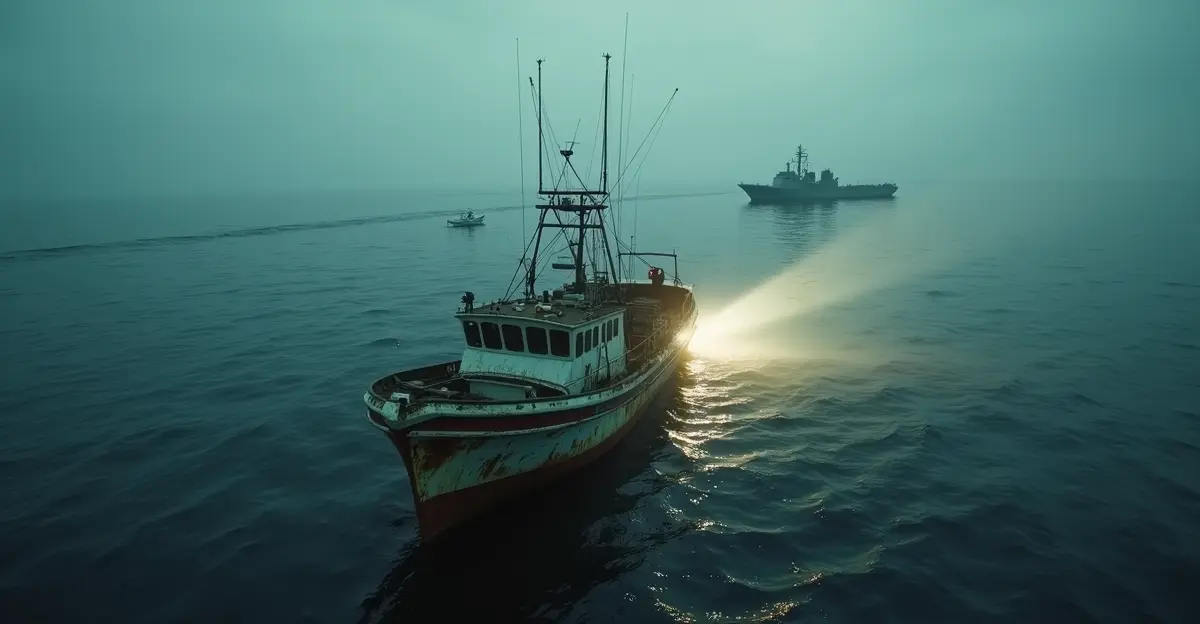
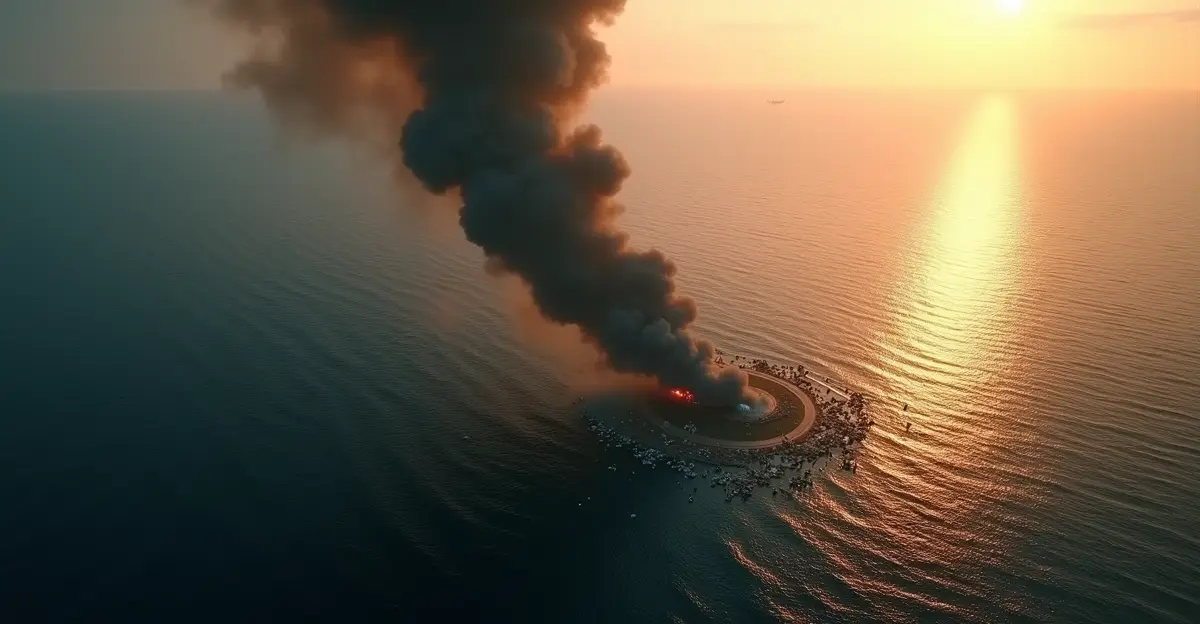
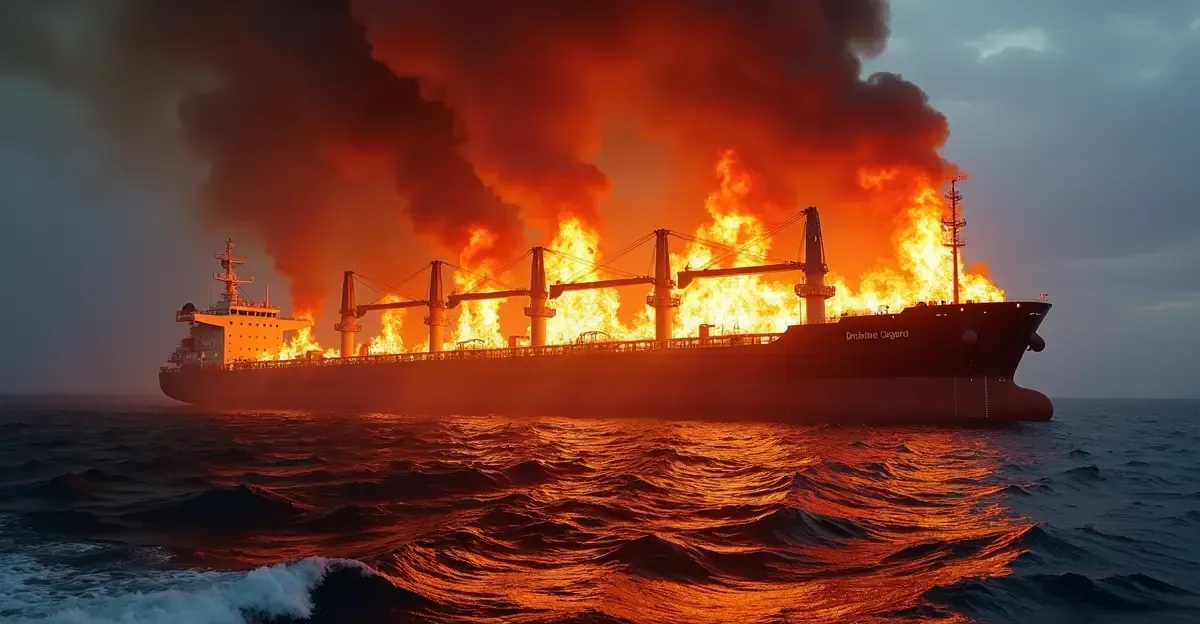
The United States military has conducted its fourth attack on a suspected drug smuggling vessel in the eastern Pacific Ocean within a single week, killing four people in the latest escalation of President Trump's campaign against what he calls 'narcoterrorists.' This latest strike brings the total death toll from such operations to 175 since the campaign began in early September 2025, raising serious questions about the legality, effectiveness, and human cost of these military actions in international waters.
What Are US Drug Boat Attacks?
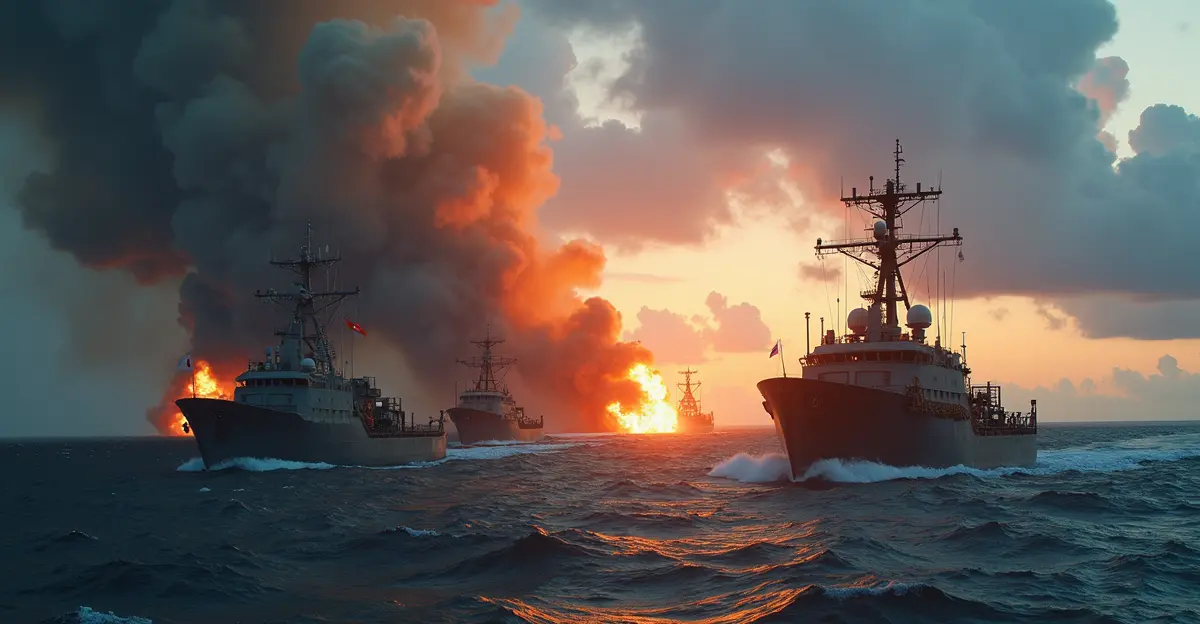
US drug boat attacks refer to military strikes conducted by American forces against vessels suspected of transporting narcotics, primarily in the Caribbean and Pacific Ocean regions. These operations represent a significant escalation in the decades-long war on drugs, with the current administration designating drug cartels as foreign terrorist organizations and declaring a national emergency to justify the use of military force. The US military operations in Latin America have intensified dramatically since September 2025, with the latest week seeing four separate attacks resulting in multiple fatalities.
Timeline of Recent Attacks
The recent surge in military action began on Saturday, April 12, 2026, when US forces conducted two separate strikes on suspected drug boats in the eastern Pacific. These attacks resulted in five fatalities and one survivor. On Monday, April 14, another strike killed two people, followed by the most recent attack on April 15 that claimed four lives. According to military sources, these vessels were targeted along known smuggling routes, though the administration has provided limited evidence about the cargo or identities of those killed.
Key Statistics of the Campaign
- Total Deaths: 175 people killed since September 2025
- Recent Week: 4 attacks, 11 fatalities
- Survivors: Only one confirmed survivor from recent strikes
- Duration: 7-month campaign ongoing since September 2025
- Search Operations: One search for a missing person has been called off
Administration Justification and Fentanyl Crisis
President Trump has framed these attacks as necessary to combat the flow of fentanyl into the United States, where overdose deaths remain a significant public health crisis. 'We are in an armed conflict with drug cartels who are poisoning our citizens,' Trump stated in a recent address. The administration points to the ongoing fentanyl crisis, where synthetic opioids continue to drive approximately 75% of all overdose fatalities in the US, despite recent declines in overall overdose deaths.
However, critics note a significant contradiction in the administration's approach. While the military targets boats at sea, most fentanyl actually enters the United States over land from Mexico, not via maritime routes. The fentanyl overdose crisis in America has seen encouraging declines recently, with overdose deaths dropping from a peak of 108,000 in 2022 to under 100,000 in provisional 2024 data, according to CDC statistics.
Legal and Ethical Controversies
The strikes have sparked intense debate about their legality under international law. Critics, including several US senators, have called the operations 'sanctioned murder' and 'extrajudicial killings.' Legal experts question whether the administration has provided adequate legal justification for conducting lethal military operations in international waters against non-state actors.
Key Legal Questions
- Are these strikes violations of international maritime law?
- What constitutes sufficient evidence to justify lethal force?
- How does the designation of cartels as terrorist organizations affect legal authority?
- What oversight mechanisms exist for these military operations?
The military typically refers to those killed as 'drug terrorists' but generally does not provide evidence to support these claims, instead relying on intelligence sources said to confirm the presence of narcotics on targeted vessels. This lack of transparency has drawn criticism from human rights organizations and legal scholars alike.
Impact and Implications
The continuation of these strikes despite ongoing conflicts in the Middle East signals the administration's commitment to this approach. The operations have escalated tensions in Latin America and raised concerns about the broader implications for US foreign policy and international relations. The international drug trafficking networks appear to be adapting to these military pressures, with enforcement data showing complex shifts in trafficking patterns despite the aggressive campaign.
From a strategic perspective, questions remain about the effectiveness of these strikes in actually reducing drug flow into the United States. Border seizure data shows a 46% decline in fentanyl seizures at US borders in FY2025, but experts caution that this may reflect changes in trafficking methods rather than reduced supply.
Frequently Asked Questions
How many people have been killed in US drug boat attacks?
Since the campaign began in September 2025, 175 people have been killed in US military strikes on suspected drug smuggling vessels. In just the past week, four separate attacks have resulted in 11 fatalities.
Are these attacks legal under international law?
Legal experts are divided. The administration justifies the strikes under national emergency declarations and terrorist designations, but critics argue they violate international maritime law and constitute extrajudicial killings without due process.
Do these attacks actually reduce fentanyl entering the US?
Most evidence suggests not. The majority of fentanyl enters the US over land from Mexico, not by sea. While border seizures have declined, experts attribute this to changing trafficking patterns rather than the effectiveness of maritime strikes.
What evidence does the US provide for these attacks?
The military typically cites intelligence sources confirming drug trafficking but provides limited public evidence. Critics argue this lack of transparency makes accountability and oversight difficult.
Will these attacks continue?
Given the administration's characterization of this as an 'armed conflict' and the continuation of strikes despite other international commitments, experts expect these operations to continue in the foreseeable future.
Follow Discussion