


 English
 Nederlands
 Deutsch
 Français
 Español
 Português

Daily News Summary – 2026-03-31 – en

On March 31, 2026, global news highlighted transformative events across technology, economics, and geopolitics. Ireland launched the world's first permanent basic income for artists, promising €325 weekly payments starting in 2026, while Air Canada's CEO resigned amid a language controversy after a fatal crash. AI advancements dominated, with Google's TurboQuant memory compression and Mistral AI's €1 billion data center funding signaling rapid growth. Geopolitical shifts reshaped energy security and trade, as semiconductors drove economic realignments and central banks grappled with inflation amid fragmentation. Environmental concerns emerged from AI data centers' heat islands, and Israel's death penalty law sparked international outcry.
Top Stories
Ireland's Basic Income for Artists: World's First Permanent Program Explained

Ireland establishes the first permanent basic income for artists, providing €325 weekly payments to 2,000 creatives from 2026, with economic returns of €1.39 for every €1 invested.
Air Canada CEO Michael Rousseau Steps Down After Language Controversy

Air Canada CEO resigns following backlash over an English-only apology video after a fatal crash at LaGuardia Airport, highlighting linguistic tensions in bilingual Canada.
AI Data Centers Create 'Data Heat Islands' Warming Local Areas Up to 9.1°C
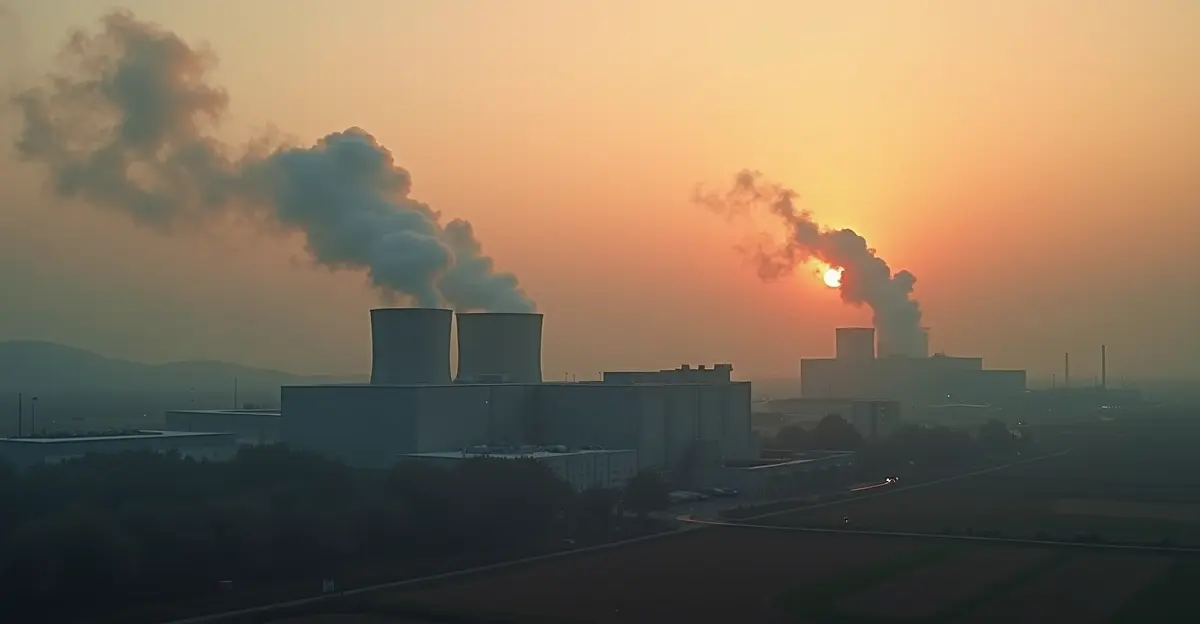
AI data centers warm surrounding areas by an average of 2°C, with extreme cases reaching 9.1°C, raising environmental concerns as infrastructure expands globally.
Nasdaq Rule Changes Accelerate SpaceX IPO Entry to 15 Days
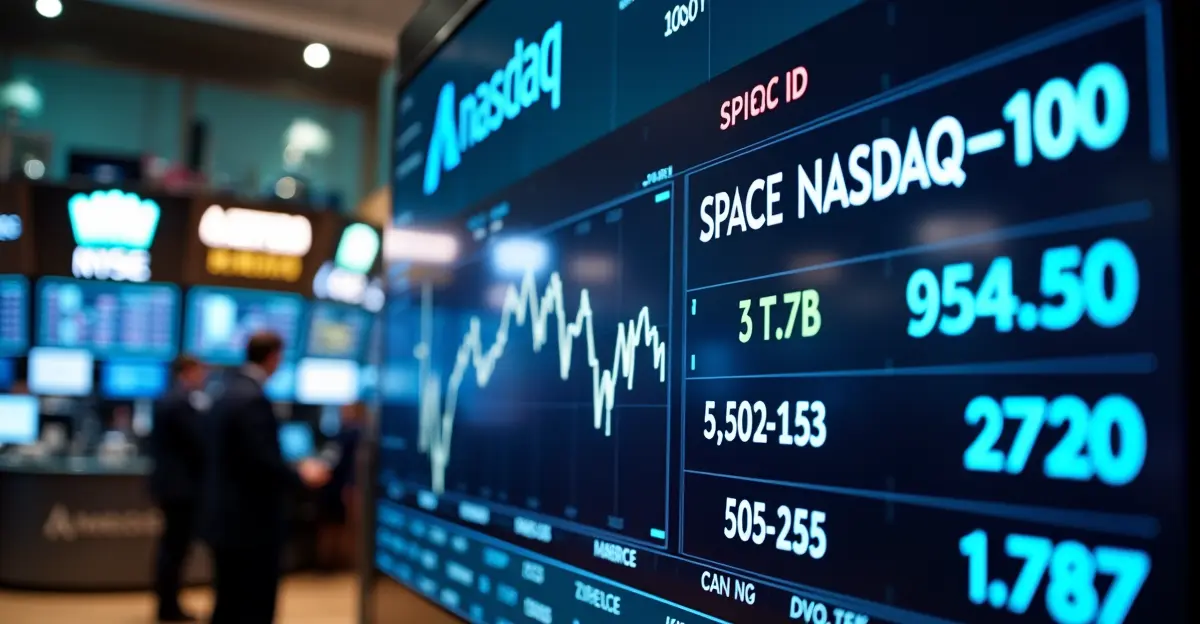
Nasdaq reduces waiting period for index inclusion from 90 to 15 days, facilitating SpaceX's potential $1.75 trillion IPO and benefiting other tech listings.
Mistral AI Secures €1 Billion for European Data Center to Boost AI Sovereignty
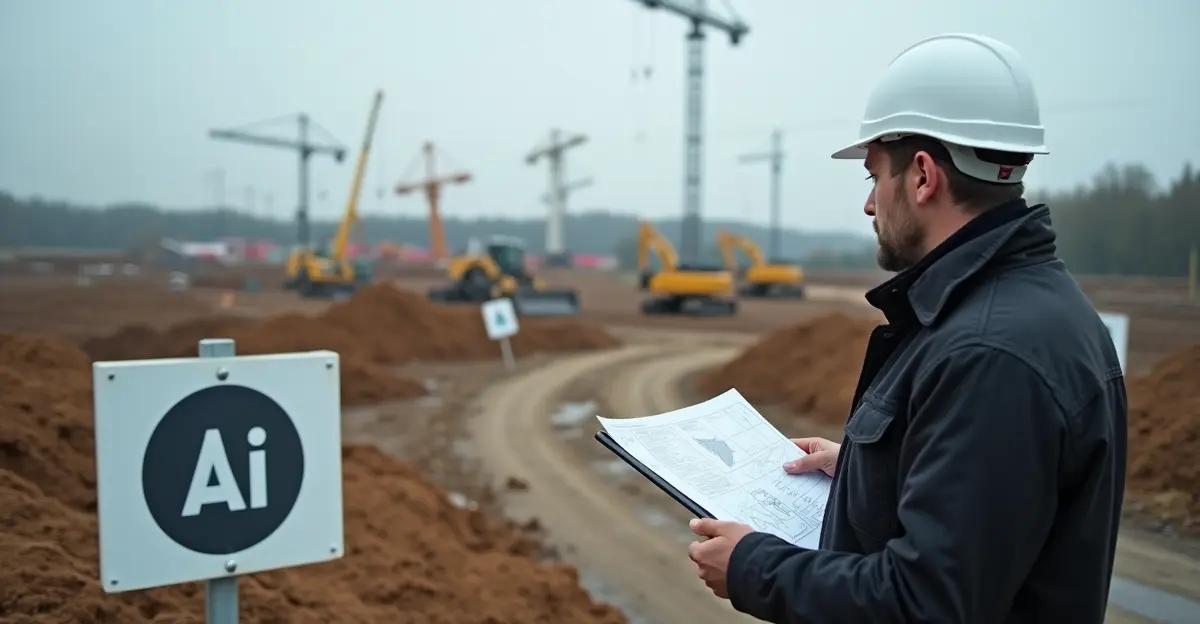
French AI company Mistral raises €1 billion to build a data center near Paris, featuring 13,800 Nvidia GPUs, enhancing Europe's AI independence against US giants.
Also Notable
AI
Quantum-AI Convergence Threatens Global Encryption by 2026

The intersection of quantum computing and AI heightens cybersecurity risks, urging migration to post-quantum cryptography amid harvest-now-decrypt-later threats.
Google TurboQuant Breakthrough Pressures Chip Stocks on AEX
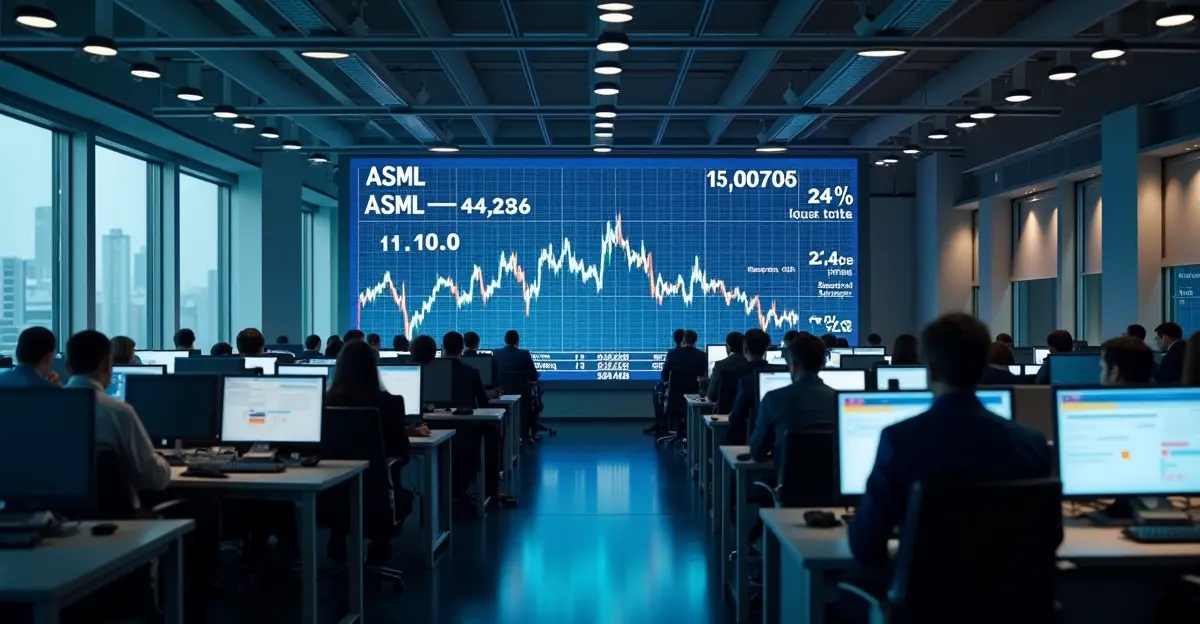
Google's TurboQuant AI memory compression reduces chip demand concerns, causing declines in Dutch semiconductor stocks like ASML on the AEX index.
AI-Energy Nexus Reshapes Global Security and Geopolitics
AI's massive energy demands strain grids and create dependencies on critical minerals, influencing national security strategies and geopolitical alliances.
AI-Driven Trade Paradox Reshapes Global Economic Architecture
Semiconductors account for one-third of global trade growth, with AI chips driving half of industry revenue, creating concentration risks and geopolitical shifts.
Semiconductor Concentration Paradox Creates Systemic Risk from AI Dominance
AI chips represent 50% of semiconductor revenue but less than 0.2% of volume, concentrating market power in three firms and threatening global supply chains.
Quantum-AI Encryption Security Faces Critical 2026 Tipping Point

The convergence accelerates encryption vulnerabilities, with 2026 marking urgent need for post-quantum cryptography to protect against quantum computer attacks.
AI Trade Realignment Drives Semiconductor Exports and Economic Shifts
AI semiconductors fuel trade growth, with Southeast Asia emerging as a manufacturing hub and China transitioning to a component supplier role.
AI Semiconductor Trade Concentration Reaches $9.5 Trillion Market Value

AI chips dominate semiconductor market capitalization, creating economic dependencies and prompting sovereign strategies like the US CHIPS Act for resilience.
Geopolitics
Critical Minerals FORGE Alliance Counters China's Dominance in 2026
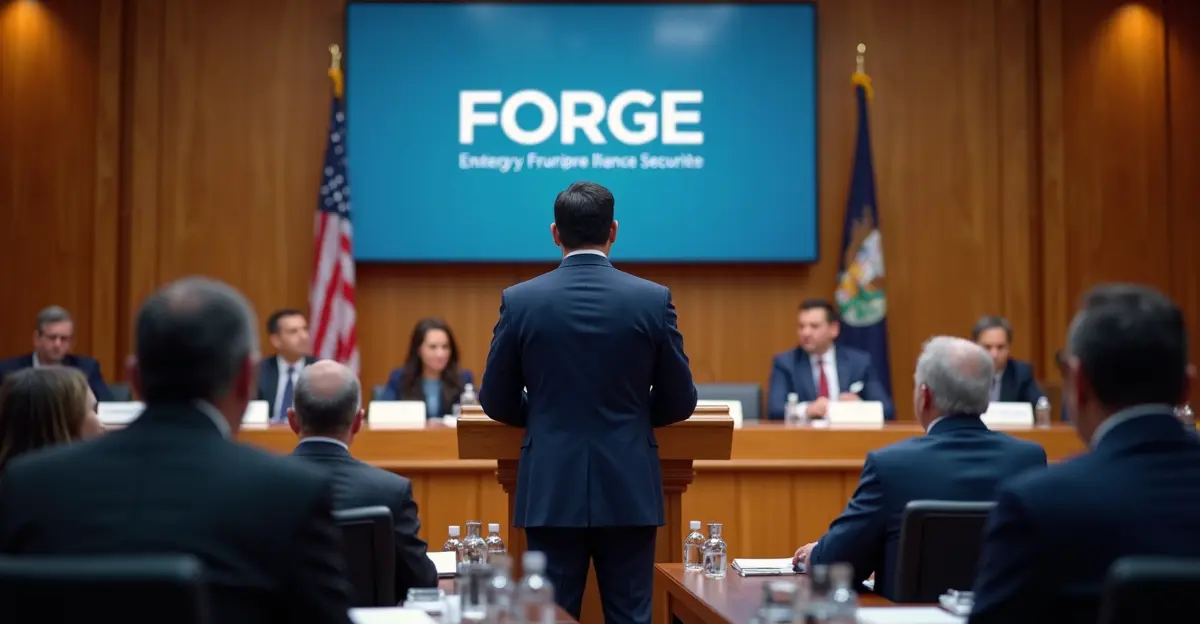
The US launches FORGE alliance with 54 nations to secure critical minerals supply chains, investing over $30 billion to reduce dependence on China.
Geopolitics Overtakes Economics as Driver of Global Energy Transition

Geopolitical threats now surpass economic risks in shaping energy transitions, according to a World Energy Council survey, highlighting fragmentation and security concerns.
Politics
Israel's Knesset Approves Death Penalty Law for Palestinian Terrorists

Israel passes a controversial death penalty law targeting Palestinians convicted of terrorist murders, sparking international condemnation and legal challenges.
Energy
Energy Security Geopolitics Fragments Global Transition Amid Great Power Competition
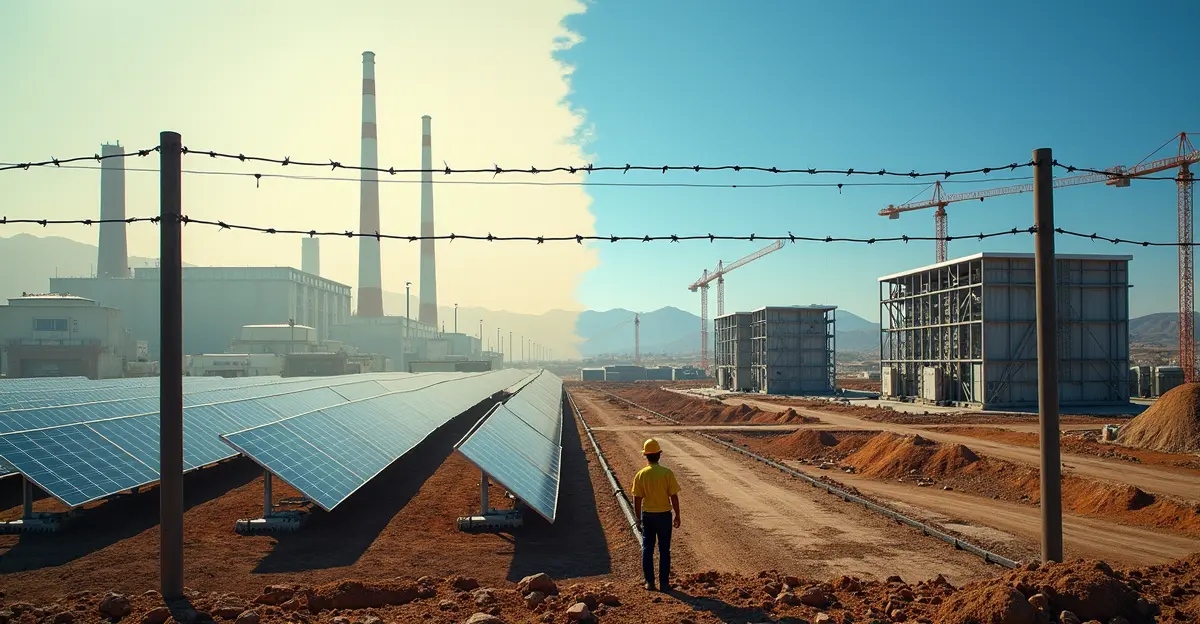
Great power competition fragments energy transition into blocs, with China leading renewable manufacturing and the US and EU pursuing industrial policies for security.
Economy
Central Bank 2026 Conundrum: Balancing Price Stability Amid Geopolitical Fragmentation

Central banks face challenges maintaining price stability due to geopolitical disruptions, AI, and quantum computing, requiring adaptive monetary policies.
Trade War
Trade Hydra: Global Supply Chains Adapt to Multiple Disruptions in 2026

Global trade faces simultaneous disruptions from tariffs and AI demands, with companies reshuffling supply chains to regions like Mexico and Southeast Asia.
 Share this article



