


 Deutsch
 English
 Español
 Français
 Nederlands
 Português


 Share
Share




The AI-Driven Trade Paradox: How Semiconductors Are Reshaping Global Economic Architecture
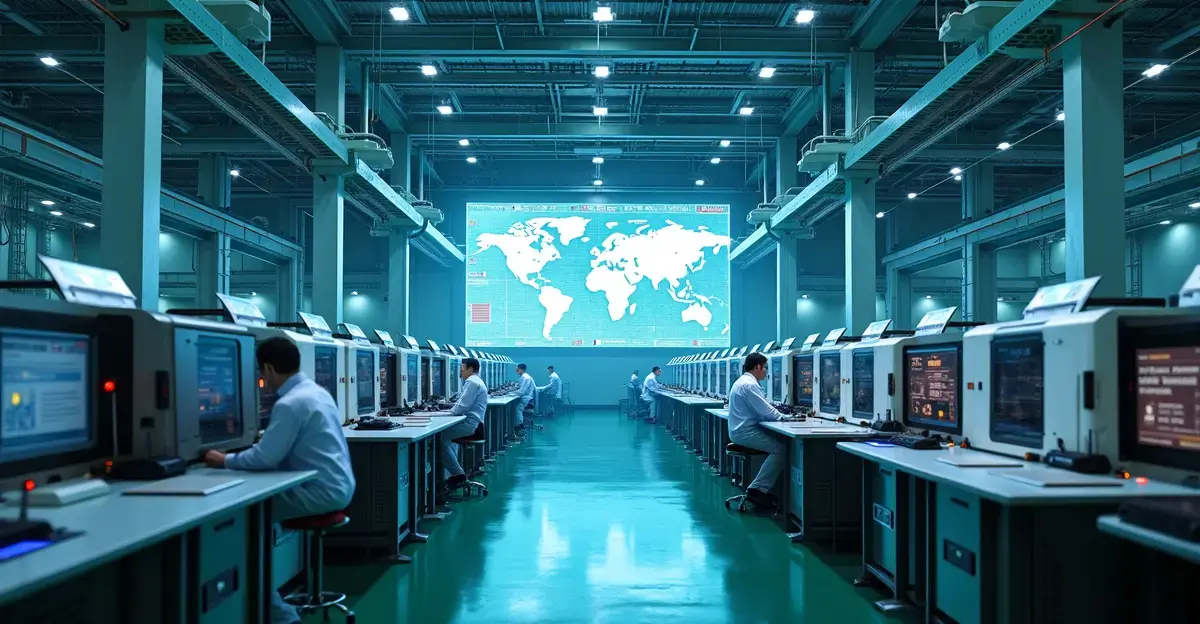
In a remarkable structural shift that defies predictions of deglobalization, global trade in 2025 grew faster than the global economy itself, with artificial intelligence-related commerce emerging as the dominant growth engine. According to McKinsey's 2026 update, semiconductors and data-center equipment now account for one-third of global trade expansion, creating unprecedented geopolitical dependencies and market concentration risks that are fundamentally reconfiguring international economic architecture.
What is the AI Trade Paradox?
The AI trade paradox describes the contradictory reality where AI-related semiconductor trade drives massive economic growth while simultaneously creating dangerous concentration risks. Despite representing less than 0.2% of total unit volume, AI chips generate approximately half of semiconductor industry revenue, creating a fragile equilibrium where a handful of companies control critical global supply chains. This phenomenon is reshaping global trade patterns as countries scramble to secure access to advanced computing infrastructure while managing geopolitical tensions.
The Structural Shifts in Global Trade Architecture
McKinsey's comprehensive analysis reveals three fundamental transformations in global commerce patterns. First, China has evolved into a 'factory to the factories,' exporting industrial components like smartphone parts, processors, memory chips, and lithium-ion batteries to emerging economies despite a 30% decline in US-China trade due to tariffs. Chinese intermediate goods exports rose 9% last year as the nation diversified away from traditional Western markets.
Second, Southeast Asia has emerged as the strategic winner in this realignment. ASEAN countries have seen exports grow 14%—more than double the global average—as they position themselves as manufacturing hubs connecting both US and Chinese markets. The ASEAN-China trade corridor has become one of the world's fastest-growing, demonstrating how global supply chains are adapting rather than breaking down.
Third, the European Union faces mounting challenges from increased Chinese imports and higher US tariffs. Recent data shows EU trade continues to take hits from both American trade barriers and Chinese competition, creating a dual pressure that threatens European economic competitiveness in the global technology race.
The Semiconductor Concentration Crisis
Unprecedented Market Power Dynamics
The semiconductor industry is experiencing a high-stakes paradox where AI-driven demand pushes revenues to record levels while creating significant systemic risks. According to Deloitte's 2026 Global Semiconductor Industry Outlook, the industry is expected to reach $975 billion in annual sales this year, with 26% growth fueled by AI infrastructure. However, this growth masks dangerous structural divergences: AI chips drive roughly half of total revenue but represent less than 0.2% of total unit volume.
'The industry faces concentration risks with the top three chip companies representing 80% of the $9.5 trillion market capitalization,' notes the Deloitte report. Generative AI chips alone are predicted to approach $500 billion in revenue, accounting for about half of global chip sales. This creates unprecedented market power dynamics where a handful of companies control critical infrastructure for the entire global economy.
Supply Chain Vulnerabilities
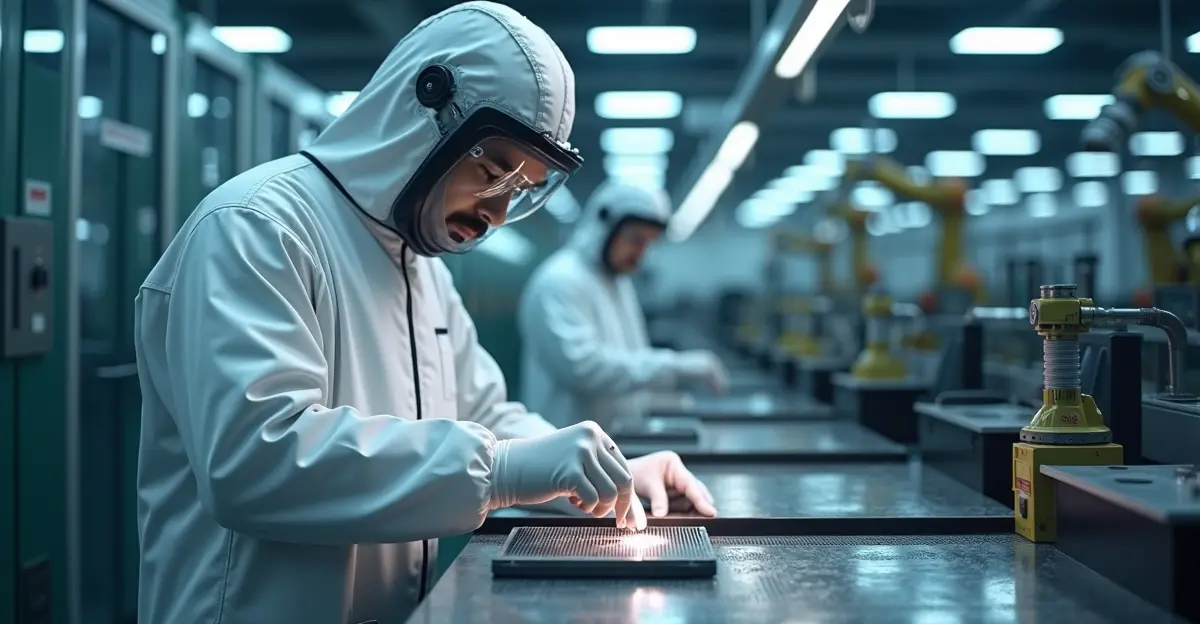
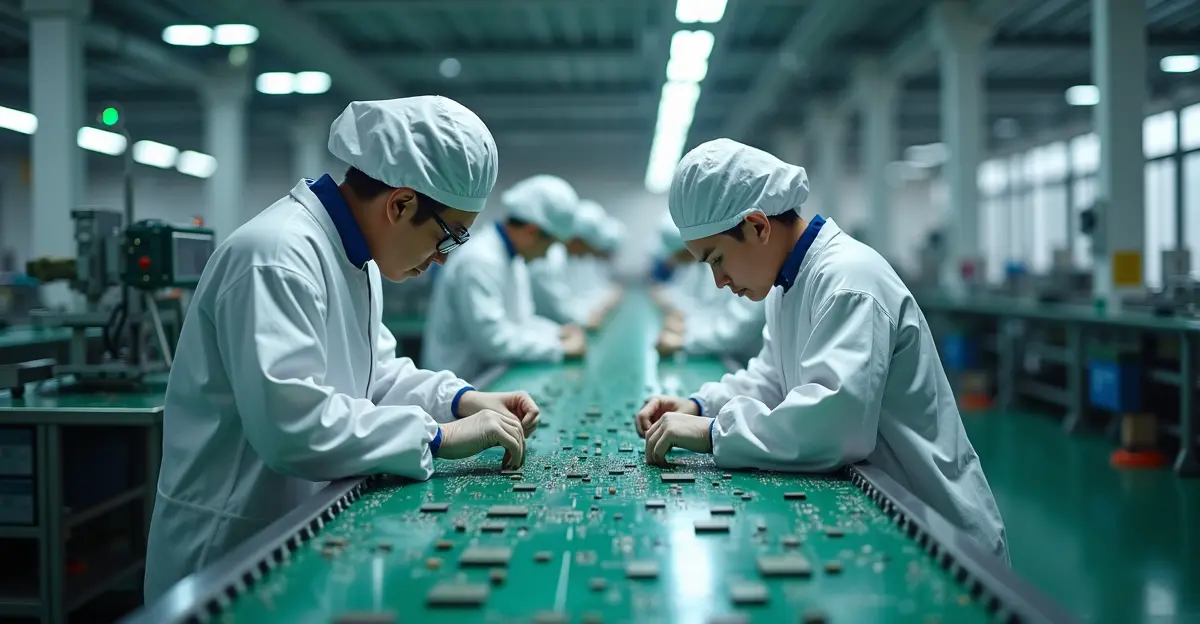
The concentration of semiconductor manufacturing creates significant supply chain vulnerabilities. While AI chips boom, other segments like automotive, computers, and smartphones show slower growth, creating imbalances that could destabilize global electronics production. The industry's transition from monolithic scaling to system-level performance optimization requires new approaches to supply chain resilience and risk management.
Geopolitical Implications and Regional Responses
The AI trade paradox has profound geopolitical implications as nations compete for technological supremacy. The United States has implemented tariffs that reduced US-China trade by approximately 30%, with American importers replacing about two-thirds of the gap through imports from other countries. Chinese exporters responded by cutting prices by an average of 8% to find new markets for consumer goods ranging from electric cars to toys.
Southeast Asia's strategic positioning benefits from both US and Chinese markets, creating what analysts call a 'China plus one' supply chain strategy. Countries like Vietnam, Malaysia, and Thailand have become critical nodes in the reconfigured global trade architecture, serving as manufacturing hubs that connect both major economic powers while maintaining their own economic sovereignty.
The European Union faces particular challenges, with increased Chinese imports and higher US tariffs creating a difficult balancing act. Europe is attempting to strengthen ties with Southeast Asia amid these pressures, but faces significant challenges in competing with established powers. As noted in recent analysis, 'Europe trails far behind in trade relations, with China being Southeast Asia's largest trading partner ($982.3 billion in 2024), the U.S. second ($476.8 billion), and the EU third (€258.7 billion).'
Industry Confidence and Future Outlook
Despite these challenges, semiconductor industry confidence has reached near-record highs for 2026. According to KPMG's 21st annual Global Semiconductor Outlook, 93% of industry leaders expect revenue growth this year, with the KPMG Semiconductor Industry Confidence Index reaching 63—the third-highest score in two decades. AI leads as the top revenue driver (73%), followed by cloud/data centers (61%) and wireless communications (57%).
However, this optimism is tempered by significant concerns. For the first time, tariffs and trade policy have surpassed talent risk as the top industry concern, while supply chain stability and energy security issues intensify. Two-thirds of leaders plan to use AI to augment productivity without headcount reduction, and 54% are leveraging technology to optimize workforce productivity, indicating a fundamental shift in how the semiconductor workforce operates.
Frequently Asked Questions
What percentage of global trade growth comes from AI-related products?
Semiconductors and data-center equipment account for approximately one-third of global trade expansion, making AI-related commerce the dominant growth driver in international trade.
How has China's trade role changed in the AI era?
China has transformed from a finished goods exporter to a 'factory to the factories,' exporting intermediate industrial components to emerging economies despite a 30% decline in US-China trade due to tariffs.
What is the semiconductor concentration risk?
AI chips drive roughly half of semiconductor industry revenue but represent less than 0.2% of total unit volume, creating dangerous concentration where the top three companies control 80% of market capitalization.
Which region benefits most from the AI trade shift?
Southeast Asia (ASEAN) has emerged as the strategic winner, with exports growing 14%—more than double the global average—as countries position themselves as manufacturing hubs connecting both US and Chinese markets.
What are the main challenges for the European Union?
The EU faces dual pressure from increased Chinese imports and higher US tariffs, creating significant challenges for European competitiveness in the global technology landscape.
Conclusion: Navigating the New Economic Architecture
The AI-driven trade paradox represents a fundamental structural shift in global economic architecture with profound implications for geopolitics, supply chain management, and economic policy. As semiconductors become the new oil of the digital economy, nations must balance the pursuit of technological advancement with the management of concentration risks and supply chain vulnerabilities. The reconfigured trade patterns revealed in McKinsey's 2026 update demonstrate that globalization is not retreating but rather reorganizing along new geopolitical lines, creating both opportunities and challenges for businesses and policymakers navigating this transformed landscape.

Follow Discussion