


 Deutsch
 English
 Español
 Français
 Nederlands
 Português


 Share
Share




Historic Lunar Mission Prepares for February Launch
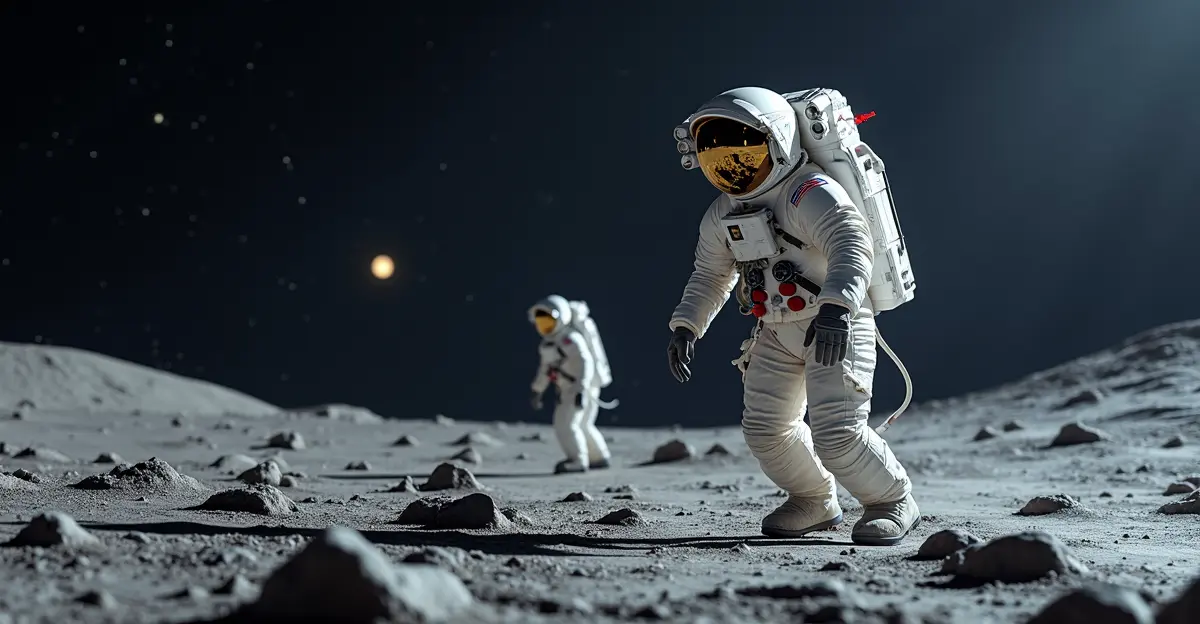
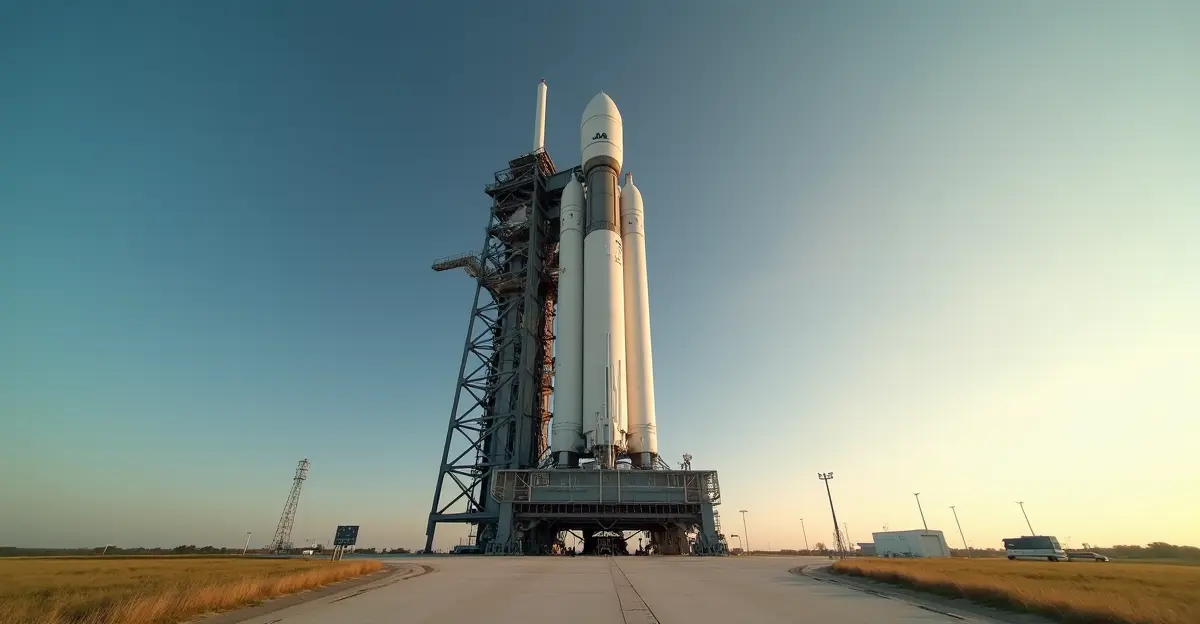
NASA is in the final stages of preparing for the Artemis II mission, which will mark the first crewed lunar flight since the Apollo 17 mission in 1972. The space agency plans to roll out the massive 98-meter (322-foot) Space Launch System (SLS) rocket from the Vehicle Assembly Building to Launch Pad 39B at Kennedy Space Center in Florida, with the journey expected to take up to 12 hours. 'This is a pivotal moment for human space exploration,' said NASA Administrator Bill Nelson in a recent statement. 'We're returning to the Moon to stay, and Artemis II is the crucial first step.'
Mission Details and Timeline
The Artemis II mission is scheduled to launch no earlier than February 6, 2026, with multiple launch windows available through April. The 10-day mission will carry four astronauts - NASA's Reid Wiseman (commander), Victor Glover (pilot), Christina Koch (mission specialist), and Canadian Space Agency astronaut Jeremy Hansen (mission specialist) - on a journey around the Moon without landing. The crew will travel approximately 8,889 kilometers beyond the Moon's far side, testing critical systems for future lunar surface missions.
The mission serves as a crucial test for NASA's Orion spacecraft, which experienced heat shield issues during its previous uncrewed Artemis I mission in 2022. During reentry, temperatures reached over 2,700 degrees Celsius, causing more erosion than expected. NASA has since implemented manufacturing improvements but maintains the system was safe even during the 2022 test. 'We've learned valuable lessons from Artemis I and made necessary adjustments,' explained Howard Hu, NASA's Orion program manager.
International Collaboration and European Contribution
A significant aspect of Artemis II is the extensive international collaboration, particularly with the European Space Agency (ESA). The European Service Module (ESM-2), built by Airbus Defence & Space, provides critical life support including oxygen, water, electricity, propulsion, and thermal control for the Orion capsule. The module features four 7-meter solar wings manufactured at Airbus facilities in Leiden, Netherlands, generating 11.2 kilowatts of power.
'This represents the first time NASA has entrusted a European-built system as a critical element for powering an American crewed spacecraft,' noted Anthony Thirkettle, ESA's European Service Module production manager. The collaboration extends the international partnership from the International Space Station into deep space exploration.
Technical Challenges and Safety Concerns
Despite the excitement surrounding the mission, safety concerns persist. Former astronaut Charles Camarda, a heat shield specialist who survived the Columbia disaster, has warned about risk assessment patterns. 'We need to ensure we're not repeating the same mistakes that led to previous accidents,' Camarda stated in recent interviews. Additional concerns include the untested environmental control system and emergency evacuation procedures.
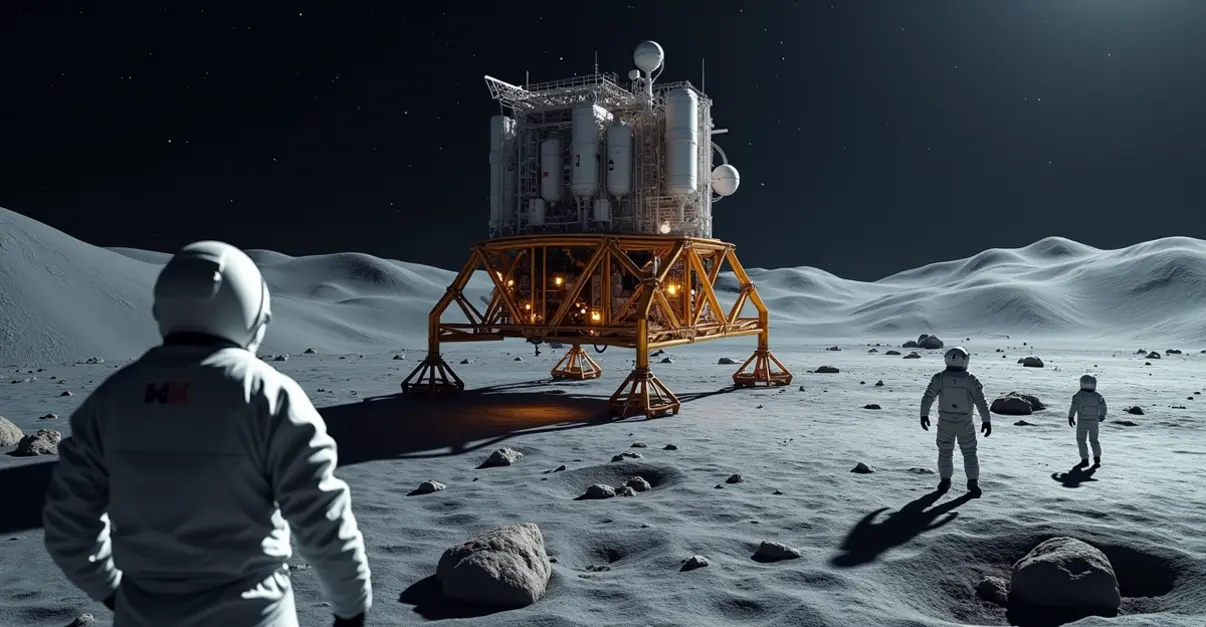
The mission faces competition from China's lunar ambitions, with Beijing planning its own crewed Moon landing by 2030. This has created what many are calling a 'new space race' between the two superpowers. NASA aims to land astronauts on the Moon with Artemis III by 2027-2028, though this timeline depends on the readiness of SpaceX's Starship lunar lander.
Historical Significance and Future Plans
Artemis II bears striking similarities to Apollo 8 in 1968, which also performed a lunar orbit without landing. The mission represents NASA's renewed commitment to lunar exploration through the Artemis program, formally established in 2017. The program's long-term goals include establishing a sustainable human presence on the Moon and preparing for eventual missions to Mars.
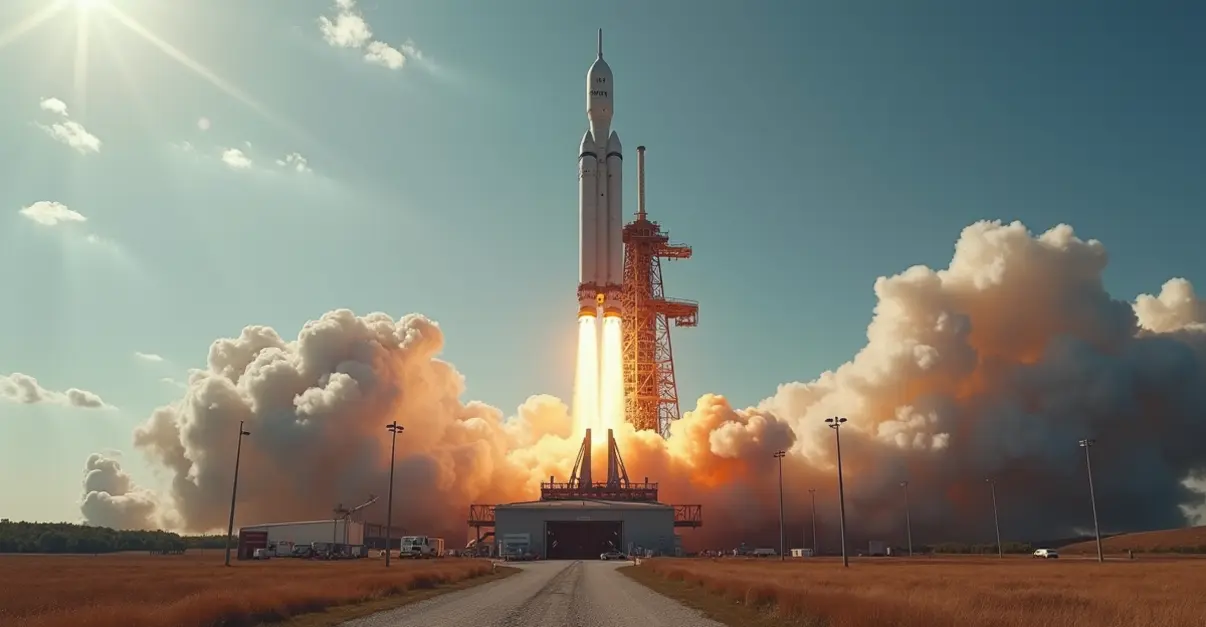
As the SLS rocket begins its slow journey to the launch pad, space enthusiasts worldwide are preparing for what some are calling 'the ultimate slow TV event.' With 16 launch windows available through April, NASA remains flexible while prioritizing crew safety above all else. The mission promises to inspire a new generation of space explorers and mark humanity's return to deep space exploration after more than five decades.

Follow Discussion