


 Deutsch
 English
 Español
 Français
 Nederlands
 Português


 Share
Share




NASA Artemis II Moon Mission: April 2026 Launch Guide Explained
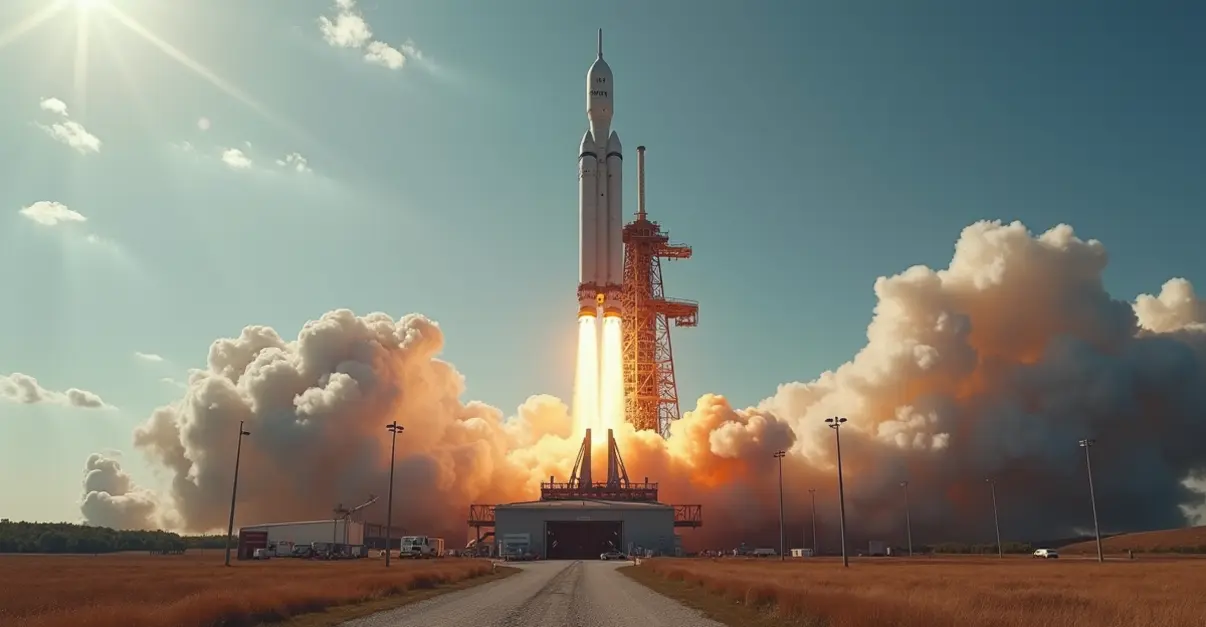
NASA is targeting early April 2026 for the historic launch of Artemis II, marking the first crewed mission to orbit the Moon since 1972. After multiple delays due to technical issues, the space agency has completed its Flight Readiness Review and set April 1 as the primary launch date, with backup windows available throughout the month. This 10-day mission represents a crucial step in NASA's Artemis program, which aims to establish a sustainable human presence on the lunar surface and eventually send astronauts to Mars.
What is the Artemis II Mission?
Artemis II is NASA's first crewed test flight of the Space Launch System (SLS) rocket and Orion spacecraft, designed to send astronauts on a lunar flyby mission. Unlike the uncrewed Artemis I mission in 2022, Artemis II will carry four astronauts who will test critical life support systems, navigation equipment, and communication capabilities during their journey around the Moon. The mission serves as a precursor to Artemis III, which will test lunar landers in Earth orbit, and Artemis IV, scheduled for 2028, which aims to land astronauts on the lunar surface.
Technical Challenges and Delays
The Artemis II mission has faced several technical setbacks that pushed its launch from the original February 2026 target. During a wet dress rehearsal in February, NASA discovered fuel leaks and a helium flow interruption in the SLS rocket's upper stage. 'We identified a loose seal in the quick disconnect system that was causing the helium flow issue,' explained a NASA engineer during the March 12 briefing. The rocket underwent repairs in the Vehicle Assembly Building at Kennedy Space Center, where technicians also replaced batteries in emergency systems and conducted comprehensive testing.
Key Technical Issues Resolved
- Helium flow interruption in the SLS upper stage
- Fuel leaks discovered during wet dress rehearsal
- Battery replacements in emergency systems
- Heat shield concerns from Artemis I mission data
Mission Timeline and Schedule
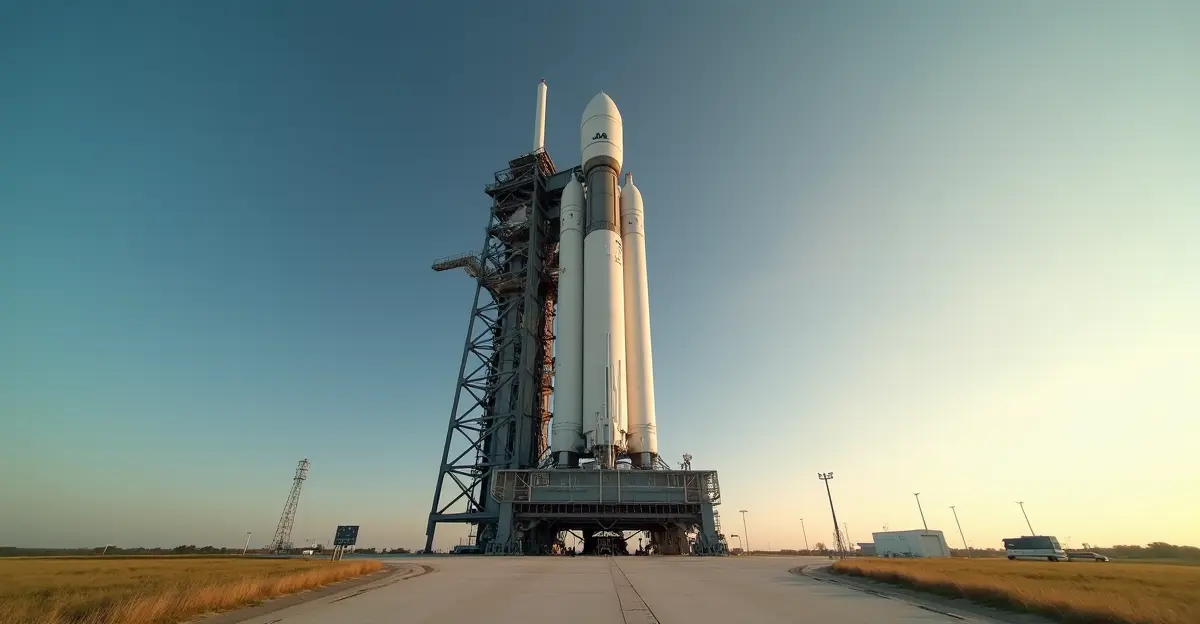
NASA has established a detailed timeline for the final preparations leading to the April launch. The SLS rocket will roll back to Launch Complex 39B on March 19, 2026, following successful repairs and testing. The four astronauts will enter quarantine on March 18 and arrive at Kennedy Space Center on March 27. NASA has identified six backup launch windows throughout April if weather or technical issues prevent the April 1 launch.
Artemis II Launch Windows
| Primary Date | Backup Windows | Launch Time |
|---|---|---|
| April 1, 2026 | April 2-30, 2026 | 6:24 p.m. ET |
| NASA has identified specific launch opportunities within each window based on orbital mechanics and mission requirements | ||
The Historic Crew
Artemis II will carry a diverse crew of four astronauts who will make history with their journey. Commander Reid Wiseman, a former International Space Station commander, will lead the mission. Pilot Victor Glover will become the first Black astronaut to travel to the Moon. Mission specialist Christina Koch, who holds the record for longest continuous spaceflight by a woman, will become the first woman to travel to the Moon. Canadian Space Agency astronaut Jeremy Hansen will become the first Canadian to travel beyond low Earth orbit. This crew composition reflects NASA's commitment to diversity and international collaboration in space exploration, similar to the approach seen in the International Space Station partnerships.
Mission Significance and Future Implications
The Artemis II mission represents more than just a return to lunar exploration—it's a critical test of systems needed for sustainable deep space exploration. The data collected during this mission will inform future Artemis missions and help NASA prepare for eventual crewed missions to Mars. The mission also has geopolitical significance, as it positions the United States in what many observers call a new space race with China, which has its own ambitious lunar exploration plans. The success of Artemis II could influence the future of international space cooperation and commercial space partnerships.
Frequently Asked Questions
When will Artemis II launch?
NASA has set April 1, 2026, as the primary launch date, with backup windows available throughout April 2026.
How long will the mission last?
The Artemis II mission is scheduled to last approximately 10 days, during which the crew will orbit the Moon and return to Earth.
Will Artemis II land on the Moon?
No, Artemis II is a lunar flyby mission. The crew will orbit the Moon but not land. The first crewed lunar landing is planned for Artemis IV in 2028.
What are the main goals of Artemis II?
The mission aims to test the SLS rocket and Orion spacecraft with crew aboard, validate life support systems, and demonstrate communication capabilities during deep space travel.
How does Artemis II compare to Apollo missions?
Artemis II is similar to Apollo 8 in that both were crewed lunar orbit missions. However, Artemis uses modern technology and is part of a program aimed at establishing sustainable lunar presence, unlike the Apollo program's focus on short-term exploration.



Follow Discussion