


 Deutsch
 English
 Español
 Français
 Nederlands
 Português


 Share
Share




Historic Rollout Marks First Crewed Moon Mission in Over 50 Years
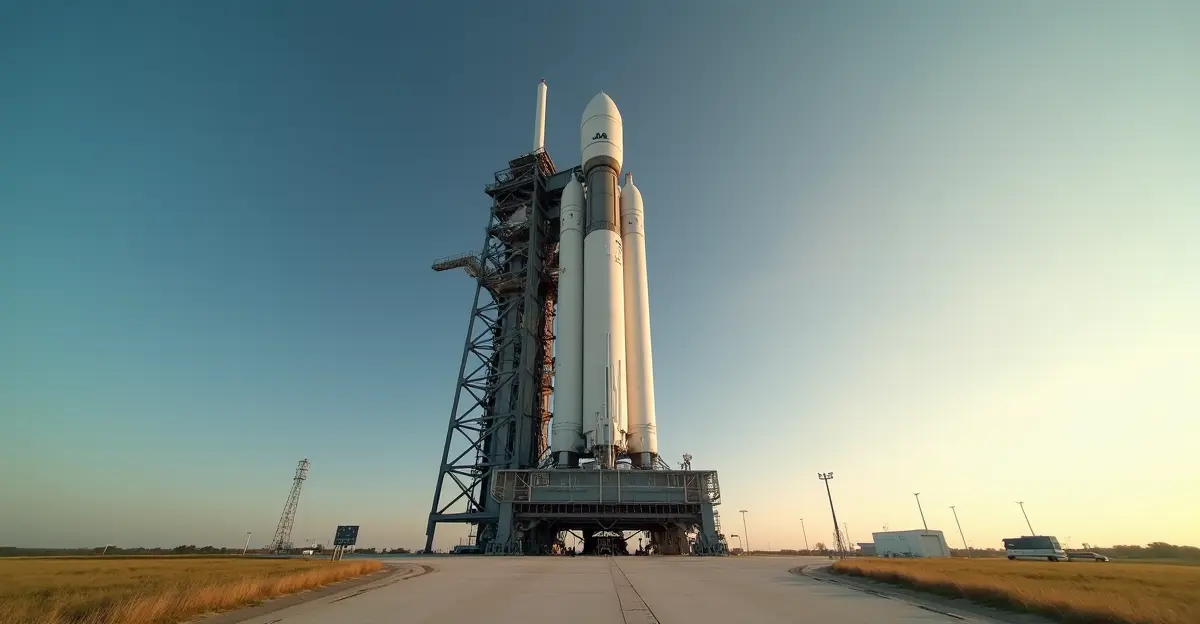
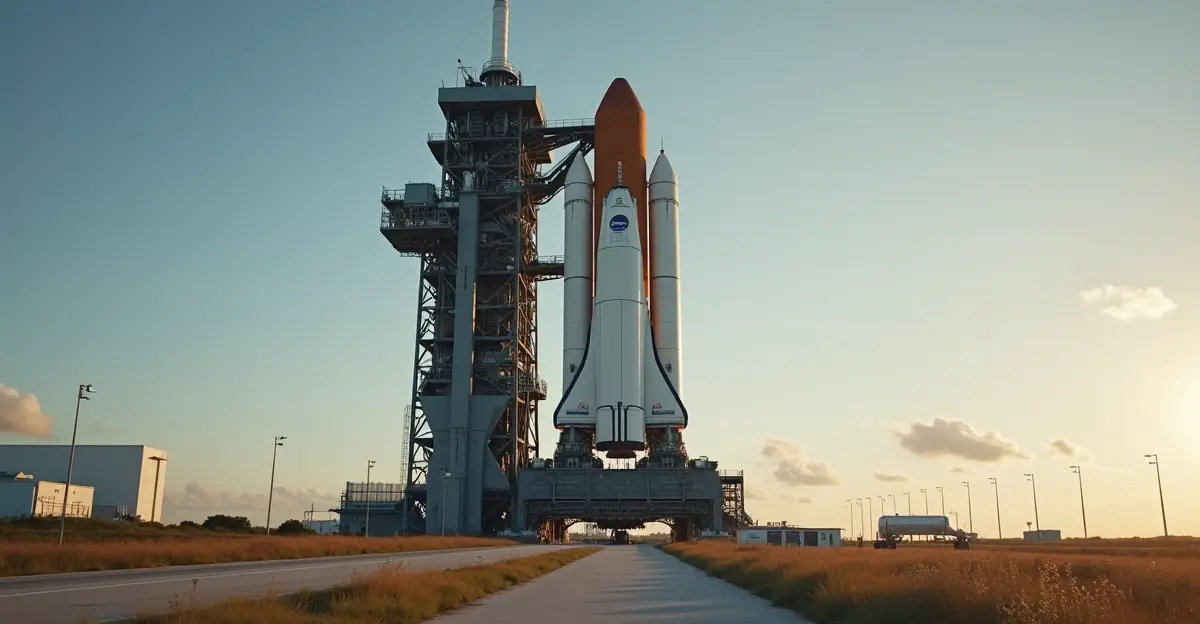
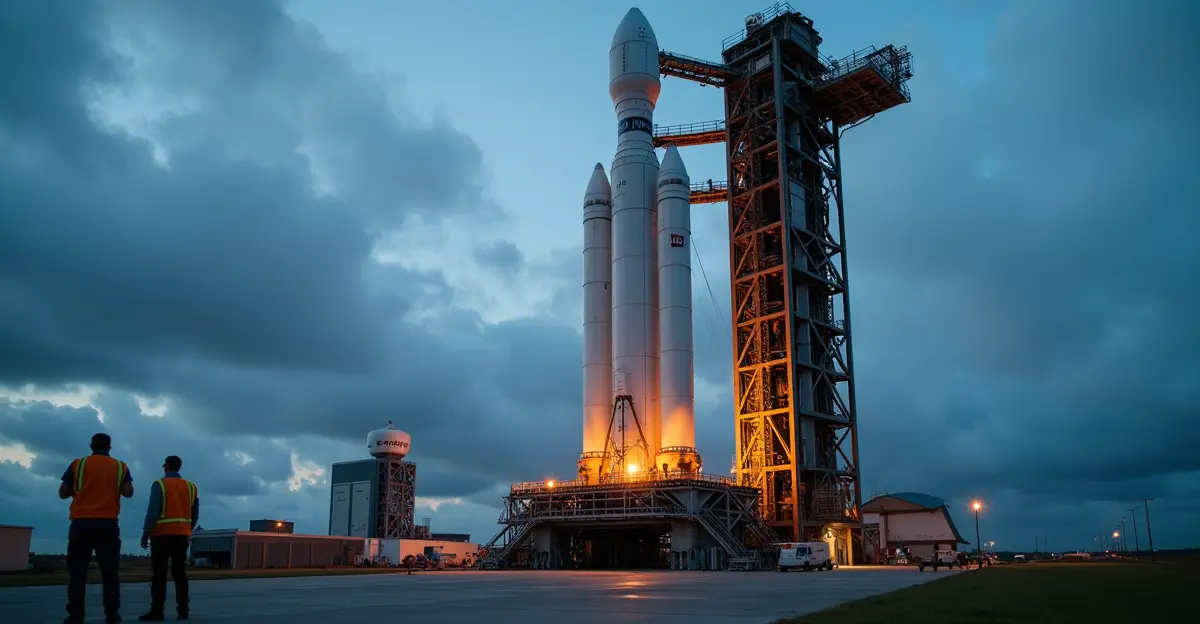
NASA's Artemis II mission reached a critical milestone this weekend as the massive Space Launch System (SLS) rocket completed its journey to Launch Pad 39B at Kennedy Space Center in Florida. The 98-meter-tall rocket, carrying the Orion spacecraft named 'Integrity,' made the 6-kilometer journey atop a crawler-transporter, taking nearly 12 hours to complete the slow roll at just 1.3 kilometers per hour.
'This is a monumental moment for humanity's return to the Moon,' said NASA Administrator Bill Nelson in a statement. 'Seeing this rocket on the launch pad brings us one step closer to sending astronauts further into space than anyone has been before.'
Crewed Mission with Historic Firsts
The Artemis II mission will carry four astronauts on a 10-day journey around the Moon, marking the first crewed lunar mission since Apollo 17 in 1972. The diverse crew includes Commander Reid Wiseman, Pilot Victor Glover, Mission Specialist Christina Koch from NASA, and Canadian Space Agency Mission Specialist Jeremy Hansen.
This mission represents several historic firsts: Koch will be the first woman to travel to lunar distance, Glover will be the first person of color on a deep space mission, and Hansen will be the first non-American to travel beyond low Earth orbit. 'We're not just going to the Moon - we're opening the door for all of humanity,' said Commander Reid Wiseman in a recent interview.
Critical Testing Ahead
Over the coming days, NASA engineers will conduct a 'wet dress rehearsal' where the rocket will be fully fueled and the countdown sequence will be tested. This critical test, scheduled for February 2, will verify all systems are ready for launch. If any issues are discovered, the rocket could be rolled back to the Vehicle Assembly Building for repairs.
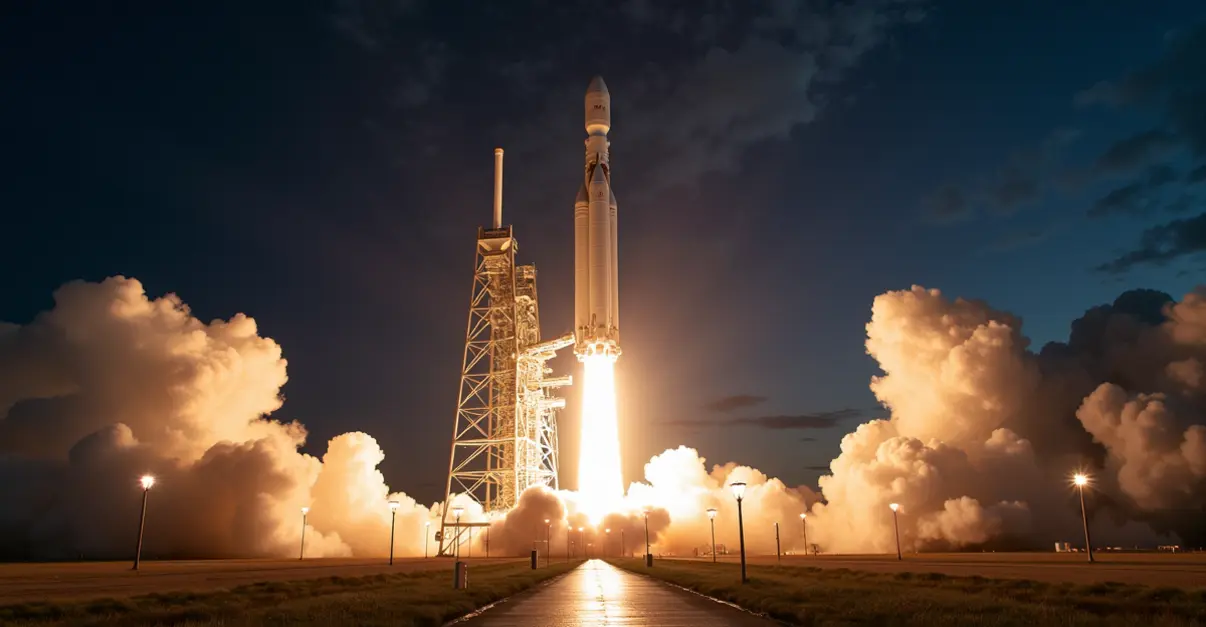
The earliest launch window opens on February 6, 2026, though NASA officials emphasize this date could slip depending on test results. 'Safety is our top priority,' explained Artemis Mission Manager Mike Sarafin. 'We won't launch until we're absolutely certain every system is functioning perfectly.'
Artemis Program's Broader Goals
Artemis II serves as a crucial test flight for the Artemis program, NASA's ambitious plan to establish a sustainable human presence on the Moon. This mission will test the Orion spacecraft's life support systems, navigation capabilities, and communication systems in deep space.
The success of Artemis II is essential for Artemis III, which aims to land astronauts on the lunar South Pole no earlier than 2027-2028. According to NASA's official announcement, the mission will follow a 'free return trajectory' around the Moon, ensuring automatic return to Earth even if systems fail.
As the rocket now stands ready at the historic launch pad that once hosted Apollo missions, the world watches with anticipation for what could be humanity's next giant leap into the cosmos.


Follow Discussion