


 Deutsch
 English
 Español
 Français
 Nederlands
 Português


 Share
Share




Historic Lunar Return: Artemis II Prepares for Launch
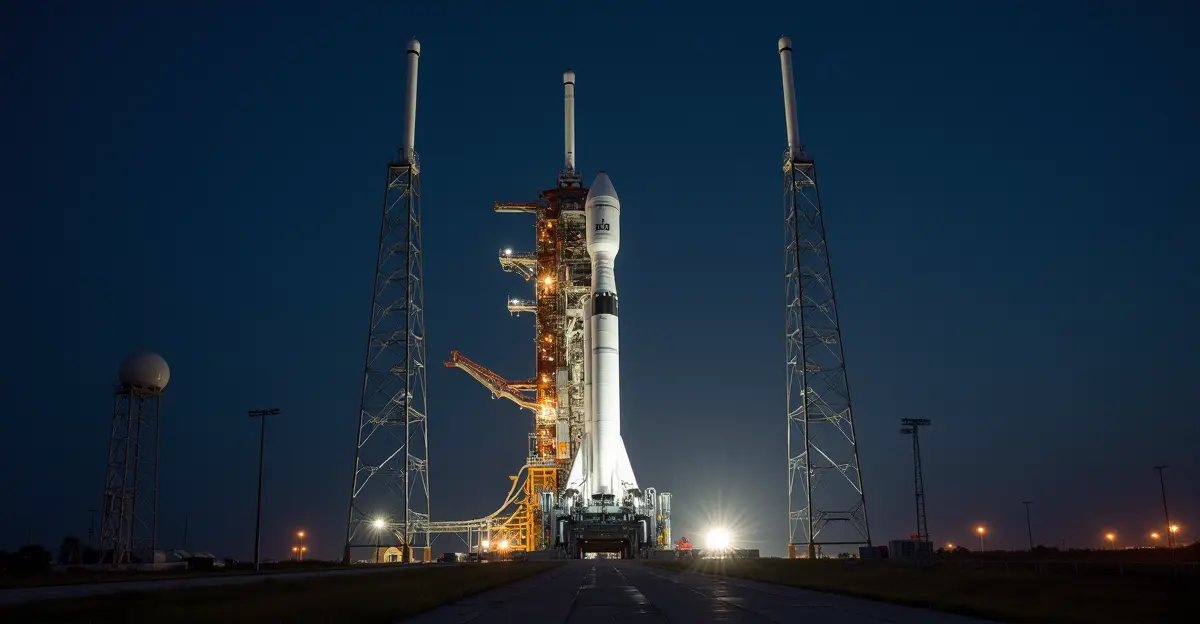
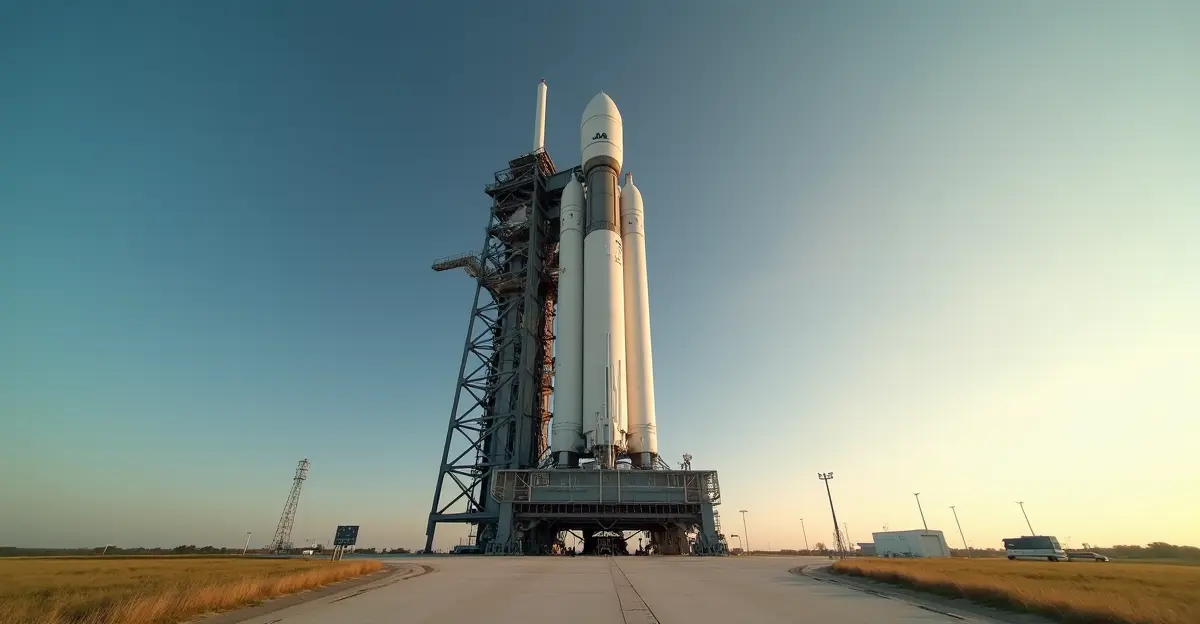
For the first time in over half a century, astronauts are preparing to journey to the moon. NASA's Artemis II mission, scheduled for launch as early as February 6, 2026, marks a monumental return to crewed lunar exploration. The mission will send four astronauts on a 10-day journey around the moon and back, serving as a critical test flight before planned lunar landings.
The Pioneering Crew
The Artemis II crew represents a new era of space exploration diversity. Commander Reid Wiseman, a 50-year-old NASA veteran with ISS experience, leads the mission. Pilot Victor Glover (49) will become the first person of color to travel to lunar space, bringing extensive spaceflight experience from his 2020 SpaceX mission. Mission Specialist Christina Koch (46) makes history as the first woman to journey to the moon, holding the record for longest continuous spaceflight by a woman at 328 days. Canadian astronaut Jeremy Hansen (50) completes the crew as the first non-American on a lunar mission and the only crew member without previous space experience.
'This mission represents not just a return to the moon, but a new chapter in human exploration,' said NASA Administrator Bill Nelson in a recent statement.
Mission Timeline and Objectives
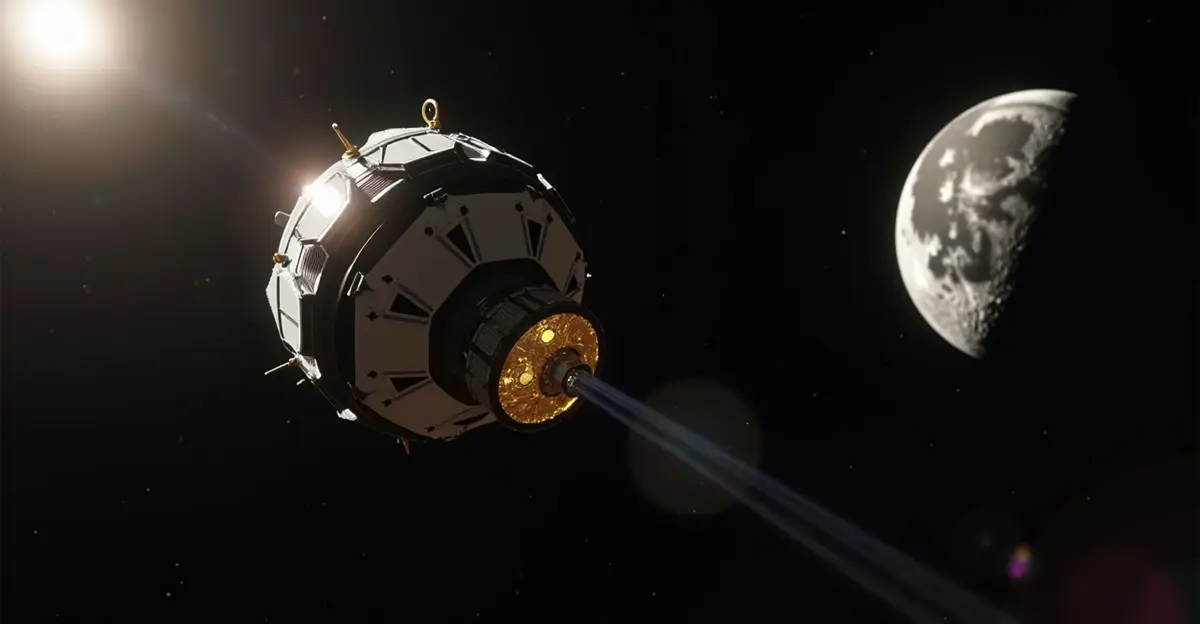
The launch window opens in early February 2026 from Kennedy Space Center in Florida. After launch, the crew will spend approximately 24 hours in Earth orbit conducting system checks before embarking on their four-day journey to the moon. The mission will follow a free-return trajectory, passing within 4,000-6,000 miles of the lunar surface before continuing around the moon's far side.
At its farthest point, the Orion spacecraft will travel more than 370,000 kilometers from Earth—the farthest humans have ever ventured into space. The mission will test critical systems including life support, navigation, and communication equipment essential for future lunar surface missions. 'Artemis II is about proving our systems work with humans aboard before we commit to landing,' explained mission director Mike Sarafin.
Technical Challenges and Safety Concerns
The mission faces significant technical hurdles, most notably concerns about the Orion capsule's heat shield. During the uncrewed Artemis I test flight in 2022, the heat shield experienced unexpected damage with more than 100 locations showing cracking and material loss. NASA has addressed this by modifying the re-entry profile, eliminating the planned 'skip re-entry' maneuver to reduce heat exposure time.
Despite these concerns, NASA maintains confidence in the spacecraft's safety. 'We've conducted extensive testing and analysis, and we have full confidence in the heat shield's ability to protect our crew,' stated Orion program manager Howard Hu. The agency has brought in external experts including former astronauts to review safety protocols.
Geopolitical Significance and Future Plans
Artemis II represents more than just a technical achievement—it signals a strategic shift in space exploration. Unlike the Cold War-era Apollo program, Artemis emphasizes international partnerships and sustainable presence. The mission comes amid growing competition with China, which aims to land taikonauts on the moon by 2030.
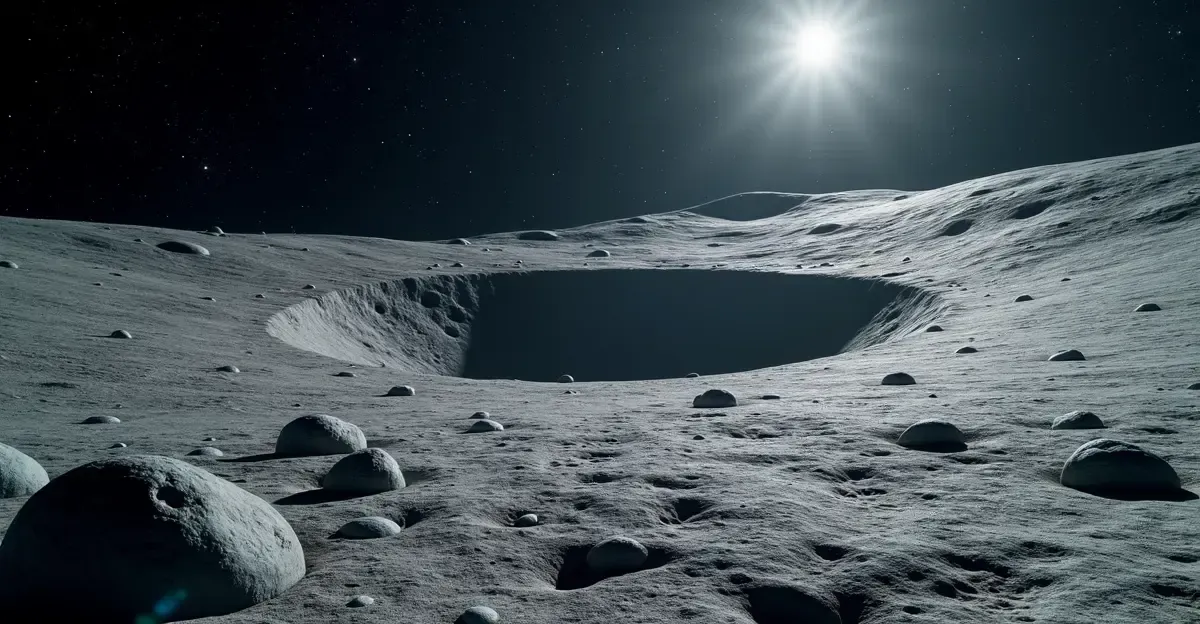
'We're going back to the moon to stay, and this mission is the critical first step,' emphasized NASA's associate administrator for exploration systems development, Jim Free. Artemis II serves as a precursor to Artemis III, planned for 2028, which will land astronauts near the lunar south pole—a region rich in water ice that could support future settlements.
The mission also tests procedures for docking with other spacecraft, a necessary skill for future missions involving the Lunar Gateway station. Data collected will directly support plans for establishing a permanent human presence on the moon and eventual missions to Mars.
As launch preparations continue, the world watches what could become humanity's next giant leap in space exploration. With successful completion, Artemis II will pave the way for sustained lunar exploration and potentially redefine humanity's relationship with our celestial neighbor for generations to come.


Follow Discussion