


 Deutsch
 English
 Español
 Français
 Nederlands
 Português


 Share
Share




NASA Conducts Critical Wet Dress Rehearsal for Artemis II Moon Mission
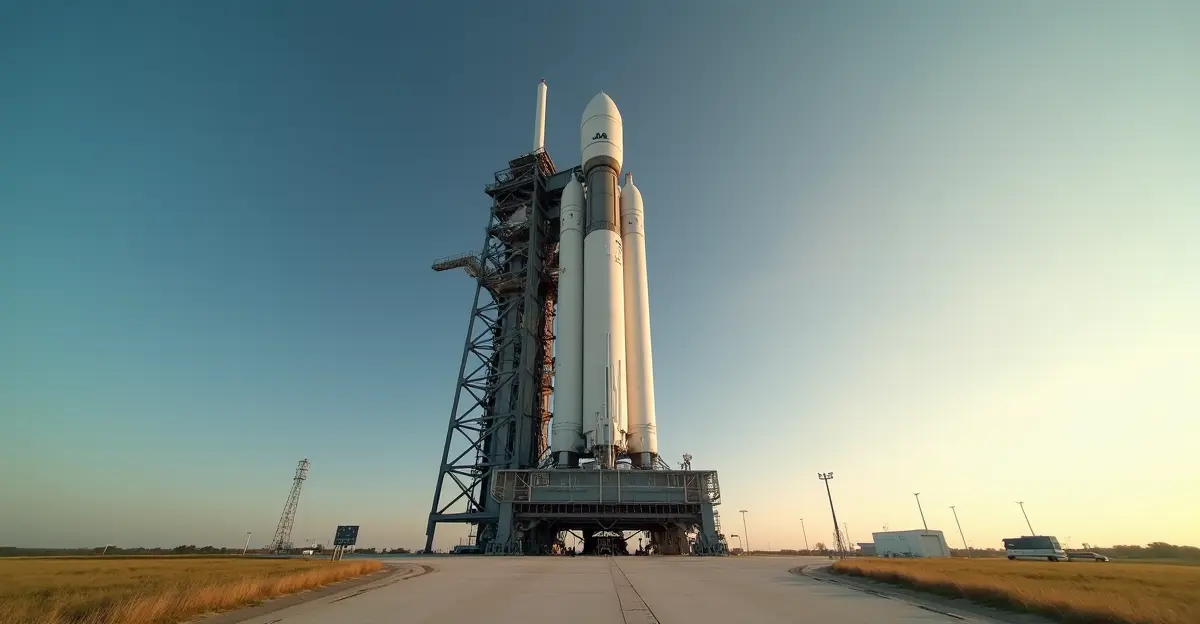
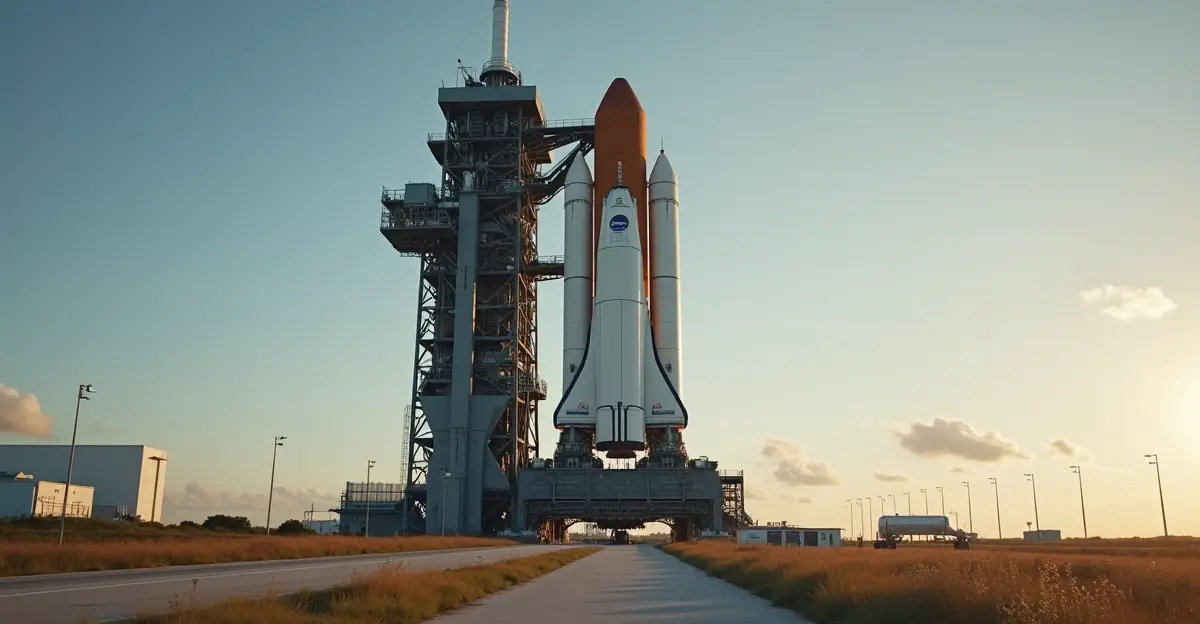
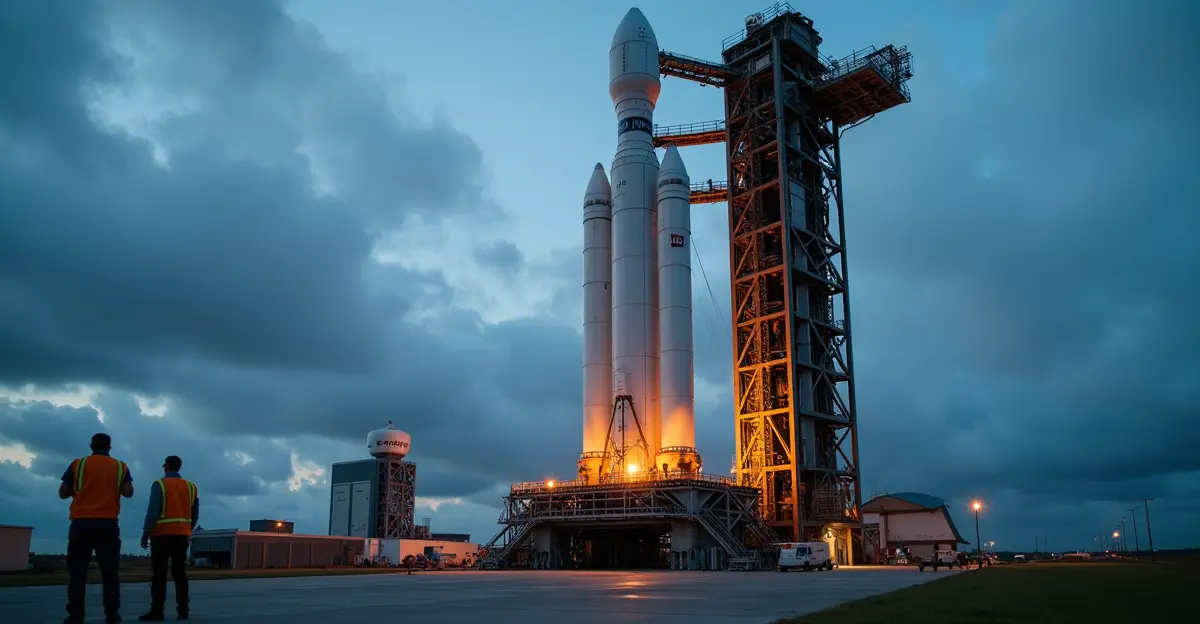
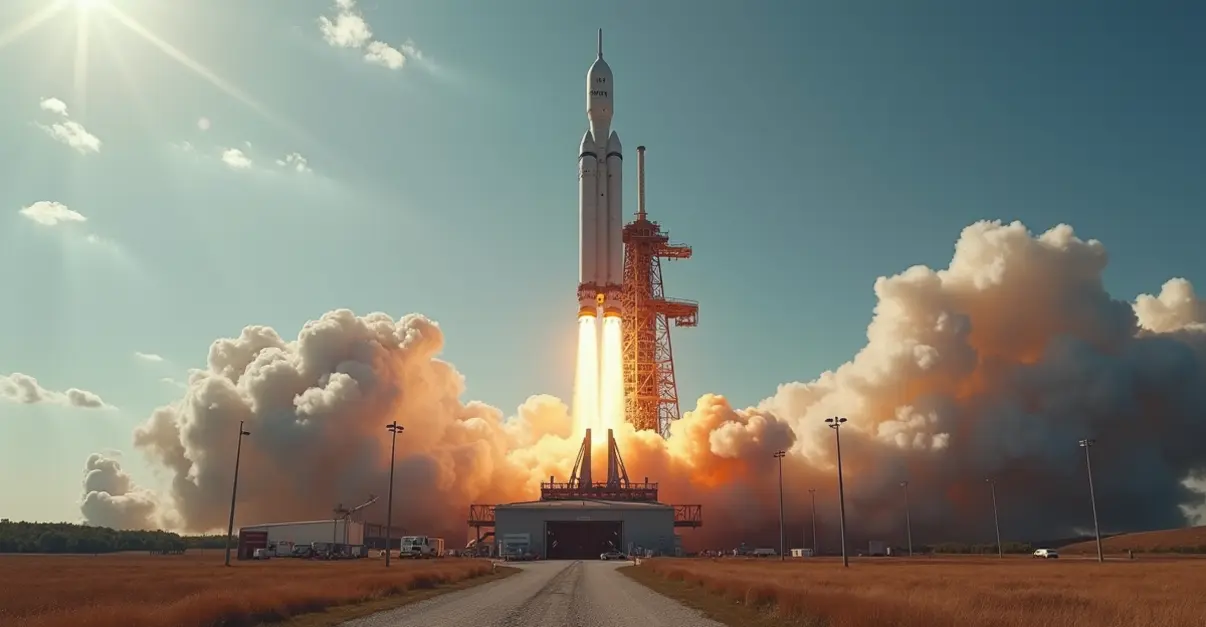
NASA is currently performing a crucial 'wet dress rehearsal' with the Space Launch System (SLS) rocket that will soon carry four astronauts on a historic journey around the Moon. This 49-hour test involves pumping approximately three million liters (over 700,000 gallons) of cryogenic propellant into the Artemis II rocket, then draining it all back out - a critical final check before the actual launch scheduled for next week.
'It's all about checking if everything goes well with that rocket, if there are no leaks and such,' says space expert Rob van den Berg. 'After that, everything is pumped out again, which in itself is also an important test.'
The Final Countdown Test
The wet dress rehearsal simulates every step of the launch sequence, stopping just 30 seconds before the simulated liftoff. During this test, engineers load the rocket with liquid hydrogen and liquid oxygen at temperatures reaching -253°C and -183°C respectively. The procedure tests not only the fueling systems but also the complex choreography of launch operations at Kennedy Space Center's Launch Complex 39B in Florida.
According to NASA's mission blog, this test follows previous issues with liquid hydrogen fuel leaks during Artemis I testing in 2022. Engineers have implemented numerous fixes and improvements to ensure a smooth operation this time.
Historic Crew and Mission Profile
The Artemis II mission will carry NASA astronauts Reid Wiseman (commander), Victor Glover (pilot), and Christina Koch (mission specialist), along with Canadian Space Agency astronaut Jeremy Hansen (mission specialist). This diverse crew represents several historic firsts: Koch will be the first woman to travel to lunar distance, Glover the first person of color, and Hansen the first non-American to leave low Earth orbit for the Moon.
The 10-day mission will follow a free-return trajectory around the Moon, taking the crew farther from Earth than any humans have ever traveled - approximately 430,000 kilometers (267,000 miles) at their maximum distance. 'They fly around the far side of the Moon, which makes the astronauts the first people at the greatest distance from Earth ever,' explains van den Berg. 'They take photos of the far side of the Moon, then fly back. That's all preparation for the actual moon landing in a few years.'
Technical Specifications and Significance
The SLS Block 1 rocket stands 98 meters (322 feet) tall and generates 8.8 million pounds of thrust at liftoff - more powerful than the Saturn V rockets used during the Apollo era. The rocket can carry 59,525 pounds (27,000 kg) to the Moon in a single launch.
This mission marks humanity's return to lunar exploration after more than 50 years. 'Van den Berg emphasizes how special it is that 'we' are going to the Moon again: in fifty years we haven't been this far from Earth with a manned flight,' notes the original report.
The successful completion of this wet dress rehearsal could pave the way for a launch as early as February 8, 2026, with backup opportunities in March and April if needed. The mission serves as a critical stepping stone toward NASA's goal of landing astronauts on the lunar surface with Artemis III, currently planned for 2027.
For more detailed information about the SLS rocket specifications, you can refer to NASA's official SLS reference guide.
Follow Discussion