


 Deutsch
 English
 Español
 Français
 Nederlands
 Português


 Share
Share




Artemis II Mission Complete: Historic Moon Return Ends with Perfect Splashdown
NASA's Artemis II mission has successfully concluded with a 'perfect splashdown' in the Pacific Ocean off the coast of San Diego, marking the completion of humanity's first crewed lunar mission in over 50 years. The historic mission, which launched on April 1, 2026, saw four astronauts travel 1.1 million kilometers (700,237 miles) around the Moon before returning safely to Earth on April 10, 2026, at 02:07 Netherlands time (20:07 EDT).
What is the Artemis II Mission?
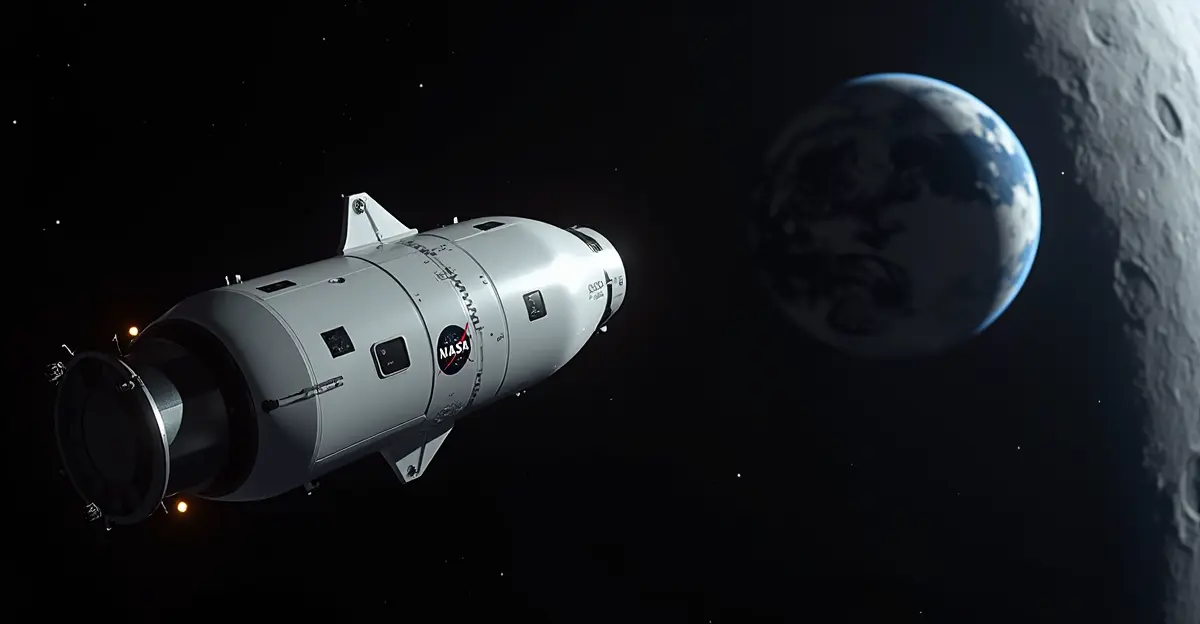
The Artemis II mission represents NASA's first crewed lunar flight since the Apollo era, serving as a critical test of the Space Launch System rocket and Orion spacecraft before planned lunar landings. This 10-day mission followed a 'free-return trajectory' around the Moon, similar to the emergency path taken by Apollo 13 but planned from the outset. The mission achieved several historic firsts, including sending the first woman, first person of color, and first non-American beyond low Earth orbit.
Mission Statistics and Records
The Artemis II mission broke multiple records during its historic journey:
- Distance Record: The crew reached 252,756 miles from Earth, surpassing Apollo 13's previous record by 4,111 miles
- Total Distance: Traveled 1.1 million kilometers (700,237 miles) during the 10-day mission
- Maximum Speed: Achieved nearly 40,000 kilometers per hour (25,000 mph) during re-entry
- Re-entry Temperature: The Orion capsule endured temperatures up to 3,000°F during atmospheric entry
- G-Force: Astronauts experienced up to 3.9 Gs during the descent
The Perfect Splashdown
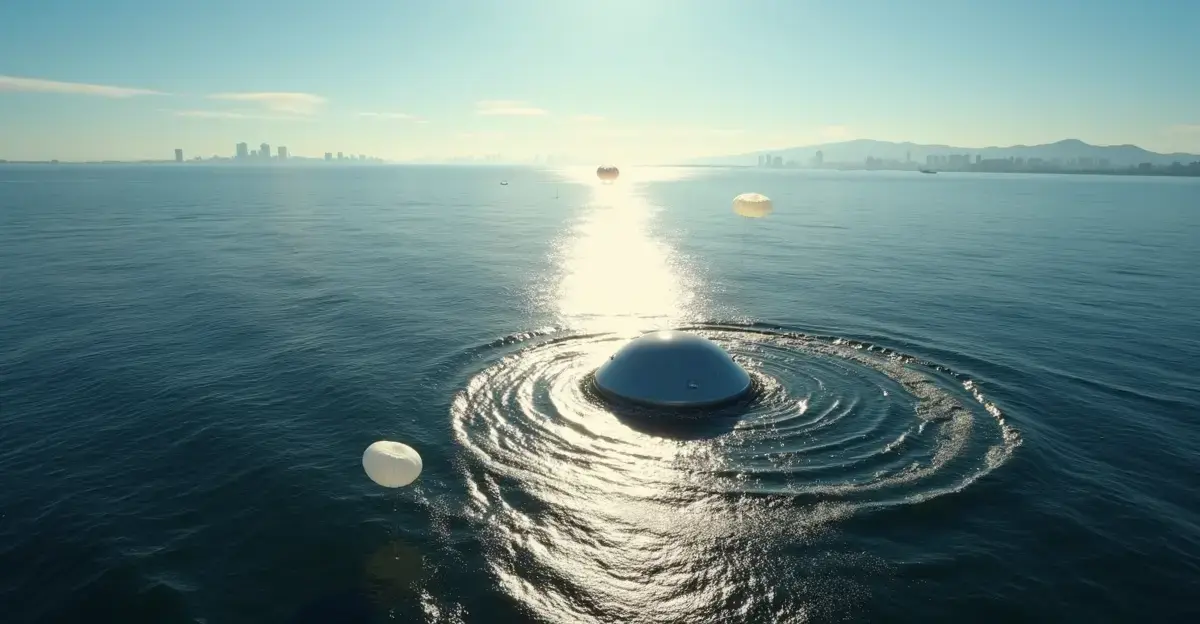
NASA described the return as a 'perfect splashdown' despite initial communication challenges. The Orion capsule, named 'Integrity,' touched down in the Pacific Ocean approximately 200 miles off the coast of San Diego. U.S. Navy recovery teams aboard the USS John P. Murtha quickly retrieved the astronauts using an inflatable raft system called a 'front porch.'
'What a journey!' exclaimed mission commander Reid Wiseman shortly after landing. 'We're doing great and the crew is making it just fine.'
Technical Challenges Overcome
The successful splashdown marked a significant improvement over the uncrewed Artemis I mission in 2022, which experienced heat shield issues during re-entry. NASA engineers implemented a different entry strategy that resolved these problems, ensuring a safe return for the crew. The mission also demonstrated the effectiveness of the European Space Agency's service module, which provided power, oxygen, water, and temperature control throughout the journey.
Historic Crew Composition
The Artemis II crew represented several historic milestones in space exploration:
| Astronaut | Role | Historic Achievement |
|---|---|---|
| Reid Wiseman (50) | Commander | NASA astronaut, former Navy pilot |
| Victor Glover (49) | Pilot | First person of color to leave Earth orbit |
| Christina Koch (47) | Mission Specialist | First woman to travel beyond low Earth orbit |
| Jeremy Hansen (50) | Mission Specialist | First Canadian to leave Earth orbit |
International Collaboration
The mission showcased significant international cooperation, with the European Space Agency (ESA) providing the service module that contained engines, oxygen, water, and temperature regulation systems. Dutch company Airbus Netherlands developed the solar panels that generated electricity for the Orion spacecraft. During their return journey, commander Wiseman specifically thanked 'our ESA Airbus-team and our friends in the Netherlands and Germany' for their contributions.
What's Next for the Artemis Program?
The successful Artemis II mission paves the way for future lunar exploration. NASA has restructured the Artemis program timeline with the following upcoming missions:
- Artemis III (2027): Earth orbit test mission to validate docking with commercial lunar landers
- Artemis IV (2028): First crewed lunar landing since Apollo 17
- Artemis V (2028): Second crewed lunar landing mission
The program aims to establish sustainable lunar exploration as a stepping stone for future Mars missions. NASA plans to increase launch cadence to one mission every 10 months using the standardized Block 1 Space Launch System architecture.
FAQ: Frequently Asked Questions
How long was the Artemis II mission?
The Artemis II mission lasted 10 days, from launch on April 1, 2026, to splashdown on April 10, 2026.
What was the purpose of Artemis II?
Artemis II served as a crewed test flight of NASA's Space Launch System rocket and Orion spacecraft, validating systems for future lunar missions and breaking the distance record for human spaceflight.
How does Artemis II compare to Apollo missions?
While Apollo missions focused on lunar landings, Artemis II tested modern spacecraft systems and established new distance records. The mission traveled farther from Earth than any previous human spaceflight.
What comes after Artemis II?
NASA plans Artemis III for 2027 as an Earth orbit test mission, followed by Artemis IV in 2028 for the first crewed lunar landing since 1972.
Why is international collaboration important for Artemis?
International partnerships, like ESA's contribution to the service module, distribute costs and expertise while building global support for sustainable space exploration.

Follow Discussion