


 Deutsch
 English
 Español
 Français
 Nederlands
 Português


 Share
Share




Artemis II Launch Guide: NASA's Historic Moon Mission Explained
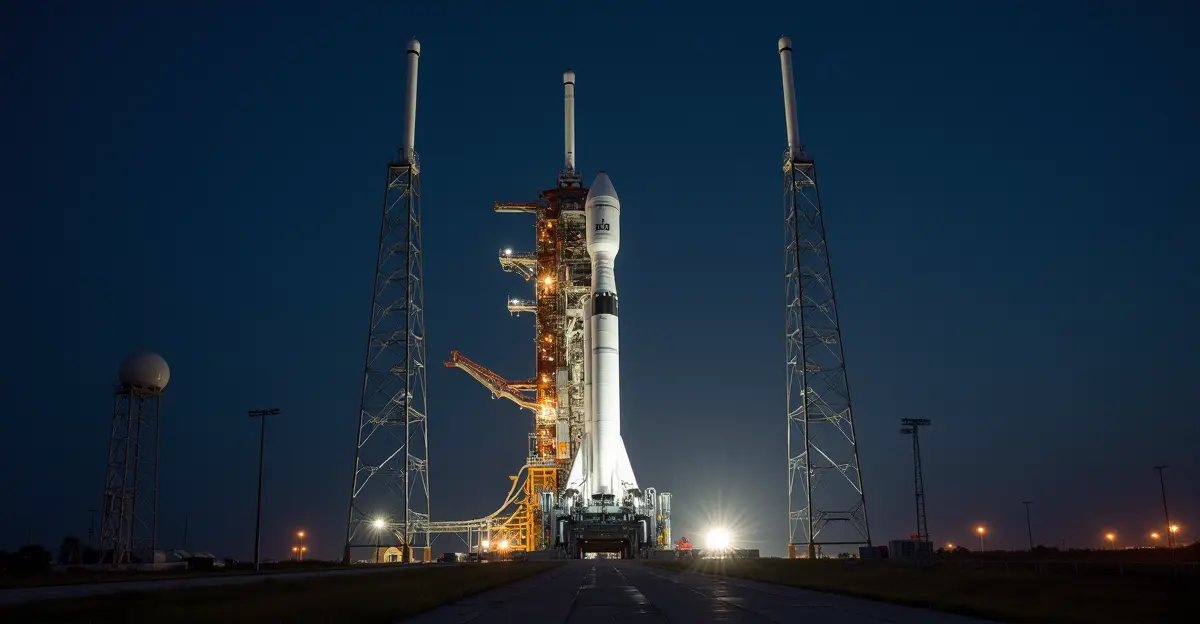
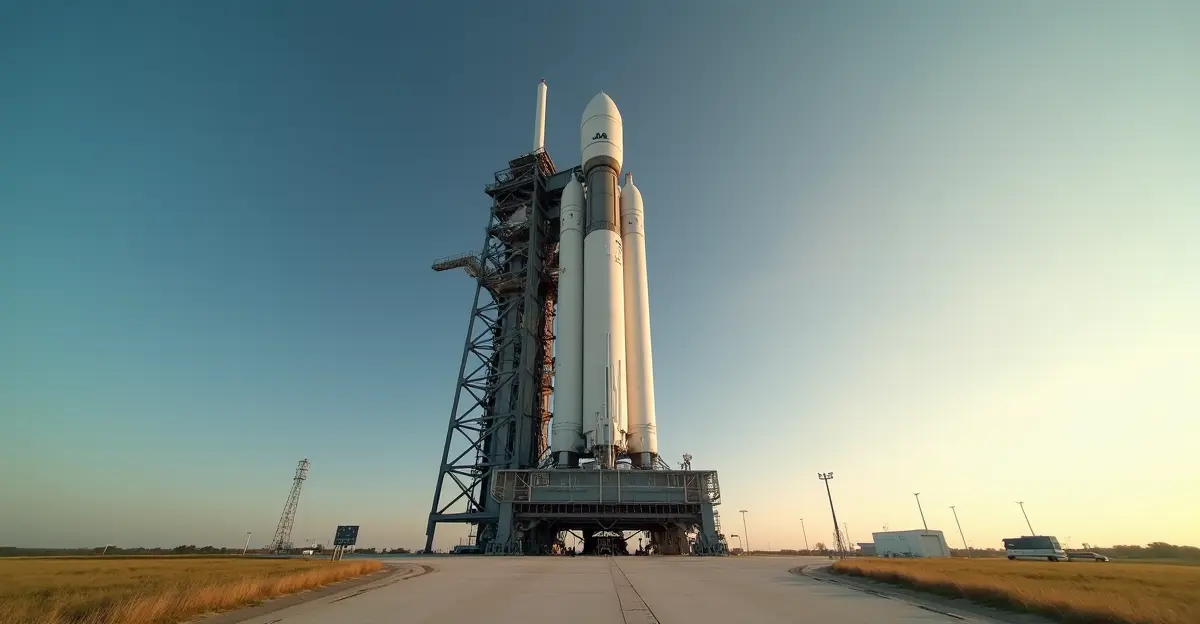
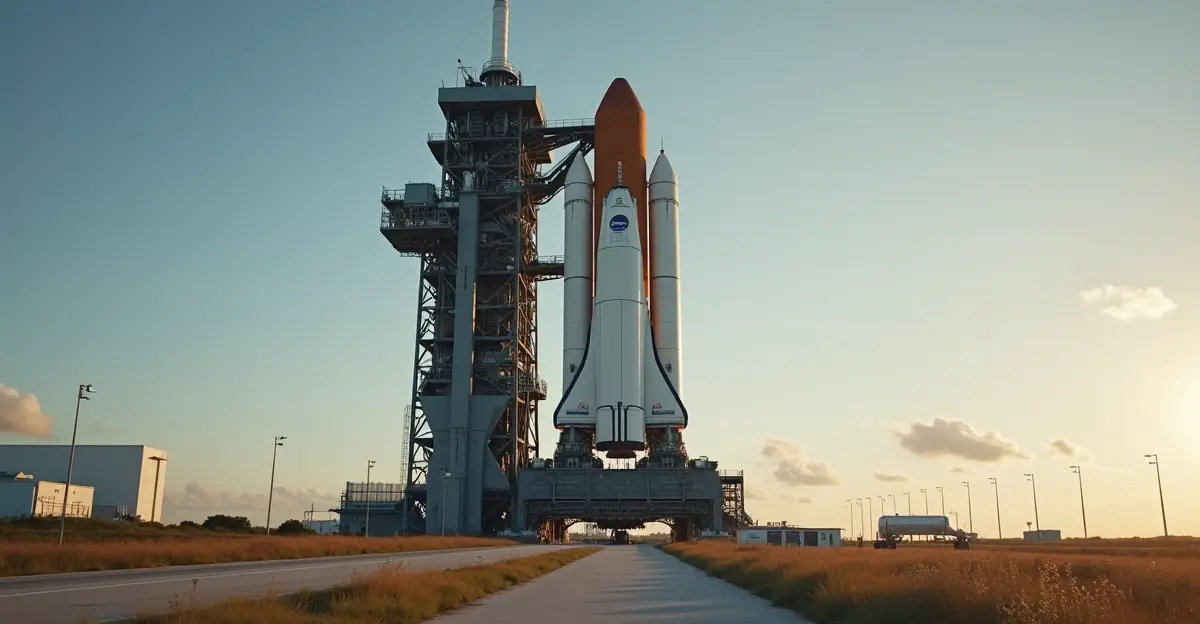
NASA's Artemis II mission successfully launched on April 1, 2026, marking humanity's return to lunar exploration after more than 50 years. The historic launch from Kennedy Space Center in Florida at 6:35 p.m. EDT (00:35 UTC on April 2) sent four astronauts on a 10-day journey around the moon, representing the first crewed mission beyond low-Earth orbit since Apollo 17 in 1972. This groundbreaking mission tests critical systems for future lunar landings and establishes new records in space exploration.
What is the Artemis II Mission?
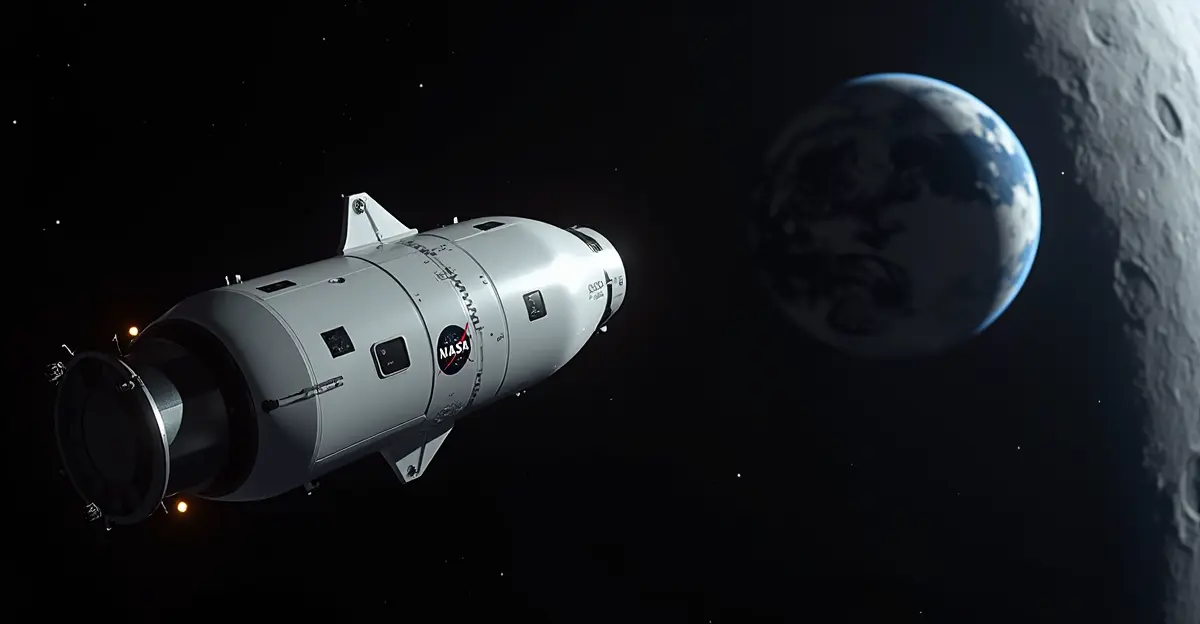
The Artemis II mission is NASA's first crewed lunar flyby in over five decades, serving as a crucial test flight for the Artemis program's lunar landing goals. Unlike the uncrewed Artemis I mission in 2022, Artemis II carries four astronauts who will test the Orion spacecraft's life support systems, radiation protection, and crew operations in deep space. The mission follows a figure-eight trajectory that will take the crew farther from Earth than any humans in history, potentially breaking the distance record set by Apollo 13.
The Historic Crew and Their Mission
The Artemis II crew represents several historic firsts in space exploration. Commander Reid Wiseman (50), a former NASA chief astronaut and Navy test pilot with 165 days of space experience, leads the mission. Pilot Victor Glover (49) will become the first person of color to travel to the moon, while Mission Specialist Christina Koch (47) holds the record for longest single spaceflight by a woman at 328 days. Canadian Space Agency astronaut Jeremy Hansen (50) becomes the first non-U.S. astronaut to fly to the moon.
Mission Timeline and Key Milestones
The 10-day mission follows a carefully planned schedule:
- Day 1-2: Positioning in high Earth orbit and translunar injection burn
- Day 3-4: Path corrections and practice maneuvers
- Day 5: Entering moon's gravitational influence
- Day 6: Lunar far side encounter and Earthrise photography
- Day 7-9: Preparation for return journey
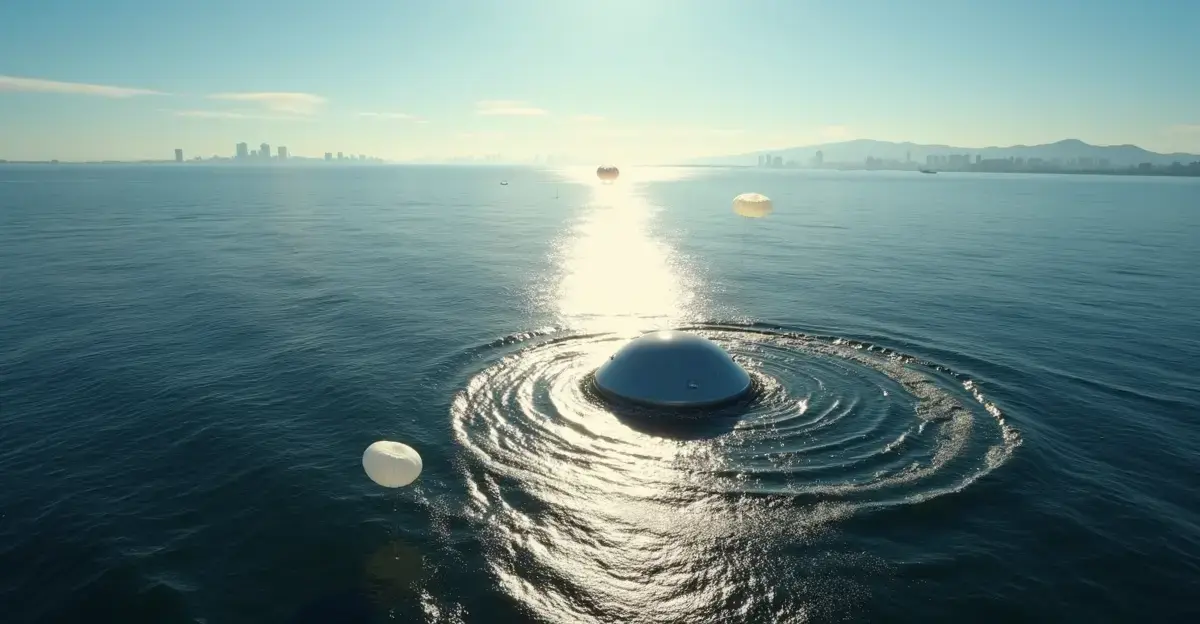
- Day 10: Atmospheric reentry at 3,000°F and Pacific Ocean splashdown
Technical Challenges and Delays
The Artemis II launch faced multiple delays in recent months due to technical issues. NASA postponed the mission several times because of leaking fuel lines, haphazard communication systems, and concerns about the Orion spacecraft's heat shield performance. These delays highlight the complex challenges of human spaceflight safety protocols and the rigorous testing required for deep space missions. The successful launch represents a significant achievement in overcoming these obstacles.
Dutch Contribution: Solar Panels from Leiden
Approximately 20 minutes after launch, the four large solar panels of the European Service Module deployed successfully. These critical components, manufactured by Airbus Defence & Space in Leiden, Netherlands, provide power, heat, oxygen, and propulsion for the Orion capsule. The Dutch contribution underscores the international collaboration essential to the Artemis program's success.
Why This Mission Matters: Historical Context
The Artemis II mission represents more than just a technical achievement—it marks America's return to lunar exploration after decades of focusing on low-Earth orbit missions. Following the Apollo program's conclusion in 1972, NASA shifted priorities to the Space Shuttle program and International Space Station. The 2003 Columbia disaster prompted reevaluation of human spaceflight priorities, leading to the Constellation program's development and eventual evolution into the Artemis program.
Space historian Emily Margolis explains the lengthy gap between lunar missions: 'Spaceflight safety remains extremely challenging, especially with more complex missions requiring extensive testing. New technologies need years of development and certification, and NASA programs require sustained political will and financial support across multiple administrations.'
Future Implications and Artemis Program Goals
Artemis II serves as a critical stepping stone toward NASA's ambitious goals. The mission tests systems needed for Artemis IV, scheduled for 2028, which aims to land astronauts near the moon's south pole. NASA plans approximately annual lunar landings thereafter, with the ultimate goal of establishing a sustainable lunar base in the 2030s as preparation for human missions to Mars.
Frequently Asked Questions (FAQ)
How long will the Artemis II mission last?
The Artemis II mission is scheduled for 10 days, with the crew returning to Earth on April 11, 2026, following a Pacific Ocean splashdown.
Will the astronauts land on the moon?
No, Artemis II is a lunar flyby mission. The crew will orbit the moon but not land, serving as a test flight for future surface missions.
How far will the astronauts travel from Earth?
The mission will take astronauts approximately 685,000 miles from Earth, potentially breaking the distance record set by Apollo 13.
What comes after Artemis II?
Artemis III will test a lunar lander in Earth orbit in 2027, followed by Artemis IV—the first crewed lunar landing—targeted for 2028.
Why did it take over 50 years to return to the moon?
Multiple factors contributed, including shifting political priorities, budget constraints, technological development timelines, and safety considerations following the Space Shuttle program.

Follow Discussion