


 Deutsch
 English
 Español
 Français
 Nederlands
 Português


 Share
Share




Artemis II Moon Mission: Complete Guide to NASA's Historic 2026 Lunar Return
NASA's Artemis II mission marks a historic milestone in space exploration as the first crewed lunar mission in over 50 years, launching on April 1, 2026, with four astronauts embarking on a 10-day journey around the moon. This groundbreaking mission represents humanity's return to deep space exploration and sets the stage for establishing a permanent lunar presence in the coming decade.
What is the Artemis II Mission?
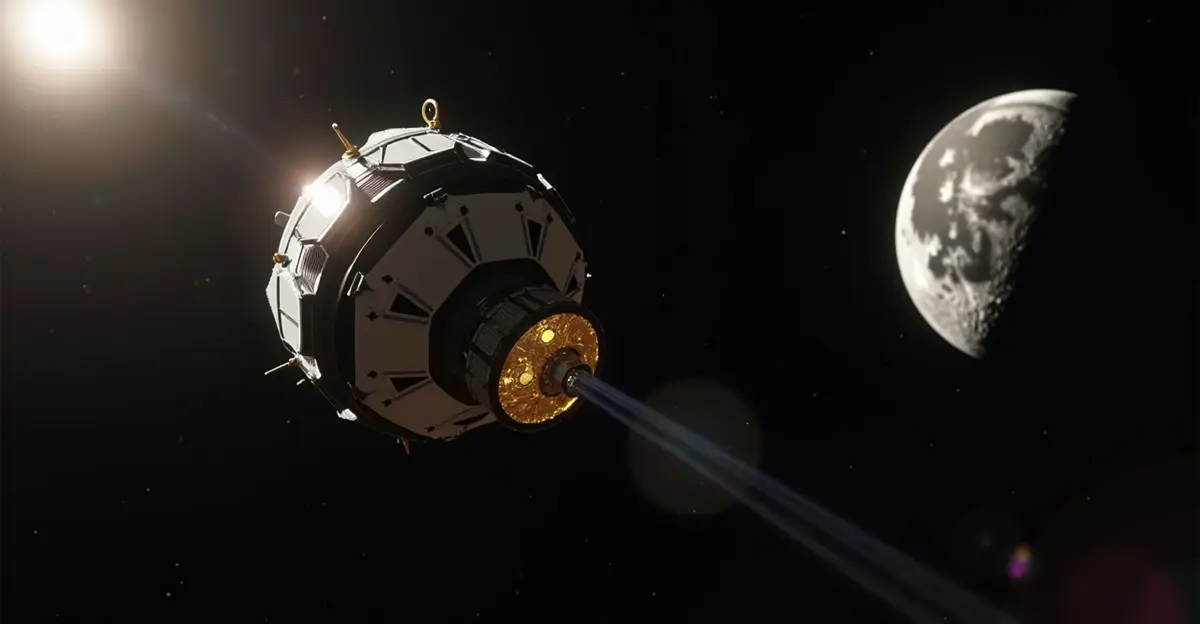
Artemis II is NASA's first crewed test flight of the Space Launch System (SLS) rocket and Orion spacecraft, designed to send astronauts on a lunar flyby mission. Following the successful uncrewed Artemis I mission in 2022, Artemis II carries four astronauts who will travel approximately 685,000 miles around the moon, reaching within 4,100 miles of the lunar far side. The mission serves as a critical test of Orion's life-support systems and paves the way for future lunar landings, similar to how the Apollo 8 mission tested systems before the first moon landing.
Meet the Artemis II Crew
The historic mission features a diverse crew of four experienced astronauts:
- Reid Wiseman - Mission Commander, NASA astronaut with extensive spaceflight experience
- Victor Glover - Pilot, first person of color to travel to the moon
- Christina Koch - Mission Specialist, first woman to travel to the moon
- Jeremy Hansen - Mission Specialist, Canadian Space Agency astronaut
The crew entered quarantine on January 23, 2026, as part of NASA's health stabilization program to prevent illness that could delay the mission. "We were a few times together on international spaceflight meetings," said Dutch astronaut André Kuipers about Victor Glover. "Enthusiastic guy, he enjoyed among other things a canal tour through the canals."
Mission Timeline and Flight Path
The 10-day Artemis II mission follows a carefully planned trajectory:
Day 1-2: Launch and Earth Orbit
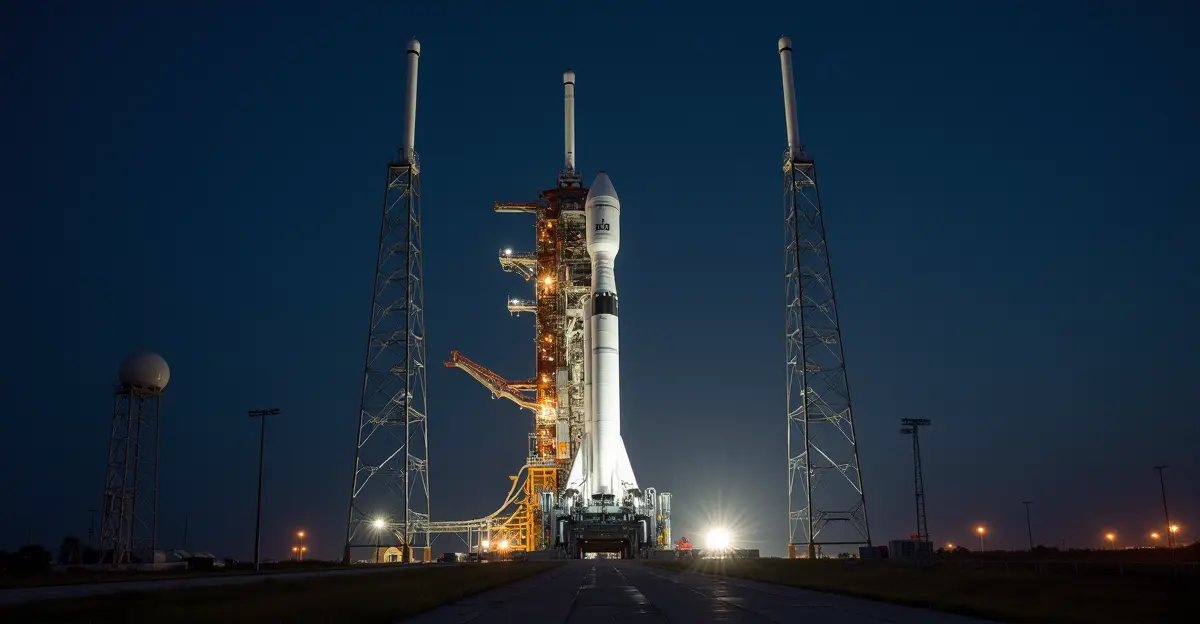
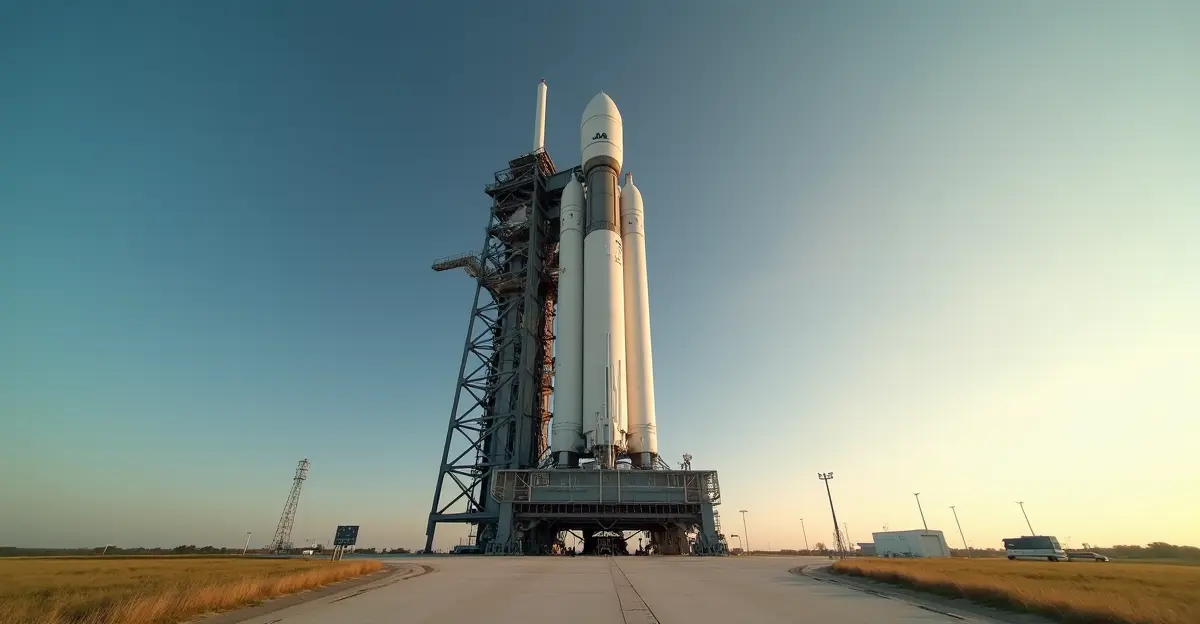
The SLS rocket launches from Kennedy Space Center's Pad 39B, carrying the Orion spacecraft into high Earth orbit where systems undergo extensive testing.
Day 3-4: Translunar Injection
Orion performs a translunar injection burn to propel toward the moon, beginning the 400,000-kilometer journey through deep space.
Day 5-6: Lunar Flyby
The spacecraft reaches the moon's gravitational influence, passing within 4,100 miles of the lunar far side - farther than any humans have traveled in deep space.
Day 7-10: Return and Re-entry
Using a lunar free-return trajectory, Earth's gravity naturally pulls Orion back home, culminating in atmospheric re-entry at 25,000 mph and temperatures reaching 2,700°C (4,900°F), followed by Pacific Ocean splashdown.
Safety Concerns and Technical Challenges
NASA has addressed several critical safety concerns for the Artemis II mission:
Heat Shield Redesign
Following issues discovered during Artemis I, NASA redesigned the Orion capsule's Avcoat heat shield. During the 2022 test, engineers found that large chunks of material were lost unevenly during re-entry. For Artemis II, NASA implemented key changes including redesigned blocks for better gas venting and switching from a skip re-entry to a more direct profile. "NASA judged after 2 years of testing that the shield is safe enough," said Philippe Schoonejans, formerly involved with the Artemis project from ESA.
Radiation Protection
Beyond Earth's protective magnetic field, astronauts face increased radiation exposure. NASA has implemented multiple strategies including improved monitoring systems and contingency plans for solar storms. The Orion capsule provides significantly better radiation shielding than Apollo-era spacecraft. "With my eyes closed I sometimes saw a light streak or a flash," recalled Kuipers about radiation exposure. "Radiation is really an issue and if you go to the moon even more."
Technical Systems Testing
The mission serves as a comprehensive test of Orion's life-support, communication, and navigation systems in deep space conditions, similar to how International Space Station missions validate long-duration spaceflight systems.
Historical Significance and Future Implications
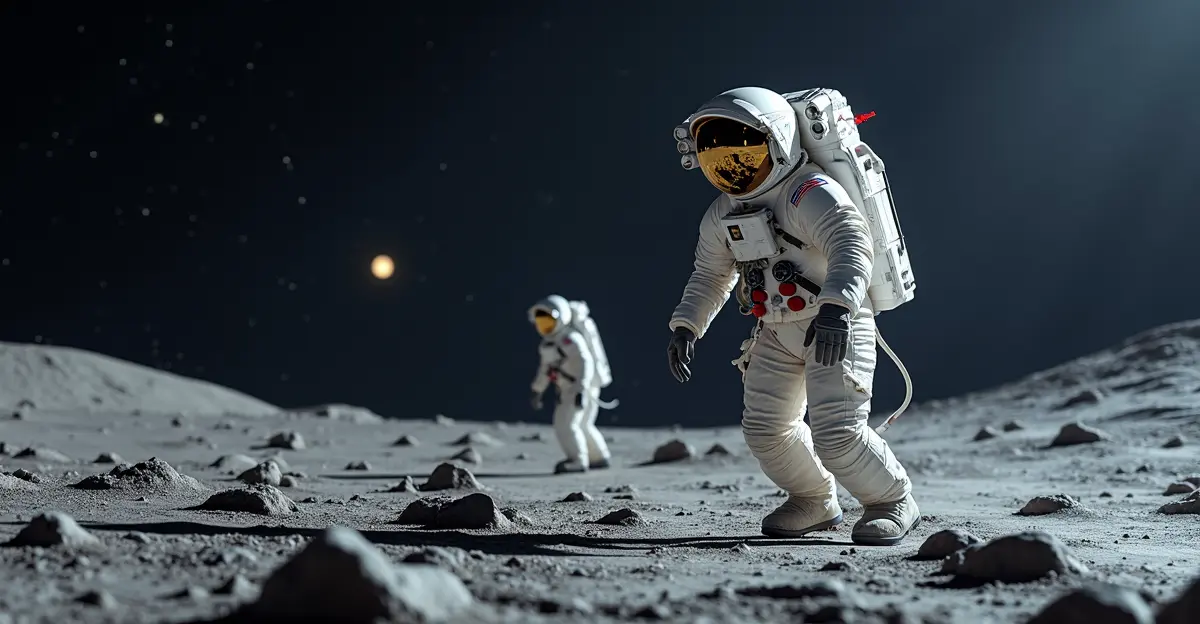
Artemis II represents more than just a return to the moon - it's a stepping stone toward sustainable lunar exploration and eventual Mars missions. The mission breaks several historical barriers:
- First crewed lunar mission since Apollo 17 in 1972
- First woman and first person of color to travel to the moon
- First international crew member (Canadian) on a lunar mission
- Farthest human travel distance from Earth in history
The mission paves the way for Artemis III, scheduled for 2027, which will test a lunar lander in Earth orbit, and Artemis IV, targeted for 2028, which aims to achieve the program's first lunar landing. NASA's long-term vision includes establishing a permanent lunar base in the 2030s as a stepping stone to human missions to Mars, representing a new era in space exploration technology.
How to Watch the Launch
The Artemis II launch is scheduled for April 1, 2026, at 00:24 UTC (April 1, 20:24 EDT) from Kennedy Space Center in Florida. Live coverage will be available on:
- NASA Television and NASA's website
- NASA's YouTube channel
- Major news networks including ABC News
- NOS.nl for Dutch-language coverage
"It's the same launch as the rocket for the Artemis I mission in 2022, only now there are people in it and that makes it different," said Kuipers. "Certainly if there are people in it that you know, then it is more intense."
Frequently Asked Questions
How long is the Artemis II mission?
The Artemis II mission lasts approximately 10 days, covering about 685,000 miles around the moon and back to Earth.
When was the last crewed moon mission?
The last crewed moon mission was Apollo 17 in December 1972 - making Artemis II the first human lunar mission in 54 years.
What are the main risks of the Artemis II mission?
Key risks include heat shield performance during re-entry, radiation exposure in deep space, technical system failures, and the inherent dangers of rocket launches. NASA has implemented multiple safety measures to address these concerns.
How does Artemis II differ from Apollo missions?
Artemis II uses modern technology including the SLS rocket (more powerful than Saturn V), the Orion spacecraft (larger and more advanced than Apollo capsules), and features a more diverse crew. The mission also tests systems for longer-duration spaceflight.
What comes after Artemis II?
Artemis III (2027) will test a lunar lander in Earth orbit, Artemis IV (2028) aims for the first Artemis lunar landing, with plans for annual lunar missions thereafter leading to a permanent lunar base in the 2030s.

Follow Discussion