


 Deutsch
 English
 Español
 Français
 Nederlands
 Português


 Share
Share




Artemis II Moon Mission Guide: NASA's Historic Lunar Return Explained
NASA's Artemis II mission has successfully completed its critical Trans-Lunar Injection burn, propelling the Orion spacecraft and its four-person crew out of Earth orbit and onto a trajectory toward the moon. This historic maneuver marks the first time humans have left Earth orbit for lunar space since the Apollo 17 mission in 1972, representing a monumental step in NASA's ambitious Artemis program goals for sustainable lunar exploration.
What is the Trans-Lunar Injection Burn?
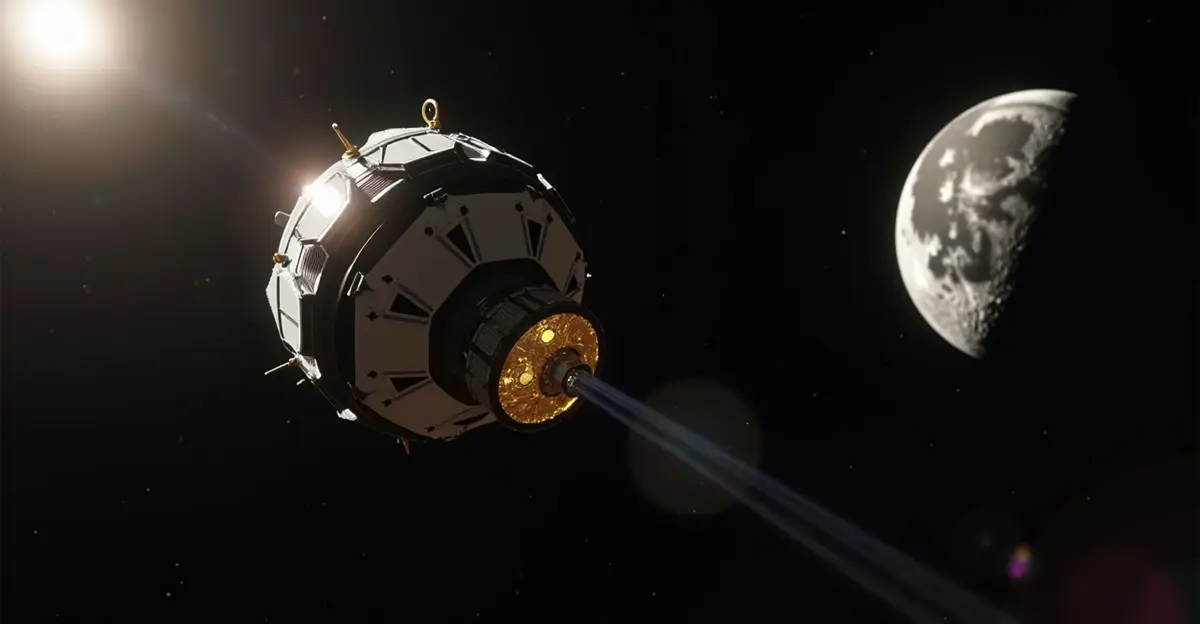
The Trans-Lunar Injection (TLI) burn is a critical engine maneuver that propels spacecraft from Earth orbit onto a trajectory toward the moon. For Artemis II, NASA executed this burn on April 2, 2026, at 7:49 p.m. EDT, with the Orion spacecraft's main engine firing for precisely 5 minutes and 50 seconds. This generated 6,000 pounds of thrust, burning approximately 1,000 pounds of fuel to accelerate Orion to approximately 40,000 kilometers per hour (25,000 mph). The TLI places the spacecraft on a "free-return" trajectory, where lunar gravity will naturally guide Orion around the moon and back toward Earth without requiring additional major engine burns.
Artemis II Mission Timeline and Details
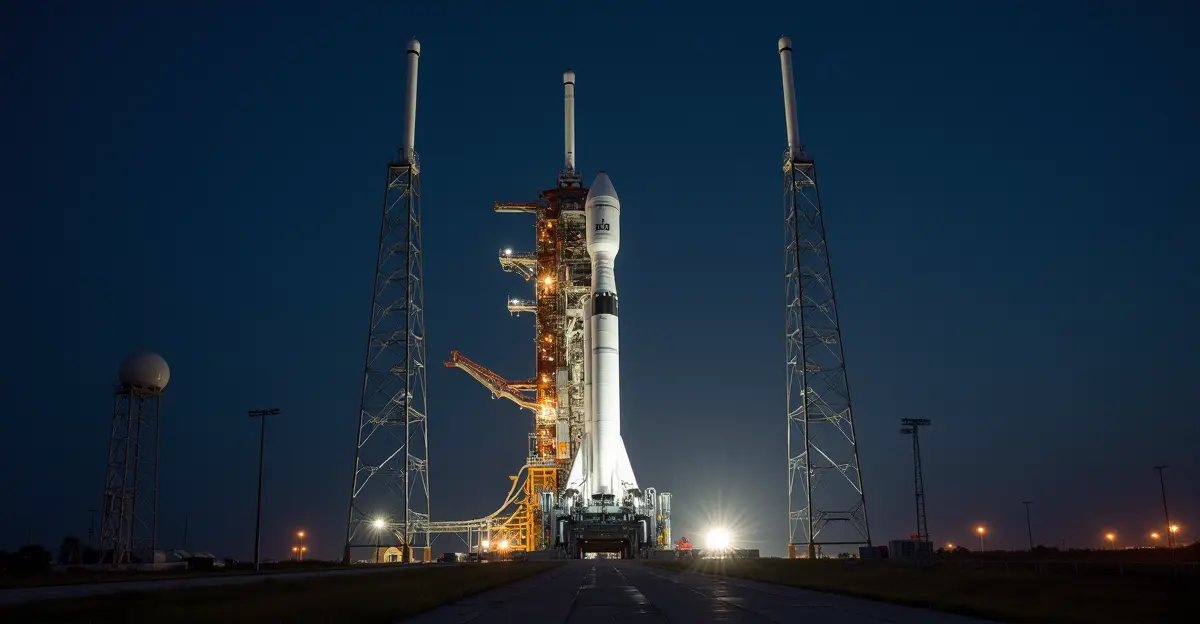
The Artemis II mission represents a 10-day, 685,000-mile journey that launched on April 1, 2026, aboard NASA's powerful Space Launch System rocket. The crew includes NASA astronauts Reid Wiseman (commander), Victor Glover (pilot), Christina Koch (mission specialist), and Canadian Space Agency astronaut Jeremy Hansen (mission specialist).
Key Mission Milestones:
- Day 1-2: Launch and Earth orbit system checks
- Day 2: Trans-Lunar Injection burn (completed April 2)
- Days 3-4: Path corrections and practice maneuvers
- Day 5: Entering moon's gravitational influence
- Day 6: Lunar fly-by, reaching farthest point from Earth
- Days 7-9: Return journey preparation
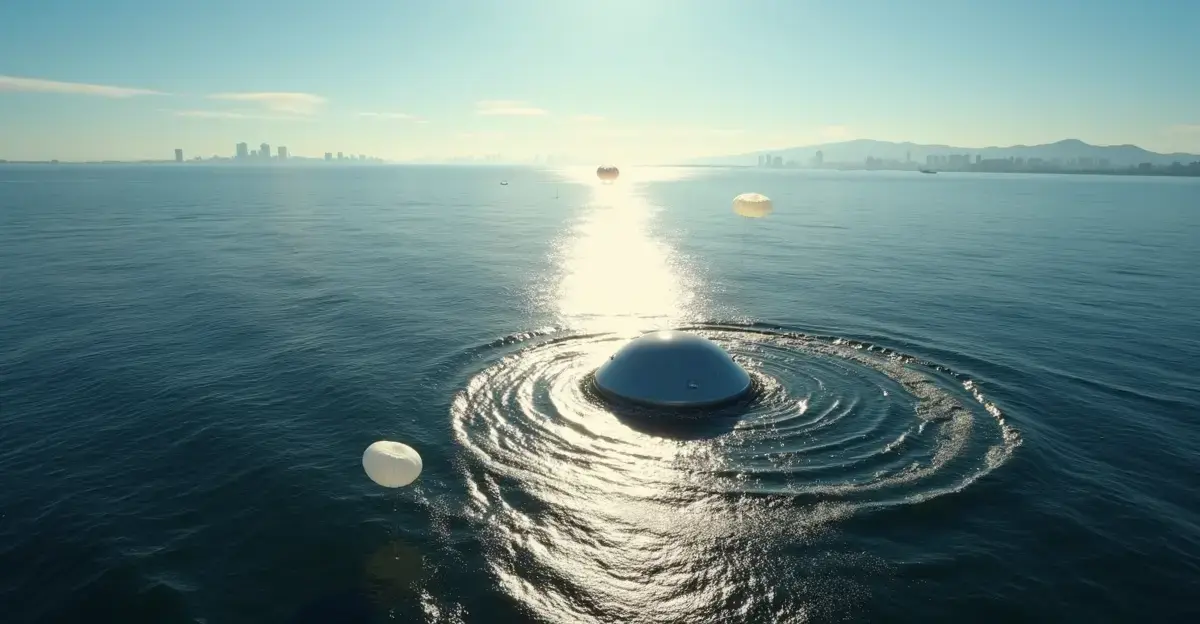
- Day 10: Atmospheric re-entry and Pacific Ocean splashdown
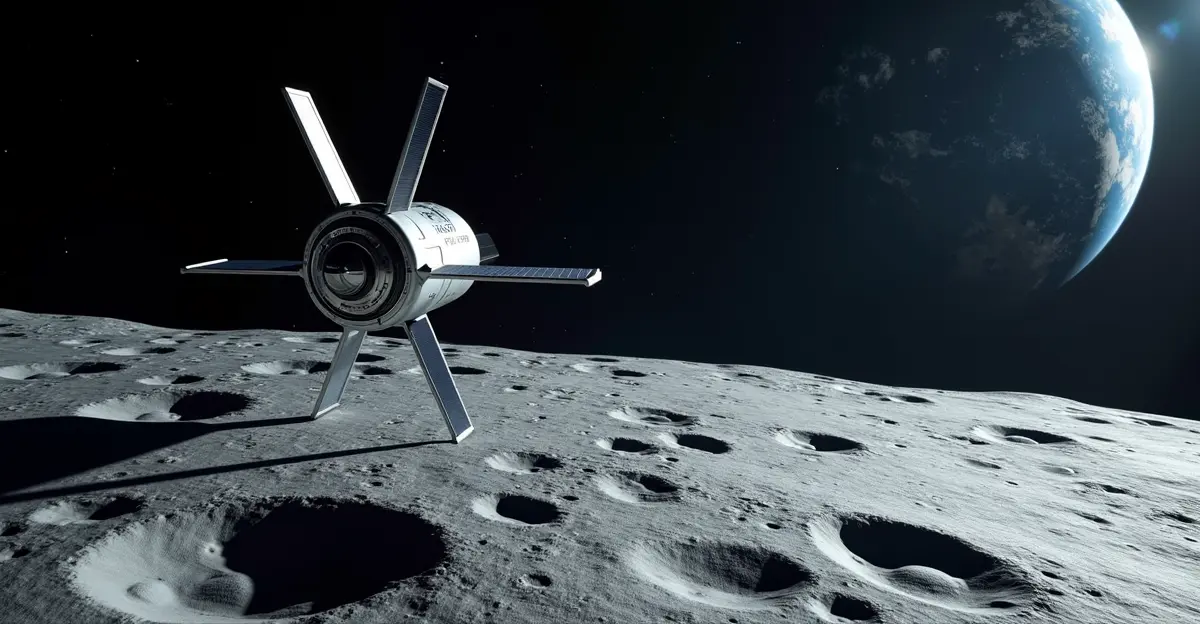
During the lunar fly-by on Day 6, Orion will come within 4,100 miles of the moon's far side, potentially breaking Apollo 13's distance record from Earth. The crew will experience brief radio blackout during this phase as they pass behind the moon.
Crew Activities and Challenges
The Artemis II astronauts have been conducting extensive systems testing during their journey. "We feel pretty good as a crew," reported Canadian astronaut Jeremy Hansen immediately after the successful TLI burn. "Humanity is showing once again what we're capable of."
Commandant Reid Wiseman described the spectacular views from orbit: "There was a moment when the sun set behind Earth and you could see the entire planet. From pole to pole, you could see Africa, Europe, and if you looked closely, even the northern lights. Spectacular. We all stood there as if nailed to the ground."
The crew faced minor technical challenges, including a toilet system malfunction that mission specialist Christina Koch successfully repaired with guidance from Houston's mission control. They also resolved a brief communications issue with the Tracking and Data Relay Satellite system shortly after reaching orbit.
Why Artemis II Matters for Future Exploration
Artemis II serves as a crucial test flight for NASA's lunar exploration architecture, validating systems and procedures for future crewed missions. Unlike the uncrewed Artemis I test flight in 2022, this mission carries astronauts who are testing life support systems, communication protocols, and spacecraft performance under actual deep-space conditions.
The mission paves the way for Artemis III, scheduled for 2027, which will test a lunar lander in Earth orbit, and Artemis IV, targeted for 2028, which aims to land astronauts on the lunar surface. NASA's ultimate goal is establishing sustainable human presence on the moon through the Artemis Base Camp concept, serving as a stepping stone for eventual Mars exploration.
Technical Specifications and Innovations
The Orion spacecraft represents significant advancements over Apollo-era technology. Key features include:
| Feature | Artemis II Orion | Comparison to Apollo |
|---|---|---|
| Crew capacity | 4 astronauts | 3 astronauts (Apollo) |
| Mission duration | Up to 21 days | Up to 12 days (Apollo) |
| Living space | 316 cubic feet | 210 cubic feet (Apollo) |
| Solar array power | 11 kW | Fuel cells (Apollo) |
| Reusability | Capsule reusable | Mostly expendable |
The crew has been testing innovative equipment including a compact flywheel exercise device weighing only 30 pounds but supporting loads up to 400 pounds, addressing strict mass constraints of deep-space missions.
Frequently Asked Questions (FAQ)
What is the purpose of Artemis II?
Artemis II is a crewed test flight that validates Orion spacecraft systems, life support, and operational procedures for future lunar missions, marking NASA's return to crewed deep-space exploration after 54 years.
When will Artemis II reach the moon?
The spacecraft is expected to feel the moon's gravitational pull by Sunday evening (April 5) and perform its lunar fly-by on Monday morning (April 6), coming within 4,100 miles of the lunar surface.
How long is the Artemis II mission?
The mission duration is approximately 10 days, covering 685,000 miles from launch on April 1, 2026, to scheduled splashdown in the Pacific Ocean on April 10.
Will Artemis II land on the moon?
No, Artemis II is a lunar fly-by mission only. The crew will orbit around the moon without landing, testing systems for future landing missions beginning with Artemis IV in 2028.
What comes after Artemis II?
Artemis III (2027) will test a lunar lander in Earth orbit, followed by Artemis IV (2028) aiming for the first crewed lunar landing of the Artemis program, with plans for annual lunar missions thereafter.


Follow Discussion