


 Deutsch
 English
 Español
 Français
 Nederlands
 Português


 Share
Share




What is China's New Ethnic Unity Law?
China's Law on Promoting Ethnic Unity and Progress, enacted on July 1, 2026, codifies the assimilationist policies of CCP General Secretary Xi Jinping under the banner of forging a 'Chinese nation' (Zhonghua minzu). The law mandates Standard Chinese (Putonghua) as the primary language in education, requires Chinese characters to be displayed more prominently than minority scripts, and imposes patriotic education across all levels of society. It also includes extraterritorial provisions (Article 63) that allow China to target overseas diaspora for 'undermining ethnic unity,' raising serious concerns about transnational repression.
The law was passed by the National People's Congress on March 12, 2026, with little public debate. It replaces earlier, more lenient ethnic policies with what analysts call 'Second-Generation Ethnic Policies,' prioritizing national security and social stability over minority cultural preservation. The law has drawn immediate international condemnation from UN officials, human rights groups, and Western governments.
Key Provisions of the Law
Language and Education Mandates
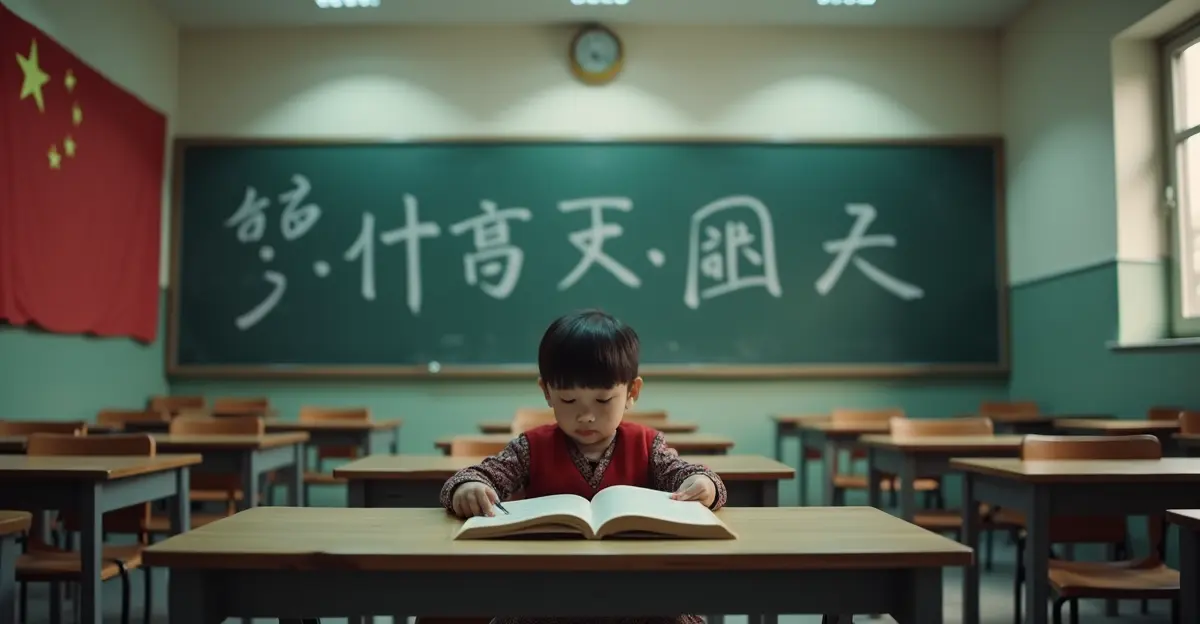
Article 12 of the law requires all schools to use Putonghua as the primary language of instruction, effectively sidelining minority languages such as Tibetan, Uyghur, Mongolian, and Korean. Preschools must also promote Mandarin proficiency. Minority language materials are permitted only as supplementary resources, and Chinese characters must be given visual prominence over minority scripts on signage and official documents.
Patriotic Education and 'Shared Spiritual Home'
Chapter 3 of the law, titled 'Building a Shared Spiritual Home,' mandates patriotic education in schools, media, and public institutions. It requires fostering identification with the CCP, Chinese culture, and socialism, while downplaying ethnic distinctiveness. Religious practices must be 'Sinicized,' a vague term critics say allows arbitrary crackdowns on minority faiths.
Extraterritorial Reach and Transnational Repression
Article 63 is among the most controversial provisions. It holds individuals outside China liable for acts that 'undermine ethnic unity,' effectively extending Chinese law to overseas critics. Human rights experts warn this could be used to silence diaspora activists, journalists, and scholars. The China's transnational repression tactics have already been documented in over 30 countries, and this law provides a legal veneer for such actions.
International Reaction and Human Rights Concerns
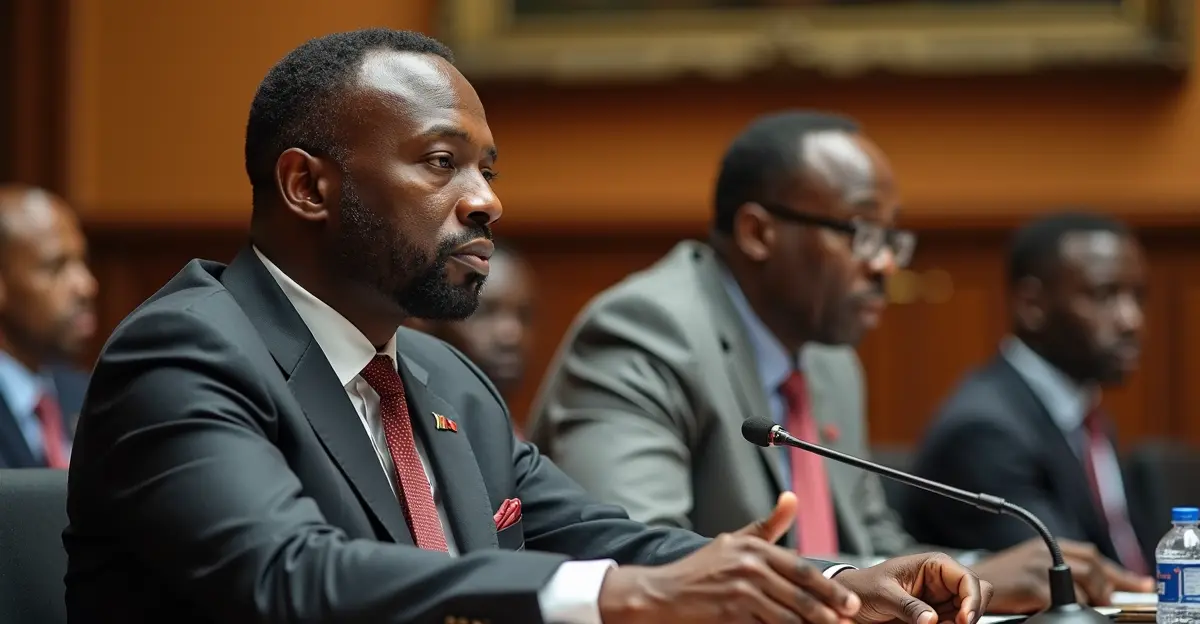
The UN Office of the High Commissioner for Human Rights (OHCHR) issued a statement on July 2 calling the law 'a serious setback for minority rights in China.' UN Special Rapporteur on minority issues, Fernand de Varennes, said the law 'effectively legalizes forced assimilation and cultural erasure.' The European Parliament passed a resolution on July 6 condemning the law and urging EU member states to impose targeted sanctions.
Human rights organizations have documented a spike in repression even before the law took effect. In June 2026, Tibetan activist Tashi Wangdu was detained for livestreaming in Tibetan language. Uyghur scholar Rahile Dawut, already serving a life sentence, had her appeal rejected under the new legal framework. Mongolian advocate Hada remains in enforced disappearance since March 2026.
'This law is not about unity — it is about erasing diversity,' said Maya Wang, Asia director at Human Rights Watch. 'It gives the state sweeping powers to criminalize any expression of minority identity.'
Impact on Xinjiang, Tibet, and Inner Mongolia
In Xinjiang, the law intensifies existing restrictions on Uyghur language and religious practice. The region has already seen mass surveillance, forced labor, and internment camps under the guise of 'counter-terrorism.' The new law legalizes many of these practices on a national scale. In Tibet, the crackdown on Tibetan cultural identity is expected to accelerate, with monasteries facing stricter oversight. Inner Mongolia's Mongolian-language education system faces dismantling, as schools are required to transition to Mandarin-only instruction by 2028.
China's National Human Rights Action Plan (2026–2030), released in April, offers no concrete protections for minority rights. Instead, it emphasizes 'national unity and social stability,' raising fears that the law will be used to justify further crackdowns.
Global Economic and Diplomatic Consequences
The law has strained China's relations with several countries. The United States announced on July 3 it would expand sanctions on Chinese officials involved in minority repression. The UK, Canada, and Australia issued joint condemnations. Meanwhile, China has accused Western nations of 'interfering in internal affairs' and warned of retaliatory measures.
Diplomatic tensions coincide with other global crises. The European heatwave of July 2026 has killed over 10,000 people, while the Strait of Hormuz remains partially closed after the US-Iran conflict. China's new law adds another layer of geopolitical friction at a time of global instability.
Frequently Asked Questions
When did China's Ethnic Unity Law take effect?
The law was enacted on July 1, 2026, after being passed by the National People's Congress on March 12, 2026.
What does the law require regarding language?
It mandates Standard Chinese (Putonghua) as the primary language in education and official settings. Minority languages are allowed only as supplementary, and Chinese characters must be displayed more prominently than minority scripts.
Does the law apply to Chinese citizens abroad?
Yes, Article 63 extends the law extraterritorially, allowing China to prosecute individuals outside its borders for acts deemed to undermine ethnic unity.
What has been the international reaction?
The UN, EU, US, UK, and human rights groups have condemned the law as forced assimilation. The EU has called for sanctions, and the US expanded sanctions on Chinese officials.
How does this law affect Uyghurs and Tibetans?
The law intensifies existing restrictions on language, religion, and cultural expression in Xinjiang and Tibet. It legalizes many practices previously criticized as human rights abuses, such as Mandarin-only education and suppression of religious freedom.



Follow Discussion