


 Deutsch
 English
 Español
 Français
 Nederlands
 Português


 Share
Share




Australia Tightens Landmark Social Media Ban for Children
Australia has announced a dramatic escalation in its enforcement of the world's first social media ban for children under 16, doubling the maximum fine for non-compliant tech companies to 99 million Australian dollars (approximately 60 million euros). The move comes six months after the ban took effect on December 10, 2025, amid mounting evidence that enforcement has been largely ineffective.
The Australian government will also grant the eSafety Commissioner significantly expanded powers to compel platforms such as Instagram, Facebook, YouTube, Snapchat, and TikTok to provide proof of compliance. Investigations have already been opened into these five major platforms for alleged breaches of the under-16 ban.
Why Australia Is Strengthening the Ban
Prime Minister Anthony Albanese stated bluntly that 'big tech are not doing enough to comply with the law.' The government's own data shows that while more than five million accounts held by children under 16 have been removed or restricted since December, the ban has had limited real-world impact. A peer-reviewed study published in the British Medical Journal found that 85 percent of Australian adolescents aged 12 to 15 were still using social media three months after the ban took effect.
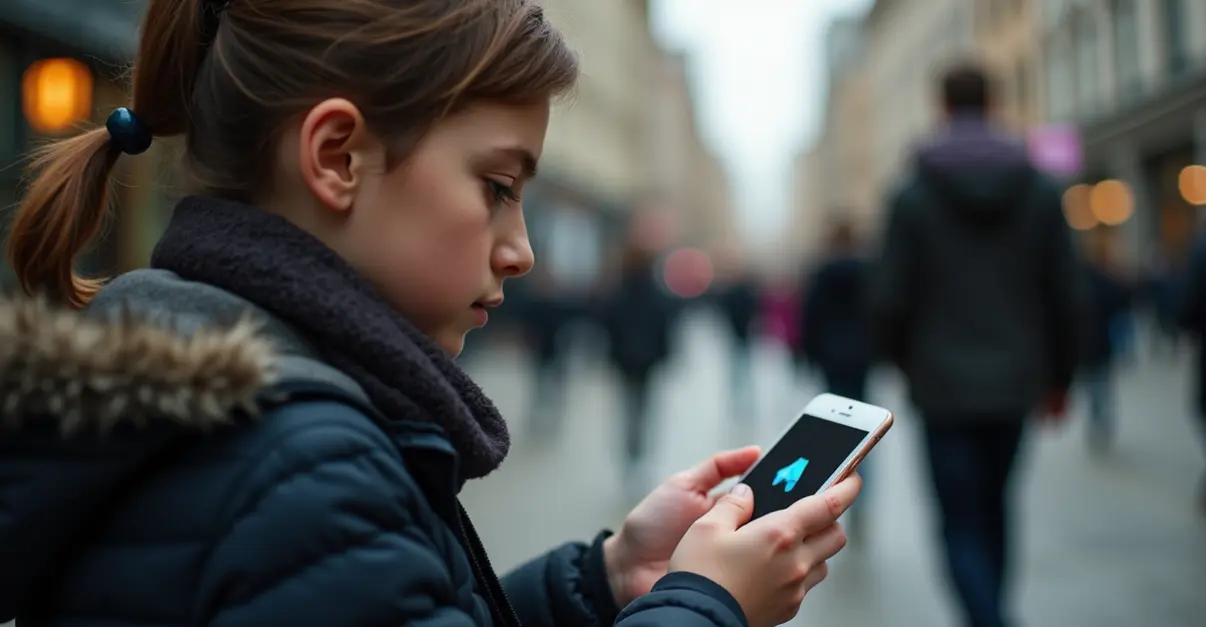
Children have easily circumvented the rules by self-declaring older ages, using parents' accounts, creating fake profiles, or using private browsers. The eSafety Commission reported that seven out of ten children under 16 who previously had accounts still retained some form of access to banned platforms.
Communications Minister Anika Wells accused tech companies of 'doing the bare minimum to get by,' adding that the government expects platforms to take proactive steps rather than simply relying on users to self-report their age. The global push for stricter social media regulation has gained momentum as other nations watch Australia's experiment closely.
How the New Penalties and Powers Work
Doubled Maximum Fine
The maximum penalty for social media companies that fail to take reasonable steps to prevent under-16s from holding accounts has been raised from 49.5 million AUD to 99 million AUD (roughly 68 million USD). This applies to all platforms designated under the Online Safety Amendment (Social Media Minimum Age) Act 2024, including Facebook, Instagram, Reddit, Snapchat, TikTok, X (formerly Twitter), Threads, Twitch, Kick, and YouTube.
Stronger eSafety Commissioner Powers
The eSafety Commissioner, Australia's internet watchdog, will now have the authority to demand evidence from tech companies about the specific measures they have taken to enforce the age restriction. Previously, the regulator had to rely on voluntary disclosures. The commission can also issue formal notices requiring platforms to explain how they verify users' ages and what steps they take to detect and remove underage accounts.
Active Investigations Underway
The eSafety Commission has confirmed it is actively investigating Meta's Instagram and Facebook, Google's YouTube, Snapchat, and TikTok for potential non-compliance. If found in breach, these companies could face the new maximum penalty. The investigations mark the first major enforcement action since the ban came into effect.
Limited Effectiveness After Six Months
Despite the ban being in place for half a year, multiple studies and surveys show that the law has not significantly reduced social media use among Australian children. The British Medical Journal study, which surveyed 408 young people aged 12 to 15, found that 85 percent were still using social media three months after the ban. Most simply lied about their age when prompted by the platforms.
A separate report by the Molly Rose Foundation, a UK-based charity focused on online safety, noted that the ban has had 'insufficient evidence of a sharp reduction in social media use among young people.' The foundation's briefing highlighted substantial circumvention of the rules and called for more robust age-verification technologies.
The Australian government acknowledges the challenges. A spokesperson noted that age verification remains a complex technical and privacy issue. However, the government believes that higher penalties will incentivize tech companies to invest in better enforcement measures. The challenges of age verification technology remain a key hurdle for regulators worldwide.
Global Ripple Effect: Other Countries Follow
Australia's pioneering ban has inspired a wave of similar legislation around the world. The United Kingdom announced in June 2026 that it would introduce a comparable under-16 social media ban by spring 2027, along with potential measures such as overnight curfews and restrictions on infinite scrolling. Canada, Indonesia, and the United Arab Emirates have also tightened their rules regarding children's access to social media.
France, Germany, Greece, Spain, and several other European nations are considering or have already passed similar restrictions. The European Commission has expressed support for coordinated action across member states. Critics argue that such bans are ineffective and infringe on children's rights, while supporters point to growing evidence of social media's harmful effects on adolescent mental health, including increased rates of anxiety, depression, and cyberbullying.
The UK's upcoming social media ban for children is expected to draw heavily on Australia's experience, including its enforcement challenges.
Legal Challenges and Opposition
The ban is not without its detractors. Reddit has launched a legal challenge in Australia's High Court, arguing that the law violates free speech protections. The Digital Freedom Project, a coalition of civil liberties groups, has also filed a challenge. Critics contend that the ban is overly broad, difficult to enforce, and may drive children to less regulated online spaces.
Tech companies have pushed back, arguing that age verification poses significant privacy risks and that the responsibility should be shared with parents and schools. Meta has stated that it has invested heavily in age verification technology and has removed millions of underage accounts, but that no system is foolproof.
FAQ: Australia's Social Media Ban for Children
What is the Australian social media ban for children?
The Online Safety Amendment (Social Media Minimum Age) Act 2024 bans children under 16 from holding accounts on designated social media platforms. It took effect on December 10, 2025, and applies to 10 major platforms including Facebook, Instagram, TikTok, Snapchat, YouTube, and X.
What is the new fine for non-compliance?
The maximum penalty has been doubled from 49.5 million AUD to 99 million AUD (approximately 60 million euros or 68 million USD) for tech companies that fail to take reasonable steps to prevent under-16s from accessing their platforms.
Has the ban been effective so far?
Studies indicate limited effectiveness. A British Medical Journal study found that 85% of Australian 12- to 15-year-olds were still using social media three months after the ban. The eSafety Commission reports that 7 out of 10 children who previously had accounts still retain some access.
Which countries are following Australia's lead?
The United Kingdom, Canada, Indonesia, France, Germany, Greece, Spain, and several other nations have announced or implemented similar bans. The UK plans to introduce its own under-16 social media ban by spring 2027.
What powers does the eSafety Commissioner now have?
The eSafety Commissioner can compel tech companies to provide evidence of compliance, demand details of age-verification measures, and investigate platforms for potential breaches. The commission has opened investigations into Meta, Google, Snapchat, and TikTok.
Sources
Information for this article was sourced from BBC News, CNBC, Reuters, The New York Times, Al Jazeera, the British Medical Journal, and the Molly Rose Foundation research briefing. For further details, refer to the original reports linked in the text.
Follow Discussion