


 Deutsch
 English
 Español
 Français
 Nederlands
 Português


 Share
Share




Australia Expands Social Media Ban to Include YouTube
The Australian government will extend its social media restrictions to YouTube for users under 16. While children can still access the platform, they'll be prohibited from creating accounts needed for uploading content or commenting. This follows November's landmark legislation that banned under-16s from Facebook, Instagram, Snapchat, TikTok, and X.
Research-Driven Policy Shift
Minister Wells cited recent studies showing 37% of Australian children encountered harmful content on YouTube. The government attributes social media use to causing social isolation, sleep deprivation, physical and mental health deterioration, reduced life satisfaction, and exposure to inappropriate material like pornography and violence.
Platform Resistance and Enforcement
YouTube contests its classification as social media, stating: "YouTube is a high-quality video-sharing platform increasingly consumed on televisions." The company seeks government discussions and considers legal action. Minister Wells remains undeterred: "We won't be intimidated by legal threats when protecting Australian children."
The YouTube account ban takes effect December 10, with non-compliant platforms facing fines up to €28 million. Implementation specifics remain undefined.
Global Regulatory Landscape
Australia's approach influences worldwide policy debates. Norway considers banning social media for under-15s, while France and Denmark advocate for EU-wide regulations. The UK continues evaluating restrictions. Currently, Dutch children under 16 require parental consent for accounts.
Expert Concerns
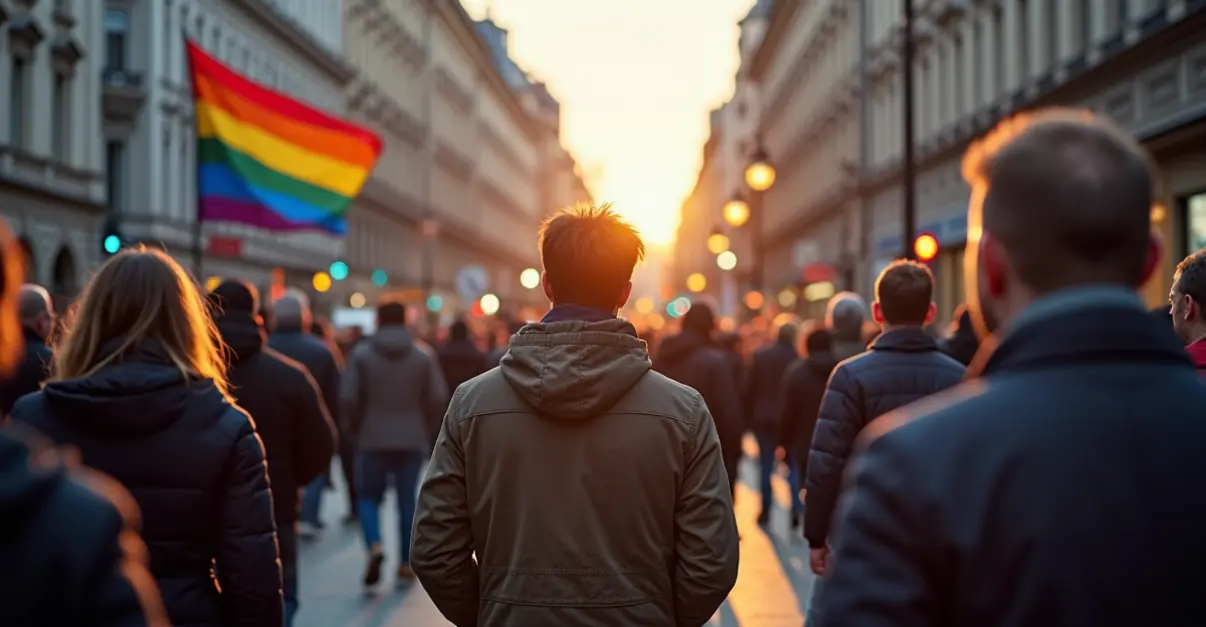
Despite public support, experts question YouTube's inclusion. They highlight its educational value and role in providing community for minority groups, particularly LGBTQ+ youth who report finding acceptance primarily on the platform. Enforcement uncertainties raise privacy concerns, as platforms may require biometric verification like facial recognition.




Follow Discussion