


 Deutsch
 English
 Español
 Français
 Nederlands
 Português


 Share
Share




Australia's Groundbreaking Social Media Ban Takes Effect
Starting December 10, 2025, Australia has implemented a world-first social media ban prohibiting children under 16 from accessing major platforms including Facebook, Instagram, TikTok, Snapchat, YouTube, Twitch, X, Reddit, Threads, and Kick. The controversial legislation affects approximately one million young Australians and represents one of the most ambitious attempts by any government to regulate youth online behavior.
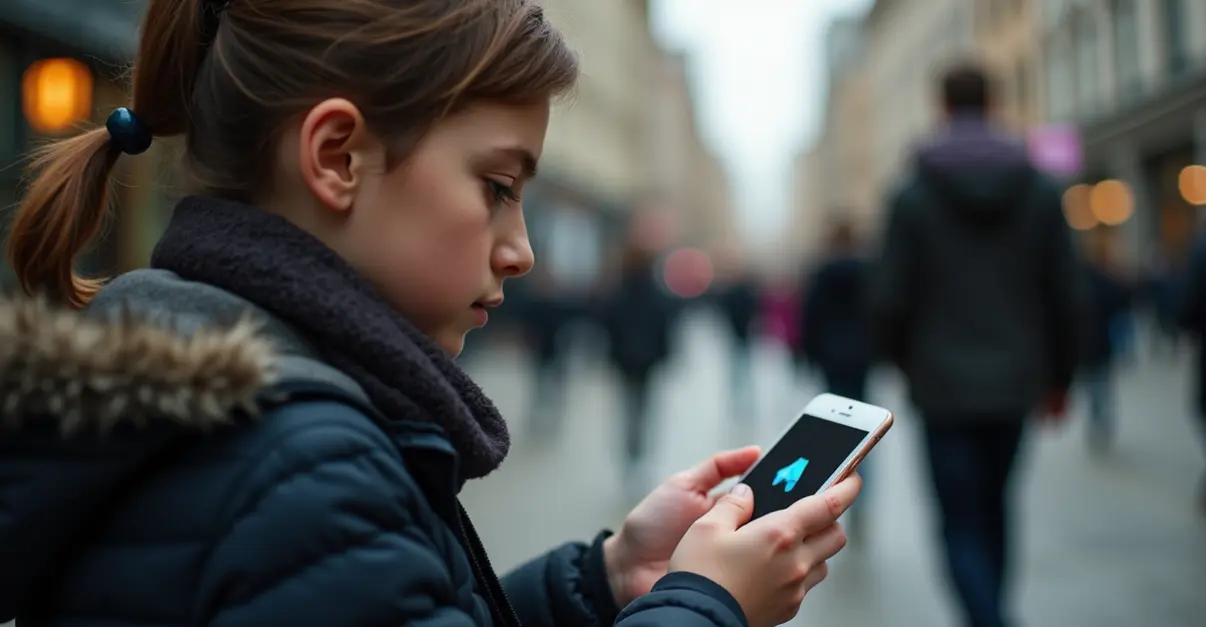
'What am I going to do without Instagram?' asks 15-year-old Tom Knight, whose question echoes through Australian households as the ban takes effect. Knight and his friend Toby Price, both 15, express frustration about losing access to their digital social lives. 'It's so annoying. I just want to watch TikTok and play games,' says Price, who anticipates significant lifestyle changes. 'I'll probably have a lot more free time, but I have no idea what I'll do with it.'
Age Verification and Enforcement Challenges
The responsibility for enforcing the age restriction falls squarely on social media companies, who must demonstrate they're taking 'reasonable steps' to prevent under-16s from accessing their platforms. Companies face potential fines up to $49.5 million for non-compliance, though parents and children themselves won't be penalized for violations.
Meta has already begun removing accounts of young users, with over 500,000 accounts blocked in preparation for the ban. Age verification methods include requesting identification documents, bank details, and facial scans, along with algorithmic analysis of user behavior to estimate age.
Minister for Communications Michelle Rowland acknowledges the limitations, stating, 'Parents in Australia have asked the government to do something. They know, and we know, that it won't be perfect. But for the seven out of ten children who experience online abuse, and for the generation that deserves the best start in life, we have to try this.'
Legal Challenges and Workarounds
The Digital Freedom Project has filed a High Court challenge on behalf of two 15-year-olds, arguing the ban infringes on children's rights. The case is scheduled for hearing next year.
Meanwhile, teenagers are already exploring workarounds. 'Everyone is going to try to get around it,' says 14-year-old Connie Rawson, who uses social media to stay connected with distant friends. Methods include using VPNs to appear in countries without the ban, asking parents or older friends to complete facial scans, and even using masks to fool facial recognition technology.
Rawson captures the rebellious spirit: 'There are no consequences for children if you're on it anyway. And it's also a kind of challenge. Precisely because it's forbidden, you want to be on it.'
International Attention and Future Implications
The Australian experiment is being closely watched worldwide. European Commission President Ursula von der Leyen has praised Australia's 'bold' approach, calling it 'plain common sense.' Several countries including Denmark, Greece, Romania, France, New Zealand, and Malaysia are considering similar policies.
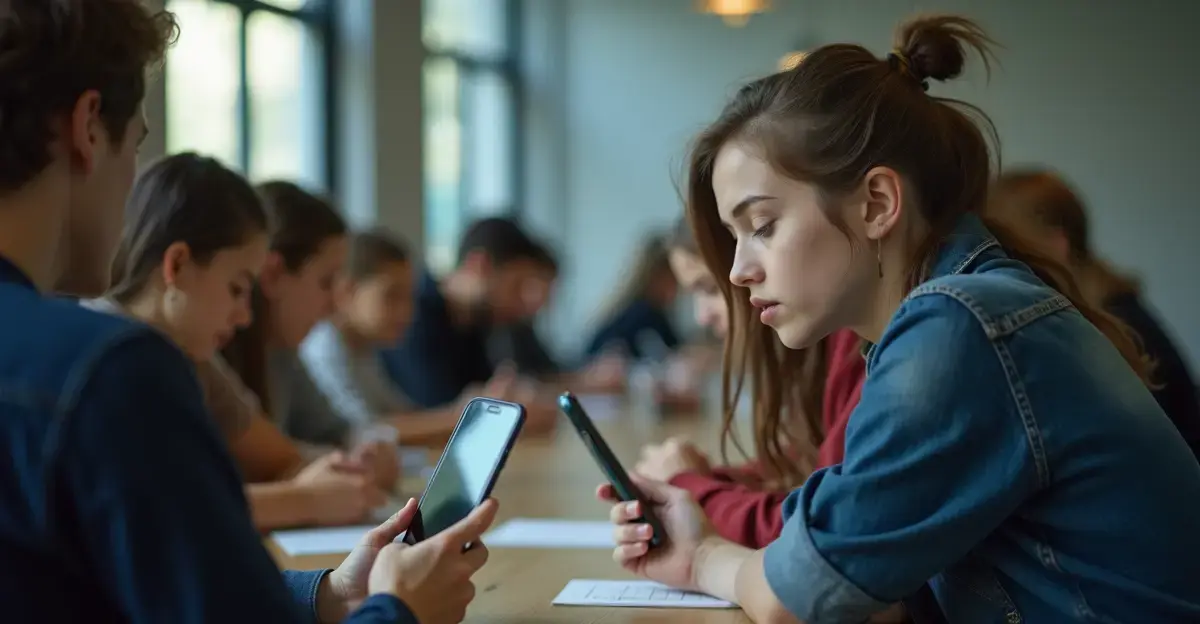
At Marrickville High School in Sydney, students are preparing for a summer without social media. Fifteen-year-old Mika Bakota reflects the mixed feelings: 'I have to ask for phone numbers from my friends because we won't be able to chat via social media anymore.' He adds, 'I think I won't be too bothered by the ban. I'll just see it as a detox.'
Minister Rowland expects a challenging transition: 'Children will experience withdrawal symptoms. Teens will be angry and do their best to keep their accounts. But I believe the long-term benefits outweigh the short-term inconvenience.'
The success of Australia's social media ban will depend on technological enforcement, legal outcomes, and whether the promised mental health benefits materialize. As the world watches, this Australian experiment may reshape how nations approach youth digital protection globally.

Follow Discussion