Nederlands
 English
 Deutsch
 Français
 Español
 Português





Meta Begins Massive Account Blocking Ahead of Australia's World-First Social Media Ban
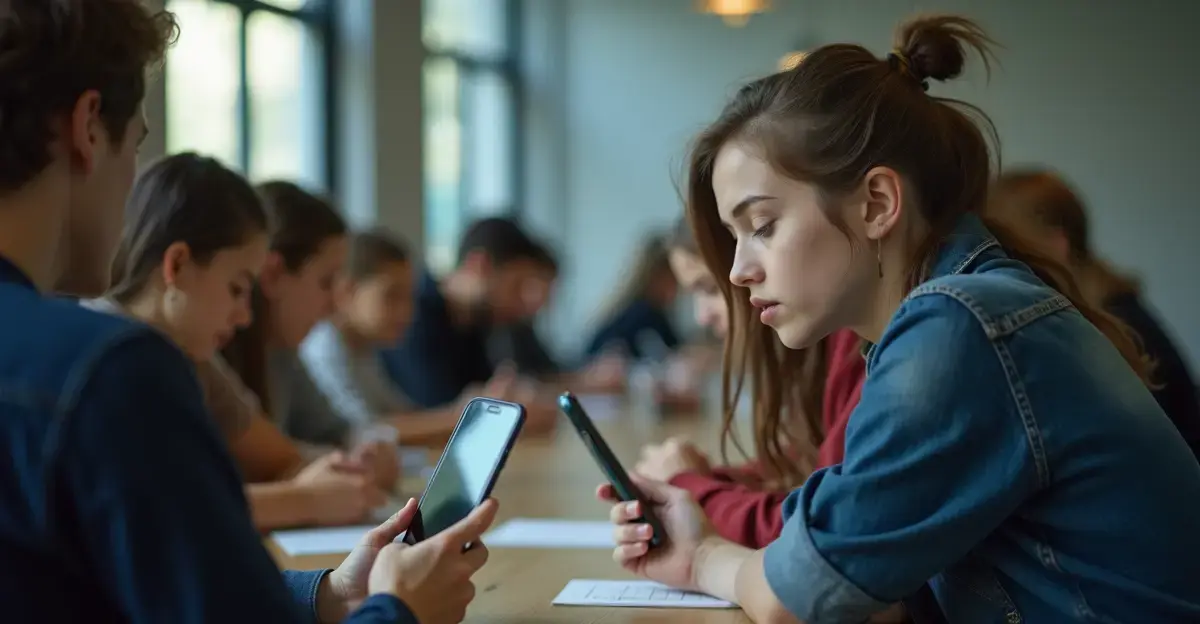
In an unprecedented move that's being watched globally, Meta has started blocking approximately 500,000 accounts belonging to Australian teenagers and children under 16 across its Facebook and Instagram platforms. The tech giant is taking proactive steps ahead of Australia's groundbreaking social media ban that officially takes effect on December 10, 2025, making Australia the first democracy to implement such sweeping restrictions on youth social media access.
The Scale of the Blocking Operation
The massive account removal affects around 150,000 Facebook users and 350,000 Instagram accounts belonging to Australian youth aged 13-15. Meta has notified affected users and is giving them the opportunity to download their photos, videos, and messages before their accounts are permanently disabled. 'We are committed to blocking all accounts of users we believe are under 16 by December 10 at the latest, but compliance with the law is a process,' a Meta spokesperson stated, acknowledging there's a margin of error in their age verification systems.
The Australian government's legislation targets 10 major platforms including Facebook, Instagram, TikTok, Snapchat, YouTube, Twitch, X, Reddit, Threads, and Kick. While WhatsApp, Messenger, and Roblox are currently exempt, they may face similar restrictions in the future. Companies that fail to take 'reasonable steps' to prevent underage users from accessing their platforms face staggering fines of up to AU$49.5 million (approximately €28 million or $32 million USD).
Age Verification Methods and Their Vulnerabilities
Social media companies are implementing various age verification techniques to comply with the new law. Meta and Snapchat are using a combination of bank records, government identification, and facial scanning technology. They're also deploying sophisticated algorithms to analyze user behavior patterns to estimate ages.
However, research from the University of Melbourne has revealed significant vulnerabilities in these systems. A study found that cheap disguises like $22 'old man' masks, Guy Fawkes masks, and party costumes could fool leading facial age estimation technologies. 'Every tool could be bypassed with repeated attempts using basic disguises,' researchers noted, raising questions about the effectiveness of the enforcement mechanisms.
Australian Communications Minister Anika Wells defended the legislation, stating: 'With this law, we can protect Generation Alpha from the predatory algorithms that have been described as being as addictive as cocaine.' She delivered these remarks in a recent address to the National Press Club, emphasizing the government's commitment to youth mental health protection.
The Global Ripple Effect
Australia's bold move is creating waves internationally. Denmark has already announced similar restrictions for users under 15, set to take effect next year, while the European Union is actively considering comparable measures. In the United States, social media companies face mounting lawsuits over alleged harm caused to young users.
'Australia predicts its social media restrictions will become a global model,' according to Reuters reporting. The Australian government believes other nations will follow their regulatory lead as concerns about youth mental health and online safety reach critical levels worldwide.
Teens Finding Workarounds
Despite the sweeping restrictions, many tech-savvy teenagers are already finding ways to circumvent the ban. Virtual Private Networks (VPNs) that mask users' locations are becoming increasingly popular, allowing teens to appear as if they're accessing social media from countries without such restrictions. Some are asking older friends or family members to complete facial scans on their behalf, while others are experimenting with creative methods to fool age verification systems.
The ABC investigation revealed that even pointing cameras at video game characters or using AI-altered identification documents can bypass age checks. These workarounds highlight the ongoing cat-and-mouse game between regulators and determined young users.
Industry Response and Implementation Challenges
While social media companies have expressed disagreement with the ban, they've committed to compliance. YouTube has been particularly vocal in its criticism, calling the legislation 'rushed regulation' that 'misunderstands our platform.' The video giant has complied but warned that removing safety filters might actually make teens less safe by pushing them to unregulated corners of the internet.
Meta, despite its compliance, has argued that app stores should handle age verification rather than individual platforms. The company's proactive blocking demonstrates its willingness to work within the new regulatory framework while continuing to advocate for what it considers more practical solutions.
An independent academic panel will evaluate the ban's impacts on children's wellbeing and social interactions over the coming months. This evaluation will be crucial as other countries consider implementing similar measures based on Australia's pioneering experiment in digital youth protection.