Nederlands
 English
 Deutsch
 Français
 Español
 Português





Historic Digital Protection Law Takes Effect
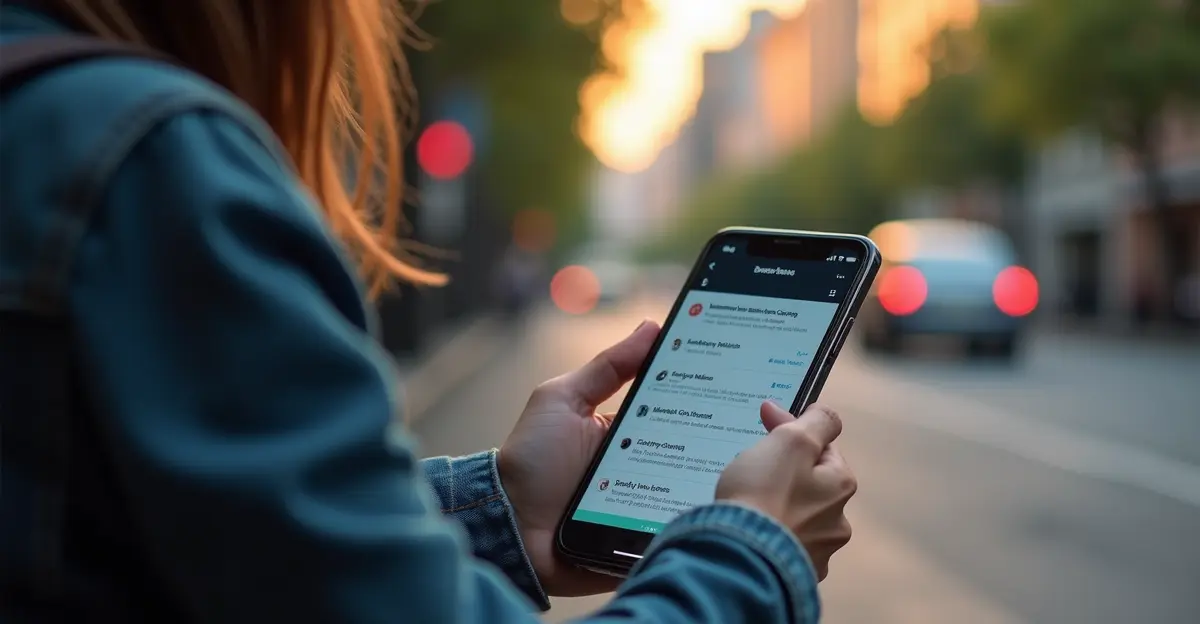
Australia has become the first country in the world to implement a comprehensive social media ban for children under 16, with the landmark legislation taking effect on December 10, 2025. The unprecedented move requires ten major social media platforms to block access to users under 16 or face staggering fines of up to A$49.5 million (approximately $33 million USD).
The affected platforms include Facebook, Instagram, TikTok, YouTube, Snapchat, X (formerly Twitter), Threads, Reddit, Kick, and Twitch. Meta, which owns Facebook, Instagram, and Threads, began preemptively blocking accounts last week, with the company reporting it has already removed approximately 500,000 accounts belonging to Australian teenagers.
Government's Rationale and Implementation
Prime Minister Anthony Albanese has been vocal about the government's position, stating in November 2024: 'Too often, social media isn't social at all. In reality, it's harming our children. That has to stop.' The Australian government cites concerns about social isolation, poor sleep patterns, and mental health impacts as primary motivations for the ban.
Communications Minister Anika Wells has defended the legislation, pointing to research linking harmful algorithm-driven content to teen suicides. 'We're taking a stand against platforms that have shown they cannot adequately protect our children,' Wells stated in recent parliamentary discussions.
The enforcement mechanism places responsibility squarely on tech companies rather than individual users. Platforms must implement age verification systems using government ID verification or facial recognition technology rather than relying on self-declared ages. According to France 24 reporting, 86% of Australian children aged 8-15 were using social media prior to the ban.
Global Ripple Effects
Australia's bold move is being closely watched by governments worldwide. Several countries are already considering or implementing similar measures:
- Denmark plans to ban social media for children under 15 with parental exemptions for ages 13-14
- France requires parental consent for minors under 15
- Malaysia will implement a similar ban for users under 16 starting next year
- Norway proposes raising the consent age to 15
- The European Parliament has called for a minimum age of 16 on social media
As noted in U.S. News analysis, this represents a significant shift in global digital regulation, with child protection moving from parental responsibility to public policy.
Criticisms and Challenges
Despite widespread public support (77% of Australians according to recent polls), the ban faces significant criticism from multiple fronts. Digital rights advocates argue it infringes on free speech, while technical experts question the feasibility of accurate age verification.
The Digital Freedom Project has launched a legal challenge against the legislation, calling it 'an assault on fundamental digital rights.' Meanwhile, some platforms have expressed concerns about implementation. YouTube has argued that removing safety filters from teen accounts could actually make them less safe, while X has objected to what it calls government overreach.
University of Sydney experts, quoted in university analysis, warn that the ban may push youth activity underground to less regulated platforms. Smaller platforms like Yope, Lemon8, and RedNote remain exempt from the initial ban, creating potential loopholes.
Mental Health Context
The ban comes amid growing global concern about social media's impact on youth mental health. Research published in The Lancet Digital Health suggests that while social media can contribute to mental health issues, the evidence remains inconclusive about causality. Some experts advocate for harm minimization approaches rather than outright bans.
In the Netherlands, a group of 1,400 doctors, scientists, and experts called in May 2025 for age restrictions on smartphones and social media, recommending children shouldn't get smartphones until age 14 and should be kept off social media until 16.
Looking Forward
As Australia navigates this uncharted territory, the world watches to see whether this pioneering approach will become a model for other nations or serve as a cautionary tale. Prime Minister Albanese acknowledges the ban won't be perfect but believes it represents the right societal decision.
'We know this won't solve every problem, but we believe it's an important step toward protecting our children's wellbeing in the digital age,' Albanese stated as the ban took effect. The coming months will reveal how effectively the ban can be enforced and what impact it will have on Australian youth culture and digital literacy.