Deutsch
 English
 Español
 Français
 Nederlands
 Português






The Complex Case That Divided a Nation
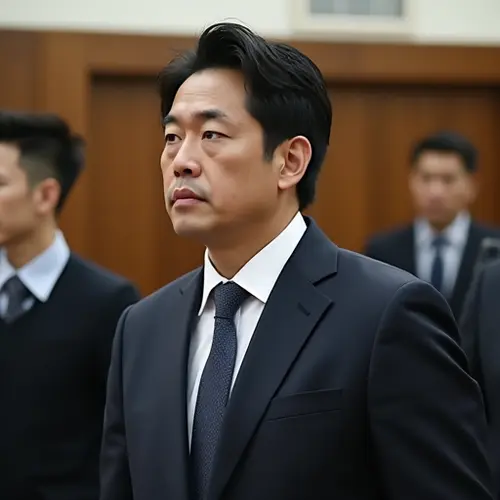
As a Japanese court prepares to deliver its verdict in the trial of Tetsuya Yamagami, the man who assassinated former Prime Minister Shinzo Abe in July 2022, Japan finds itself grappling with an unexpected phenomenon: widespread public sympathy for the killer. While the prosecution demands life imprisonment for what it calls a 'dangerous, cowardly and exceptionally serious' crime, thousands of Japanese citizens have sent letters of support, gifts, and even signed petitions calling for leniency.
A Personal Vendetta Against a Religious Organization
Yamagami's motive, as revealed during the trial, wasn't political ideology but personal grievance against the Unification Church, officially known as the Family Federation for World Peace and Unification. His mother had donated over 100 million yen (approximately €540,000) to the church, leading to family bankruptcy and his brother's suicide. 'I felt despair and urgency because someone like Abe gave recognition to this church,' Yamagami testified, explaining why he targeted Japan's longest-serving postwar prime minister.
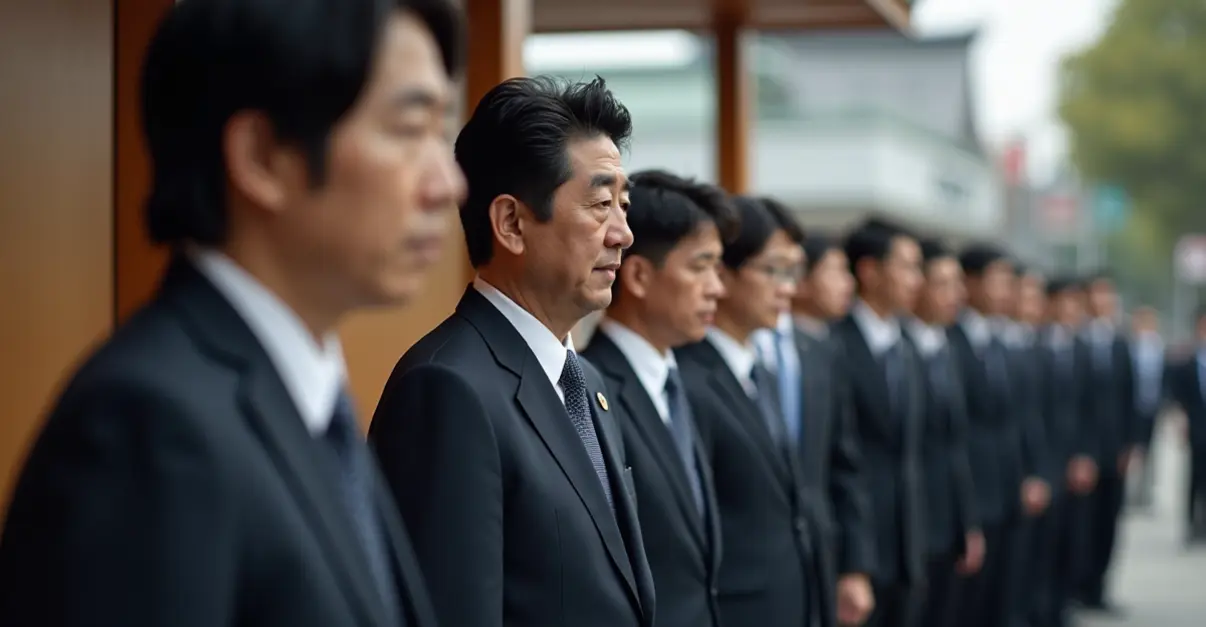
The connection between Abe and the controversial religious movement proved crucial. In 2021, Abe sent a video message expressing respect to church leader Hak Ja Han Moon, which Yamagami saw as legitimizing the organization that had destroyed his family. Historical records show that Abe's family had longstanding ties to the Unification Church, with his grandfather Nobusuke Kishi having worked closely with church-affiliated figures during Japan's postwar reconstruction.
The Rise of 'Religious Second Generation' Victims
Yamagami has become a symbol for what Japanese media calls shūkyō nisei - children forced to grow up within religious sects. Following the assassination, numerous such individuals have come forward with their own stories of financial exploitation and family destruction. 'Many people experience hardship without resorting to murder,' prosecutors argued, but for many Japanese, Yamagami represents a victim of systemic religious abuse rather than a cold-blooded killer.
The case has exposed deep-seated issues in Japanese society regarding religious organizations and their political connections. Investigations revealed that 179 of 379 lawmakers had connections to the Unification Church, with the organization providing election support to ruling Liberal Democratic Party (LDP) candidates for decades.
Political Fallout and Legal Reforms
The assassination triggered significant political consequences. Multiple cabinet ministers resigned after their ties to the church were exposed, and in March 2025, the Tokyo District Court ordered the dissolution of the Unification Church for systematic exploitation of followers through coercive donation practices. The government also introduced stricter legislation against forced donations and manipulative fundraising tactics.
Despite these measures, many Japanese remain skeptical about political accountability. The revelation that current Prime Minister Sanae Takaichi's name appeared in leaked documents about close contacts between the LDP leadership and the church has kept the controversy alive. 'The political establishment protected this church for years despite widespread concerns about its practices,' noted political analyst Kenji Tanaka.
A Nation's Moral Dilemma
As the court prepares its verdict, Japan faces an uncomfortable tension between condemning political violence and understanding the circumstances that drove Yamagami to his desperate act. The case has forced a national conversation about religious freedom, political accountability, and the limits of individual responsibility.
Regardless of the legal outcome, the Yamagami case has already transformed Japanese politics and society. It has exposed the shadowy relationships between religious organizations and political power, prompted legal reforms, and given voice to thousands of previously silent victims of religious exploitation. The verdict, expected this week, will close one chapter but likely open many more in Japan's ongoing reckoning with the complex legacy of Shinzo Abe's assassination.