


 Deutsch
 English
 Español
 Français
 Nederlands
 Português


 Share
Share




What is the Strait of Hormuz?
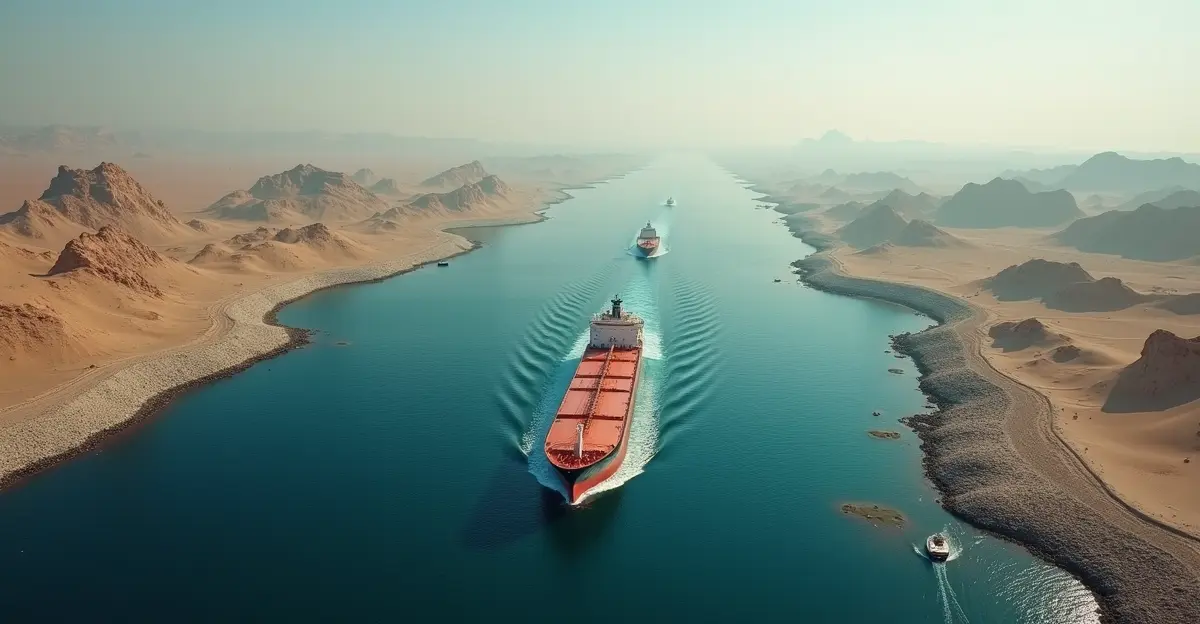
The Strait of Hormuz is a narrow waterway between the Persian Gulf and the Gulf of Oman that serves as the world's most critical oil transit chokepoint. Approximately 20-30% of global oil passes through this strategic passage, making it essential for global energy security. The strait is only 21 miles wide at its narrowest point with shipping lanes just 2 miles wide each way. Iran controls the northern side while Oman controls the southern side, creating ongoing geopolitical tensions that have now escalated dramatically in 2026.
Breaking: Iran Closes Strait Again After Brief Reopening
In a dramatic reversal, Iran has closed the Strait of Hormuz again for commercial shipping, less than 24 hours after announcing its reopening. The Iranian National Guard declared that the waterway has 'returned to its previous state' and is under strict military control. This decision comes in direct response to the continued U.S. naval blockade of Iranian ports, which Tehran calls 'acts of piracy and maritime theft.'
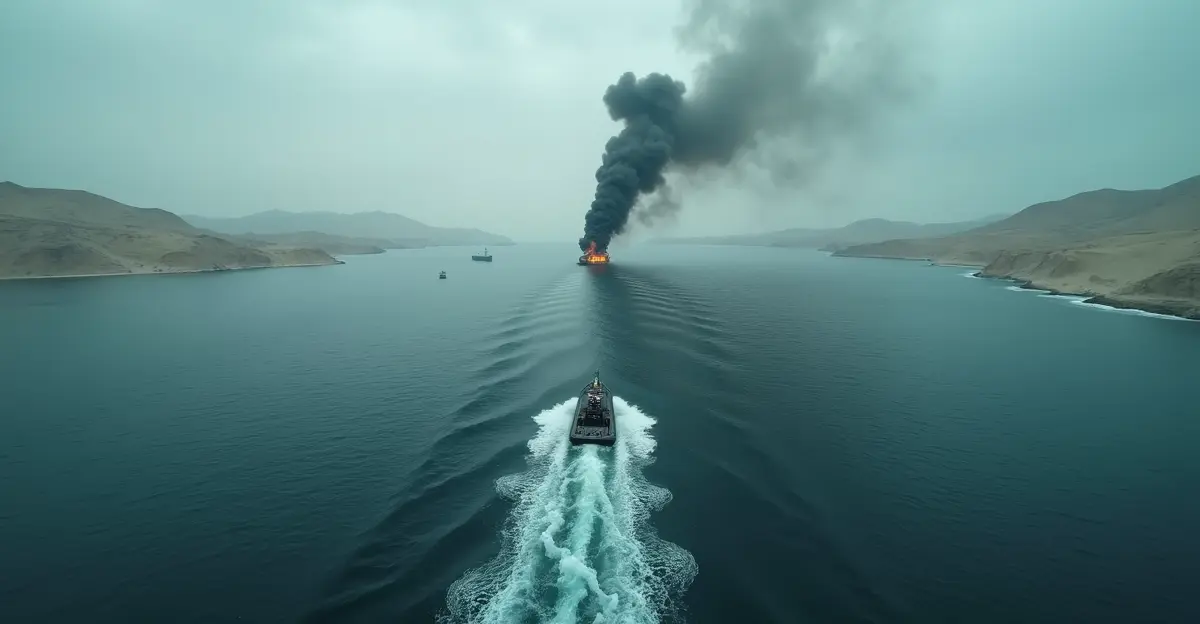
The situation has created chaos along one of the world's most vital shipping routes. According to Bloomberg reports, ships have been notified via radio communications that no vessels are permitted to pass through the strait. More alarmingly, at least two ships have reported being fired upon, with one supertanker confirming shots were fired at their vessel by Iranian forces.
Why Did Iran Reopen and Then Close Again?
On Friday, Iran announced the reopening of the Strait of Hormuz as a 'gesture of goodwill,' allowing a convoy of eight tankers to pass through. The Iranian high command emphasized that Iran maintains complete control over the strategic sea passage. However, this reopening was short-lived.
The closure reversal came after Iran determined that the U.S. blockade of Iranian ports continues unabated. Iran's Revolutionary Guard Corps stated the strait will remain tightly controlled until the U.S. restores full freedom of navigation for Iranian vessels. This tit-for-tat escalation mirrors previous Middle East maritime conflicts where control of strategic waterways becomes a bargaining chip in broader geopolitical disputes.
Economic Impact: Global Oil Markets at Risk
The closure of the Strait of Hormuz represents a major geopolitical oil supply disruption, removing approximately 20% of global oil supplies from the market. According to Federal Reserve Bank of Dallas research, such a closure would raise West Texas Intermediate oil prices to $98 per barrel and reduce global real GDP growth by 2.9 percentage points annually in the second quarter of 2026.
Key economic impacts include:
- Oil prices potentially spiking to $132 per barrel with prolonged closures
- Asian economies most affected, receiving about 80% of Persian Gulf oil exports
- Global shipping costs and insurance premiums skyrocketing
- Supply chain disruptions affecting multiple industries worldwide
The U.S. blockade of Iranian ports alone is estimated to cost Iran approximately $435 million daily, as more than 90% of Iran's $109.7 billion annual seaborne trade transits through the Strait of Hormuz. This economic pressure has created a high-stakes standoff with global implications.
Shipping Chaos: Hundreds of Vessels Stranded
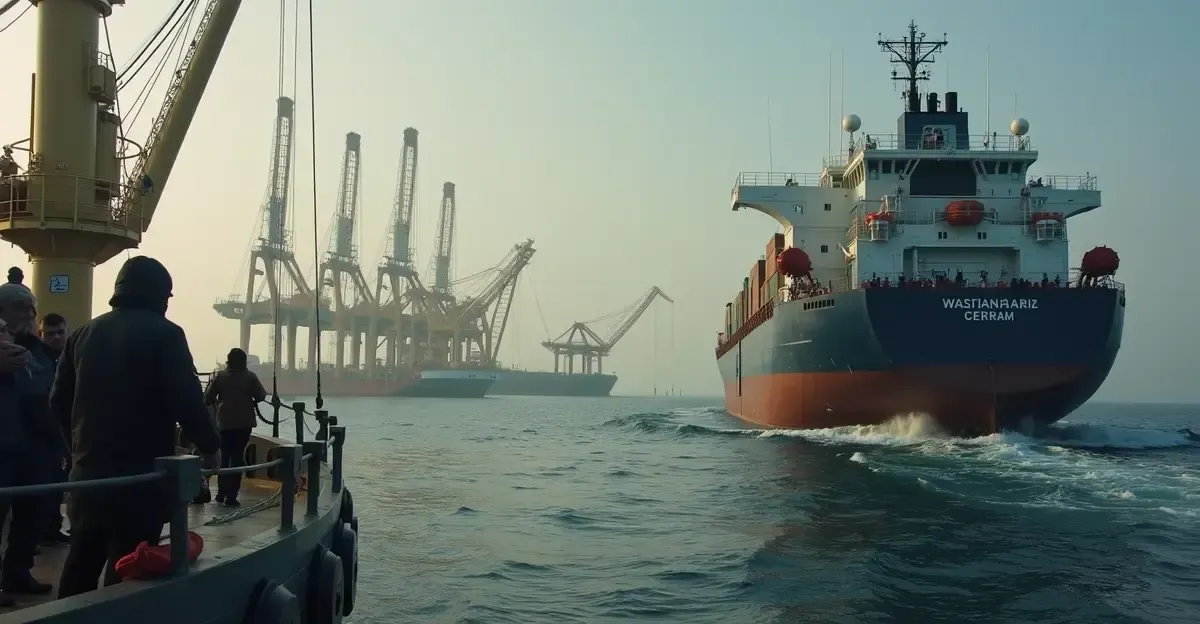
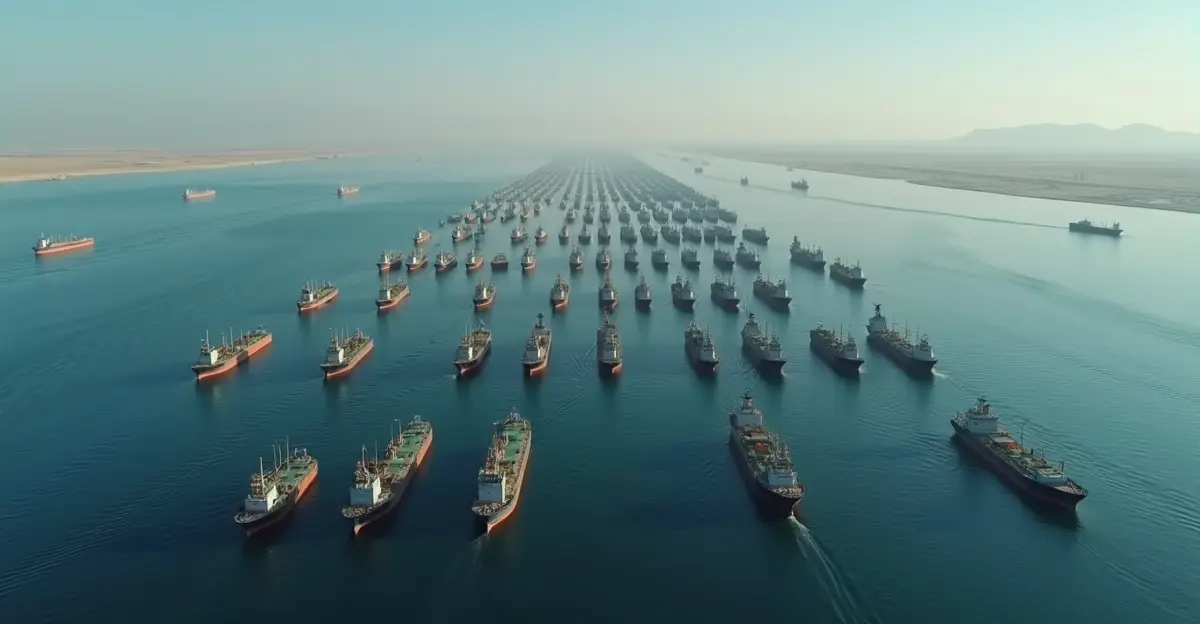
Hundreds of cargo ships are currently waiting in the Persian Gulf for the opening of the Strait of Hormuz. The waterway has been virtually closed since the U.S. and Israel began attacks on Iran on February 28, 2026. While some ships moved toward the strait on Friday hoping to pass through, Iran allowed only a small number through before announcing the renewed closure.
Despite the official closure, Iran has occasionally permitted ships to pass after negotiations with owners or countries. These vessels must have no connection to countries that have attacked Iran or assisted in such attacks. Iran reportedly charges tolls for passage through the strait, but since last month, only a handful of ships have been allowed through while hundreds remain stranded.
Military Tensions Escalate
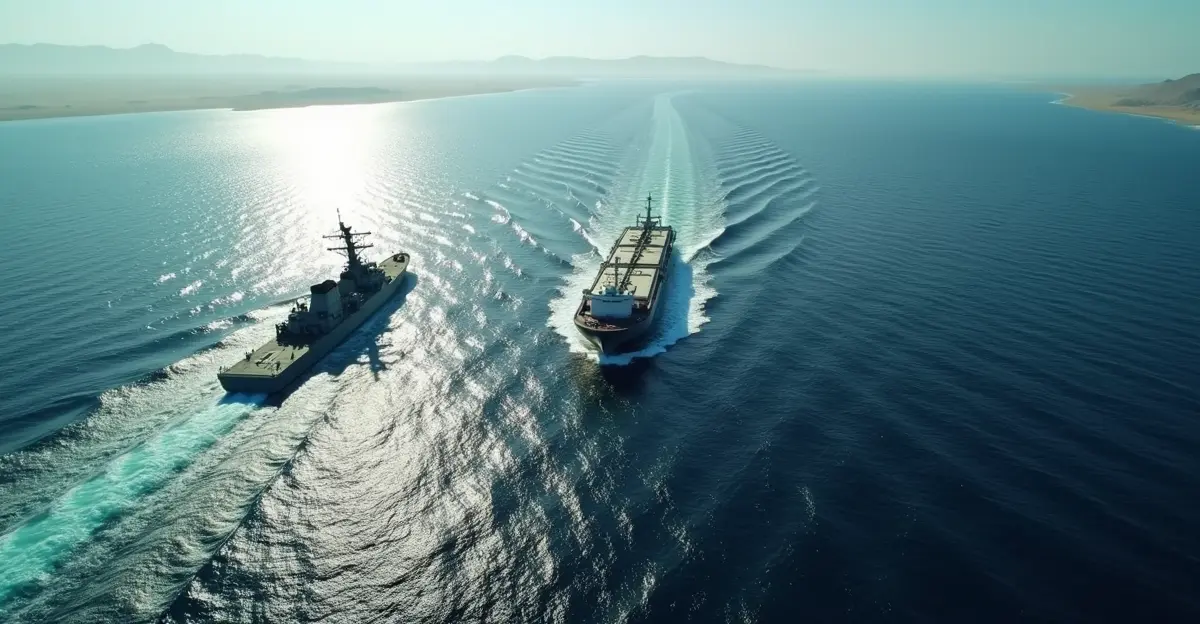
The reported shootings at commercial vessels represent a dangerous escalation in the Iran-US naval confrontation. Iranian gunboats have been observed firing at merchant vessels attempting to cross, creating significant safety concerns for international shipping. The situation has prompted warnings from maritime security experts about the risks to commercial vessels in the region.
Dutch shipping companies have reported that no Dutch vessels have passed through the strait and are advising extreme caution. Similar to the Red Sea shipping crisis, this disruption threatens to reroute global trade patterns and increase transportation costs significantly.
Global Response and Diplomatic Efforts
The international community has reacted with concern to the renewed closure. China has condemned the U.S. blockade as 'dangerous and irresponsible,' while the International Monetary Fund has warned of global economic impacts including potential $100 oil prices. The situation casts doubt on U.S. President Donald Trump's optimism about a peace deal to end the U.S.-Israel war on Iran.
The closure comes amid a shaky two-week ceasefire and ongoing diplomatic efforts to resolve Middle East tensions. However, the rapid reversal on strait access suggests that diplomatic progress remains fragile and subject to military developments on the ground.
FAQ: Strait of Hormuz Closure Explained
Why is the Strait of Hormuz so important?
The Strait of Hormuz is the world's most critical oil transit chokepoint, handling 20-30% of global oil shipments. Major oil producers like Saudi Arabia, Iraq, UAE, Kuwait, and Qatar depend on this route to export their crude oil to international markets.
How long will the strait remain closed?
Iran has stated the strait will remain closed until the U.S. lifts its blockade of Iranian ports. There is no specific timeline, and the situation remains fluid based on diplomatic and military developments.
What are the risks to ships attempting to pass?
Ships face significant risks including being fired upon by Iranian forces, as multiple vessels have already reported. There are also risks of detention, inspection delays, and potential damage from military activities in the area.
How does this affect global oil prices?
Closure of the strait could push oil prices to $98-$132 per barrel depending on duration, according to economic research. This would increase energy costs worldwide and potentially trigger inflation in multiple economies.
Are there alternative shipping routes?
While some oil can be rerouted through pipelines or other sea routes, there is no equivalent alternative for the volume of oil that passes through the Strait of Hormuz. This makes the closure particularly disruptive to global energy markets.

Follow Discussion