


 Deutsch
 English
 Español
 Français
 Nederlands
 Português


 Share
Share




EU Unveils Comprehensive Drone Regulation Framework
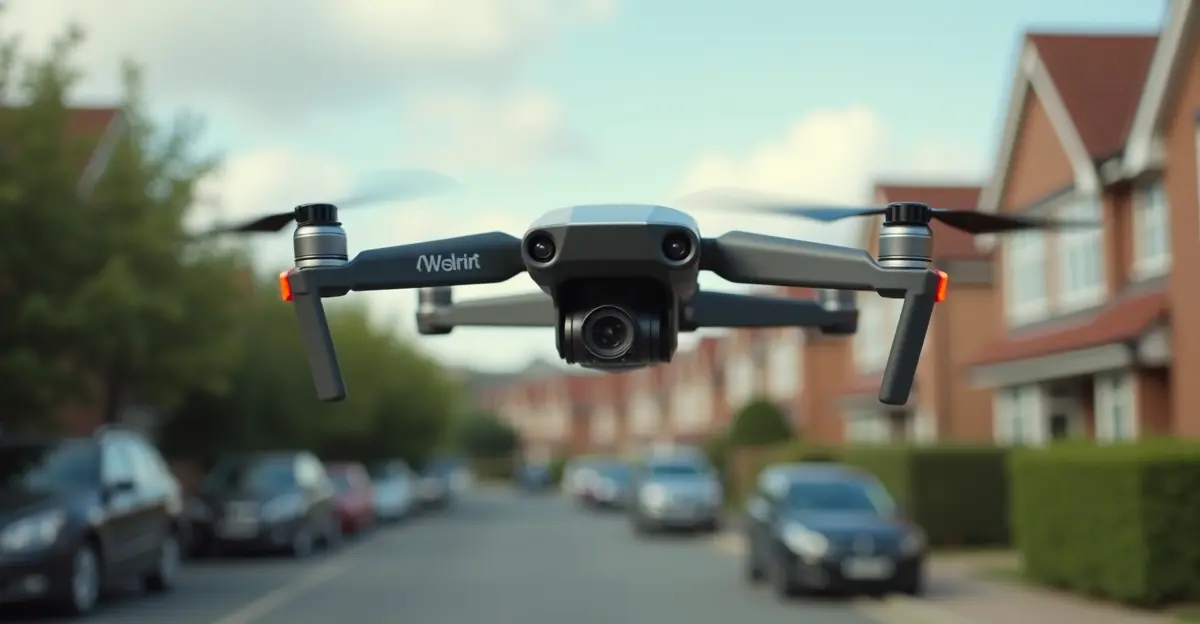
The European Union has introduced a new regulatory framework for drones aimed at fostering innovation while ensuring public safety. The legislation, developed by the European Union Aviation Safety Agency (EASA), categorizes drone operations into three distinct risk-based categories with specific requirements.
Three-Tiered Approach
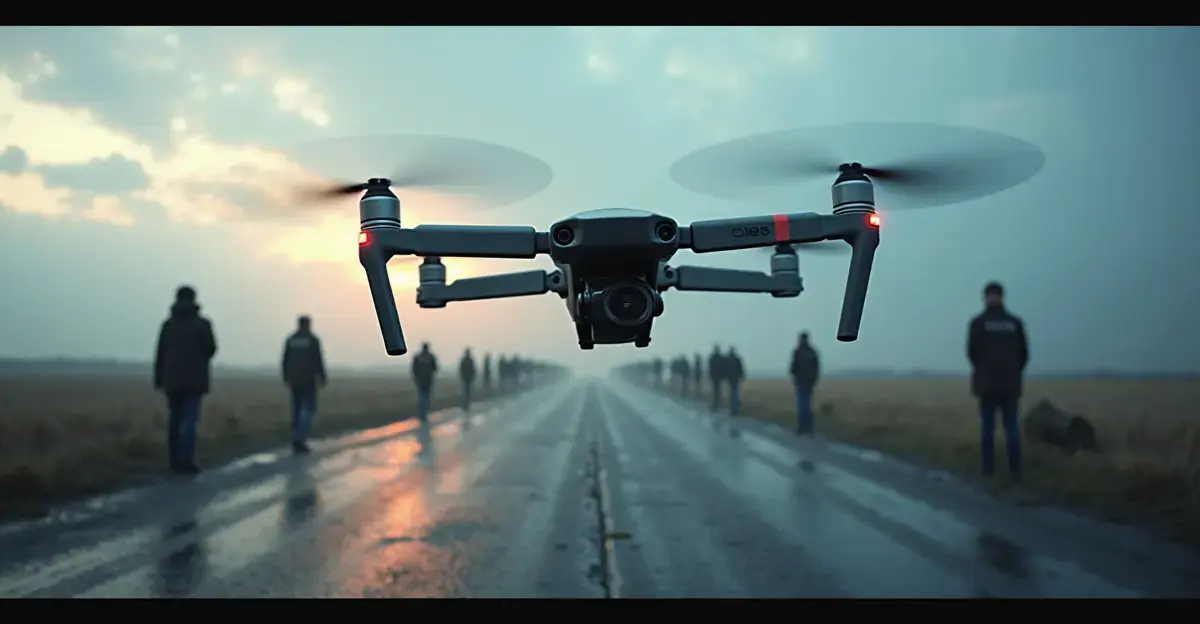
The framework establishes 'open', 'specific', and 'certified' categories based on risk levels. The 'open' category covers low-risk operations like recreational flying and small commercial drones under 25kg. 'Specific' category addresses medium-risk operations requiring authorization, while 'certified' applies to high-risk activities like cargo transport or flying over crowds.
Key Requirements
Drone operators must register if their device exceeds 250g or carries sensors. Remote pilots now face competency requirements:
- C0/C1 drones: Online training + exam
- C2 drones: Additional practical training
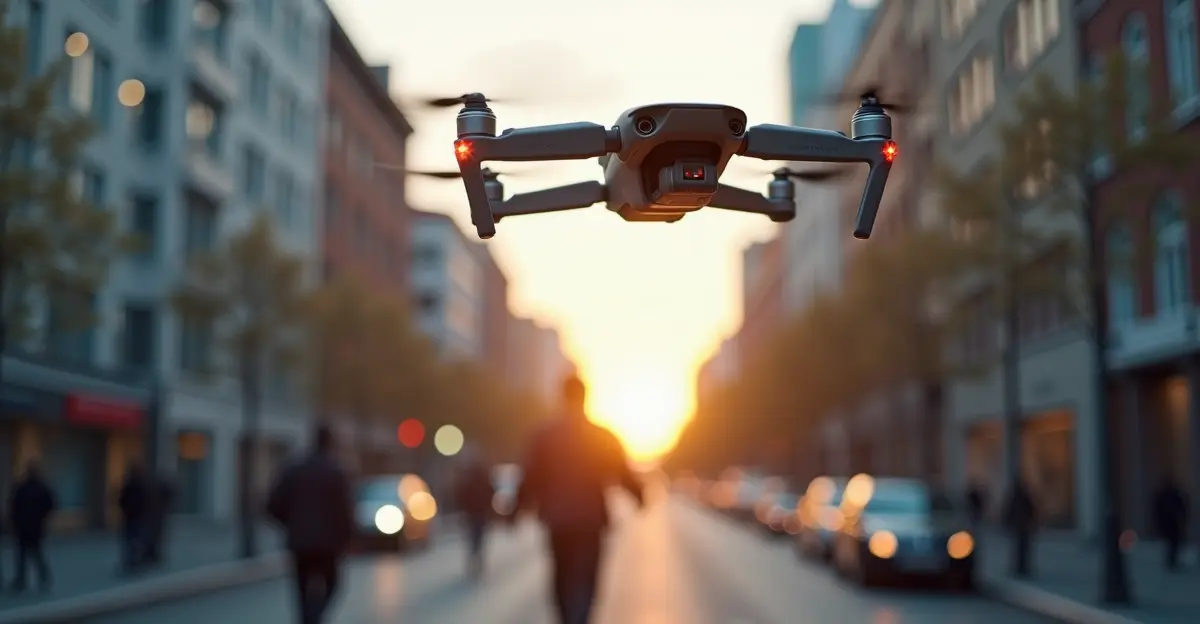
- Operations near people: Minimum 30m distance
Balancing Innovation and Safety
EASA Executive Director Florian Guillermet stated: "These rules provide legal certainty while enabling drone delivery services and urban air mobility." The framework permits drone flights up to 120m altitude but prohibits operations near airports without authorization.
Military-Civilian Synergy
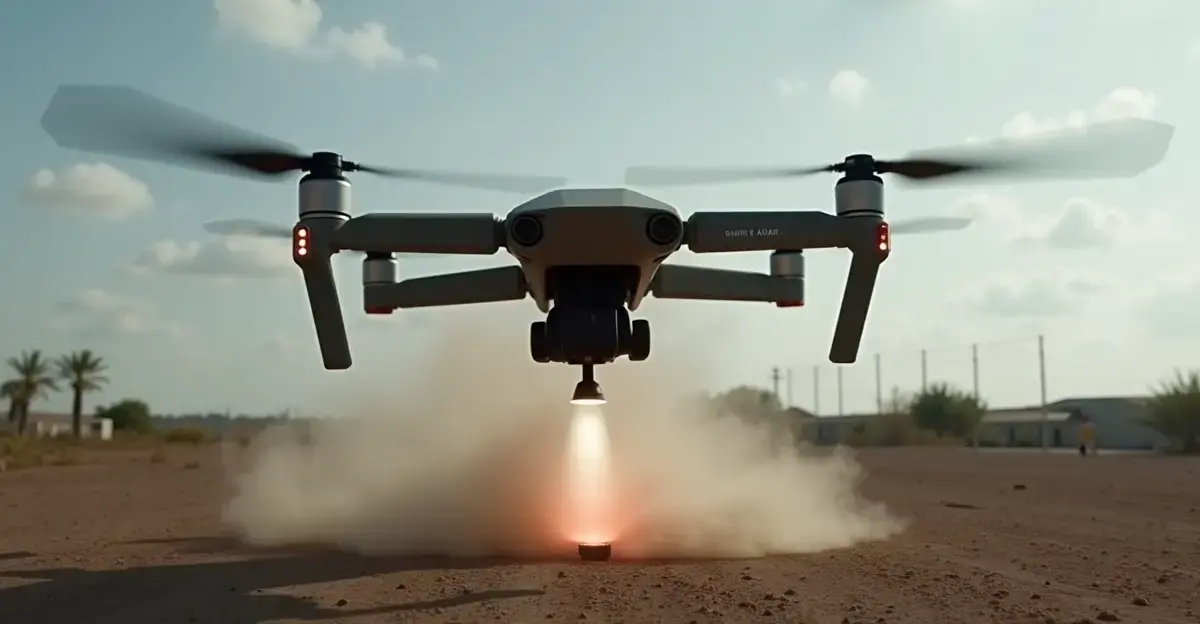
Separately, the European Parliament's recent briefing highlighted efforts to create synergies between civilian and military drone development through the European Defence Fund. However, lethal autonomous weapons remain explicitly banned under EU policy.
Implementation Timeline
Member states must establish national oversight authorities by Q4 2025. EASA is developing a digital platform for registration and certification, with full implementation expected by mid-2026.


Follow Discussion