


 Deutsch
 English
 Español
 Français
 Nederlands
 Português


 Share
Share




Strait of Hormuz became the center of a new escalation on Thursday, August 14, 2026, when U.S. President Donald Trump said he intends to declare the critical waterway “a territory of the United States” after the war with Iran. Speaking at a police academy event on Long Island, New York, Trump offered no timeline or legal mechanism for the claim, but the remarks landed as a 60-day ceasefire between Washington and Tehran appeared to collapse and oil prices remained above $80 per barrel.
Background: Why the Strait of Hormuz Matters
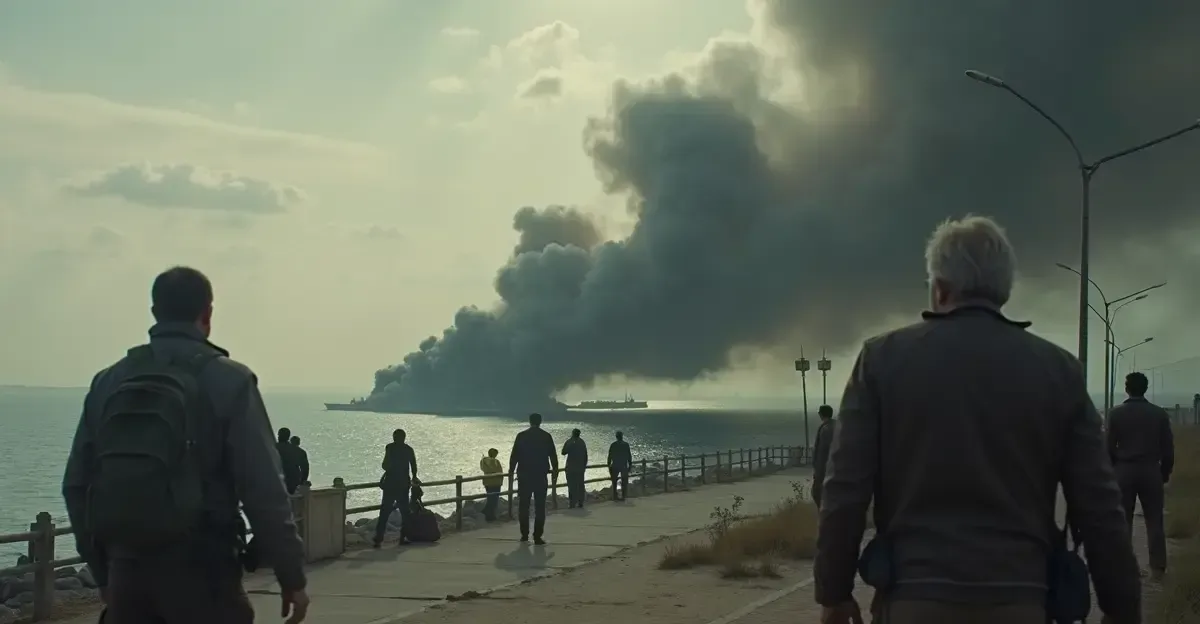
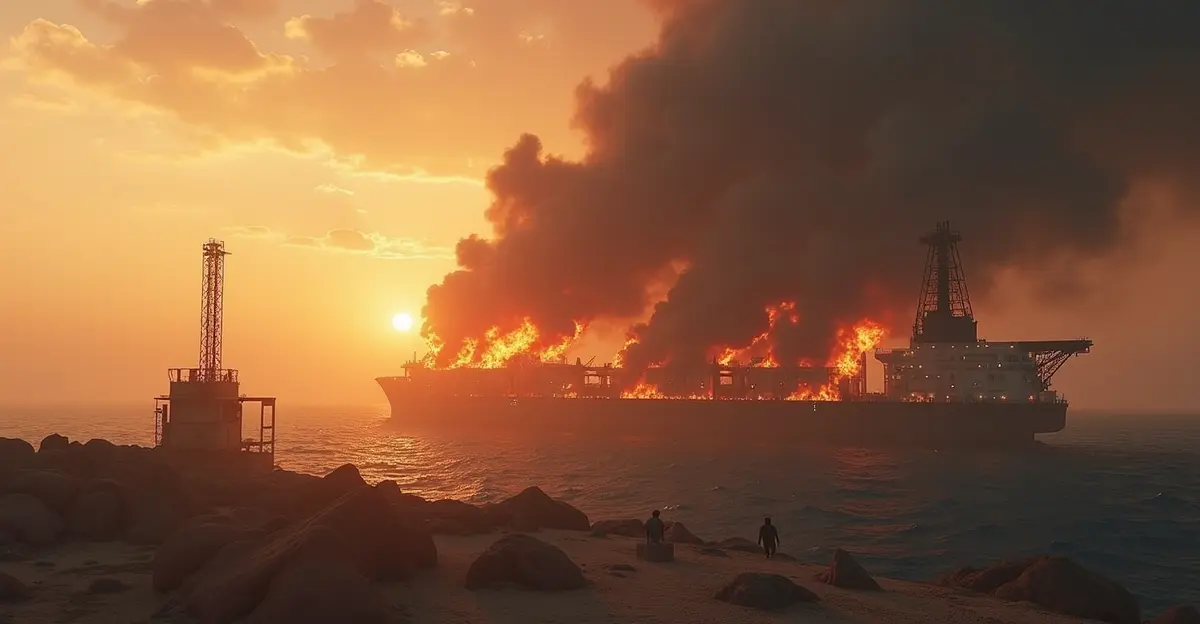
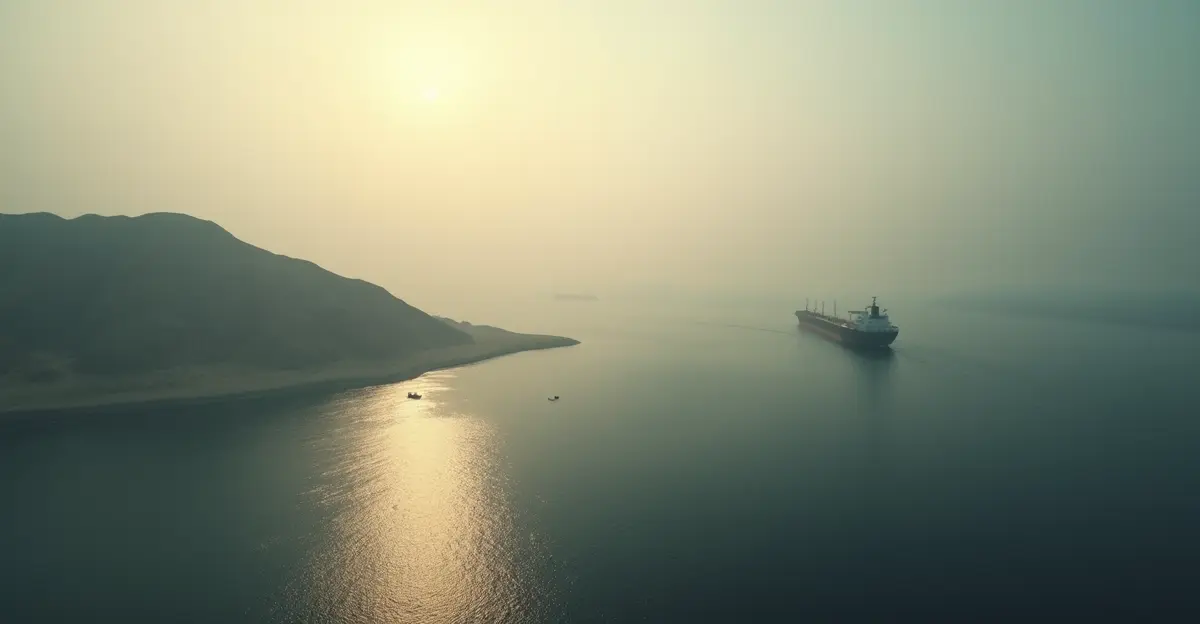
The Strait of Hormuz is a narrow sea passage between Iran and the Musandam Peninsula of Oman, connecting the Persian Gulf to the Gulf of Oman and the open ocean. Before the 2026 Iran war, about 20% of the world’s liquefied natural gas and 25% of seaborne oil trade flowed through the strait annually. Iran’s blockade of the waterway in February 2026 and the subsequent US naval blockade of Iran have disrupted global energy supplies and driven up fuel prices worldwide.
Trump’s Announcement: From Toll Threat to Territorial Claim
“After we finish defeating Iran... pretty soon I’ll be declaring the Hormuz Strait a territory of the United States,” Trump said during the Garden City, New York speech, according to DW News. The president claimed that “no ships get through unless we want them to” and framed the move as part of a broader effort to secure US energy and maritime interests.
The announcement marks an escalation from earlier US positions. In July 2026, Trump briefly floated a transit toll for ships passing through the strait before scrapping the idea days later. The latest territorial claim has no basis in international law and would require either occupation of the waterway or a negotiated treaty, neither of which is currently in place.
Iran’s Response and Ceasefire Stalemate
Iranian Deputy Foreign Minister Kazem Gharibabadi rejected Trump’s comments on social media, saying Tehran would not be intimidated and that the strait “cannot be seized by tweet, nor by aircraft carrier, nor by issuing an order.” Iran has presented a series of conditions for reopening the strait, including:
- Withdrawal of US troops from the region
- Lifting of all US sanctions against Iran
- Full compensation for war damage suffered by Iran
The 60-day ceasefire, which expires Monday, has stalled as Washington refuses those demands, leaving the Iranian nuclear program standoff unresolved. The US has maintained a naval blockade of Iranian ports for months and Treasury Secretary Scott Bessent announced Thursday that new economic measures against Iran will be unveiled next week.
Impact on Oil Prices and US Midterms
The standoff has kept Brent crude above $80 per barrel and pushed US gasoline prices up 24.6% over the past year. With the November midterm elections less than three months away, Republican candidates face growing voter frustration over fuel costs. A significant portion of the US public is “done with the Iran war,” according to recent polling, creating political pressure for a quick resolution. Yet Trump has urged Americans to accept higher gasoline prices to prevent a nuclear-armed Iran, and Pentagon chief Pete Hegseth says the Navy can maintain the blockade of Iranian oil exports “indefinitely.”
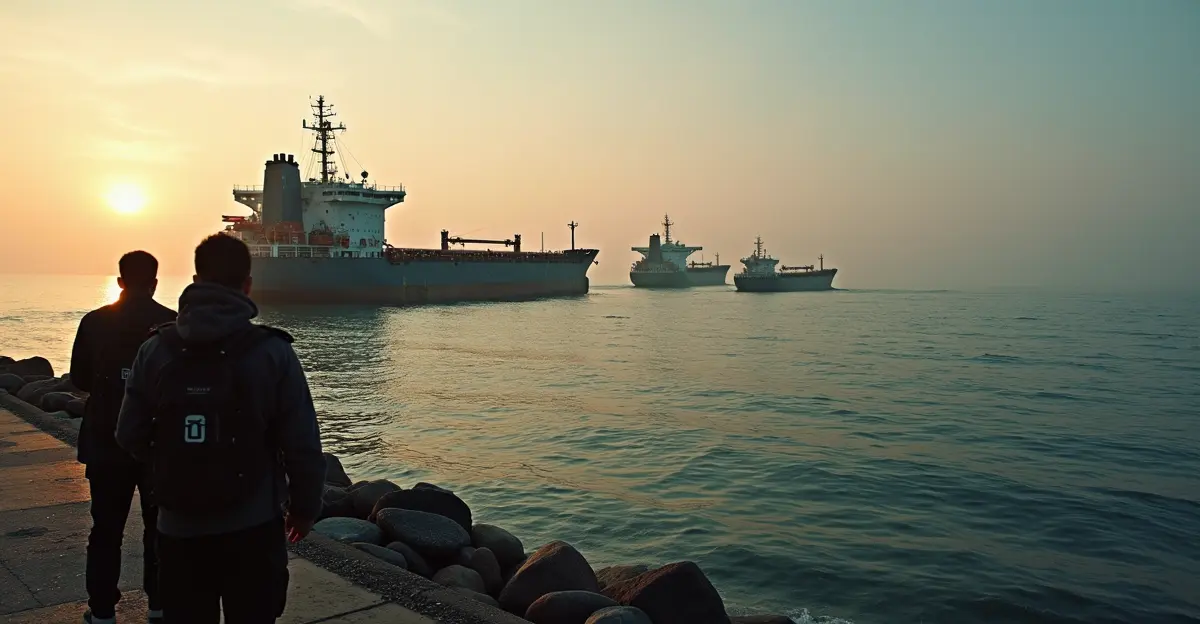
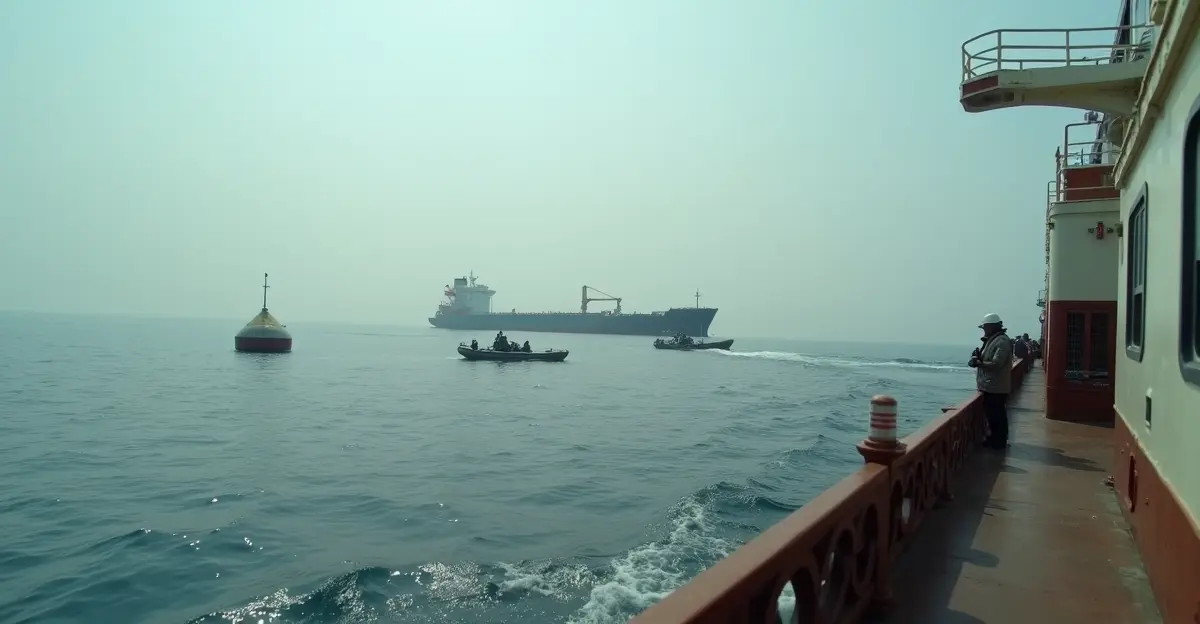
The conflict has also reshaped regional shipping routes. An Iran-Oman transit plan would allow inbound ships through Iranian waters and outbound ships through Omani waters, but Iran’s draft restrictions still ban US and Israeli vessels and impose penalties of 20% of cargo value on violators. The result is a fragile, volatile situation that keeps the global energy market on edge.
Frequently Asked Questions
What is the Strait of Hormuz?
The Strait of Hormuz is a strategically important waterway between Iran and Oman that links the Persian Gulf to the Gulf of Oman. It is the only sea passage from the Persian Gulf to the open ocean and carries a large share of global oil and LNG.
Why does Trump want to make the Strait of Hormuz a US territory?
Trump says the move would follow a US victory over Iran and secure American control over a critical energy route. No legal framework or timeline has been provided, and Iran has rejected the claim.
What are Iran’s conditions for reopening the strait?
Iran demands the withdrawal of US troops from the region, the lifting of all US sanctions, and full compensation for war damage.
How has the Strait of Hormuz crisis affected oil prices?
The blockade has kept Brent crude above $80 per barrel and raised US gasoline prices by 24.6% year over year, fueling political pressure ahead of the midterm elections.
Follow Discussion