


 Deutsch
 English
 Español
 Français
 Nederlands
 Português


 Share
Share




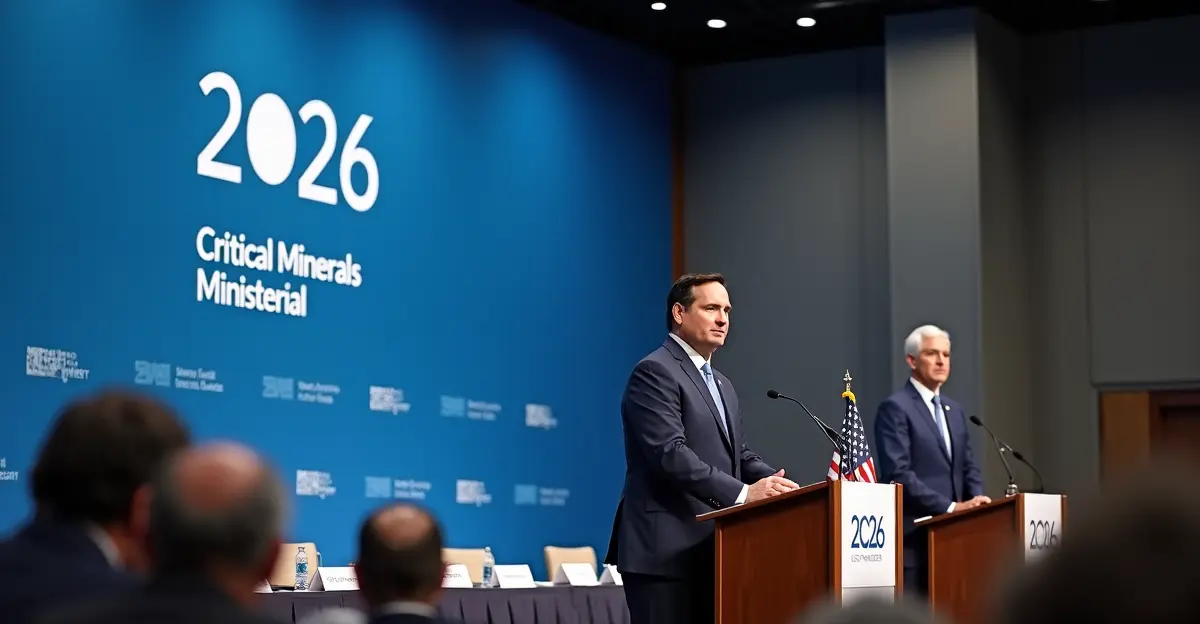
The global critical minerals landscape underwent a seismic shift in February 2026 as the United States launched two landmark initiatives—FORGE (Forum on Resource Geostrategic Engagement) and Project Vault—designed to break China's near-total dominance over rare earth and critical mineral supply chains. This dual offensive, announced at the inaugural Critical Minerals Ministerial in Washington, D.C., signals a fundamental pivot from free-market minerals trading toward state-backed, alliance-based supply chain management that will determine which nations control the inputs for artificial intelligence, batteries, defense systems, and next-generation technologies.
Background: China's Stranglehold and Escalating Export Controls
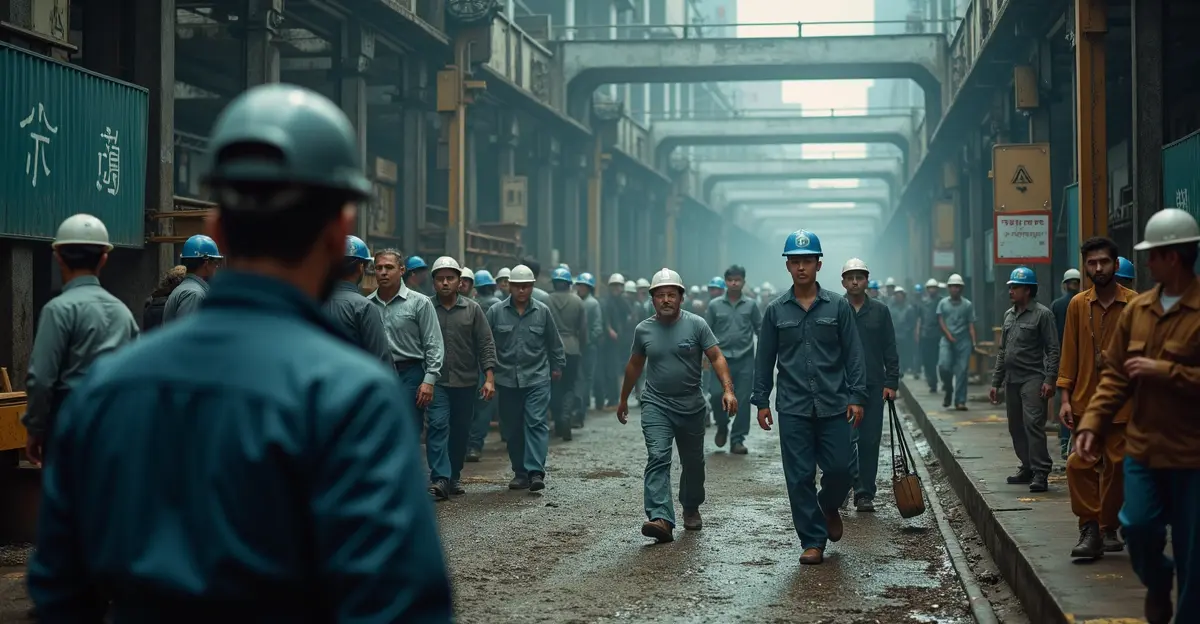
China currently controls approximately 90% of global rare earth processing, 80% of tungsten refining, and 60% of antimony production, according to a multi-institutional analysis published in early 2026. Beijing's escalating export controls on tungsten, antimony, and germanium—enforced through a whitelist system restricting supply to just 15–44 approved companies per mineral—have triggered price spikes of up to sixfold outside China. Neodymium-praseodymium oxide surged sixfold, antimony peaked at $59,750 per tonne, and tungsten followed a similar trajectory. Licensing approval rates for European firms fell below 25%, while over 80% of European companies remain dependent on Chinese supply chains for minerals essential to defense, electric vehicles, and renewable energy. The China rare earth export controls have effectively weaponized scarcity, using temporary and reversible restrictions to maintain pricing power and extract strategic concessions while discouraging large-scale Western alternative investment.
The FORGE Initiative: A Plurilateral Coalition of 54 Nations
What Is FORGE?
FORGE (Forum on Resource Geostrategic Engagement) is a plurilateral coalition of 54 nations and the European Commission, announced on February 4, 2026, by U.S. Secretary of State Marco Rubio alongside Vice President JD Vance and several cabinet officials. FORGE succeeds the Minerals Security Partnership (MSP) and is chaired by the Republic of Korea. The initiative aims to create a preferential trade-and-investment zone for critical minerals with coordinated price floors, adjustable tariffs, and streamlined investment protocols—directly countering adversarial market manipulation by China and other state actors.
Key Outcomes from the 2026 Critical Minerals Ministerial
The ministerial produced 11 new bilateral critical minerals framework agreements or memoranda of understanding with countries including Argentina, the Cook Islands, Morocco, Peru, the Philippines, the United Arab Emirates, and the United Kingdom. These agreements bring the total to 21 bilateral deals signed in just five months. The administration has mobilized over $30 billion in letters of interest, investments, and loans for critical mineral supply chains over the same period. FORGE aims to link these bilateral agreements into a functioning plurilateral system covering two-thirds of the global economy, though operational details and full membership remain under development. The Minerals Security Partnership successor represents a more ambitious and binding framework than its predecessor.
Project Vault: A $10 Billion Domestic Strategic Reserve
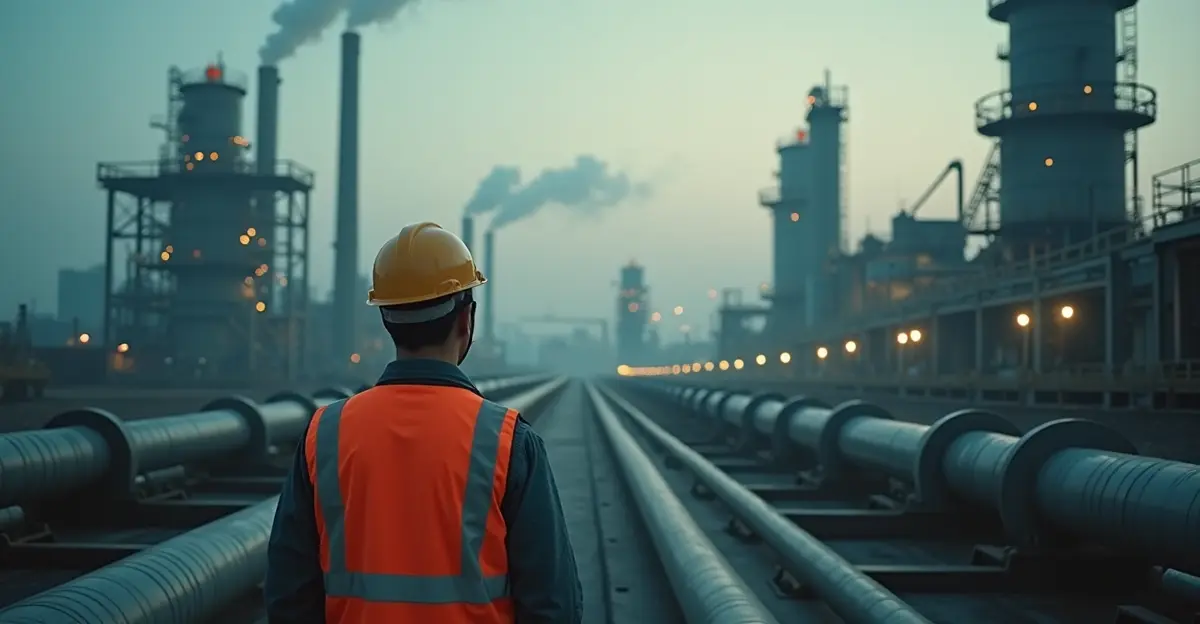
On February 2, 2026, President Trump announced Project Vault, a landmark initiative led by the Export-Import Bank (EXIM) that establishes the U.S. Strategic Critical Minerals Reserve. EXIM approved a direct loan of up to $10 billion to Project Vault, a public-private partnership that will store essential raw materials across U.S. facilities. Participating original equipment manufacturers include Clarios, GE Vernova, Western Digital, and Boeing, with suppliers such as Hartree Partners, Mercuria Americas, and Traxys. The initiative aims to protect domestic manufacturers from supply shocks, support U.S. production and processing of critical raw materials, and deliver a net positive return for taxpayers while reducing dependence on foreign-controlled supply chains. The EXIM Bank Project Vault represents an unprecedented step in U.S. industrial policy, creating a government-backed buffer against the kind of price volatility and supply disruptions that have plagued manufacturers since China intensified its export controls.
Impact on Global Supply Chains and Geopolitical Dynamics
Price Floors and Trade Zones
FORGE's coordinated price floors represent a radical departure from traditional free-market principles. By guaranteeing minimum prices for critical minerals traded within the coalition, the initiative aims to incentivize domestic and allied production while discouraging predatory pricing by state-controlled Chinese enterprises. The preferential trade zone will feature adjustable tariffs that can be calibrated to respond to market manipulation, creating a resilient alternative to the current China-centric supply chain.
Defense and Technology Implications
The stakes are extraordinarily high. NATO stockpiles of critical minerals are sufficient for only 6–9 months of conflict, according to informed estimates. The EV industry faces cost increases of up to $500 per vehicle due to rare earth price spikes, while offshore wind projects are experiencing 15–25% cost overruns. The critical minerals defense supply chain vulnerability has become a central concern for Pentagon planners, who now view mineral security as inseparable from national security.
Timeline for Independence
Analysts warn that achieving full independence from Chinese supply chains could take 5–7 years, with a critical 12–18 month window to begin concrete projects before the opportunity closes for a decade. Rebuilding independent alternatives from scratch would take 20–30 years—far exceeding the current geopolitical window. Western nations face three strategic paths: accept managed dependence, pursue costly independence, or adopt a hybrid model balancing resilience and realism. FORGE and Project Vault represent a bet on the hybrid approach, combining domestic stockpiling with international alliance-building.
Expert Perspectives
"The February 2026 Critical Minerals Ministerial marks a strategic pivot in global power dynamics that remains under-covered outside specialist circles," said Daniel Takahashi, geopolitical analyst and author of this analysis. "FORGE and Project Vault are not merely policy initiatives—they represent a fundamental rethinking of how nations secure the inputs for the 21st-century economy. The question is whether the coalition can maintain discipline and governance across 54 diverse nations over the long term."
Atlantic Council analysts noted that FORGE enters a crowded multilateral landscape alongside the G7 Production Alliance, Pax Silica, and other initiatives, emphasizing that insulating supply chains from mineral shocks requires coordinated action across many partners. Successful implementation demands sustained governance and discipline among diverse participating nations.
Frequently Asked Questions
What is FORGE in the context of critical minerals?
FORGE (Forum on Resource Geostrategic Engagement) is a 54-nation plurilateral coalition launched in February 2026 to create a preferential trade-and-investment zone for critical minerals with coordinated price floors, designed to counter China's dominance over rare earth and critical mineral supply chains.
What is Project Vault and how much funding does it have?
Project Vault is a $10 billion EXIM Bank initiative that establishes the U.S. Strategic Critical Minerals Reserve, a public-private partnership to stockpile essential raw materials across U.S. facilities and protect domestic manufacturers from supply shocks.
How has China's export controls affected global mineral prices?
China's escalating export controls on tungsten, antimony, and germanium have triggered price spikes of up to sixfold outside China, with neodymium-praseodymium oxide surging sixfold and antimony peaking at $59,750 per tonne.
How long will it take to reduce dependence on Chinese supply chains?
Analysts estimate 5–7 years to achieve meaningful independence, with a critical 12–18 month window to begin concrete projects. Full rebuilding of independent alternatives could take 20–30 years.
Which countries are part of the FORGE coalition?
FORGE includes 54 nations and the European Commission, with new bilateral agreements signed at the February 2026 ministerial with Argentina, the Cook Islands, Morocco, Peru, the Philippines, the UAE, and the UK, among others. The Republic of Korea chairs the forum.
Conclusion and Future Outlook
The Great Critical Minerals Realignment of 2026 represents a watershed moment in global economic governance. FORGE and Project Vault signal a shift from market-driven supply chains to state-backed, alliance-based systems that will determine which nations control the inputs for AI, batteries, defense systems, and next-generation technologies. Success depends on maintaining coalition discipline, accelerating domestic processing capacity, and navigating the 12–18 month window before China's strategic position becomes entrenched for another decade. The critical minerals geopolitics 2026 landscape will be defined by whether the West can translate political will into operational reality.



Follow Discussion