


 Deutsch
 English
 Español
 Français
 Nederlands
 Português


 Share
Share




COP31 and the New Geopolitics of Critical Minerals
As the world prepares for COP31 in Antalya, Türkiye (November 9-20, 2026), climate diplomacy has transformed into a geopolitical battleground centered on critical mineral supply chains. The unprecedented dual-presidency structure with Türkiye as host and Australia's Climate Minister leading negotiations coincides with a seismic shift in global climate governance following the U.S. withdrawal from the Paris Agreement in January 2026. This departure created an immediate $1.3 trillion annual climate finance void that major powers are scrambling to fill, while developing nations leverage this multipolar moment to demand better terms for their mineral resources. Critical minerals—lithium, cobalt, rare earths, copper, and nickel—have become the new 'oil' in global power dynamics, with China projected to control over 60% of refined lithium and cobalt processing by 2035, and the EU's Carbon Border Adjustment Mechanism (CBAM) creating new trade alliances and tensions.
The $1.3 Trillion Climate Finance Void
The U.S. withdrawal from the Paris Agreement has created immediate strategic realignments in climate diplomacy. According to analysis from the UNFCCC climate finance reports, the departure leaves a $1.3 trillion annual funding gap that must be filled to meet the 2030 climate goals established at COP30. China and the European Union are competing to fill this void through different approaches: China's bilateral investment model versus the EU's multilateral framework. 'The climate finance landscape has fundamentally shifted,' notes Dr. Elena Rodriguez, a climate policy analyst at the European Climate Foundation. 'We're seeing a scramble for influence where critical mineral access has become the primary currency of climate diplomacy.' The dual-presidency structure of COP31—with Türkiye bridging Europe and Asia while Australia maintains influence with Pacific nations—reflects this new multipolar reality.
China's Strategic Dominance in Processing
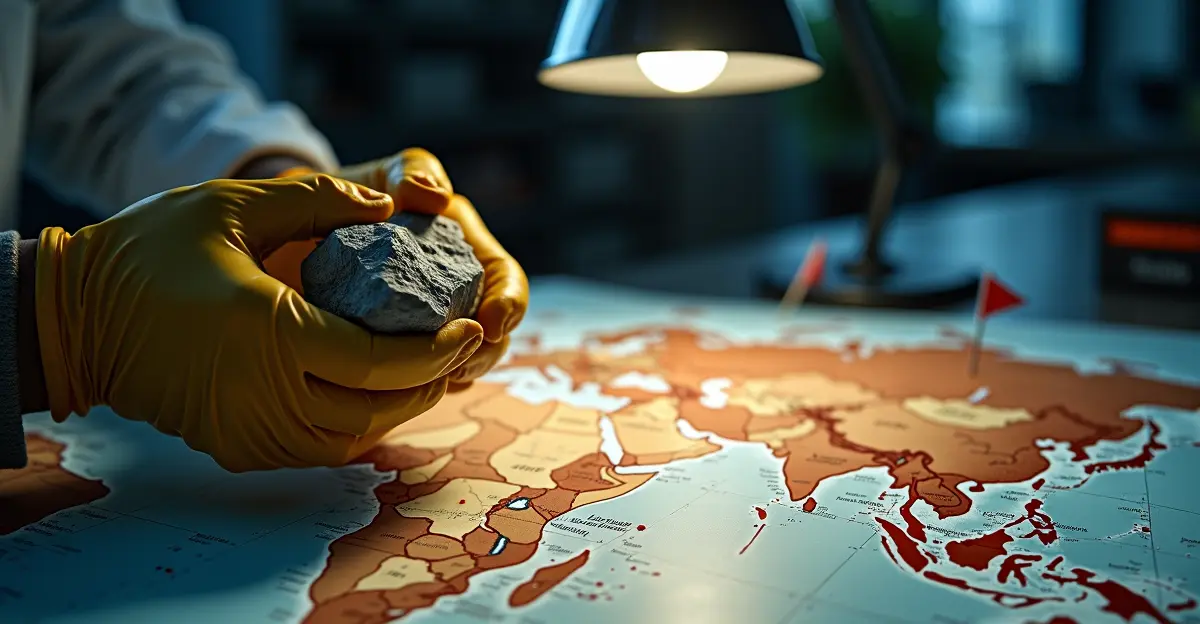
China has invested over $120 billion in overseas mining and upstream processing since 2023 as part of a coordinated strategy to secure critical minerals essential for the global energy transition. According to a report by Australian think tank Climate Energy Finance, China now controls approximately 90% of global rare earth refining, 60% of lithium processing, 70% of cobalt refining, and over 90% of battery cathode/anode materials. This forms part of a larger $220+ billion cleantech expansion that includes downstream sectors like battery manufacturing and EV production. 'China doesn't just control the mines—they control the smelters and refineries,' explains mining analyst James Chen. 'While raw lithium comes from Australia and cobalt from Congo, the processing happens in China, creating strategic chokepoints they can weaponize through export restrictions.'
The EU's Carbon Border Adjustment Mechanism
The European Union's Carbon Border Adjustment Mechanism (CBAM), which enters its definitive regime in January 2026, represents another major force reshaping critical mineral supply chains. CBAM requires importers of carbon-intensive goods—including aluminum, steel, and eventually critical minerals—to purchase certificates based on embedded emissions. According to the European Commission, this mechanism aims to prevent 'carbon leakage' while supporting the EU's climate objectives. However, developing nations are preparing for potential impacts: Mozambique faces the highest exposure at 0.6% of GDP, followed by Ukraine (0.5%) and Egypt (0.2%), according to World Bank analysis.
Developing Nations Leverage Their Resources
Resource-rich developing nations are using COP31 as a platform to demand better terms for their mineral wealth. Countries like Indonesia (banning raw nickel exports), Chile and Bolivia (seeking state control of lithium), and the Democratic Republic of Congo (increasing cobalt royalties) are implementing export restrictions, contract renegotiations, and nationalization efforts. 'This is our moment to ensure our populations benefit from the energy transition,' says Tanzanian mining minister Fatima Nkrumah. 'For too long, foreign corporations extracted our resources while leaving environmental damage and minimal economic development.' The trend reflects broader concerns about supply chain fragility and economic sovereignty, transforming global supply chains into regional blocs as nations prioritize domestic industrialization over raw material exports.
Strategic Implications for Energy Transition
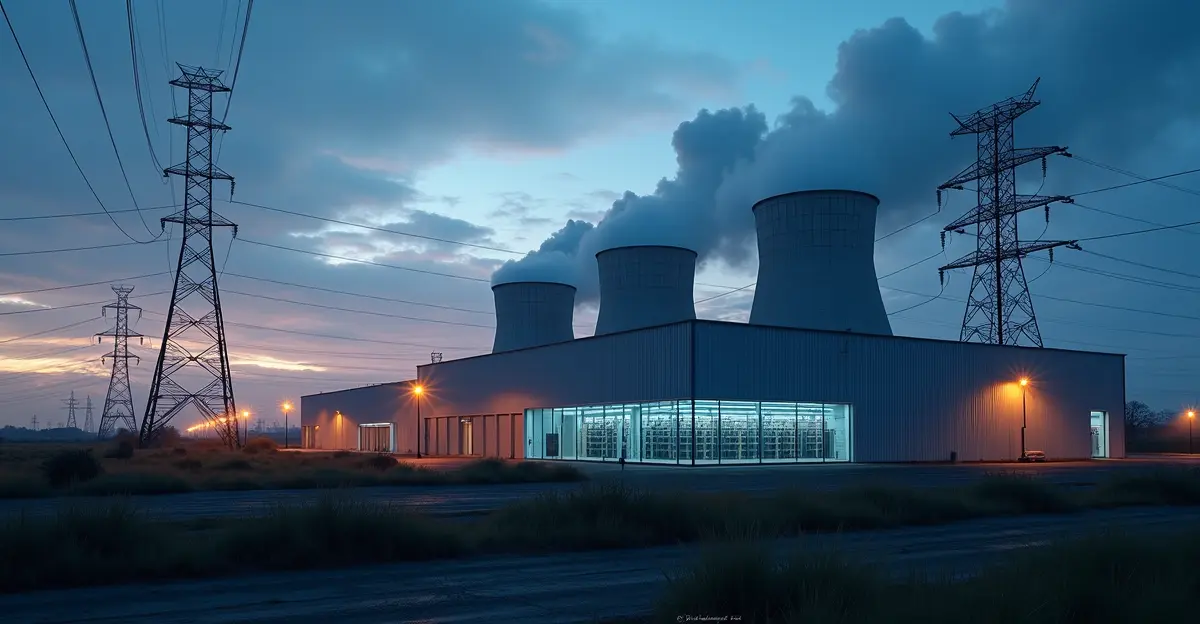
The geopolitical competition over critical minerals has significant implications for global energy transition timelines. According to the International Energy Agency, demand for lithium is projected to grow 40-fold by 2040 under net-zero scenarios, while copper demand could double. The concentration of processing capacity in China creates supply chain vulnerabilities that could delay renewable energy deployment worldwide. In response, Western governments are launching initiatives like the U.S.-led Forum on Resource Geostrategic Engagement (FORGE), which replaced the Minerals Security Partnership in February 2026. The U.S. government has announced over $30 billion in recent financing support for critical minerals projects, including EXIM Bank's $10 billion 'Project Vault' initiative to establish a domestic strategic reserve.
Expert Perspectives on COP31 Outcomes
Climate diplomats anticipate COP31 will produce several key outcomes related to critical minerals. 'We expect to see formal recognition of critical minerals as essential climate infrastructure,' says Australian Climate Minister Chris Bowen, who will serve as COP31 president. 'This means establishing transparent supply chain standards, fair benefit-sharing mechanisms, and technology transfer frameworks.' Türkiye, as host, brings particular credibility given its position as holder of the world's largest boron reserves and significant deposits of chromium, copper, graphite, lithium, and rare earth elements. The country has undergone significant green energy transformation, with renewable energy capacity reaching 72.5 GW by mid-2025—a 4.5-fold increase since 2005.
Frequently Asked Questions
What is COP31 and why is it important for critical minerals?
COP31 is the 31st Conference of the Parties to the UNFCCC, scheduled for November 9-20, 2026 in Antalya, Türkiye. It's important for critical minerals because it represents the first major climate summit after the U.S. withdrawal from the Paris Agreement, creating a $1.3 trillion climate finance void that major powers are competing to fill through mineral diplomacy.
How does China dominate critical mineral supply chains?
China dominates through control of processing and refining infrastructure rather than just mining. While raw materials come from various countries, China processes approximately 70% of global critical minerals capacity, including 90% of rare earth refining, 60% of lithium processing, and 70% of cobalt refining.
What is the EU's Carbon Border Adjustment Mechanism?
CBAM is the EU's policy tool that puts a price on carbon emissions from imported goods. Starting January 2026, importers must purchase certificates based on embedded emissions, affecting carbon-intensive goods including those made with critical minerals.
How are developing nations responding to critical mineral demand?
Developing nations are implementing resource nationalism policies including export restrictions, contract renegotiations, and nationalization efforts to ensure their populations benefit from mineral wealth rather than foreign corporations.
What are the energy transition implications?
Geopolitical competition over critical minerals could delay renewable energy deployment due to supply chain vulnerabilities. Demand for lithium is projected to grow 40-fold by 2040 under net-zero scenarios, requiring more diversified and resilient supply chains.




Follow Discussion