


 Deutsch
 English
 Español
 Français
 Nederlands
 Português


 Share
Share




The Critical Minerals Race: How Geopolitical Tensions Are Reshaping Energy Transition Timelines
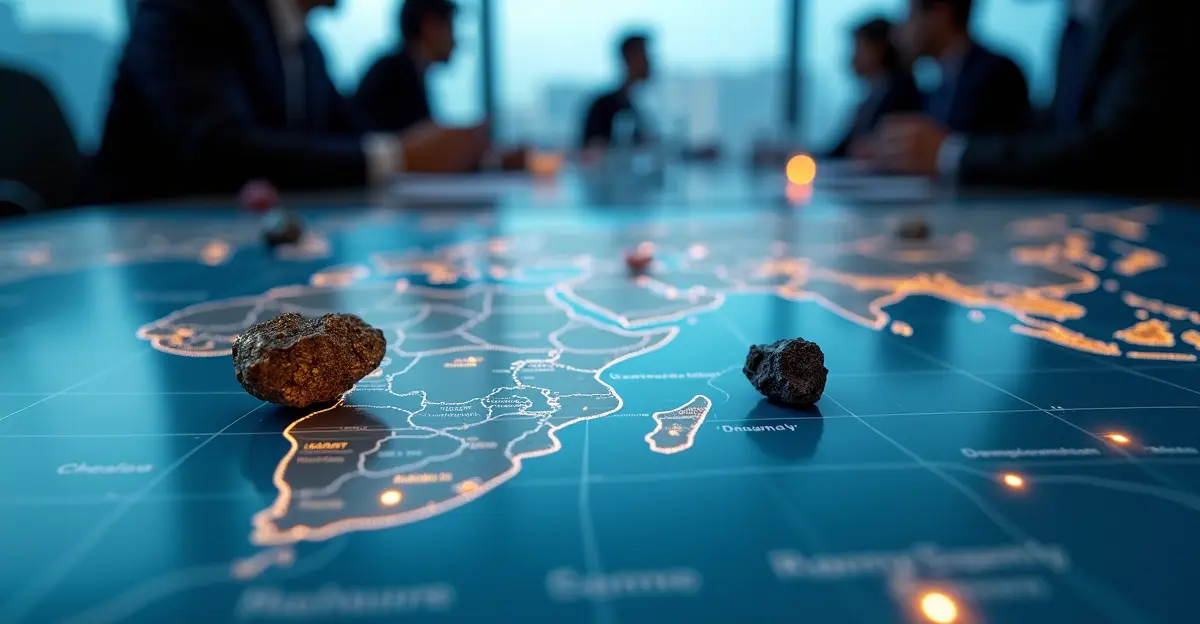
The global race for critical minerals has emerged as the defining geopolitical challenge of the 2020s, with recent reports showing demand for minerals essential to renewable technologies will triple by 2030. As nations scramble to secure lithium, cobalt, nickel, and rare earth elements, geopolitical tensions have elevated resource security to the top of political agendas in the US, EU, and China, creating strategic vulnerabilities that threaten to delay decarbonization targets while forging new alliances around mineral supply chains.
What is the Critical Minerals Race?
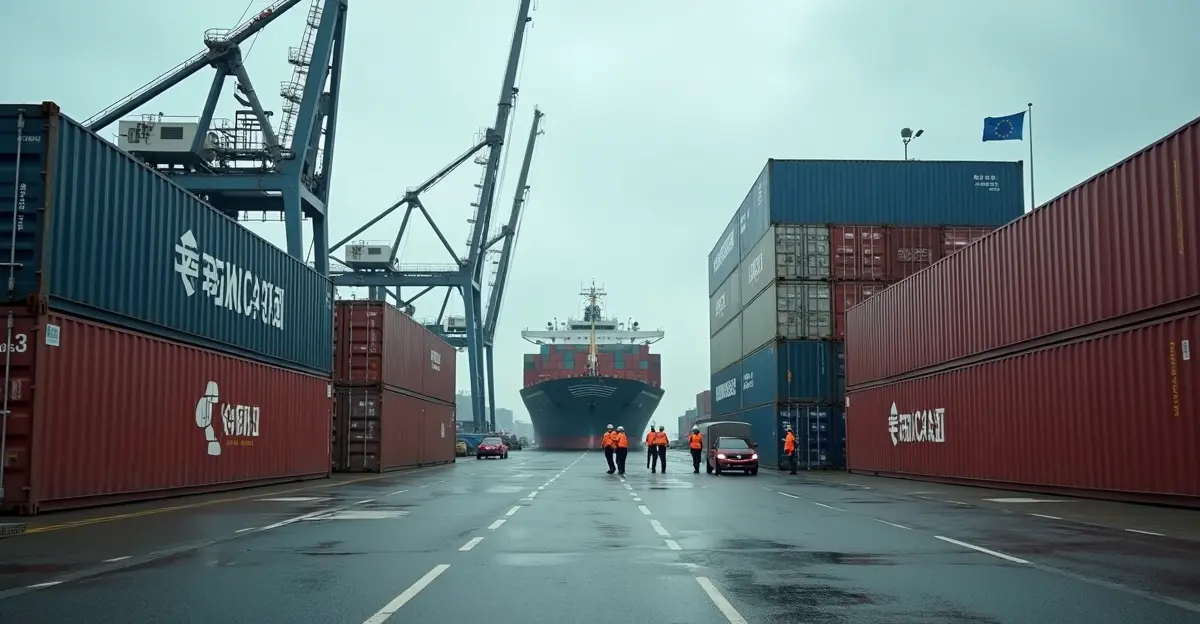
The critical minerals race refers to the intense global competition for essential raw materials needed for renewable energy technologies, electric vehicles, and advanced electronics. According to the International Energy Agency's Global Critical Minerals Outlook 2025, demand for these minerals must quadruple by 2040 to achieve net-zero emissions. However, supply chains face unprecedented risks due to geographic concentration of production and refining, particularly in geopolitically sensitive regions. This concentration creates what experts call 'strategic chokepoints' that could disrupt the entire global energy transition.
Geographic Concentration Creates Strategic Vulnerabilities
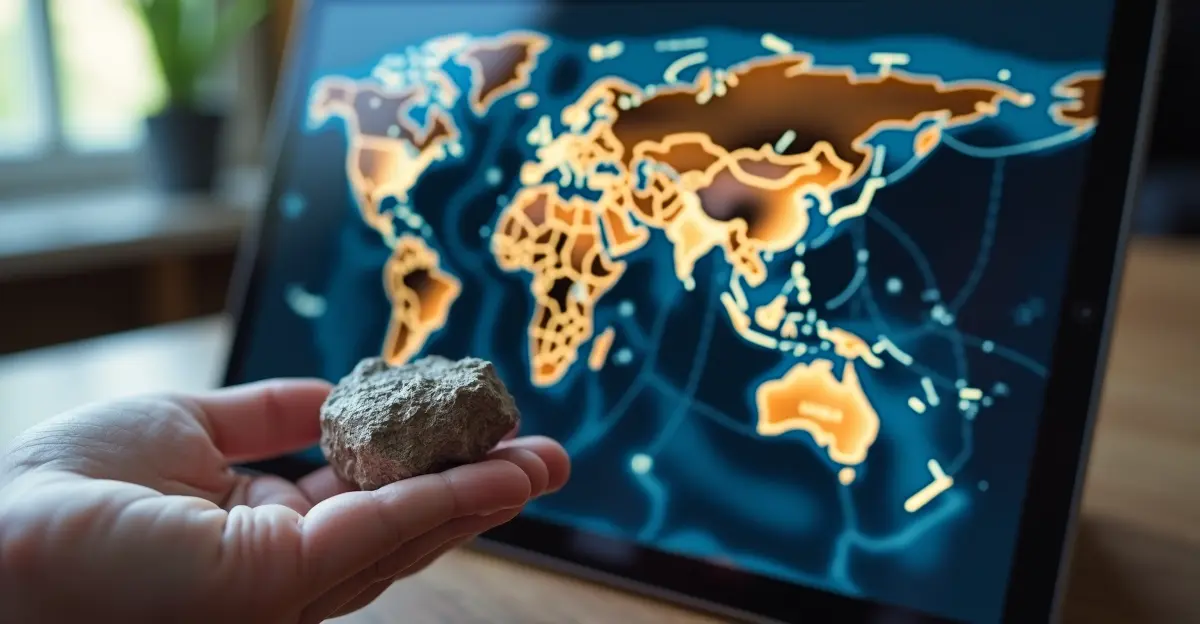
The world's critical mineral supply is alarmingly concentrated in just a few regions, creating what analysts describe as 'the new oil' in geopolitical importance. China dominates rare earth processing with over 80% of global capacity, while Indonesia controls approximately 60% of global nickel production. The Andean Lithium Triangle spanning Argentina, Bolivia, and Chile holds over 56% of global lithium reserves. This concentration has elevated resource security to a matter of national security for Western nations.
China's Processing Dominance
China's strategic advantage comes not from resource ownership but from decades of investment in midstream processing capacity. The country controls approximately 75% of Indonesia's nickel production capacity and processes 60-70% of global lithium. 'China's structural advantage creates strategic chokepoints in supply chains that could be weaponized during geopolitical tensions,' explains a recent analysis from the Overseas Development Institute. This dominance extends to battery-grade chemicals, where China controls over 80% of production.
Indonesia's Nickel Gambit
Indonesia has made a significant strategic bet on nickel, leveraging its position as the world's largest producer to attract foreign investment and build processing facilities. However, a Reuters report reveals that Chinese companies control approximately 75% of Indonesia's nickel production capacity, raising questions about supply chain security. The country's 2020 raw ore export ban successfully attracted Chinese investment but has also placed it squarely in the middle of US-China competition for critical minerals.
The Lithium Triangle's Strategic Importance
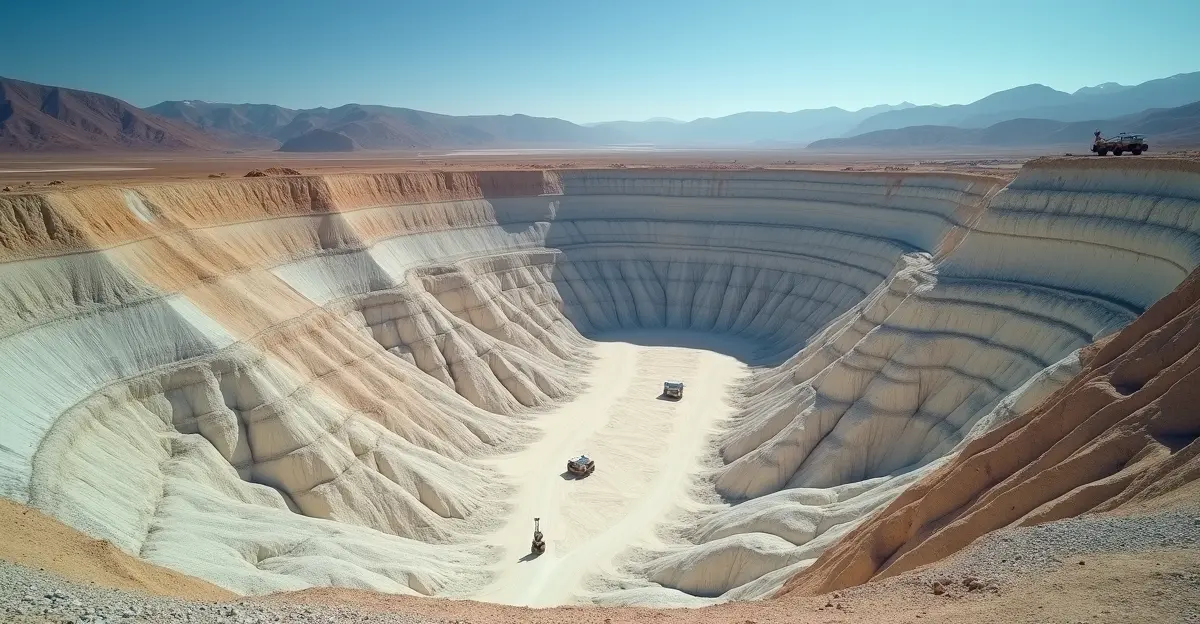
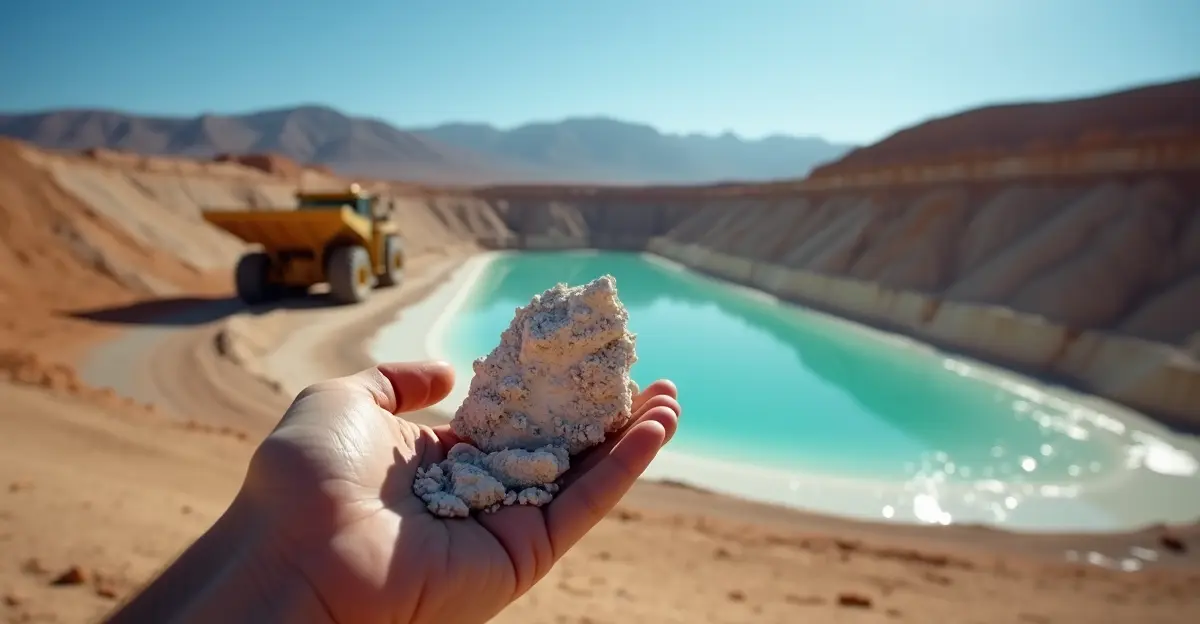
The Andean Lithium Triangle represents one of the most strategically important mineral regions globally. According to a ScienceDirect review, this area holds approximately 50% of the world's known lithium resources, with the three countries adopting divergent governance approaches: Argentina's market-driven model, Bolivia's state control, and Chile's hybrid public-private system. The region faces tensions between economic opportunity and environmental sustainability, particularly regarding water usage in fragile ecosystems.
Geopolitical Responses and Strategic Realignments
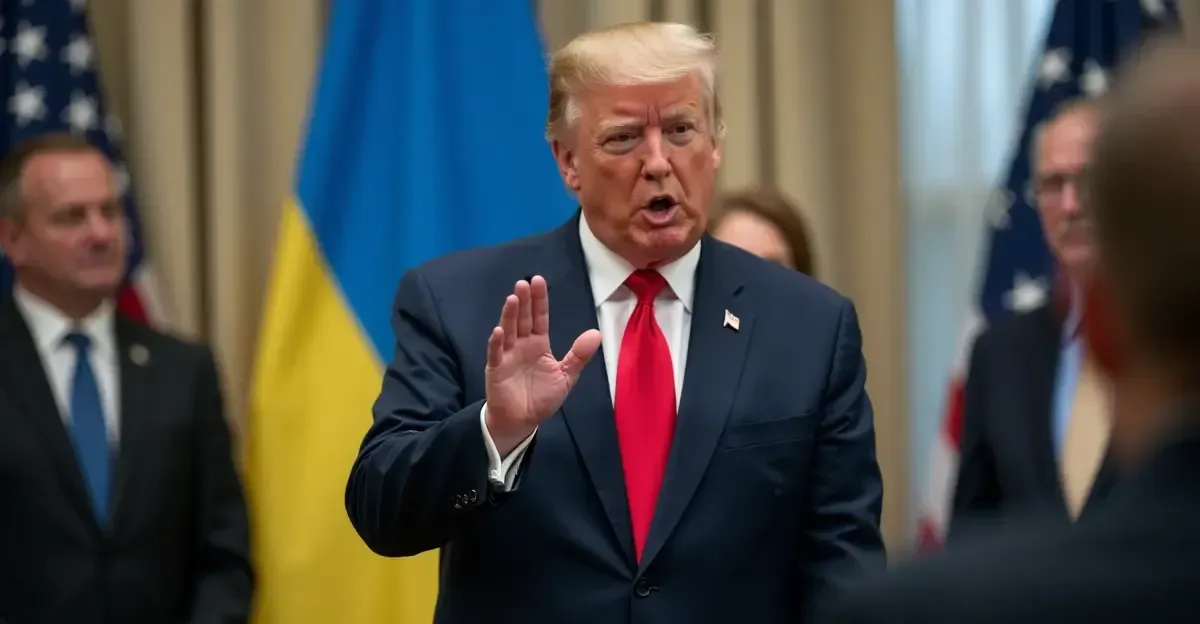
Western nations are responding to these vulnerabilities with aggressive policy shifts. The second Trump administration has implemented an aggressive US policy toward securing critical minerals through domestic production incentives, bilateral partnerships, and $7.5 billion in federal financing. Meanwhile, the EU struggles to scale financing for its Critical Raw Materials Act despite selecting 60 strategic projects and establishing new international partnerships.
Resource Nationalism and Export Controls
Recent years have seen a surge in resource nationalism and export controls. Indonesia has tightened state control over nickel production, while China has implemented export restrictions on critical minerals. These moves reflect a broader trend where resource-rich nations are repositioning themselves as strategic actors rather than mere suppliers, seeking domestic processing and value chain development. This shift is fundamentally altering traditional power structures in the global economy.
New Strategic Partnerships Emerge
The minerals race is forging new geopolitical alliances. African nations like Angola, Democratic Republic of Congo, and Zambia are leveraging their mineral wealth to secure better terms from both Western and Chinese partners. The competition represents two development models: China's state-led industrial integration versus Western standards-based partnerships. Resource-rich countries are pragmatically diversifying partnerships to secure tangible benefits like employment, skills transfer, and infrastructure.
Impact on Energy Transition Timelines
The geopolitical scramble for critical minerals threatens to delay global decarbonization efforts. According to the World Economic Forum, demand for these minerals must triple by 2030, but supply chain vulnerabilities and long lead times for new mines (up to 20 years for copper) create significant bottlenecks. The Pentagon's accelerated push to secure strategic minerals is particularly concerning, with analysis showing its stockpiling of cobalt could instead produce 80.2 GWh of battery capacity—more than double current US energy storage capacity.
Delayed Decarbonization Targets
Supply chain disruptions and geopolitical tensions could push back net-zero targets by several years. The concentration of processing capacity in China creates particular vulnerability, as export restrictions or trade tensions could immediately impact renewable energy deployment globally. Western nations' efforts to diversify supply chains through domestic mining projects face environmental opposition and lengthy permitting processes, creating what analysts call a 'green transition paradox.'
Environmental and Social Trade-offs
The rush to secure minerals creates difficult environmental and social trade-offs. Indonesia's nickel expansion has caused deforestation of 370,000 hectares between 2001-2020, while coal-powered smelters emitted 15 million metric tons of greenhouse gases in 2023 alone. The Lithium Triangle faces sustainability challenges including significant water usage and impacts on Indigenous rights. These environmental costs threaten to undermine the very climate goals that critical minerals are meant to support.
Expert Perspectives on the Minerals Race
UN Secretary-General António Guterres launched the Panel on Critical Energy Transition Minerals in 2024 to ensure sustainable development that benefits all countries and communities. The UN guidance outlines three core principles: centering human rights, protecting the environment and planetary integrity, and ensuring justice and equity throughout the system. 'This transition must be just and equitable,' emphasizes UNCTAD, noting this presents a major development opportunity for resource-rich developing countries.
Frequently Asked Questions
What are critical minerals?
Critical minerals are raw materials essential for renewable energy technologies, electric vehicles, and advanced electronics. Key minerals include lithium, cobalt, nickel, graphite, and rare earth elements. Demand for these minerals is projected to quadruple by 2040 according to IEA projections.
Why is China dominant in critical minerals?
China's dominance comes from decades of strategic investment in midstream processing capacity rather than resource ownership. The country controls approximately 80% of rare earth processing, 75% of Indonesia's nickel capacity, and 60-70% of global lithium processing.
How is the minerals race affecting energy transition?
Geopolitical tensions and supply chain vulnerabilities threaten to delay decarbonization targets by several years. Concentration of production and processing in geopolitically sensitive regions creates strategic chokepoints that could disrupt renewable energy deployment globally.
What are Western nations doing to secure minerals?
The US has implemented $7.5 billion in federal financing for domestic production and partnerships, while the EU's Critical Raw Materials Act aims to diversify supply chains. Both are pursuing bilateral agreements with resource-rich nations in Africa and Latin America.
What environmental concerns exist?
Mining expansion causes deforestation, water scarcity, and greenhouse gas emissions. Indonesia's nickel industry deforested 370,000 hectares, while the Lithium Triangle faces water usage challenges in fragile ecosystems.
Future Outlook and Conclusion
The critical minerals race represents one of the most complex geopolitical challenges of our time, with implications for energy security, economic development, and environmental sustainability. As demand continues to surge—projected to triple by 2030—nations must balance urgent decarbonization needs with supply chain resilience. The emergence of new financing actors like UAE and Saudi Arabia adds further complexity to an already crowded field. Ultimately, success in the minerals race will require unprecedented international cooperation, transparent governance, and innovative approaches to recycling and circular economy solutions that reduce dependence on primary extraction.
Sources
International Energy Agency Global Critical Minerals Outlook 2025, Reuters analysis of Chinese control in Indonesia, UN Panel on Critical Energy Transition Minerals, Overseas Development Institute 2026 analysis, ScienceDirect review of Lithium Triangle sustainability, World Economic Forum demand projections, Financial Times political analysis of Lithium Triangle.
Follow Discussion