
 Deutsch
 English
 Español
 Français
 Nederlands
 Português






NATO's Critical Minerals Imperative: How Alliance Spending on Supply Chain Security Redefines Energy and Defense Strategy
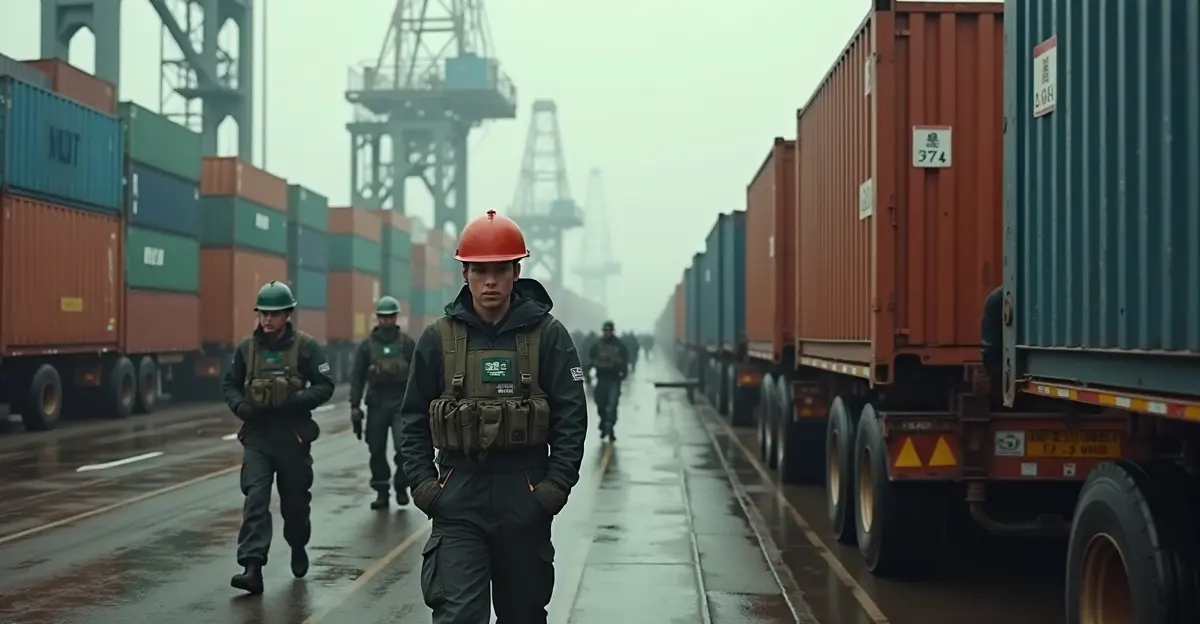
In a historic strategic shift, NATO's 2025 commitment to allocate 1.5% of GDP toward protecting critical infrastructure and securing supply chains represents a fundamental redefinition of energy and defense security for the Western alliance. This analytical examination explores how this policy transforms energy security from a national concern to an alliance-wide strategic priority, with particular focus on critical minerals essential for modern military capabilities. The move directly counters China's dominance in rare earths processing and addresses strategic dependencies exposed by Russia's invasion of Ukraine, marking what experts call the most significant NATO defense industrial policy shift in decades.
What is NATO's Critical Minerals Imperative?
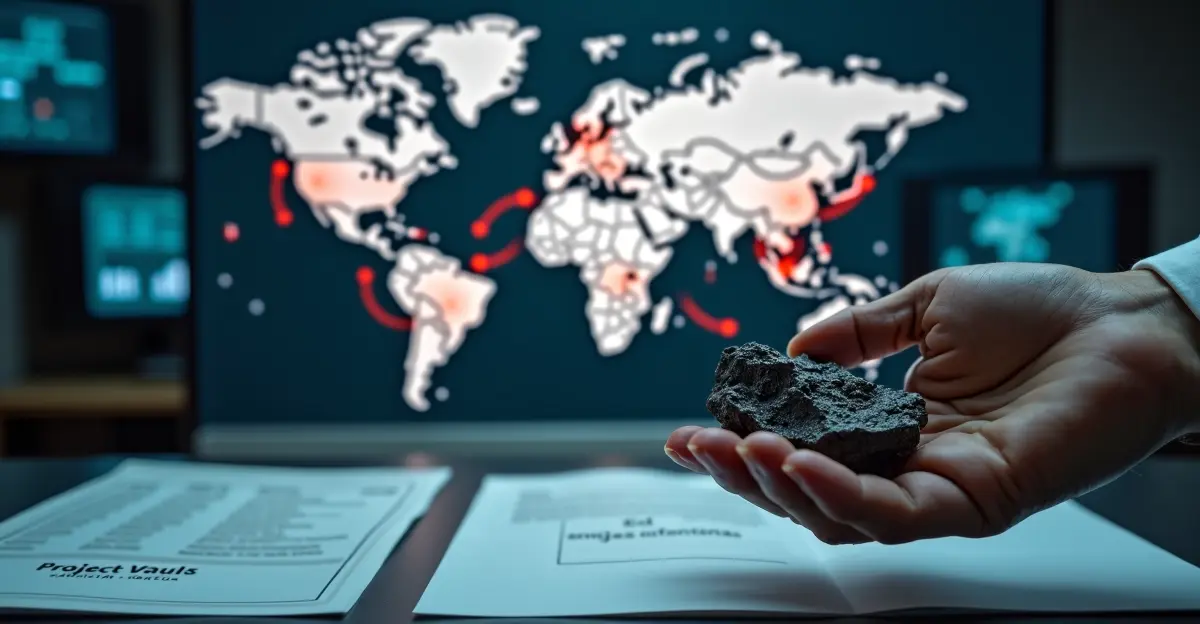
The NATO critical minerals imperative refers to the alliance's coordinated strategy to secure resilient supply chains for minerals essential to defense technologies, renewable energy systems, and advanced electronics. Following the 2025 NATO Summit in The Hague, member states committed to a two-tiered spending formula: 3.5% of GDP for core military expenditures and 1.5% for security-related spending including cyberdefense, supply chain resilience, critical infrastructure, logistics, and defense innovation. This 1.5% allocation specifically targets vulnerabilities in critical minerals supply chains, where China controls approximately 90% of global rare earth processing capacity despite producing only 70% of raw materials.
The Geopolitical Context: Countering Strategic Dependencies
The February 2026 Munich Security Conference discussions highlighted how NATO's critical minerals imperative responds to two major geopolitical challenges. First, China's near-total dominance in rare earth processing gives Beijing significant leverage, as demonstrated by export restrictions against Japan in 2010 and 2025, and against the U.S. in response to tariffs. Second, Russia's invasion of Ukraine exposed vulnerabilities in European energy and defense supply chains, prompting a fundamental reassessment of strategic dependencies. 'The Elements of an Alliance? NATO's critical minerals imperative' dinner at the Munich Security Conference brought together NATO representatives with defense and minerals sector leaders to coordinate investments, recognizing that resilient critical minerals supply chains are essential for modern military capabilities.
China's Processing Dominance and Strategic Leverage
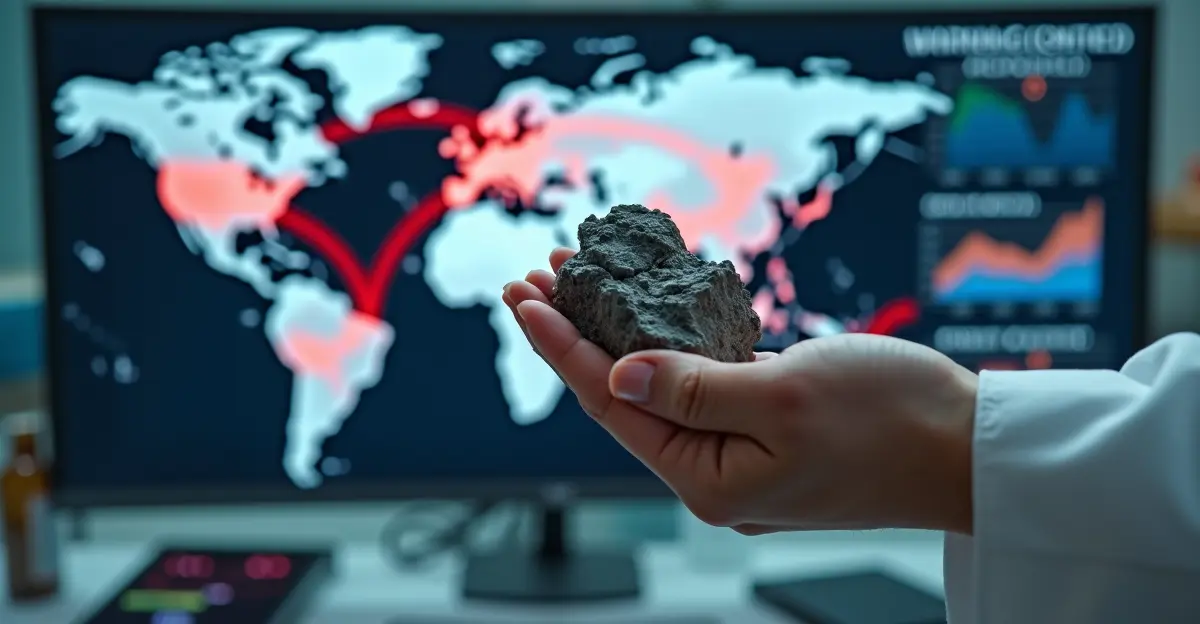
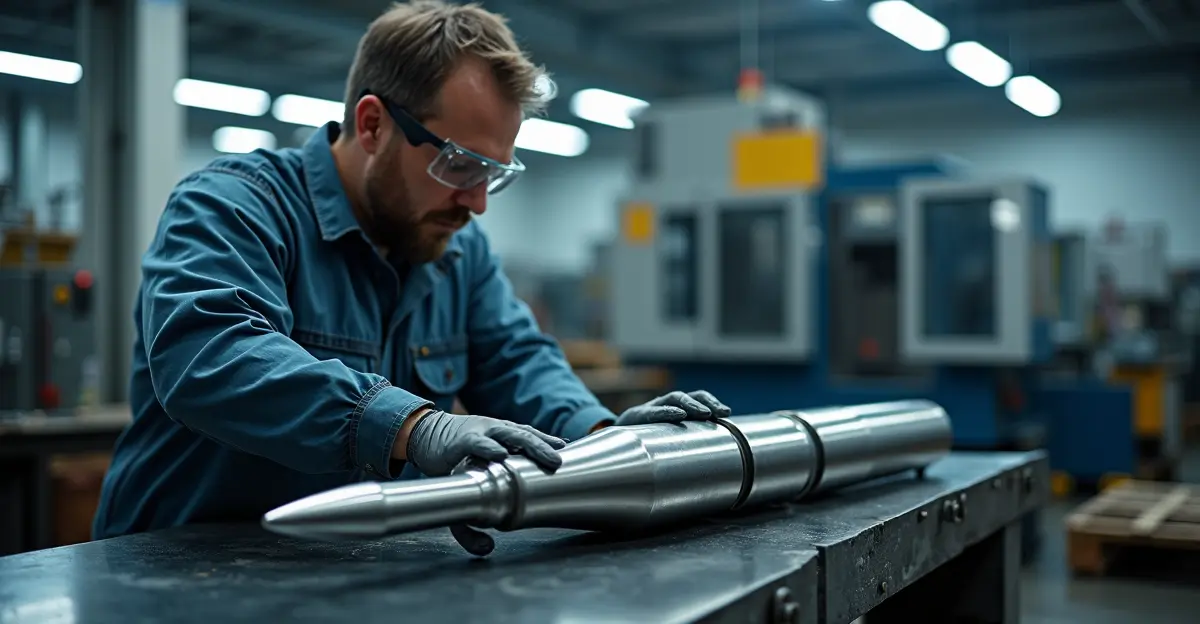
China maintains control over approximately 90% of global rare earth refining capacity, creating what experts call a 'strategic choke point' for Western defense industries. Rare earth elements are essential for precision-guided munitions, fighter jet engines, radar systems, and electric vehicle batteries. According to Fortune analysis, China has a 30-year head start in specialized technology and infrastructure investment, making it difficult for other nations to develop comparable processing capabilities quickly. The EU Critical Raw Materials Act and U.S. partnerships with Australia, Malaysia, and Thailand represent initial responses, but experts warn it could take a decade to build alternative supply chains.
Implementation Challenges and Coordination Efforts
Translating NATO's 1.5% GDP commitment into tangible supply chain security faces several significant challenges. First, defining 'defense-related spending' for critical minerals requires clear guidelines to ensure investments directly enhance Alliance capacity, resilience, and deterrence. Second, coordinating across multiple international initiatives—including NATO, EU, and G7 frameworks—risks fragmentation and duplication. Third, building processing capacity and refining infrastructure requires massive capital investment and specialized expertise that currently resides predominantly in China.
Key Implementation Priorities
- Clear Definitions: Establishing what qualifies as defense-related critical minerals spending under the 1.5% allocation
- Multinational Stockpiling: Coordinating strategic reserves of critical minerals across NATO members
- Processing Infrastructure: Building refining and processing facilities in allied nations to reduce dependence on China
- Innovation Investment: Funding research into alternative materials, recycling technologies, and waste recovery methods
- Supply Chain Transparency: Enhancing visibility across defense supply chains to identify vulnerabilities
Strategic Implications for Energy and Defense Security
NATO's critical minerals imperative fundamentally transforms how the alliance approaches energy and defense security. By treating supply chain resilience as a collective defense priority, NATO moves beyond traditional military spending to address the foundational industrial capabilities required for modern warfare. This represents a qualitative shift in addressing 21st-century security challenges, where economic dependencies can be weaponized as effectively as conventional military threats. The policy recognizes that defense industrial base resilience requires securing access to materials like lithium, cobalt, and rare earth elements essential for everything from missile guidance systems to renewable energy infrastructure.
Expert Perspectives and Future Outlook
According to analysis from the SAFE Center for Critical Minerals Strategy, success depends on rapid implementation of high-impact projects to close vulnerability gaps. 'Success depends on clear definitions of defense-related spending and rapid implementation of high-impact projects to close vulnerability gaps,' notes the organization's Munich Security Conference briefing. The Council on Foreign Relations recommends an innovation-focused strategy to 'leapfrog' China's dominance through disruptive technologies in materials science, waste recovery, and recycling rather than trying to out-mine China through traditional methods.
Frequently Asked Questions
What percentage of GDP did NATO commit to critical infrastructure protection?
NATO members committed to allocating 1.5% of GDP specifically for security-related spending including critical infrastructure protection, supply chain resilience, and defense innovation as part of the 2025 Hague Investment Plan.
Why are critical minerals important for NATO defense capabilities?
Critical minerals like rare earth elements are essential for precision-guided munitions, fighter jet engines, radar systems, and advanced electronics that form the backbone of modern military capabilities. Without secure supply chains, NATO's defense technological edge could be compromised.
How does China dominate critical minerals processing?
China controls approximately 90% of global rare earth refining capacity despite producing only 70% of raw materials, giving Beijing significant geopolitical leverage through export controls and pricing power.
What are the main challenges in implementing NATO's critical minerals strategy?
Key challenges include defining defense-related spending, coordinating across multiple international initiatives, building processing infrastructure outside China, and developing alternative materials and recycling technologies.
How long will it take to reduce dependence on China for critical minerals?
Experts estimate it could take a decade or more to develop comparable processing capabilities to China's, given Beijing's 30-year head start in technology and infrastructure investment.
Conclusion: A New Era of Alliance Security
NATO's critical minerals imperative represents a paradigm shift in how Western nations approach energy and defense supply chain security. By committing 1.5% of GDP to protecting critical infrastructure and securing supply chains, the alliance recognizes that 21st-century security extends beyond traditional military spending to encompass the industrial foundations of defense capability. While implementation challenges remain significant, this strategic reorientation marks an important step toward reducing strategic dependencies and strengthening collective resilience against economic coercion. As the alliance moves forward, success will depend on coordinated action, clear definitions, and sustained investment in the processing infrastructure and innovation needed to secure critical minerals supply chains for decades to come.
Sources
SAFE Center for Critical Minerals Strategy Munich Security Conference Briefing, European Initiative for Energy Security NATO Summit Analysis, Fortune China Rare Earth Processing Dominance Report, Council on Foreign Relations Critical Minerals Strategy, NATO Defence Supply Chain Security Roadmap 2024


Follow Discussion