


 Deutsch
 English
 Español
 Français
 Nederlands
 Português


 Share
Share




The New Geopolitics of Critical Minerals
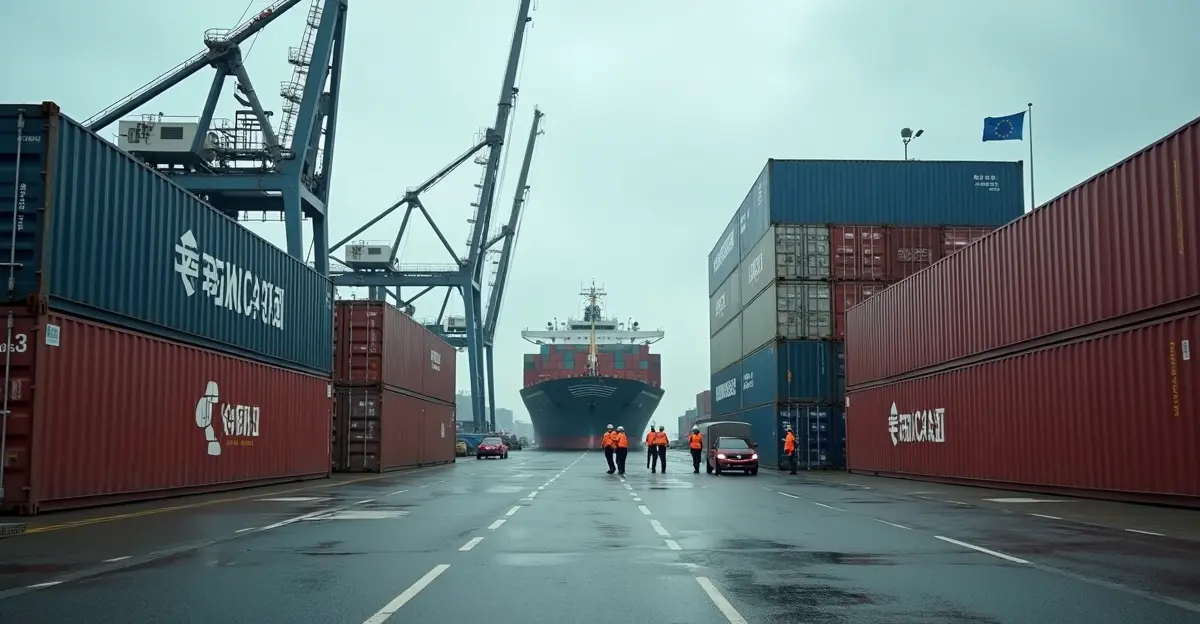
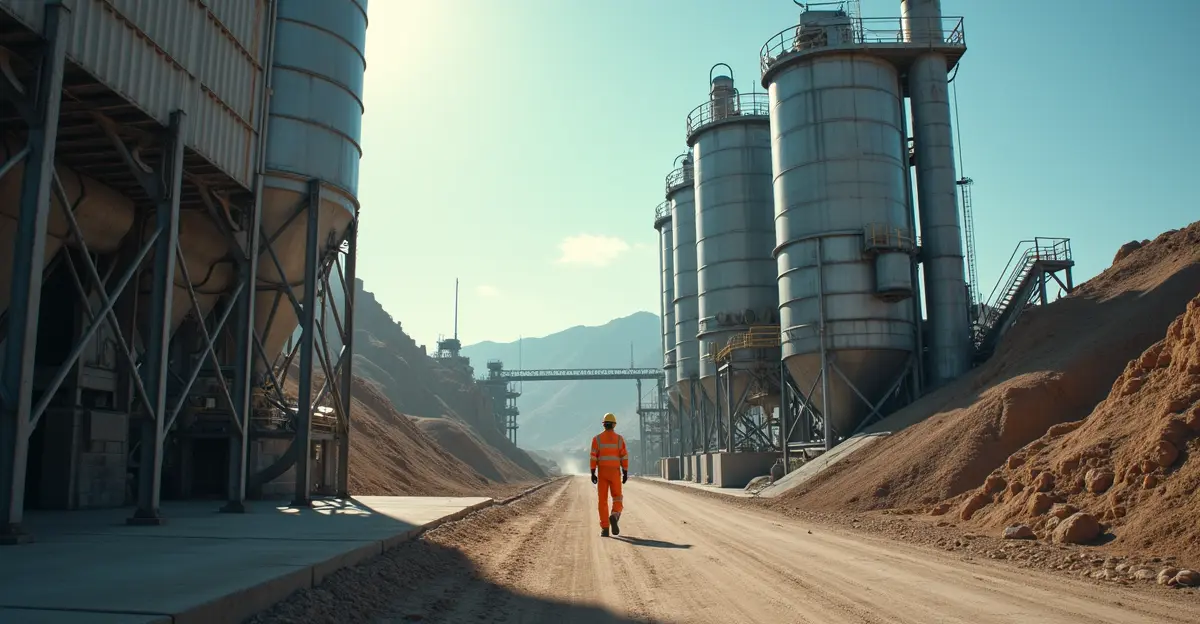
The intensifying competition for rare earth elements and critical minerals is fundamentally reshaping international relations and economic security in 2026. As nations scramble to secure essential resources for clean energy, defense systems, and advanced technology, supply chain vulnerabilities have become central to global power dynamics. China's strategic dominance in mining and processing these materials, controlling 91% of global rare earth separation and refining according to the International Energy Agency, has created new geopolitical fault lines that challenge traditional cooperation models and national security frameworks.
China's Strategic Dominance and Export Controls
China has systematically established control over critical mineral supply chains through decades of industrial policy and strategic investment. The country now dominates the global market, refining 70% of 19 out of 20 strategic minerals and controlling 94% of sintered permanent magnet production used in cars, wind turbines, and defense systems. Recent developments in late 2025 show China intensifying enforcement of strategic materials controls, with expanded export restrictions covering additional rare earth elements and processing equipment. These measures have already caused significant disruptions, with European rare earth prices reaching six times Chinese levels and carmakers facing factory shutdowns.
The Weaponization of Mineral Exports
Critical minerals have become a geopolitical weapon in China's strategic arsenal. The country controls over 60% of global germanium production, 80% of gallium, and 78% of antimony – all essential for semiconductors, defense, and battery technologies. Recent export restrictions represent direct retaliation against U.S. semiconductor and technology sanctions, escalating the ongoing trade war. According to a USCC report, Beijing leverages its dominant position in critical supply chains to exert economic pressure and advance strategic interests, creating vulnerabilities that can be exploited during geopolitical tensions.
Western Diversification Efforts
The United States and its allies have launched ambitious initiatives to diversify critical mineral supply chains and reduce dependence on China. The Lobito Corridor project represents a major infrastructure investment connecting Angola's Atlantic port to mineral-rich regions in the Democratic Republic of Congo and Zambia. With a $753 million financing package secured in late 2025, including $553 million from the U.S. International Development Finance Corporation, this rail-based logistics system aims to create an Atlantic export route for copper and cobalt from the Central African Copperbelt. President Biden recently pledged an additional $600 million, bringing total U.S. investment to $4 billion and overall project funding to $6 billion.
Innovation-Focused Strategies
Rather than trying to match China's mining and processing capabilities, the Council on Foreign Relations recommends an innovation-focused strategy that leverages American technological strengths. Key recommendations include making innovation central to U.S. critical minerals policy, developing substitute materials to bypass Chinese choke points, scaling waste-based recovery from mine tailings and industrial waste, and closing financing gaps for frontier mineral technologies. "Innovation-led approaches are faster, cleaner, and more cost-effective than traditional mining expansion," notes the CFR report, offering a path to reduce strategic dependence on China within years rather than decades.
Democratic Republic of Congo's Traceability Initiatives
The Democratic Republic of Congo, which supplies 74% of the world's cobalt, has achieved a significant milestone by producing its first 1,000 tons of traceable artisanal cobalt in November 2025. This development represents a major step forward in establishing ethical and transparent supply chains for critical minerals. The traceability initiative introduces digital tracking, blockchain-based records, GPS mapping, and government-backed purchasing through Entreprise Générale du Cobalt (EGC), addressing longstanding concerns about human rights abuses and environmental issues in artisanal mining operations.
Global Power Structure Implications
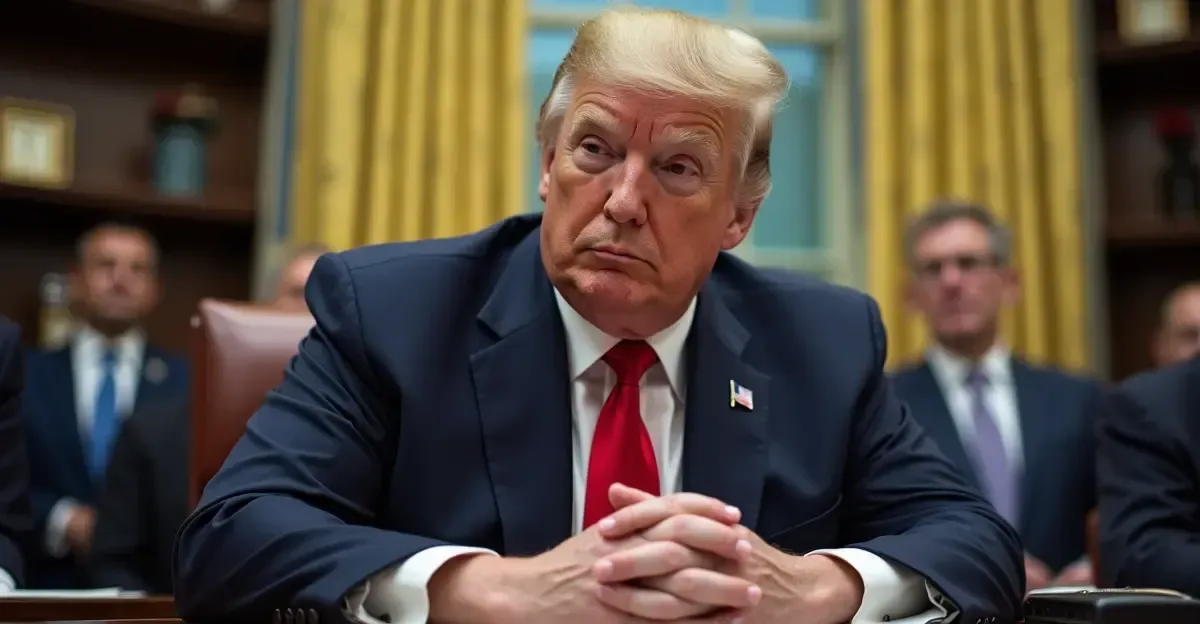
Access to minerals essential for clean energy, defense systems, and advanced technology is creating new fault lines in global power structures. The Atlantic Council's Critical Minerals program highlights how these resources impact national, economic, and energy security in 21st-century economies. Recent analysis from ODI identifies four key dynamics reshaping global power shifts in 2026: the second Trump administration's prioritization of securing critical raw materials through domestic production expansion and bilateral partnerships; EU challenges in scaling investment despite policy frameworks; China's continued dominance across supply chains; and evolving U.S. project finance approaches.
Future Outlook and Strategic Considerations
The weaponization of critical mineral supply chains represents one of the most significant geopolitical developments of our time. As nations recognize that these resources are "the oil of the twenty-first century" according to CSIS analysis, strategic competition will intensify. The success of diversification efforts like the Lobito Corridor and traceability initiatives in the DRC will determine whether Western nations can build resilient supply chains independent of Chinese control. With China projected to supply over 60% of refined lithium and cobalt by 2035, the race to secure alternative sources and develop substitute materials has become a matter of national security and economic sovereignty.
Frequently Asked Questions
What are critical minerals and why are they important?
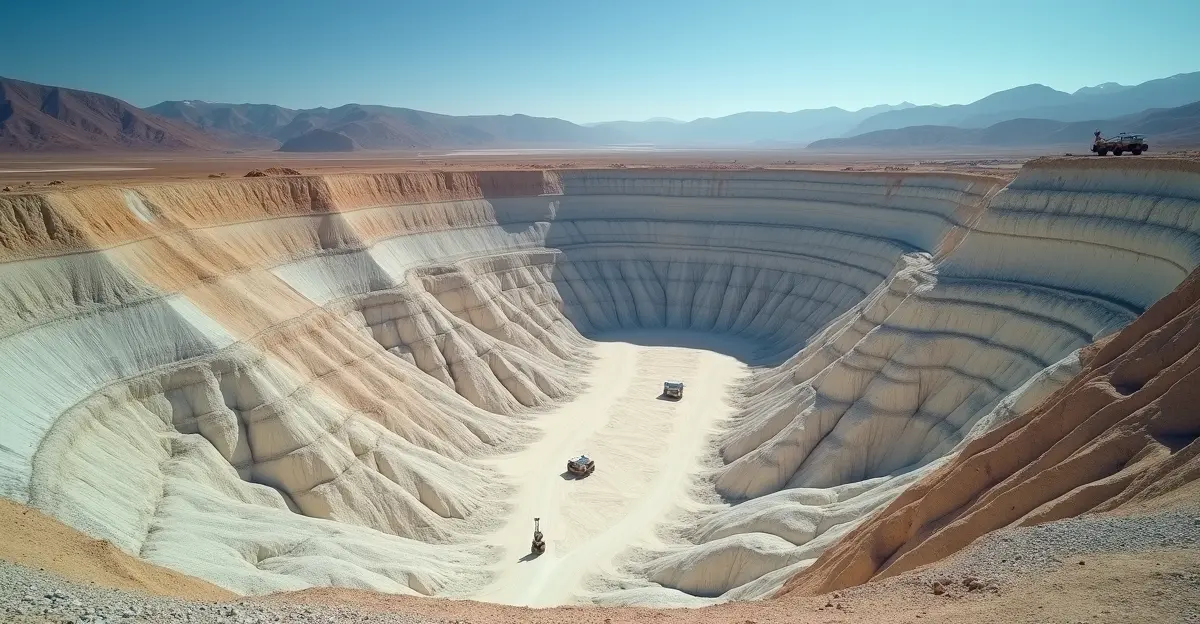
Critical minerals are essential resources used in clean energy technologies, defense systems, electronics, and advanced manufacturing. They include rare earth elements, lithium, cobalt, nickel, and other materials crucial for electric vehicles, renewable energy infrastructure, semiconductors, and military applications.
How much does China dominate critical mineral supply chains?
China controls 91% of global rare earth separation and refining, 94% of sintered permanent magnet production, 70% of 19 out of 20 strategic minerals, and dominates production of germanium (60%), gallium (80%), and antimony (78%).
What is the Lobito Corridor project?
The Lobito Corridor is a 1,700-kilometer railway infrastructure project connecting the Democratic Republic of Congo's mineral-rich Copperbelt region to Angola's Atlantic coast. With $6 billion in total funding, it aims to create an alternative export route for critical minerals to Western markets.
How is the DRC addressing ethical concerns in cobalt mining?
The Democratic Republic of Congo has produced its first 1,000 tons of traceable artisanal cobalt using digital tracking, blockchain records, and government-backed purchasing systems to ensure ethical sourcing and address human rights concerns.
What strategies are Western nations using to counter China's dominance?
Strategies include infrastructure investments like the Lobito Corridor, innovation-focused approaches to develop substitute materials, waste recovery technologies, recycling initiatives, and coordinated efforts with allies to build independent supply chains.
Sources
International Energy Agency, Atlantic Council, Council on Foreign Relations, US-China Economic and Security Review Commission, Reuters, African Leadership Magazine, ODI analysis, CSIS Critical Minerals Security Program
Follow Discussion