


 Deutsch
 English
 Español
 Français
 Nederlands
 Português


 Share
Share




The Geopolitical Calculus of COP31: Why Turkey's Hosting Signals a Strategic Climate Realignment
With COP31 scheduled for November 2026 in Antalya, Turkey's hosting of the United Nations Climate Change Conference represents far more than a logistical achievement—it marks a strategic pivot in global climate diplomacy that positions Ankara as a crucial bridge between developed and developing nations while advancing its own energy transition agenda. This analysis examines how Turkey's unique geopolitical positioning between Europe and the Middle East, combined with its dual role as both a major fossil fuel consumer and growing renewable energy player, creates unprecedented opportunities for reshaping climate finance negotiations and accelerating the global shift toward multipolar climate governance.
What is COP31 and Why Does Turkey's Hosting Matter?
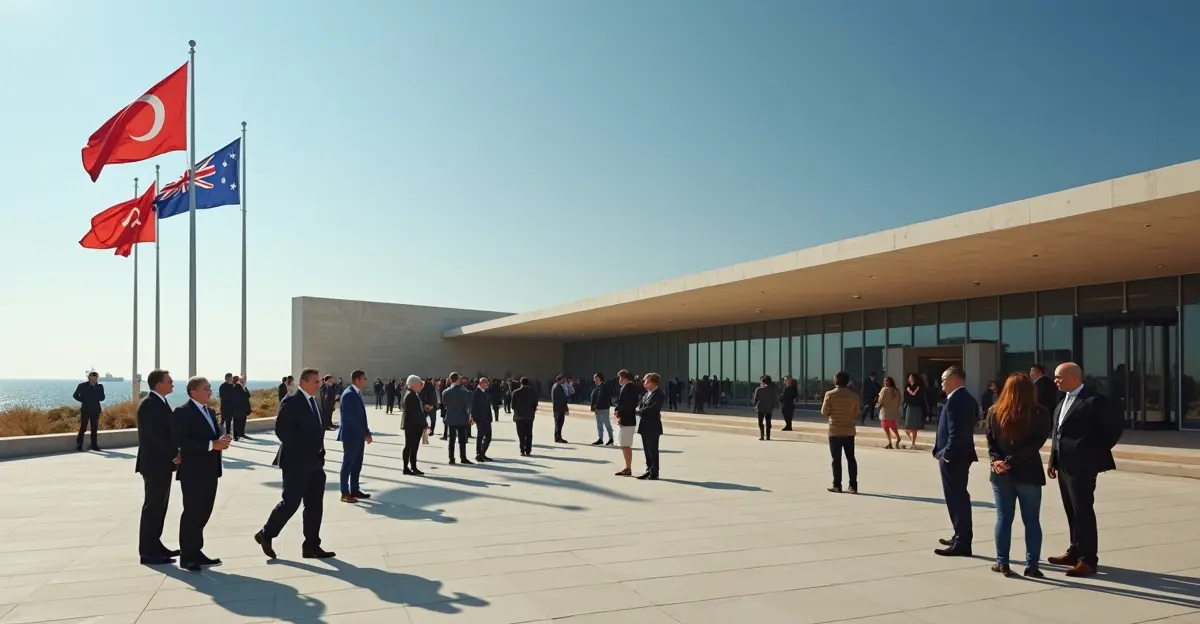
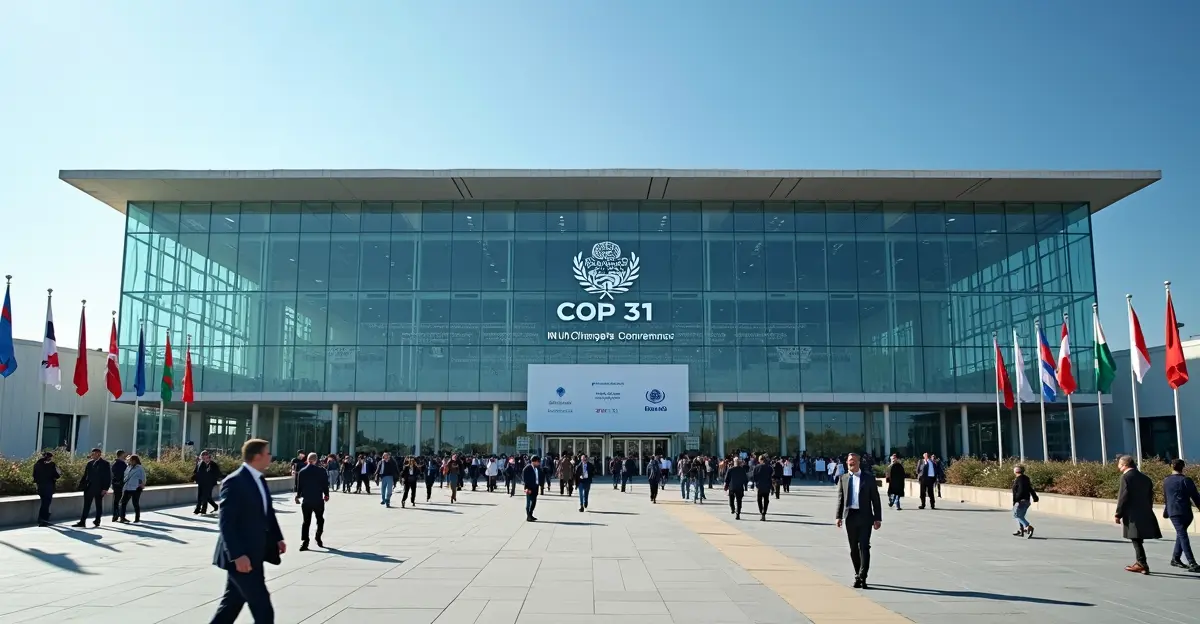
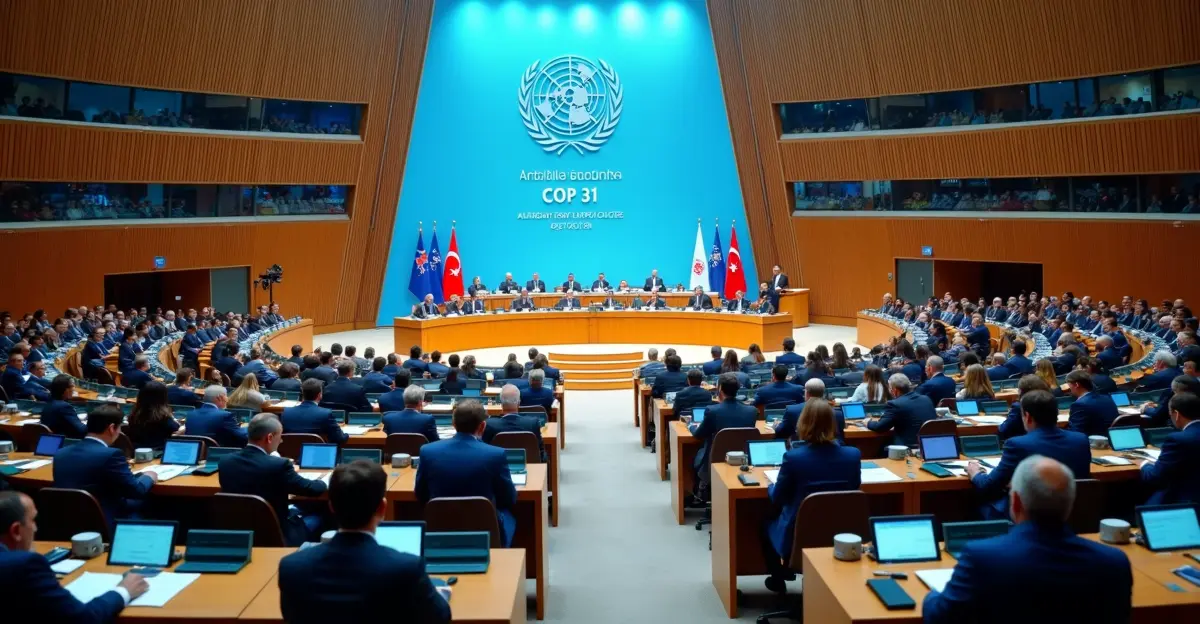
COP31, the 31st United Nations Climate Change Conference, will convene world leaders, climate negotiators, and stakeholders in Antalya, Turkey, in November 2026. As the annual global climate summit under the UNFCCC framework, COP serves as the world's foremost diplomatic arena where nations negotiate emissions reductions, climate financing, and adaptation strategies. Turkey's selection as host is particularly significant given its location in the Mediterranean basin—one of the world's most climate-vulnerable regions—and its strategic position at the crossroads of Europe, Asia, and the Middle East. The conference will be held at the Expo 2016 Antalya site, which offers sustainable facilities aligned with the conference's objectives.
Turkey's Dual Energy Identity: Fossil Fuel Dependence Meets Renewable Ambition
Turkey presents a fascinating case study in climate policy contradictions. The country adopted its first Climate Law on July 9, 2025, marking a potential turning point in its climate approach, yet continues to navigate complex energy realities. While Turkey has committed to the Paris Agreement with a net-zero target for 2053 and has seen impressive growth in solar and wind capacity, it remains heavily dependent on coal and natural gas for energy security, resulting in rising greenhouse gas emissions.
Renewable Energy Expansion
Turkey's renewable energy sector has experienced remarkable growth, with renewables reaching 54% of installed power capacity by 2022. The country has become a regional leader in solar and wind integration, though challenges persist in grid infrastructure and energy storage. This renewable expansion positions Turkey as a credible voice in global renewable energy transition discussions while maintaining its fossil fuel infrastructure.
Fossil Fuel Infrastructure
Simultaneously, Turkey continues to develop major fossil fuel infrastructure projects, including the TANAP and TurkStream pipelines, which position the country as a critical energy transit hub connecting Europe to energy-rich regions. This dual identity allows Turkey to speak authentically to both developed nations seeking climate leadership and developing economies prioritizing energy access and security.
Geopolitical Positioning: Bridge Between Worlds
Turkey's strategic location and diplomatic relationships create unique opportunities for climate diplomacy innovation. As a NATO member with aspirations for EU accession and strong ties to Middle Eastern nations, Turkey occupies a distinctive position in global climate negotiations.
EU-Turkey Climate Relations
The European Union has provided over €1.5 billion in climate support to Turkey, creating a foundation for enhanced cooperation. COP31 offers an opportunity to reset EU-Turkey relations through climate diplomacy, potentially addressing longstanding political tensions through shared environmental objectives. The conference could serve as a platform for negotiating enhanced climate finance mechanisms and technology transfer agreements.
Developing World Advocacy
Turkey's status as an emerging economy with developing nation characteristics under the UNFCCC allows it to advocate effectively for adaptation funding and loss-and-damage mechanisms crucial to vulnerable nations. This positioning enables Turkey to bridge the persistent divide between developed and developing countries in climate negotiations, particularly regarding the contentious issue of climate finance distribution.
Climate Finance Reshaping: Turkey's Strategic Opportunity
COP31 presents Turkey with a unique platform to reshape global climate finance architecture. As host, Turkey can influence negotiations around the $100 billion annual climate finance goal and advocate for more equitable distribution mechanisms.
Adaptation Funding Priorities
Turkey's vulnerability to climate impacts—including water scarcity, desertification, and extreme weather events—positions adaptation as a central concern. The country can leverage its hosting role to prioritize adaptation funding in climate finance discussions, advocating for mechanisms that address the specific needs of Mediterranean and Middle Eastern nations facing similar challenges.
Energy Transition Financing
Turkey's own energy transition requires substantial investment, estimated at hundreds of billions of dollars. COP31 provides a forum to negotiate international support for Turkey's renewable energy expansion and grid modernization, potentially creating models for other emerging economies pursuing similar transitions while maintaining energy security.
Regional Implications: Eastern Mediterranean Energy Security
The COP31 hosting occurs against the backdrop of complex energy dynamics in the Eastern Mediterranean, where natural gas discoveries and pipeline politics intersect with climate imperatives. Turkey's role as both an energy transit hub and climate conference host creates opportunities to integrate energy security discussions with climate policy frameworks.
Natural Gas Transition Strategy
Turkey can position natural gas as a transition fuel within broader decarbonization strategies, advocating for frameworks that recognize the role of gas in displacing coal while planning for eventual phase-down. This approach aligns with the interests of both energy-producing nations and climate-conscious European importers.
Regional Climate Cooperation
COP31 offers a platform for enhanced regional climate cooperation in the Mediterranean basin, where shared vulnerabilities create common interests. Turkey can facilitate dialogue between European, Middle Eastern, and North African nations on adaptation strategies, renewable energy integration, and climate-induced migration challenges.
Expert Perspectives: A New Era of Climate Diplomacy
UN Climate Change Executive Secretary Simon Stiell emphasized during February 2026 preparations that "climate action can deliver stability in an unstable world" and called for a new era of international climate cooperation focused on implementation. Turkey's Minister of Environment Murat Kurum, serving as COP31 President-Designate, outlined Turkey's approach based on dialogue, consensus, and action, noting that Turkey and Australia will collaborate closely in a unique partnership model.
Climate policy analysts note that Turkey's hosting represents a broader shift toward multipolar climate governance, where traditional Western leadership is complemented by emerging powers with different perspectives and priorities. This evolution reflects the growing recognition that effective climate action requires inclusive participation from diverse geopolitical blocs.
Future Outlook: Implications Beyond 2026
The success of COP31 will be measured not only by immediate negotiation outcomes but by its long-term impact on global climate governance structures. Turkey's hosting could establish precedents for future climate conferences in emerging economies and create new models for bridging North-South divides in environmental diplomacy.
As preparations intensify for the November 2026 summit, Turkey faces the challenge of balancing its domestic energy priorities with international climate leadership expectations. The country's ability to navigate these competing demands while facilitating productive negotiations will test its diplomatic capacity and shape its role in the global climate governance architecture for years to come.
Frequently Asked Questions
What is COP31 and when will it be held?
COP31 is the 31st United Nations Climate Change Conference scheduled for November 2026 in Antalya, Turkey. It will bring together world leaders, climate negotiators, and stakeholders to advance global climate action under the UNFCCC framework.
Why is Turkey's hosting of COP31 strategically significant?
Turkey's hosting is strategically significant because it positions the country as a bridge between developed and developing nations in climate negotiations, leverages its unique geopolitical position between Europe and the Middle East, and allows Turkey to reshape climate finance discussions while advancing its own energy transition agenda.
How does Turkey balance fossil fuel dependence with climate leadership?
Turkey balances these competing priorities through a dual strategy: expanding renewable energy capacity (reaching 54% of installed power by 2022) while maintaining fossil fuel infrastructure for energy security. The country's first Climate Law, adopted in July 2025, represents a potential turning point in this balancing act.
What are the key climate finance issues Turkey can influence at COP31?
Turkey can influence adaptation funding mechanisms, loss-and-damage financing, the $100 billion annual climate finance goal, and equitable distribution frameworks that address the needs of developing and vulnerable nations, particularly in the Mediterranean and Middle Eastern regions.
How might COP31 affect EU-Turkey relations?
COP31 offers an opportunity to reset EU-Turkey relations through climate diplomacy, potentially addressing political tensions through shared environmental objectives. The EU has provided over €1.5 billion in climate support to Turkey, creating a foundation for enhanced cooperation that could be expanded during the conference.



Follow Discussion