


 Deutsch
 English
 Español
 Français
 Nederlands
 Português


 Share
Share




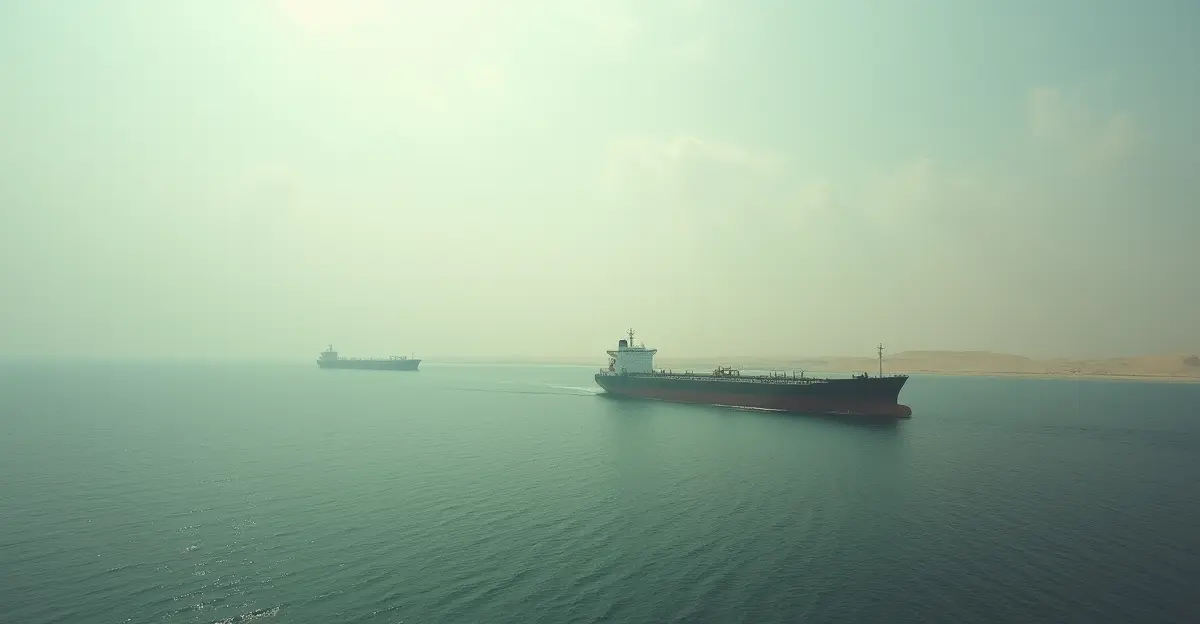
The near-total closure of the Strait of Hormuz since late February 2026 has triggered the largest supply shock in modern history, removing nearly 20% of global oil supplies and sending cascading disruptions through the world economy. Following U.S.-Israeli airstrikes on February 28 — Operation Epic Fury — Iran's Revolutionary Guard effectively sealed the waterway. Ship transits collapsed 95%, from 130 per day to just six in March, according to UNCTAD. Brent crude surged from $72 to above $126 per barrel, with the EIA projecting $115 quarterly averages. This is not a temporary blip — it is a systemic rupture, said UNCTAD Secretary-General Rebeca Grynspan. The global economy is absorbing a shock three to five times larger than the 1973 oil embargo.
Why This Crisis Has No Modern Precedent
The 1973 Arab oil embargo removed 4.5 million barrels per day — roughly 5% of supply. Today's 1973 oil crisis comparison falls short: the Hormuz disruption removes 13–20 million barrels daily, a loss of 17–20%. Dallas Federal Reserve economists estimate a one-quarter closure cuts annualized global GDP growth by 2.9 percentage points, pushing WTI to $98. Multi-quarter scenarios drive Brent to $130–$150 and sustain negative growth through 2026. Citi's super bull case envisions $160–$180 if the Strait stays closed beyond June.
Trade, Transport, and the Inflation Spiral
UNCTAD projects global merchandise trade growth collapsing from 4.7% in 2025 to just 1.5–2.5% in 2026. GDP growth is expected to slow from 2.9% to 2.6%, though the Dallas Fed warns the final figure could be far worse. The global oil supply chains that once moved seamlessly from the Gulf to Asian and European refineries are severed, forcing buyers into expensive spot markets.
Transportation costs have exploded. VLCC tanker rates hit an all-time high of $423,736 per day. War-risk insurance premiums surged four- to eight-fold. Container freight rates rose 20–40%, with Shanghai-Los Angeles reaching $2,402 per FEU. Rerouting via the Cape of Good Hope adds 10–14 days and $40–50 million weekly per major carrier. Air freight rates remain 25% above pre-war levels as jet fuel prices track crude upward.
Developing Nations at the Epicenter
Energy-importing developing economies face the most acute pressure. UNCTAD warns 3.4 billion people live in countries spending more on debt service than on health or education — a burden now compounded by surging fuel, food, and fertilizer costs. Sixty-one nations confront simultaneous oil and food shocks, threatening 45 million people with acute food insecurity. South Asia and sub-Saharan Africa are witnessing sharp currency depreciations amid capital flight. The developing economy debt vulnerabilities exposed today echo the 1980s debt crisis, but with less multilateral fiscal space.
The fertilizer shock exemplifies the cascading disruption. Persian Gulf states supply 43% of seaborne urea, 44% of global sulfur, and over a quarter of ammonia exports — all trapped behind the chokepoint. Morocco's OCP Group warns of a full fertilizer supply shock, while Saudi output has halved.
The Great Supply Chain Reset
The crisis is accelerating a shift from just-in-time to just-in-case logistics, where supply chain diversification trumps marginal cost savings. The U.S. launched the FORGE alliance — 54 nations, $30 billion in financing, and a $10 billion strategic minerals reserve — to secure critical mineral supply chains and counter China's rare-earth dominance. The IEA released 400 million barrels from strategic reserves, and the UAE exited OPEC amid the production collapse. On energy transition, the Council on Foreign Relations cautions that today's energy security strategies face grid constraints and Chinese supply-chain dependence that were absent in the 1970s. Japan alone has allocated ¥13.6 trillion ($95.2 billion) in fossil-fuel subsidies since 2022.
Frequently Asked Questions
How does this compare to the 1973 oil shock?
The 2026 disruption is three to five times larger in supply terms — 13–20 million barrels per day versus 4–5 million. While modern economies are less oil-intensive, the interconnected nature of today's supply chains amplifies downstream effects across fertilizers, plastics, and critical minerals.
What happens if the Strait stays closed?
A one-quarter closure is painful but manageable, with a sharp GDP rebound as prices ease. A multi-quarter closure risks synchronized global recession, particularly if financial contagion spreads through developing-country debt markets. Citi's worst case sees Brent at $160–$180.
Which regions are most exposed?
South Asia — India, Pakistan, Bangladesh — faces the highest energy exposure. Sub-Saharan Africa confronts dual food and fuel shocks. Europe, while better buffered, faces significant industrial cost increases in chemicals and fertilizers.


Follow Discussion