


 Deutsch
 English
 Español
 Français
 Nederlands
 Português


 Share
Share




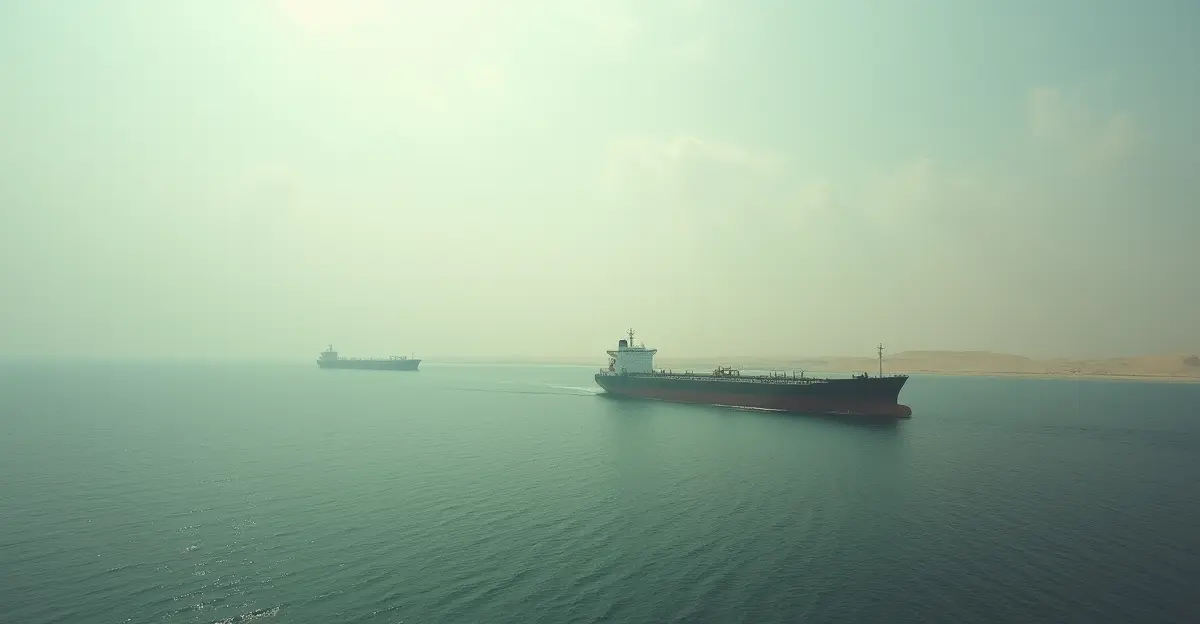
The Strait of Hormuz crisis, which began on February 28, 2026, has triggered a catastrophic collapse in global energy flows, with transits through the strategic chokepoint dropping by over 90% in March. According to UNCTAD, daily ship crossings fell from an average of 129 in February to just six in March — a 95% reduction that has effectively closed the waterway. This disruption has removed roughly 20% of global oil supply from the market, a shock three to five times larger than the 1973 oil crisis, according to the Dallas Federal Reserve. Brent crude surged from $61 per barrel at the start of 2026 to $118 by the end of Q1, peaking at $126 in late March. The crisis, now in its third month, threatens to tip the global economy into a full-blown recession by late 2026.
How the Crisis Unfolded
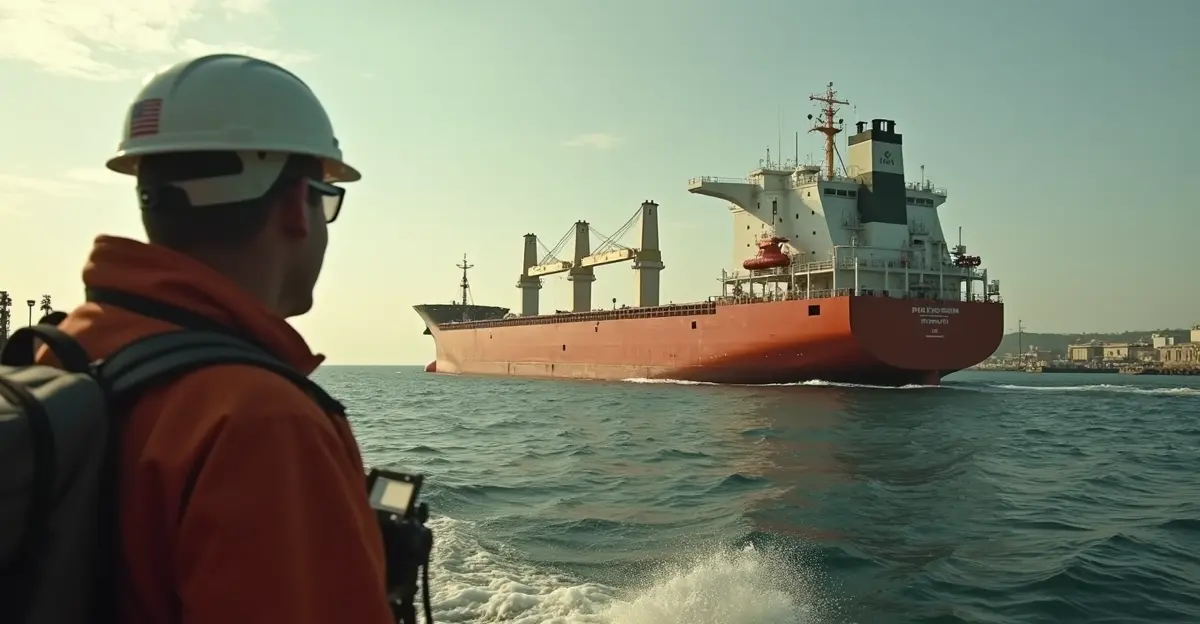
The crisis erupted on February 28, 2026, when the United States and Israel launched coordinated airstrikes against Iran, assassinating Supreme Leader Ali Khamenei. In retaliation, Iran's Islamic Revolutionary Guard Corps (IRGC) blocked the Strait of Hormuz — a 21-mile-wide passage that previously handled about 20 million barrels of oil per day, or 25% of global seaborne oil trade and 20% of LNG. Iran attacked merchant ships, laid sea mines, and issued passage warnings, prompting shipping firms to suspend operations. By March 2, 138 container ships carrying roughly 470,000 TEUs were trapped in the Persian Gulf. Ocean carriers declared force majeure and imposed emergency surcharges of up to $3,000 per FEU.
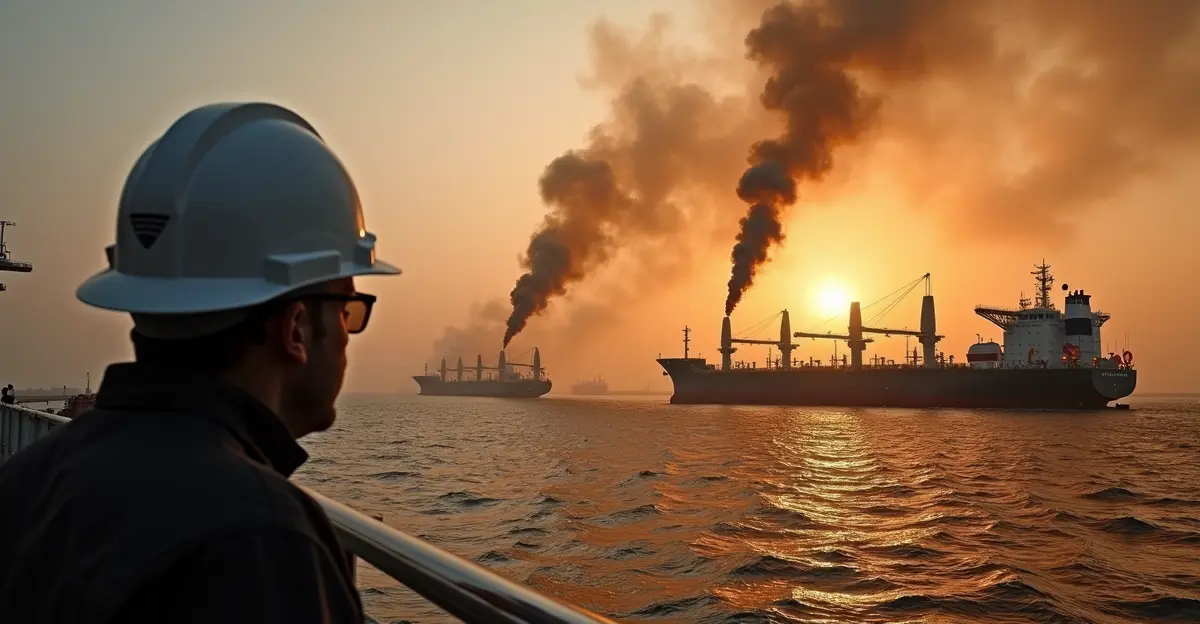
On March 27, the IRGC formally declared the strait closed to vessels going "to and from" the ports of the US, Israel, and their allies. The International Maritime Organization reported on April 21 that about 20,000 mariners and 2,000 ships were stranded in the Gulf. A temporary ceasefire on April 8 briefly raised hopes, but Iran began charging tolls exceeding $1 million per vessel. When the Islamabad Talks failed, the US Navy imposed its own blockade of Iranian ports on April 13, creating what The Guardian described as a "dual blockade." The 2026 Middle East conflict shows no signs of resolution, with analysts expecting disruptions to persist through the remainder of 2026.
Energy Market Shockwaves
Oil Prices and Supply
The Dallas Federal Reserve's March 20 analysis modeled three scenarios: a one-quarter closure would push WTI to $98/bbl and lower global GDP growth by 2.9 percentage points in Q2 2026; a two-quarter closure could push oil to $115/bbl; and a three-quarter closure could see prices reach $132/bbl. The EIA's April Short-Term Energy Outlook reported that oil production shut-ins in Iraq, Saudi Arabia, Kuwait, UAE, Qatar, and Bahrain reached 7.5 million b/d in March and were expected to rise to 9.1 million b/d in April. Brent crude averaged $103/bbl in March and was forecast to peak at $115/bbl in Q2 2026. The World Bank noted that global oil supply crashed by 10.1 million b/d in March — the largest monthly decline since COVID-19 — and projected a 3.7 million b/d deficit in Q2 2026.
Emergency Responses
The IEA approved a record 400 million barrel emergency oil release in March, the largest coordinated stockpile release in history. US retail gasoline peaked near $4.30/gallon in April, while diesel prices exceeded $5.80/gallon. The Brent-WTI spread widened to $25/bbl, reflecting the severity of the supply dislocation. However, existing bypass pipelines — including the 1.5 million b/d Petroline across Saudi Arabia and the 1.8 million b/d Habshan-Fujairah pipeline in the UAE — can offset only about 35% of normal Hormuz volumes, leaving a structural supply gap exceeding 13 million b/d.
Food Security and Fertilizer Crisis
The FAO warned on May 20 that the Hormuz closure could trigger a systemic agrifood shock within six to 12 months. Fertilizer prices have spiked 80%, with urea prices surging over 50% in major agricultural markets like Brazil and the US. The FAO's Food Price Index reached 130.7 points in April 2026, while the Cereal Price Index rose to 111.3 points. Disruptions are delaying 1.5–3 million metric tons of fertilizer trade monthly. Low-income, food-importing countries in Africa and Asia face the greatest risk, as sustained price hikes could reduce yields of wheat, maize, and rice. FAO Chief Economist Máximo Torero warned that this "input crisis" could escalate into a wider food emergency. The global food security risks 2026 are compounded by currency weakening in developing economies — African currencies have depreciated up to 2.9% — and 3.4 billion people in 46 developing countries already spending more on debt servicing than on health or education.
Global Trade and Recession Risks
UNCTAD's Trade and Development Foresights 2026 report projects world merchandise trade growth will fall from 4.7% in 2025 to between 1.5% and 2.5% in 2026 — the lowest since 2023. The IMF's April 2026 World Economic Outlook projects global growth slowing to 3.1% in 2026 and 3.2% in 2027, below pre-pandemic averages, with downside risks dominated by a prolonged conflict. The Dallas Fed estimates that even a one-quarter closure would reduce global GDP by an annualized 2.9 percentage points in Q2 2026, and GDP levels would remain below pre-closure baselines through 2027 even after reopening. Shipping costs have soared: transpacific rates to the US West Coast rose ~40%, while Asia–North Europe rates increased ~20%. Rerouting via the Cape of Good Hope adds 10–14 days per voyage. The global supply chain disruption 2026 is cascading across industries, with aluminum and helium markets also severely affected.
Financial Stability Concerns
The World Bank and IMF have both flagged financial stability risks. Developing economies face mounting pressure from higher import costs, currency weakening, and capital flight. UNCTAD called for emergency financing, debt relief, and measures to prevent a cascading crisis across energy, trade, and finance. The IMF's analysis of past conflicts shows that armed conflicts generate large and persistent output losses that exceed those from financial crises or natural disasters. The 2026 global recession outlook hinges on whether diplomatic efforts can reopen the strait before the end of Q2 2026.
Expert Perspectives
"This is the single most consequential geopolitical-economic event of the year so far," said Chloe Nowak, energy analyst. "The scale of the supply shock — removing 20% of global oil — dwarfs anything we've seen since the 1970s. Without a rapid diplomatic resolution, the world faces a synchronized recession." The Dallas Fed's research notes that the shock is three to five times larger than the 1973 oil crisis or the 1990 Gulf War. EIA Administrator Tristan Abbey warned that fuel prices will continue rising until variables around the closure duration and production outages resolve.
Frequently Asked Questions
What caused the Strait of Hormuz crisis in 2026?
The crisis began on February 28, 2026, when the US and Israel launched airstrikes against Iran, assassinating Supreme Leader Ali Khamenei. Iran retaliated by blocking the Strait of Hormuz, attacking ships, and laying mines.
How much has oil supply been affected?
Global oil supply crashed by 10.1 million barrels per day in March 2026, with production shut-ins reaching 9.1 million b/d in April. The strait previously handled about 20 million b/d of oil, representing 20% of global supply.
What is the economic impact?
UNCTAD projects world trade growth falling from 4.7% to 1.5–2.5%. The Dallas Fed estimates a one-quarter closure could reduce global GDP by 2.9 percentage points in Q2 2026. Brent crude surged from $61 to $118 per barrel in Q1 2026.
How does this affect food prices?
Fertilizer prices have spiked 80%, with urea up over 50%. The FAO warns of a systemic agrifood shock within 6–12 months, threatening yields of wheat, maize, and rice, especially in low-income importing countries.
What policy options are available?
The IEA released 400 million barrels from strategic reserves. Options include diplomatic negotiations to reopen the strait, expanding bypass pipeline capacity, accelerating renewable energy investment, and providing emergency financing to vulnerable developing economies.
Conclusion and Outlook
The Strait of Hormuz crisis represents the most severe disruption to global energy markets in modern history. With no diplomatic resolution in sight as of late May 2026, the risks of a global recession in 2026 are mounting. The UN, IEA, Dallas Fed, World Bank, FAO, and IMF have all issued urgent warnings in March–April 2026. The path forward requires coordinated international action to reopen the strait, stabilize energy markets, protect food security, and support the most vulnerable economies. Without such action, the world faces a prolonged period of high inflation, slow growth, and heightened geopolitical instability.



Follow Discussion