


 Deutsch
 English
 Español
 Français
 Nederlands
 Português


 Share
Share




Introduction: The Chokepoint That Broke the Global Economy
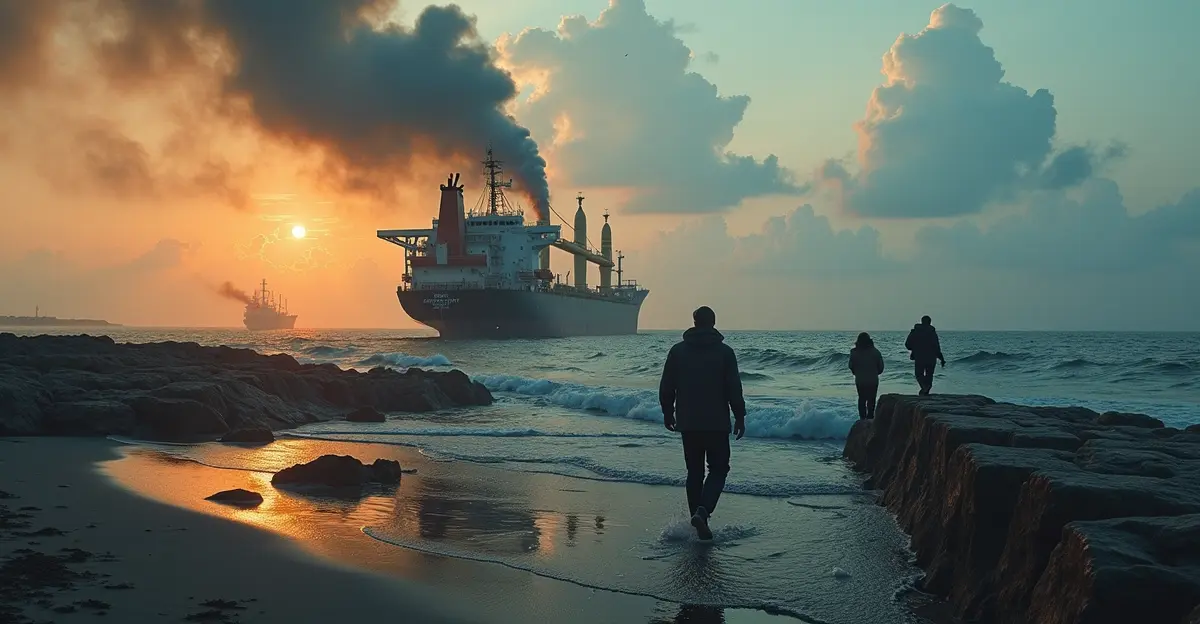
In late February 2026, escalating Middle East tensions triggered a catastrophic disruption at the Strait of Hormuz, the narrow waterway through which nearly 20 million barrels of oil—over 20% of global seaborne petroleum—transit daily. By early March, vessel traffic plummeted from 130 ships per day to just 2–7, according to UNCTAD. The resulting energy shock has sent oil prices surging over 60% and gas prices more than doubling, cutting global trade growth projections from 4.7% in 2025 to as low as 1.5% in 2026, as detailed in UNCTAD's Trade and Development Foresights 2026 report released in May. This article analyzes the cascading macroeconomic effects, from developing-economy currency crises to food supply chain disruptions, and examines whether the crisis will accelerate or delay the energy transition.
Context: The Strait of Hormuz and Its Strategic Importance
The Strait of Hormuz, located between Iran and Oman, is the world's most critical maritime chokepoint. It handles roughly one-quarter of global seaborne oil trade, significant LNG volumes, and about one-third of global seaborne fertilizer trade—16 million tonnes annually. Alternative pipeline routes, including Saudi Arabia's East-West Pipeline, the UAE's Habshan-Fujairah pipeline, and Iraq's route to Turkey, can offset only about 35% of the volumes that previously transited the strait. Even with coordinated releases from strategic petroleum reserves—adding perhaps 6–7 million barrels per day—a supply gap exceeding 10 million barrels per day remains. The global energy security implications are profound, as the $110 trillion global economy has been effectively held hostage by a single waterway.
Macroeconomic Fallout: From Oil Prices to Trade Collapse
Energy Price Shock and Inflation
Brent crude prices surged approximately 65% ($46/bbl) by the end of March 2026, recording the largest monthly rise in history. Global oil supply crashed by 10.1 million barrels per day in March due to attacks on energy infrastructure and tanker restrictions. The World Bank's baseline forecast expects Brent averaging $86/bbl in 2026, with risks skewed upward to $95–$115/bbl if hostilities re-escalate. Gas prices more than doubled, hitting nitrogen-based fertilizer production particularly hard—a sector heavily reliant on Gulf natural gas. With spring planting season underway, countries unable to secure affordable fertilizers face reduced crop yields and increased food insecurity.
Trade Growth Collapse
UNCTAD's report projects global merchandise trade growth will fall from 4.7% in 2025 to between 1.5% and 2.5% in 2026—a dramatic slowdown. The crisis has shifted geopolitical tensions above trade policy as the primary global risk. Developing economies are especially vulnerable due to heavy dependence on imported fuels, food, and fertilizers. Rising import bills, weaker external demand, and the threat of capital flight are triggering currency crises in several emerging markets. The developing economy debt crisis is worsening as fiscal space narrows.
Impact on Developing Economies: The Hidden Casualties
The crisis hits developing nations hardest. UNCTAD's Frida Youssef warned that disruptions are spreading beyond the Strait to the Red Sea and beyond, causing rerouted vessels, extended journeys, and rising costs. Fertilizer shortages threaten food production in vulnerable regions already burdened with high debt and limited fiscal space. The report highlights that rising fuel costs are pushing up shipping expenses across global supply chains, with tanker freight rates and war-risk insurance premiums climbing sharply. For many developing countries, the combination of higher energy import bills, reduced export demand, and capital flight creates a perfect storm. The food supply chain disruptions could trigger social unrest in the most affected regions.
Energy Transition: Accelerated or Delayed?
The crisis has sparked intense debate about the future of the energy transition. On one hand, the vulnerability of fossil fuel dependence has never been clearer. UNCTAD's report calls for accelerated investment in renewable energy and critical technologies to build a more resilient global economy. IEA Executive Director Fatih Birol noted that the crisis has permanently shifted cost-benefit calculations, with Gulf states seeking permanent, multi-corridor export infrastructure. However, the immediate scramble for alternative oil and gas supplies may also delay the transition, as countries prioritize energy security over climate goals. Global clean energy investment remains uneven, disadvantaging developing regions that lack capital for renewable projects. The energy transition investment trends will be closely watched in the coming months.
Expert Perspectives
Frida Youssef, UNCTAD's Chief of Transport Section, stated: "The disruptions are spreading beyond the Strait to the Red Sea and beyond, causing rerouted vessels, extended journeys, and rising costs. The crisis is driving up energy and transport costs, food prices, and fertilizer production expenses." The World Bank's analysis confirms this is the largest oil market shock in history, with pronounced volatility expected to persist. Robert Rapier, writing for Forbes, emphasized the impossible math of quickly replacing 20 million barrels per day, warning that prolonged disruption would drive prices sharply higher and potentially affect global agriculture through fertilizer and petrochemical shortages.
FAQ
What is the Strait of Hormuz and why is it important?
The Strait of Hormuz is a narrow waterway between Iran and Oman through which roughly 20% of the world's oil and a significant portion of global LNG transits daily. It is the world's most critical maritime chokepoint for energy trade.
How much has oil prices risen due to the crisis?
Brent crude prices surged approximately 65% ($46/bbl) by the end of March 2026, the largest monthly rise on record. The World Bank expects Brent to average $86/bbl in 2026, with potential spikes to $115/bbl.
What are the alternative routes to the Strait of Hormuz?
Alternative pipelines include Saudi Arabia's East-West Pipeline, the UAE's Habshan-Fujairah pipeline, and Iraq's route to Turkey. However, their combined capacity can offset only about 35% of the volumes that previously transited the strait, and they are vulnerable to attack.
How does this crisis affect developing economies?
Developing economies face rising import bills for energy, food, and fertilizers, weaker external demand, capital flight, and currency crises. They are the most vulnerable due to high debt and limited fiscal space.
Will the crisis accelerate the energy transition?
The crisis highlights the vulnerability of fossil fuel dependence and has spurred calls for accelerated renewable energy investment. However, the immediate scramble for alternative oil and gas supplies may also delay the transition, creating a complex dynamic.
Conclusion: A Watershed Moment for Global Economic Stability
The Strait of Hormuz crisis of 2026 is the most consequential geopolitical-economic event of the year, with long-ranging strategic implications for energy security, trade, and global stability. The UNCTAD report makes clear that the global economy faces a structural energy gap that cannot be quickly filled. The crisis underscores the fragility of global supply chains dependent on critical maritime chokepoints and calls for building resilience through diversification of energy routes and accelerated investment in renewables. As the world watches the Gulf region, the choices made in the coming months will shape the global economic landscape for decades. The future of global trade policy will need to account for these new realities.

Follow Discussion