


 Deutsch
 English
 Español
 Français
 Nederlands
 Português


 Share
Share




The U.S.-Israel military operation against Iran that began on February 28, 2026 — now widely referred to as the Feb 28 War — has triggered the largest oil supply disruption in history, with Brent crude spiking above $120 per barrel and the Strait of Hormuz effectively closed for weeks. Beyond energy prices, the conflict has fractured global LNG markets, disrupted semiconductor-grade helium supplies, and exposed the structural vulnerability of Asian economies that rely on Gulf energy. As the April 2026 ceasefire teeters and the global economy absorbs an estimated $20-billion-per-day shock, policymakers and markets urgently need a clear-eyed assessment of the structural shifts this conflict has triggered — from energy routing to industrial supply chains and geopolitical alliances.
Context: The Feb 28 War and Its Immediate Fallout
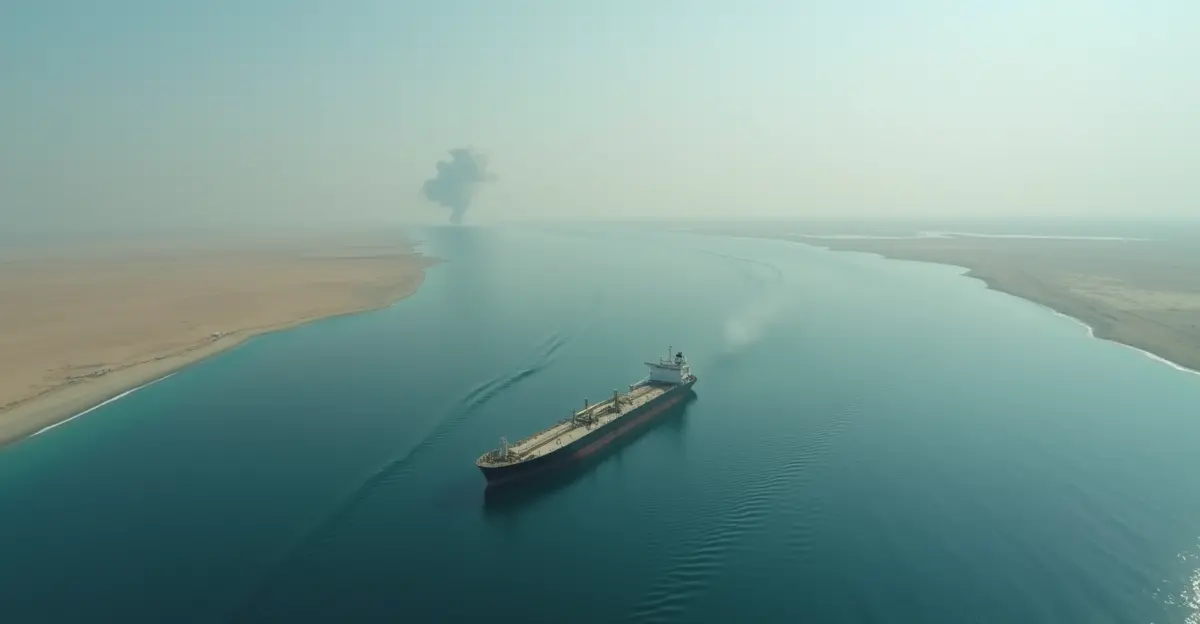
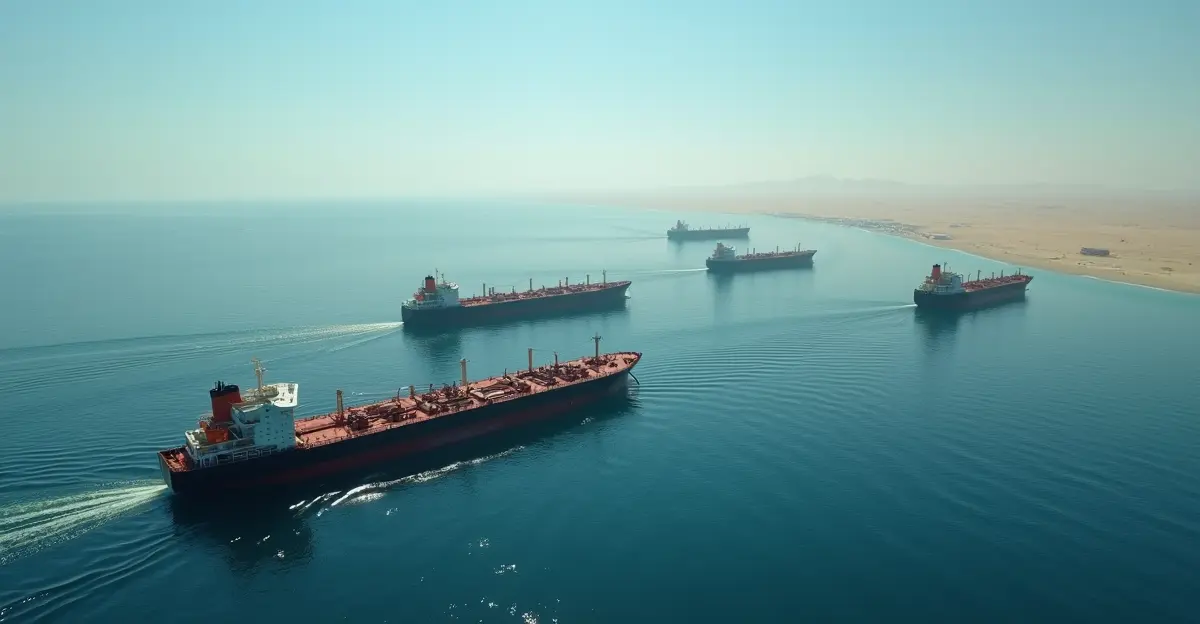
On February 28, 2026, the United States and Israel launched surprise airstrikes on Iran, targeting military and government sites and assassinating several top officials, including Supreme Leader Ali Khamenei. The attacks came during ongoing nuclear negotiations and represented a dramatic escalation of the Iran–Israel proxy conflict. Iran retaliated with hundreds of missiles and drones against Israel and US bases across the Middle East, and — critically — closed the Strait of Hormuz, through which approximately 20% of the world's oil passes. The Strait of Hormuz blockade reduced tanker traffic by 70–90%, with over 150 vessels anchored outside the Persian Gulf due to missile risks and soaring insurance premiums.
By early March, Brent crude had surged nearly 40% above pre-war levels to $120 per barrel, with some analysts warning it could approach its all-time high of $148 if the blockade persisted. The International Energy Agency (IEA) called it the "largest supply disruption in the history of the global oil market" and ordered the largest release of government oil reserves ever — approximately 400 million barrels — to calm price shocks. Yet the disruption extended far beyond crude oil.
Beyond Oil: LNG, Helium, and Industrial Supply Chains
LNG Markets Fractured
The conflict severely damaged Qatar's Ras Laffan liquefied natural gas (LNG) facility, one of the world's largest, forcing QatarEnergy to declare force majeure and suspend production. This sent shockwaves through global gas markets, particularly in Asia and Europe, which had become increasingly reliant on LNG after the Russia-Ukraine conflict. Japan, South Korea, and other Asian importers faced spot LNG prices tripling as they scrambled for alternative supplies. The global LNG market disruption has forced countries to reconsider long-term contracts and diversify sourcing.
Helium and Semiconductor Supply Chains
Less visible but equally critical, the war disrupted supplies of helium — a byproduct of natural gas processing — used in semiconductor manufacturing, medical MRI machines, and space exploration. About one-third of the world's helium passes through the Strait of Hormuz. The shortage has threatened semiconductor fabrication plants in Taiwan, South Korea, and Japan, compounding existing chip supply chain pressures. As one industry analyst told CNBC: "The helium shortage is the hidden crisis within the energy crisis."
Additionally, the closure disrupted shipments of urea fertilizer (half the world's supply passes through Hormuz) and aluminum, impacting agriculture and manufacturing across Southeast Asia. The helium and semiconductor supply chain crisis highlights how deeply interconnected modern industrial economies are with Gulf energy infrastructure.
Winners and Losers of the Crisis
Russia Emerges as Primary Beneficiary
Russia has been the clearest geopolitical winner. With Western sanctions relaxed as the US focused military resources on Iran, Moscow gained unprecedented oil revenues and expanded market share in Asia. Russian crude exports to China and India surged, while its LNG projects found new buyers in Europe and Asia desperate for alternatives to Gulf supplies. The Russia energy market gains 2026 represent a significant shift in global energy dynamics.
Asian Economies Hit Hardest
Asian economies reliant on Gulf energy imports — Japan, South Korea, India, and Southeast Asian nations — have been the biggest losers. Japan and South Korea source approximately 70% of their crude oil imports from the Middle East. India invoked emergency powers to boost LPG production, while Bangladesh closed universities to conserve electricity. The IMF warned that a prolonged conflict could trigger a global recession, with Asia bearing the brunt of the economic damage.
Gulf Producers Face Long-Term Damage
While some expected Gulf oil producers to benefit from higher prices, the reality is more complex. Iran's retaliatory strikes targeted Saudi Aramco facilities, Kuwait Petroleum reduced output by 100,000 b/d, and Qatar's LNG production remains crippled. The estimated cost to Arab countries exceeded $120 billion by late March, with long-term damage to their fossil fuel and services sectors.
Strategic Realignment of Global Supply Chains
The Feb 28 War has accelerated a fundamental rethinking of global supply chains. The global supply chain realignment 2026

Follow Discussion