


 Deutsch
 English
 Español
 Français
 Nederlands
 Português


 Share
Share




Energy Crisis Guide: South Asia's Cooking Gas Shortage Explained
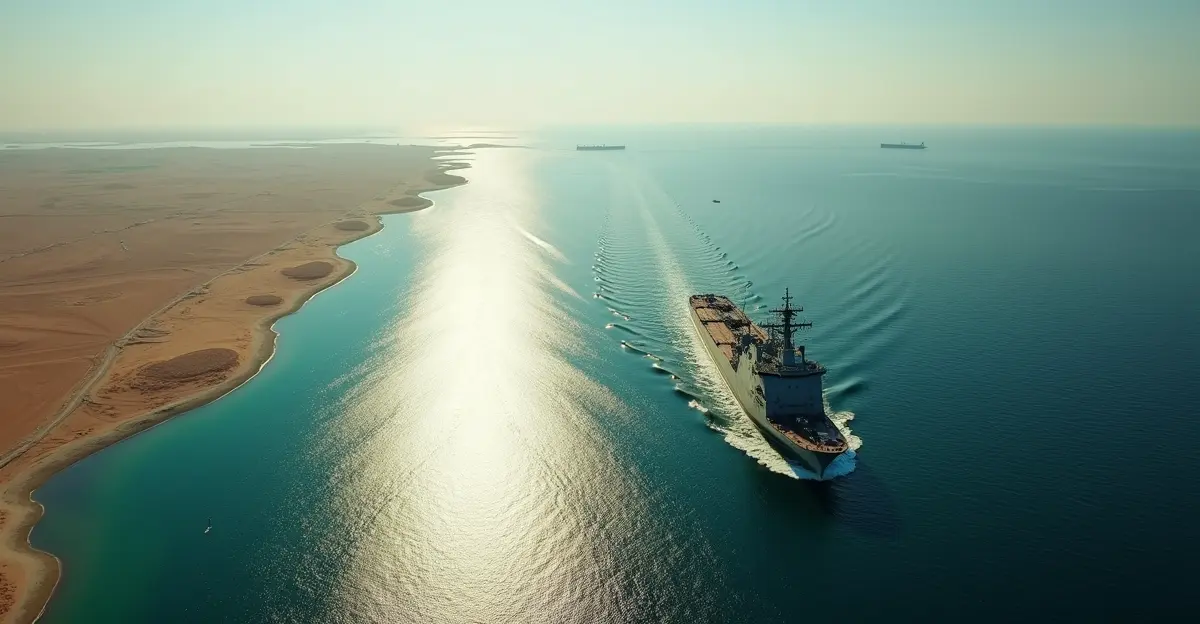
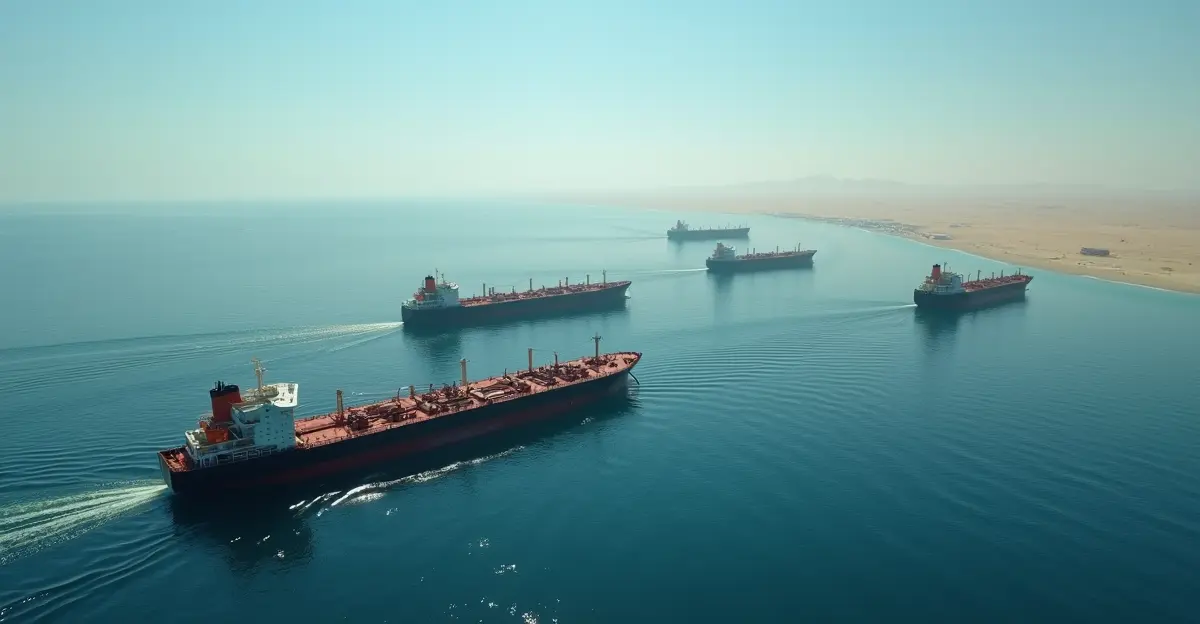
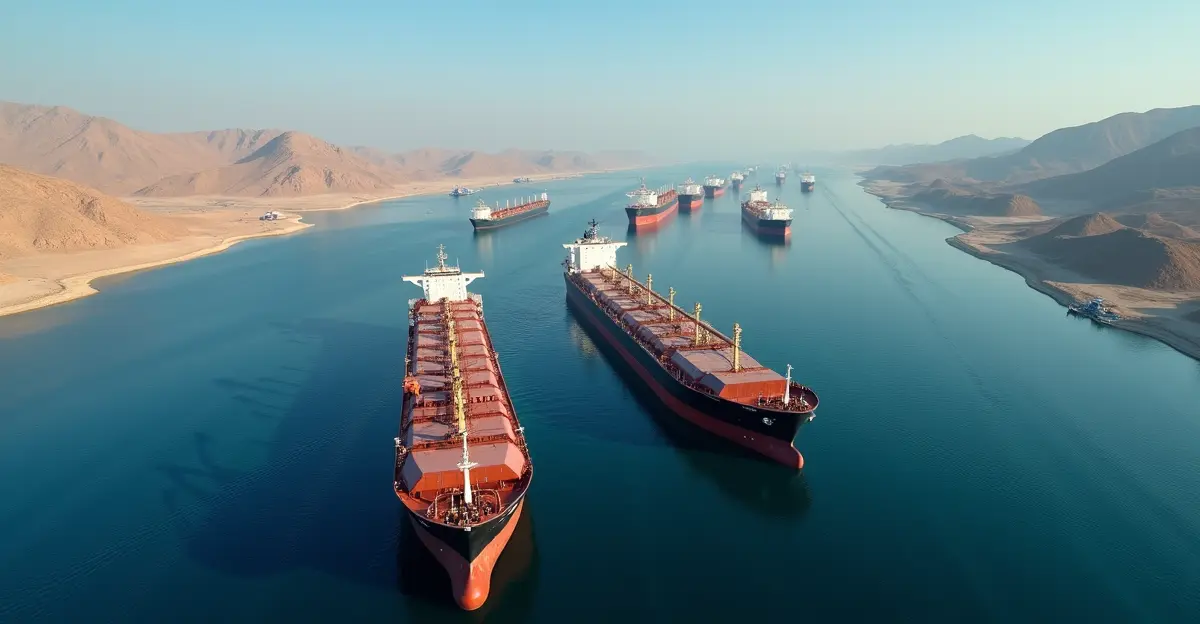
The energy crisis triggered by the Iran war has reached South Asian kitchens, with India facing its worst cooking gas shortage in decades as the Strait of Hormuz closure disrupts 90% of the country's LPG imports. This strategic waterway, which typically handles 20% of global oil supplies and 25% of seaborne oil trade, has become the epicenter of a regional crisis affecting millions of households and thousands of restaurants across South Asia.
What is the South Asia Energy Crisis?
The South Asia energy crisis refers to the severe fuel shortages affecting India, Pakistan, Bangladesh, Nepal and Sri Lanka following the effective closure of the Strait of Hormuz due to the Iran war. This critical maritime choke point, located between the Persian Gulf and Gulf of Oman, normally facilitates the transit of approximately one-third of the world's seaborne oil. With Iran's Revolutionary Guards blocking oil exports from the Middle East, South Asian nations that rely heavily on imported fuel are experiencing unprecedented disruptions to their energy supply chains.
India, the world's third-largest oil importer and second-largest LPG importer, faces particularly acute challenges. The country imports 62% of its LPG needs, with 90% of those imports passing through the now-blocked Strait of Hormuz. This dependency has created a domino effect across the region, similar to the 2025 global supply chain disruptions that affected multiple industries worldwide.
Impact on Indian Restaurants and Daily Life
The cooking gas crisis has hit India's restaurant industry particularly hard, forcing difficult choices for business owners and changing daily life for millions of citizens.
Restaurant Closures and Menu Changes
In New Delhi, gas cylinder availability has plummeted by 80%, forcing restaurants to make painful decisions. Varun Khera, owner of Imperial Spice restaurant known for traditional North Indian curries, faced temporary closure this week. "Eten is belangrijk maar niet elk gerecht is nodig, het voortbestaan van het restaurant gaat uiteindelijk boven alles," says Khera, who has managed to reopen but struggles to maintain his signature butter chicken and dal makhani dishes that require prolonged high-heat cooking.
Sumit Gulati, who operates nine Call Chotu restaurants specializing in affordable Indian food, explains the broader impact: "Voor studenten en jonge werknemers die vaak lange werkdagen maken, is het bestellen van eten geen luxe maar een basisbehoefte in India." His restaurants have eliminated traditional bread baked on tawa plates and fried vegetable snacks from their menus.
Government Response and Prioritization
The Indian Ministry of Petroleum and Natural Gas has implemented emergency measures prioritizing household gas supplies and essential sectors like hospitals and schools. Commercial establishments must compete for remaining stocks, with the government extending LPG refill periods from 21 to 25 days to prevent hoarding. India consumes 31.3 million tonnes of LPG annually, with 87% used domestically and the remainder by commercial sectors.
Regional Impact Across South Asia
The energy crisis extends beyond India, affecting neighboring countries with varying severity:
| Country | Emergency Measures | Impact Level |
|---|---|---|
| Pakistan | Four-day work week, online university classes, spring school holidays | Severe |
| Bangladesh | University closures, military protection of oil depots, 40-liter fuel purchase limits | Critical |
| Sri Lanka | Transport fare increases, electricity rationing | Moderate-Severe |
| Nepal | Fuel price hikes, transportation disruptions | Moderate |
Bangladesh, which imports 95% of its energy needs, has experienced kilometer-long queues at petrol stations and implemented military protection for oil depots against potential looting. Pakistan has seen petrol prices rise by 20 cents per liter, forcing transport fare increases of 15-20% during Ramadan.
Alternative Solutions and Technological Adaptation
As traditional cooking methods become unsustainable, South Asians are rapidly adopting alternative technologies:
Induction Stove Surge
Induction stove sales have skyrocketed 300-400% across India as households and restaurants panic-buy electric alternatives. This shift represents a fundamental change in cooking habits, accelerating India's transition toward electric cooking technologies. The public sector is also adapting, with IRCTC shifting to induction cooktops for railway station catering operations.
Traditional Methods Revival
Some restaurants are returning to traditional cooking methods, including tandoor clay ovens that use coal instead of gas. This represents both a practical adaptation and a cultural return to pre-industrial cooking techniques that had been largely replaced by modern gas systems.
Geopolitical Negotiations and International Response
Indian Prime Minister Narendra Modi has engaged in direct diplomacy with Iranian President Pezeshkian, expressing concerns about Indian citizens' safety in Iran and the passage of fuel shipments. Several ships have reportedly been allowed through the strait with Indian naval escorts, though details remain limited.
Internationally, French President Emmanuel Macron is leading efforts to reopen the Strait of Hormuz, proposing naval escorts for tankers once hostilities decrease. However, military experts warn that reopening remains extremely dangerous due to Iran's advanced anti-ship capabilities including cruise missiles, drones, and naval mines.
The United States has provided a 30-day waiver for purchasing Russian crude oil, offering temporary relief but raising concerns about long-term energy security. This move follows similar EU energy policy shifts in response to global supply disruptions.
Long-Term Implications for Energy Security
The current crisis highlights fundamental vulnerabilities in South Asia's energy infrastructure:
- Import Dependency: Regional economies remain dangerously dependent on imported fuel through vulnerable maritime routes
- Infrastructure Gaps: Limited domestic production and refining capacity exacerbate supply disruptions
- Alternative Energy Transition: The crisis may accelerate adoption of renewable energy and electric cooking technologies
- Geopolitical Realignment: Countries may seek diversified energy partnerships to reduce regional dependencies
Energy analysts warn that sustained high oil prices could push inflation rates even higher across South Asia, potentially triggering broader economic instability. The situation underscores the urgent need for sustainable energy infrastructure development across the region.
Frequently Asked Questions (FAQ)
What caused the South Asia energy crisis?
The Iran war has effectively closed the Strait of Hormuz, blocking 90% of India's LPG imports and disrupting fuel supplies across South Asia.
How long will the cooking gas shortage last in India?
Experts estimate shortages could persist for weeks or months depending on diplomatic progress and military developments in the Strait of Hormuz.
Are induction stoves a permanent solution?
While induction provides immediate relief, long-term solutions require diversified energy sources and improved domestic production capacity.
Which countries are most affected?
India, Pakistan, and Bangladesh face the most severe impacts due to their high dependence on imported fuel through the Strait of Hormuz.
What is the government doing to help restaurants?
The Indian government has prioritized household gas supplies while exploring diplomatic solutions and encouraging alternative cooking technologies.

Follow Discussion