


 Deutsch
 English
 Español
 Français
 Nederlands
 Português


 Share
Share




UAE Delivers Historic Blow to OPEC and Saudi Arabia
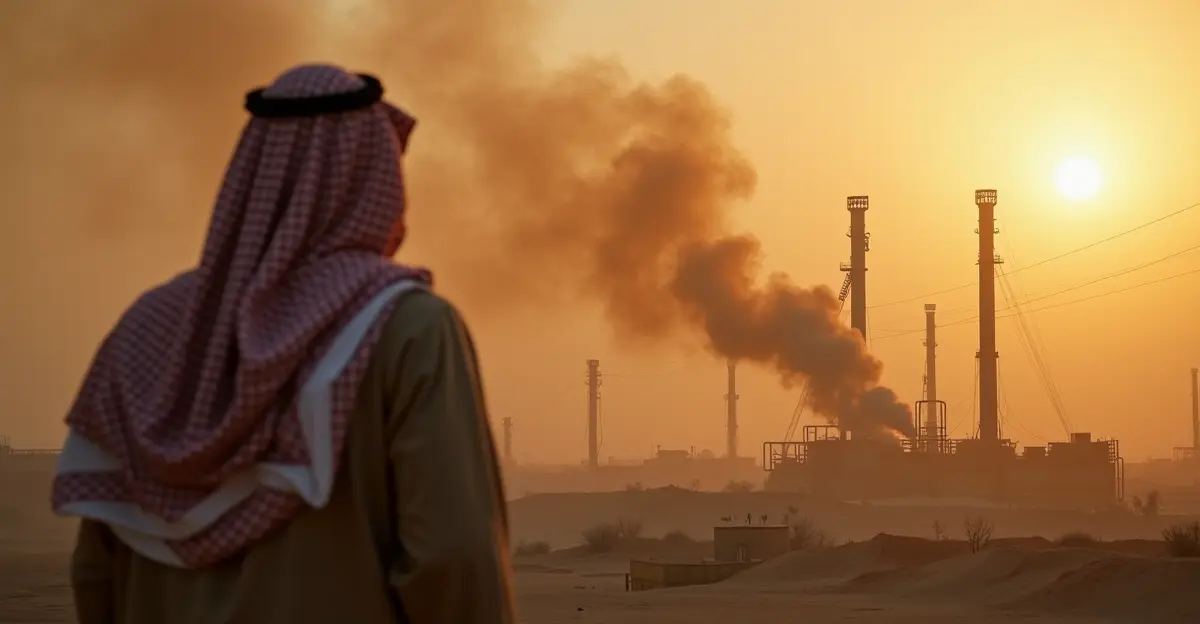
The United Arab Emirates has announced its withdrawal from the Organization of the Petroleum Exporting Countries (OPEC) effective May 1, 2026, ending nearly six decades of membership and dealing a severe blow to the oil cartel's influence. The decision, confirmed by the UAE Ministry of Energy and Infrastructure, is widely seen as a direct challenge to Saudi Arabia's regional leadership and a strategic pivot toward greater oil production autonomy.
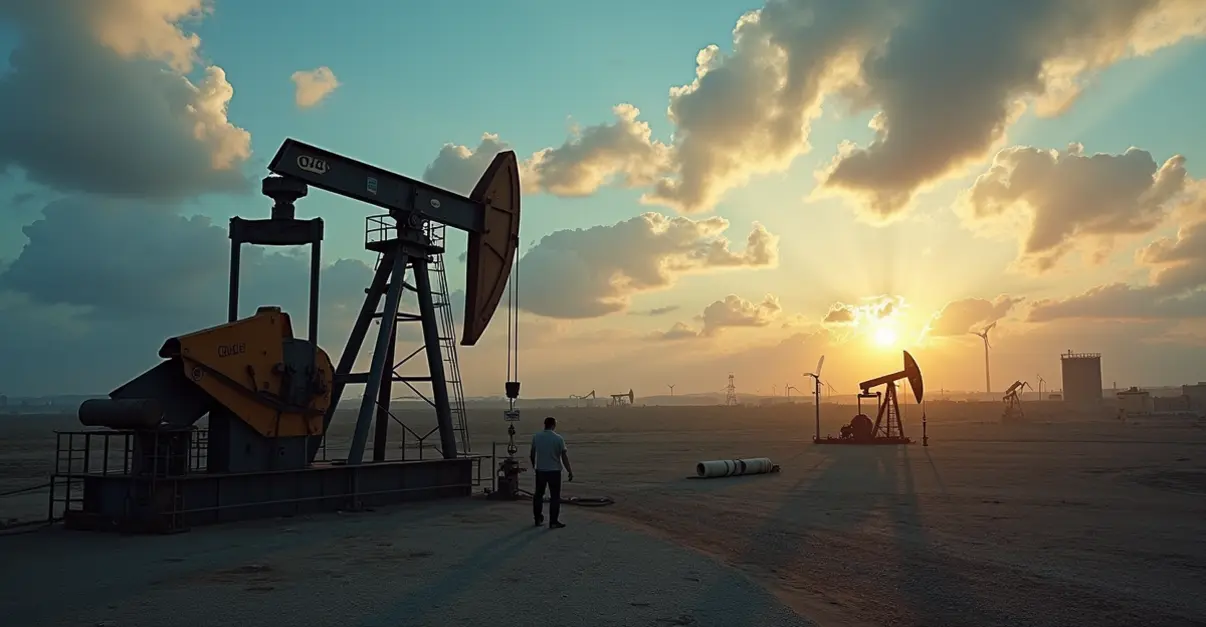
The UAE, OPEC's third-largest producer behind Saudi Arabia and Iraq, had long chafed under production quotas that limited its output to approximately 3.2 million barrels per day (bpd), despite possessing capacity to produce nearly 5 million bpd. With the exit, the UAE can now ramp up production without restraint, fundamentally altering the global oil supply landscape.
Why the UAE Left OPEC: A Rivalry Decades in the Making
The UAE's departure is the culmination of a simmering rivalry with Saudi Arabia over regional leadership and economic strategy. While both nations are key U.S. allies in the Gulf, their visions have diverged sharply in recent years.
Production Quota Frustrations
For years, the UAE has sought a higher production baseline within OPEC+ to reflect its growing capacity. Saudi Arabia, prioritizing higher oil prices to fund its Vision 2030 economic transformation, resisted these demands. The UAE's state oil company ADNOC aims to reach 5 million bpd capacity by 2027, with ambitions to eventually hit 6 million bpd. The OPEC quota system prevented this expansion, costing the UAE billions in potential revenue.
Economic Diversification Gap
Unlike Saudi Arabia, which remains heavily dependent on oil revenues, the UAE has successfully diversified its economy. Oil now accounts for only about 20% of the UAE's GDP, compared to roughly 60% for Saudi Arabia. This gives Abu Dhabi greater flexibility to pursue aggressive production growth even at lower prices. As BNR correspondent Tara Kenkhuis noted: 'The Emiratis have a much more diversified economy than Saudi Arabia, which is far more dependent on the oil price.'
Geopolitical Divergence
The rivalry extends well beyond oil. The two countries have backed opposing sides in Yemen's civil war, with the UAE supporting the Southern Transitional Council while Saudi Arabia backs the internationally recognized government. The UAE has also pursued independent foreign policy ties with Israel through the Abraham Accords and deepened cooperation with the United States, positioning itself as a competing regional hub for finance, trade, and technology. This Gulf regional power struggle has reshaped alliances across the Middle East.
Impact on Global Oil Markets and OPEC
The UAE's exit significantly weakens OPEC's ability to control global oil prices. Together, Saudi Arabia and the UAE controlled most of the world's spare production capacity—the critical buffer that allows the cartel to respond to supply shocks. Without the UAE, OPEC's share of global oil production drops from roughly 38% to about 34%, and its spare capacity is substantially reduced.
Short-Term vs. Long-Term Market Effects
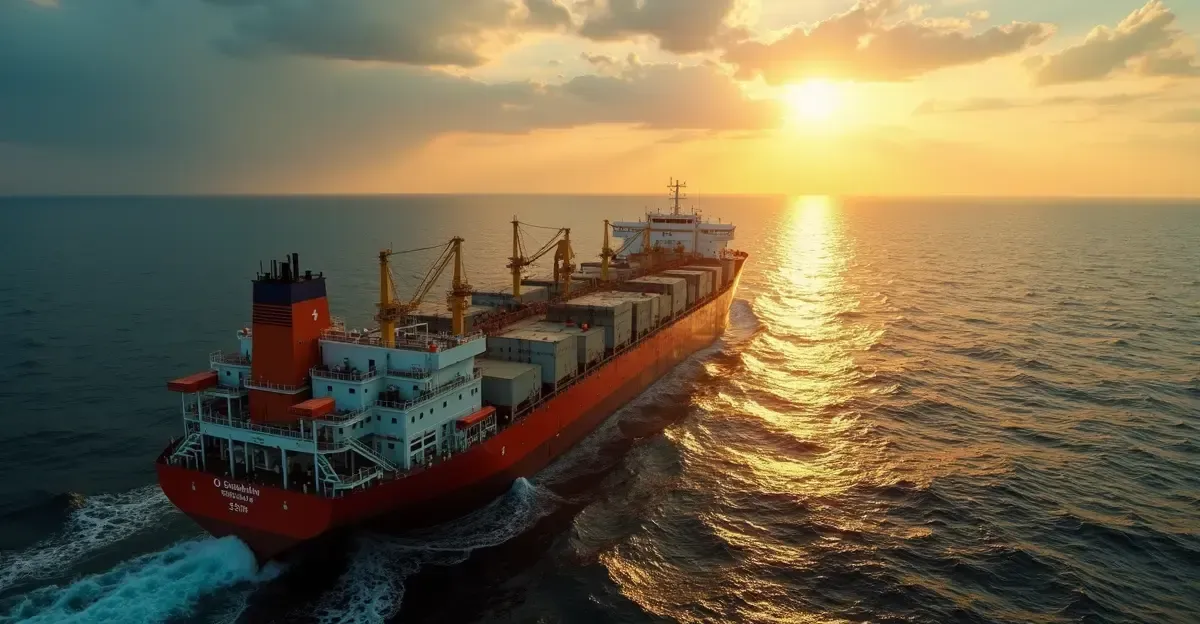
In the immediate term, the impact on oil prices is muted due to the ongoing closure of the Strait of Hormuz amid the Iran conflict, which has constrained the UAE's ability to export additional crude. However, once the strait reopens, the UAE is positioned to flood the market with up to 1.8 million additional bpd—roughly 1-2% of global demand. Analysts warn this could lead to lower but more volatile oil prices, reducing the floor that OPEC traditionally provides.
For the United States, the exit is a strategic win. President Donald Trump has long criticized OPEC for artificially inflating oil prices. The UAE's departure weakens Iran's negotiating position—as Kenkhuis explains: 'That chip at the negotiating table becomes less valuable. Iran loses leverage in negotiations. And Trump always had something against OPEC anyway, so he kills two birds with one stone.'
Risk of Further OPEC Disintegration
The UAE is the second Gulf state to leave OPEC after Qatar's departure in 2019. Analysts fear other members may follow, particularly those with ambitions to expand production. The future of OPEC in 2026 now hangs in the balance as the cartel's cohesion erodes.
What This Means for Saudi Arabia
The UAE's exit is a direct blow to Saudi Arabia's prestige and influence. Riyadh has long used OPEC as a tool of foreign policy, positioning itself as the de facto leader of the oil-producing world. With the UAE's departure, that leadership is fundamentally undermined. Saudi Arabia now bears a greater burden in managing production cuts to support prices, while its rival can produce freely.
The move also reflects a broader realignment in Gulf politics. The UAE is increasingly prioritizing its national interests and bilateral ties with Washington and Tel Aviv over Saudi-dominated multilateral institutions. Some analysts suggest Abu Dhabi may also reconsider its membership in other regional organizations, including the Gulf Cooperation Council.
FAQ: UAE's Exit from OPEC
When did the UAE leave OPEC?
The UAE announced its withdrawal on April 28, 2026, effective May 1, 2026.
Why did the UAE leave OPEC?
The UAE left due to long-standing frustration over production quotas that limited its output despite having capacity to produce far more. The decision also reflects growing geopolitical rivalry with Saudi Arabia and a desire for greater strategic autonomy.
How much oil can the UAE produce now?
The UAE has current capacity of nearly 5 million barrels per day, with plans to reach 5 million by 2027 and up to 6 million bpd thereafter. Under OPEC, it was limited to about 3.2 million bpd.
Will oil prices fall because of the UAE exit?
Short-term impact is limited due to the Strait of Hormuz closure. Once the strait reopens, additional UAE supply could put downward pressure on prices, though analysts expect increased volatility rather than a sustained price collapse.
Could other countries leave OPEC too?
Yes. Analysts warn the UAE's exit could trigger further disintegration of OPEC, with other members potentially reconsidering their membership, especially those with ambitions to expand production.
Sources
Article based on reporting by BNR Nieuwsradio, CNBC, CNN, NPR, The Conversation, and Indian Express. Additional context from Wikipedia.



Follow Discussion