


 Deutsch
 English
 Español
 Français
 Nederlands
 Português


 Share
Share




UN Mobilizes International Rescue After Double Earthquake Devastates Venezuela
The United Nations has issued an urgent call for a 'massive collective effort' to deliver emergency aid to Venezuela after a devastating double earthquake struck the country's northwestern region on June 24, 2026. The magnitude 7.2 foreshock and subsequent 7.5 mainshock — the strongest to hit Venezuela in over 125 years — have killed at least 188 people, injured more than 1,520, and left nearly 40,000 missing, according to the latest reports from the US Geological Survey and Venezuelan authorities.
The international earthquake response coordination is being led by the UN Office for the Coordination of Humanitarian Affairs (OCHA), which is rapidly deploying specialized Urban Search and Rescue (USAR) teams from multiple countries. UN Emergency Relief Chief Tom Fletcher warned that even before the disaster, nearly eight million Venezuelans required humanitarian support, and this earthquake risks deepening existing vulnerabilities in a nation already grappling with political and economic crises.
What Happened: The 2026 Venezuela Double Earthquake
On June 24, 2026, at approximately 18:04 local time, a magnitude 7.2 earthquake struck near San Felipe in Yaracuy state, about 160 kilometers west of Caracas. Just 39 seconds later, a magnitude 7.5 mainshock hit the same region, caused by strike-slip faulting along the Boconó-San Sebastián-El Pilar fault system — the complex transform boundary between the Caribbean and South American tectonic plates. Over 30 aftershocks have been recorded, complicating rescue efforts and keeping residents on edge.
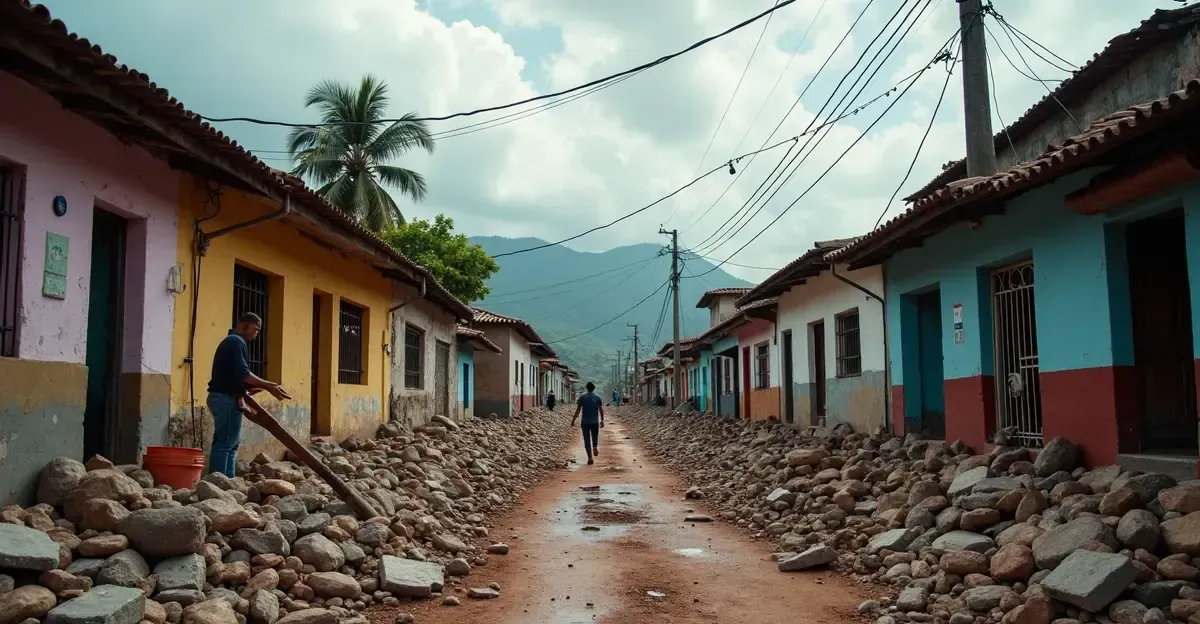
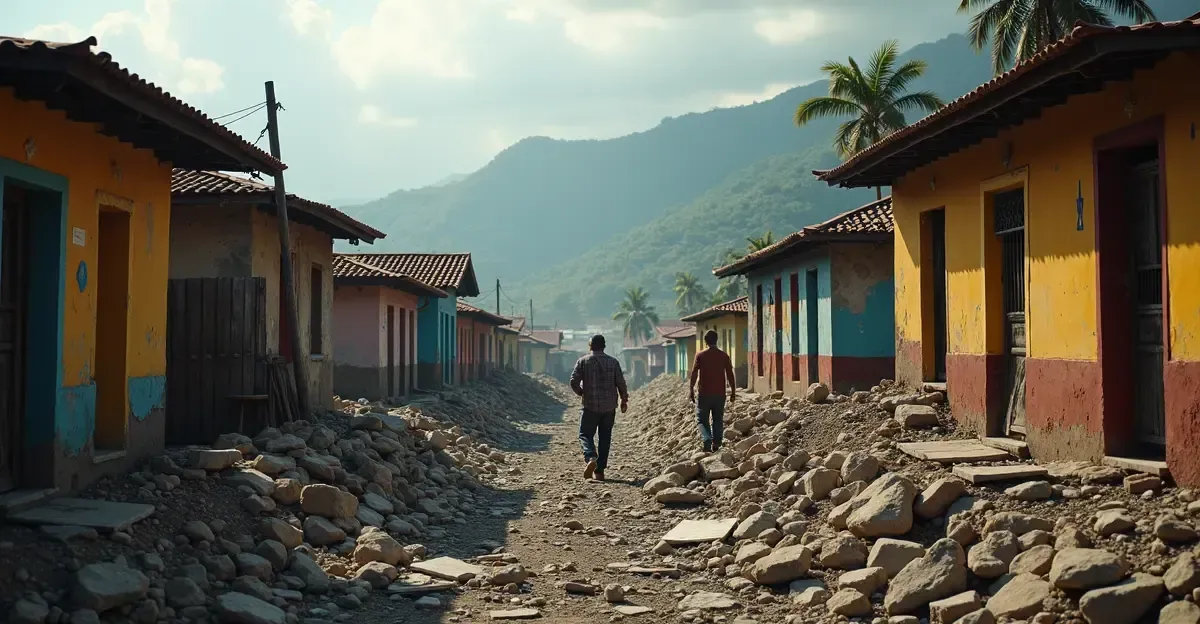
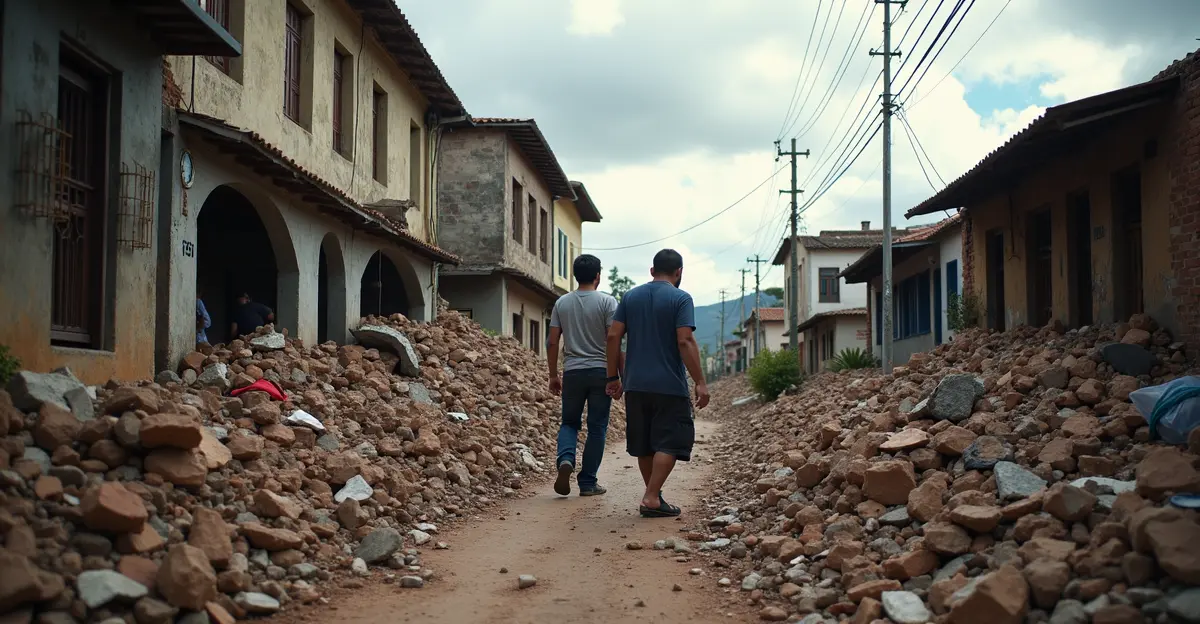
The earthquakes caused widespread destruction across northwestern and central Venezuela. In the capital Caracas, a 22-story building collapsed in the upscale Altamira neighborhood, while in the coastal state of La Guaira — declared a disaster zone — a waterfront hotel was reduced to rubble. Thousands of residents spent the night outdoors, fearing further collapses. Shaking was felt as far away as Colombia, Brazil, Aruba, Curaçao, and the Dominican Republic.
UN and International Response: 'All Hands on Deck'
Speaking from Geneva, UN Emergency Relief Chief Tom Fletcher stated: 'We'll need all hands on deck. The scale of this disaster demands a massive collective effort from the international community.' Fletcher confirmed he had spoken with Venezuelan Interim President Delcy Rodríguez to assess the most urgent needs and has dispatched a rapid response team to reinforce in-country operations.
Multiple UN agencies have mobilized, including the World Food Programme (WFP), the International Organization for Migration (IOM), the UN Office for Project Services (UNOPS), and the UN Refugee Agency (UNHCR). Their priorities include search and rescue, medical evacuation, the provision of clean water, food, shelter, and hygiene kits, and the restoration of critical infrastructure.
Netherlands Deploys USAR Team
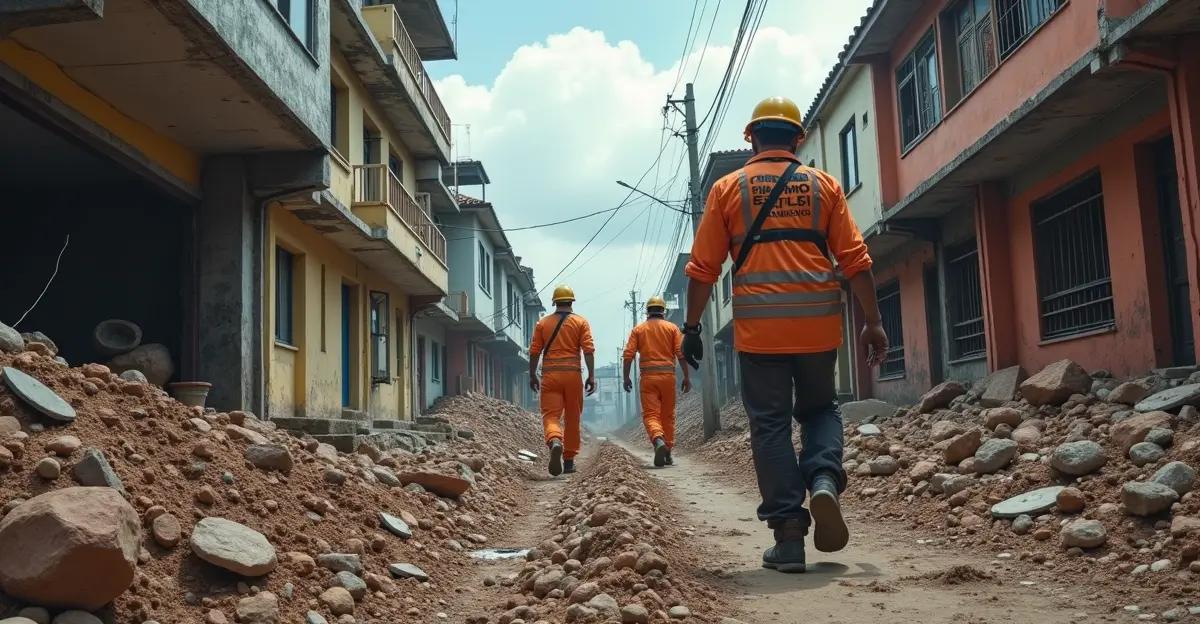
The Netherlands has answered the UN's call, deploying a 65-person Urban Search and Rescue team along with eight search dogs. Dutch Minister of Foreign Trade and Development Cooperation Sjoerd Sjoerdsma has allocated approximately €2 million for the deployment. The team — comprising rescue workers, paramedics, structural engineers, ICT specialists, dog handlers, and a team doctor — departed for Venezuela on Friday, June 26.
Bastiaan van Blokland, spokesperson for the Netherlands Red Cross, emphasized the urgency: 'Those people bring knowledge that is absolutely essential in the first hours after an earthquake. It is extremely dangerous work — aftershocks can persist for a long time.'
The Netherlands USAR team deployment logistics draw from a pool of approximately 140 volunteers who work in police, defense, fire services, and ambulance services. Their primary mission is locating and rescuing victims trapped under rubble during the critical first 72 hours after a disaster.
Humanitarian Crisis Deepens
Hundreds of thousands of people have been directly affected by the quakes. The USGS issued a red alert, warning that the final death toll could range between 10,000 and 100,000 depending on building vulnerability and rescue access. In the immediate aftermath, acting President Rodríguez declared a state of emergency and established a $200 million reconstruction fund.
Hulporganizations are working against the clock. The first 72 hours are considered crucial for successful rescues from under rubble. However, the warm Venezuelan climate is accelerating dehydration among trapped victims, adding pressure to rescue operations. 'Those are factors that play a role,' van Blokland noted. 'We are not focused on the number of victims, but on assessing which areas are hardest hit, what is needed where, and how many people need to be evacuated.'
International Aid Pledges
A wide range of countries have pledged assistance, including the United States, Spain, France, Mexico, Italy, Qatar, El Salvador, China, and the Netherlands. The global disaster relief coordination mechanisms are being activated through OCHA to ensure efficient deployment of resources. Aid includes search teams, medical supplies, temporary shelter, water purification systems, and food aid.
FAQ: Venezuela Earthquake 2026
What was the magnitude of the Venezuela earthquake in 2026?
The mainshock registered a magnitude of 7.5, preceded by a 7.2 magnitude foreshock just 39 seconds earlier. It is the strongest earthquake to hit Venezuela since 1900.
How many people died in the Venezuela earthquake?
As of June 26, 2026, at least 188 deaths have been confirmed, with more than 1,520 injured and nearly 40,000 reported missing. The final toll is expected to rise significantly.
Which countries are helping Venezuela after the earthquake?
Countries including the Netherlands, United States, Spain, France, Mexico, Italy, Qatar, El Salvador, China, and others have deployed search and rescue teams or pledged financial aid. The UN is coordinating the international response.
What caused the 2026 Venezuela earthquake?
The earthquake was caused by strike-slip faulting along the Boconó-San Sebastián-El Pilar fault system, part of the transform plate boundary between the Caribbean and South American tectonic plates.
How can I help Venezuela earthquake victims?
Donations to reputable humanitarian organizations such as the UN OCHA, the Red Cross, World Food Programme, and World Vision are the most effective ways to support relief efforts. Many organizations are accepting funds for emergency shelter, food, water, and medical care.
Sources
Information in this article is based on reports from the United Nations Office for the Coordination of Humanitarian Affairs (OCHA), the US Geological Survey (USGS), the Government of the Netherlands, the Netherlands Red Cross, and international news agencies including CNN, The Hindu, and NL Times.

Follow Discussion