


 Deutsch
 English
 Español
 Français
 Nederlands
 Português


 Share
Share




Revolutionizing Flood Response: A New Approach to Disaster Funding and Shelter
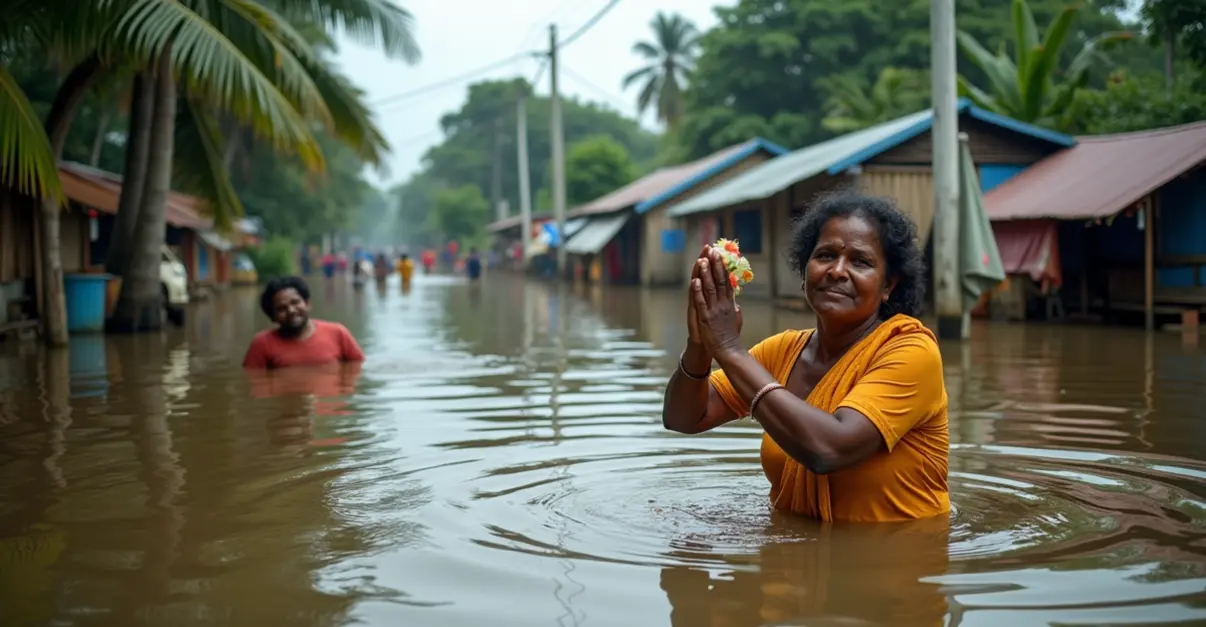
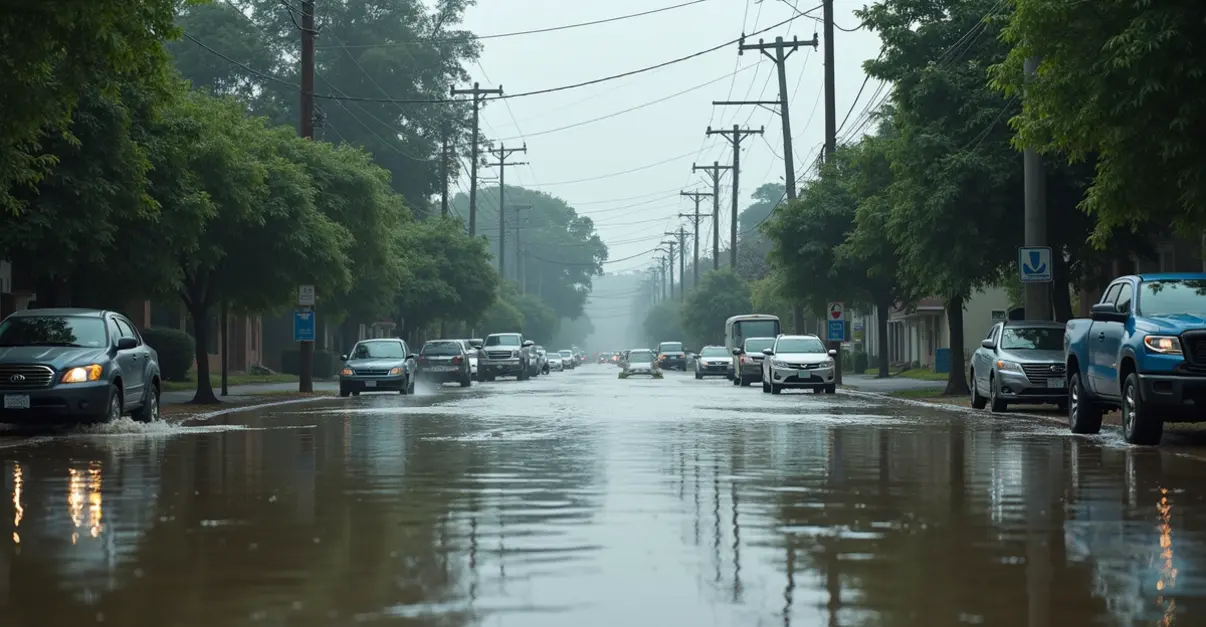
In the face of increasingly frequent and severe flooding events worldwide, emergency management experts have developed a comprehensive new framework for flood relief that prioritizes donor coordination logistics and short-term sheltering solutions. This innovative approach, spearheaded by disaster response specialist Raj Deshmukh, aims to address critical gaps in traditional disaster response systems that often fail during communication breakdowns between relief organizations and victims.
The Coordination Challenge
One of the most significant breakthroughs in the new plan is its emphasis on donor coordination. 'Traditional disaster response often suffers from fragmented funding and duplicated efforts,' explains Deshmukh. 'Our approach creates a centralized coordination mechanism that ensures resources reach affected communities efficiently and equitably.'
The system leverages tools like the Flood Funding Finder, an interactive platform developed by the American Flood Coalition that helps communities navigate complex federal grants systems. This tool allows users to filter funding opportunities by various characteristics including nature-based solutions, disaster declarations, and eligible applicants, with funding ranging from small grants under $100,000 to major programs offering millions of dollars.
Logistics Innovation
Recent research published in Scientific Reports presents a two-stage optimization framework for emergency logistics during urban flooding disasters. The study addresses the critical challenge of rapid relief supply distribution when infrastructure damage causes severe shortages. The first stage develops a supply distribution model integrating resource scarcity indices and disaster severity indices, optimized using a simulated annealing algorithm.
'The allocation model considering both resource scarcity and disaster indices performs best for uneven disaster severity distributions,' notes the research, 'achieving a 4% improvement over models that don't consider resource scarcity.'
Short-Term Shelter Solutions
The plan's shelter component draws from the latest guidelines published by UNHCR in June 2025, which provide comprehensive technical standards for flood-resilient humanitarian shelters. These guidelines address critical aspects of shelter resilience including site selection, foundation design, materials selection, and construction techniques that enhance flood resistance.
FEMA's recent 'Planning Considerations: Disaster Housing' document provides additional guidance for emergency housing solutions, emphasizing the importance of pre-disaster preparation, rapid response capabilities, and sustainable housing solutions that meet diverse community needs.
Distributed Emergency Logistics
A groundbreaking study in another Scientific Reports publication proposes a new distributed emergency logistics system to overcome communication uncertainties common in disaster environments. The system adopts a distributed agent architecture where each vehicle and facility operates as an agent, gathering real-time information and generating coordinated plans through inter-vehicle communication.
'Traditional disaster response systems often fail due to communication breakdowns between relief organizations and victims,' the research highlights, 'as seen in Haiti and Tohoku disasters. Our technological solution enhances response efficiency in harsh disaster conditions.'
Funding Mechanisms
The plan incorporates multiple funding streams, including FEMA's Hazard Mitigation Assistance grant programs which offer funding through Notices of Funding Opportunity (NOFO) for various mitigation initiatives. Key programs include the Flood Mitigation Assistance (FMA) program that supports states, local communities, tribes and territories in reducing flood risks.
Additionally, the plan identifies 50 key donors funding disaster preparedness projects worldwide, including government agencies, international organizations, private foundations, and corporate sponsors who support a wide range of initiatives including risk assessment, community training, and infrastructure development.
Implementation and Future Outlook
The comprehensive plan represents a paradigm shift in flood disaster response, moving from reactive measures to proactive, coordinated systems. By integrating donor coordination, advanced logistics, and resilient shelter solutions, the framework aims to significantly reduce response times and improve outcomes for affected communities.
'This isn't just about responding to floods,' concludes Deshmukh. 'It's about building resilient systems that can adapt to the increasing challenges posed by climate change. The coordination between funding, logistics, and shelter solutions creates a holistic approach that will save lives and reduce suffering during future flood events.'




Follow Discussion