


 Deutsch
 English
 Español
 Français
 Nederlands
 Português


 Share
Share




Avalanche Deaths Explained: 125 Wintersporters Killed in Europe's Deadly 2026 Season
The 2025-2026 winter season has become one of Europe's deadliest for avalanche fatalities, with 125 wintersporters killed across the continent according to the latest data from the European Avalanche Warning Service (EAWS). This represents the highest death toll since the 2017-2018 season when 147 people perished in avalanche incidents, marking a concerning trend in mountain safety across Alpine regions.
What Are Avalanches and Why Are They So Dangerous?
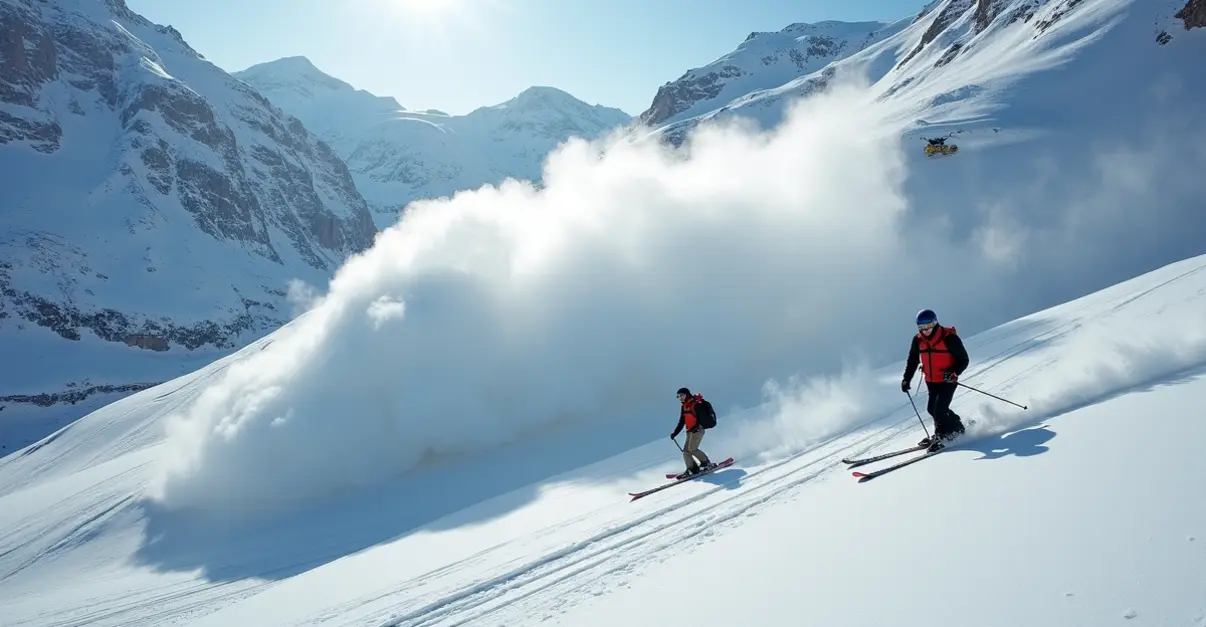
An avalanche is a rapid flow of snow down a slope, typically triggered by factors such as increased precipitation, snowpack weakening, or human activity. According to Wikipedia, avalanches occur in two main forms: slab avalanches made of tightly packed snow triggered by collapse of weak underlying layers, and loose snow avalanches composed of looser snow. These natural phenomena can accelerate rapidly, capturing additional snow, ice, rocks, and trees as they descend, creating deadly forces that can bury victims within minutes.
The European avalanche danger scale uses a 5-level system to communicate risk, with levels 4 and 5 indicating high to very high danger. This season has seen multiple instances where these highest warning levels were activated across Alpine regions, contributing to the tragic death toll.
2026 Avalanche Fatality Statistics: A Country-by-Country Breakdown
The EAWS data reveals a grim geographical distribution of avalanche deaths across Europe:
- Italy: 32 fatalities - the highest national count
- France: 31 deaths - including multiple incidents in popular ski areas
- Austria: 29 victims - with several high-profile incidents involving groups
- Switzerland: 15 fatalities - despite advanced warning systems
- Other countries: 18 deaths across Slovakia, Slovenia, Spain, Poland, and Andorra
These statistics represent a significant increase from previous years, with experts pointing to several contributing factors that have created a perfect storm of dangerous conditions.
Climate Change and Avalanche Risk: The Scientific Connection
How Warming Temperatures Increase Danger
Climate change is emerging as a critical factor in the increased avalanche risk across Europe. According to experts, higher winter temperatures create unstable snow layers that are more prone to collapse. "The warmer temperatures during winter months create what we call 'persistent weak layers' in the snowpack," explains a mountain safety expert from the EAWS. "These layers can remain dangerous for extended periods, creating unpredictable conditions even when surface conditions appear stable."
Additionally, stronger winds associated with changing climate patterns redistribute snow unevenly across mountain slopes, creating dangerous accumulations in specific areas. This phenomenon, combined with the growing popularity of backcountry skiing and off-piste adventures, has created a hazardous combination for winter sports enthusiasts.
The Paradox of Climate Change and Avalanche Frequency
Interestingly, climate change creates a paradoxical effect on avalanche risk. While overall avalanche frequency may decrease in some regions due to reduced snowfall, the intensity and danger of individual avalanches can increase. Warmer air holds more moisture, potentially leading to heavier, wetter snowfalls at higher elevations that create more powerful and dangerous avalanches when they do occur.
Major Incidents of the 2026 Season
Several high-profile avalanche incidents have marked this deadly season:
| Date | Location | Fatalities | Details |
|---|---|---|---|
| February 2026 | Austria | 5 | Group of wintersporters caught in large slab avalanche |
| Late February 2026 | French Alps (Val d'Isère) | 3 | Skiers outside marked pistes in off-piste area |
| End February 2026 | Austria & Switzerland | 2 Dutch skiers | Separate incidents involving experienced skiers |
| February 15, 2026 | Italy | Multiple | Part of week with 11 avalanche deaths nationally |
Essential Avalanche Safety Equipment and Survival Tips
With survival time limited to just 12-15 minutes for buried avalanche victims, proper equipment and knowledge are critical:
- Avalanche Beacon/Transceiver: Worn close to the body to transmit location signal
- Probe Pole: For pinpointing buried victims after initial location
- Shovel: Essential for digging out victims quickly
- Avalanche Airbag: Inflatable backpack that helps keep victims near surface
- Communication Devices: Fully charged phones or two-way radios
Experts emphasize that equipment alone isn't enough - proper training in avalanche rescue techniques and regular practice with gear are equally important for backcountry safety.
Warning Signs and Risk Assessment
Recognizing avalanche danger signs can be lifesaving:
- Cracking or collapsing snow: Audible "whumpfing" sounds indicate weak layers
- Recent avalanche activity: Evidence of slides in similar terrain
- Rapid temperature changes: Especially warming after cold periods
- Heavy snowfall or rainfall: Significant precipitation in short periods
- Wind-loaded slopes: Snow accumulation on leeward sides of ridges
Frequently Asked Questions About Avalanche Safety
How long can someone survive buried in an avalanche?
Survival time is extremely limited - typically just 12-15 minutes for completely buried victims. After 15 minutes, survival rates drop dramatically due to suffocation or trauma.
What should I do if caught in an avalanche?
Try to move to the side, discard equipment if possible, create an air pocket in front of your face if buried, and conserve energy while waiting for rescue.
How accurate are avalanche forecasts?
Modern avalanche forecasting from organizations like EAWS is highly sophisticated but not perfect. Forecasts provide probability assessments based on weather data, snowpack analysis, and historical patterns.
Can loud noises trigger avalanches?
Contrary to popular belief, loud sounds like yelling or gunshots do NOT trigger avalanches. The pressure from sound is orders of magnitude too small compared to the forces needed to initiate a slide.
What's the difference between on-piste and off-piste avalanche risk?
Ski resorts manage avalanche risk on marked pistes through controlled explosions and monitoring. Off-piste areas lack these safety measures, making them significantly more dangerous during high-risk periods.

Follow Discussion