


 Deutsch
 English
 Español
 Français
 Nederlands
 Português


 Share
Share




Avalanche Crisis Explained: 5 Dead in Austria as Alpine Death Toll Nears 100
In a devastating series of incidents that highlight the ongoing avalanche crisis gripping the European Alps, five people were killed in separate avalanches across western Austria on February 20, 2026. The fatalities occurred in the Tyrol and Vorarlberg regions, bringing the total avalanche death toll across the Alpine region to nearly 100 this winter season alone. This tragic news comes as authorities maintain high avalanche warning levels across multiple countries, with experts pointing to unstable snow layers and heavy snowfall as primary contributing factors.
What is an Avalanche?
An avalanche is a rapid flow of snow down a slope, typically triggered by factors such as increased precipitation, snowpack weakening, or human activity. According to the European Avalanche Warning Services, avalanches occur in two main forms: slab avalanches made of tightly packed snow that collapse from weak underlying layers, and loose snow avalanches composed of looser snow. These natural hazards can accelerate rapidly, growing in mass and volume as they capture more snow, with some reaching speeds that create powder snow avalanches mixing snow with air.
The Deadly Incidents: A Breakdown
The February 20 tragedies unfolded across multiple locations in western Austria:
St. Anton, Tyrol: Three Fatalities
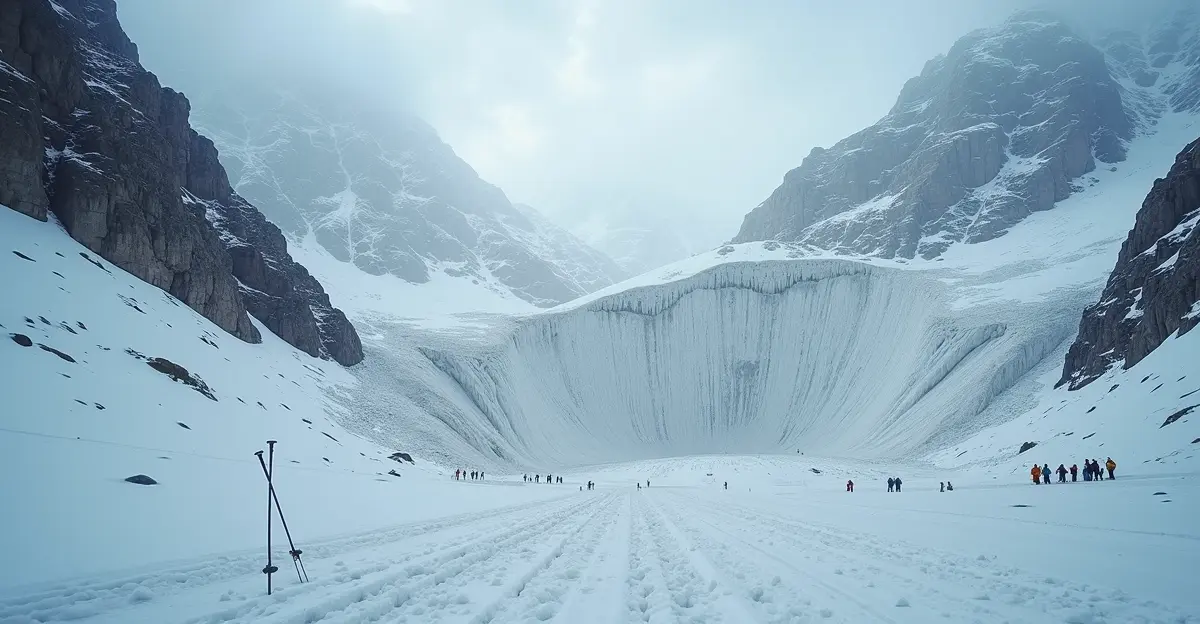
In the popular ski resort of St. Anton am Arlberg, five winter sports enthusiasts were caught in what police described as an 'enormous' avalanche measuring 450 meters wide and 1 kilometer long. Three of the victims died - two at the scene and a third later succumbing to injuries. Preliminary investigations indicate the group triggered the avalanche themselves while engaging in off-piste activities. 'The avalanche was enormous - 450 meters wide and 1 kilometer long,' said a police spokesperson.
Nauders, Tyrol: Father Killed, Son Injured
Further west in Nauders, a German skier was swept away by an avalanche while skiing outside marked pistes. The 42-year-old father died in the incident, while his 16-year-old son sustained serious injuries. This incident highlights the particular dangers of backcountry skiing in unstable conditions, especially when venturing beyond designated safe areas.
Klösterle, Vorarlberg: Swiss Snowboarder Killed
In the Vorarlberg region, two snowboarders triggered an avalanche in Klösterle. A 39-year-old Swiss national died in the slide, while his companion emerged unharmed. This marks another tragic example of how quickly conditions can turn deadly in the current Alpine environment.
Why Are Avalanches So Prevalent This Season?
Several factors have converged to create exceptionally dangerous conditions across the Alps:
- Unstable Snow Layers: The underlying snowpack has developed persistent weak layers that can fail with minimal additional load
- Heavy Snowfall: Recent weeks have seen significant precipitation, with up to 40 centimeters of new snow in some areas
- Wind Loading: Strong winds have created wind slabs on leeward slopes, adding weight and instability
- Climate Change Effects: Experts note changing weather patterns are increasing avalanche risks at higher altitudes
The European Avalanche Warning Services has maintained Level 4 (high) warnings across much of the Alpine region, with authorities responding to over 30 avalanche incidents on February 20 alone and approximately 200 incidents in the preceding week.
Avalanche Safety: Essential Tips for Winter Sports Enthusiasts
With the current crisis showing no signs of abating, safety experts emphasize these critical precautions:
- Check Daily Bulletins: Always consult the official avalanche forecast before heading out
- Stay on Marked Slopes: Avoid off-piste areas, especially on north-facing slopes currently rated as particularly vulnerable
- Carry Proper Equipment: Ensure you have avalanche transceivers, probes, and shovels - and know how to use them
- Travel with Companions: Never venture into avalanche terrain alone
- Take Training Courses: Consider formal avalanche safety education before engaging in backcountry activities
The Broader Alpine Crisis: Nearly 100 Deaths This Winter
The Austrian fatalities contribute to a grim regional statistic: nearly 100 people have died in avalanche incidents across the Alps this winter season. Italy has experienced particularly severe losses, with 13 mountain deaths recorded in just one week and authorities warning of continued high risks. France has seen its highest avalanche death toll since 2020-2021, with 27 fatalities including three British skiers. Switzerland has also been affected, with avalanches causing a train derailment that injured five people.
This represents Europe's deadliest avalanche season in decades, with experts noting that 90-95% of avalanche victims trigger the slides themselves. The growing popularity of off-piste skiing and snowboarding has contributed to increased incidents, though even experienced professionals have been caught in this season's particularly dangerous conditions.
Frequently Asked Questions
What causes avalanches?
Avalanches are typically triggered by increased load from new snow, weakening of snowpack layers, or human activity. Natural triggers include storms, solar radiation, rain, and earthquakes, while artificial triggers include skiers, snowmobiles, and controlled explosives.
How dangerous are current conditions in the Alps?
Extremely dangerous. Multiple Alpine regions are at Level 4 (high) avalanche risk on the 5-point European danger scale. Authorities have recorded over 200 avalanche incidents in the past week alone across Austria.
What should I do if caught in an avalanche?
Try to move to the side, discard equipment, create an air pocket in front of your face, and fight to stay near the surface. Survival time is limited - typically 12-15 minutes before suffocation occurs.
Are avalanches becoming more common due to climate change?
Experts note that climate change is altering snow patterns and increasing avalanche risks at higher altitudes, though the relationship is complex and varies by region.
Where can I find avalanche forecasts?
The European Avalanche Warning Services provides standardized forecasts across member countries. Local mountain rescue services and national meteorological agencies also issue regular updates.

Follow Discussion