


 Deutsch
 English
 Español
 Français
 Nederlands
 Português


 Share
Share




Breaking News: Two Belgian Skiers Killed in Swiss Avalanche
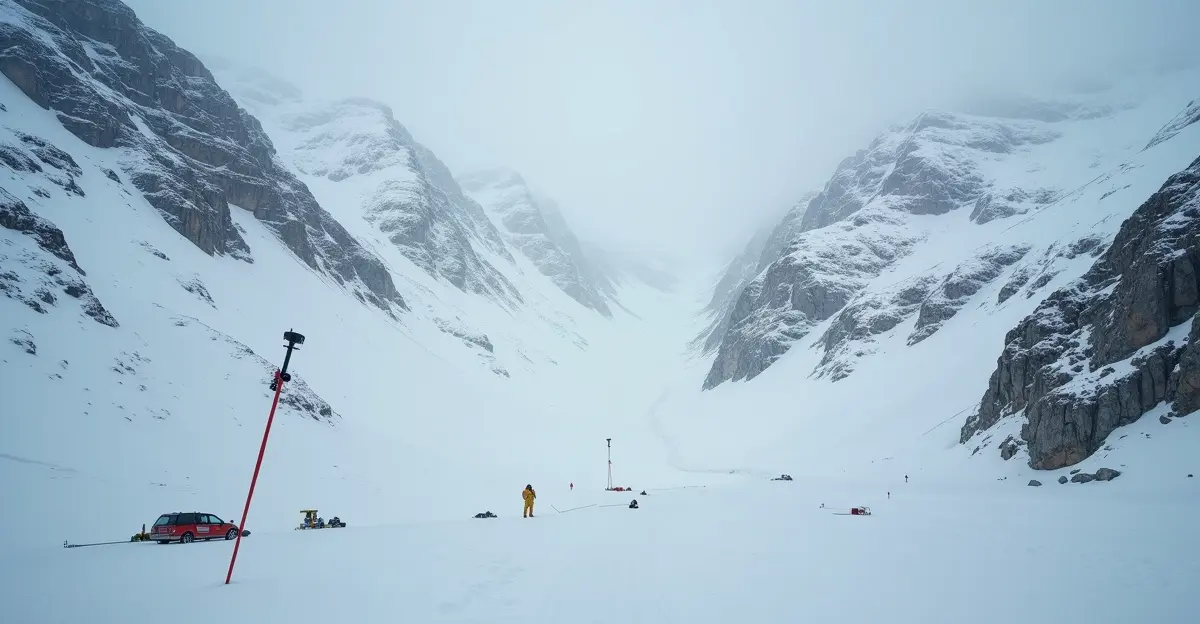
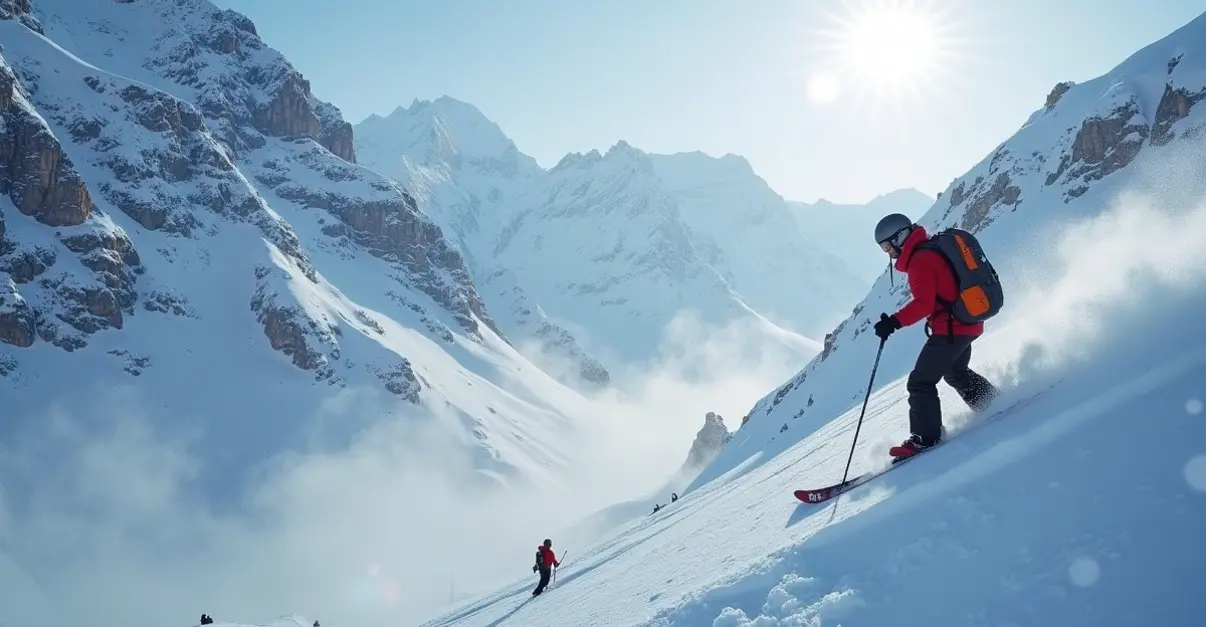
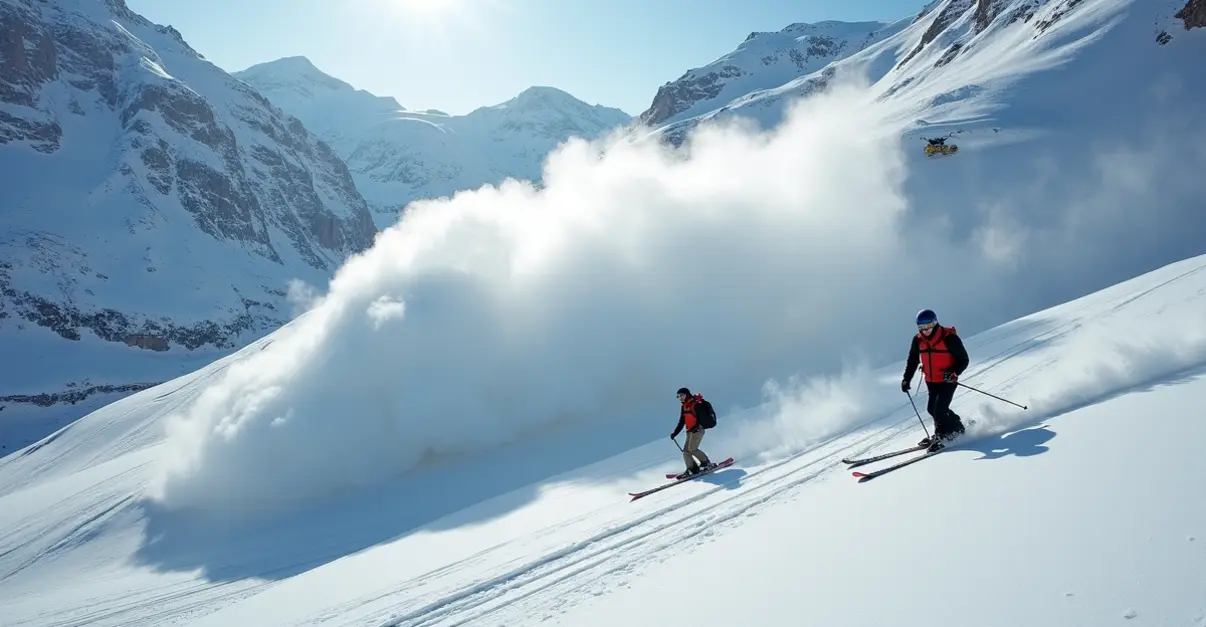
In a tragic incident that highlights the extreme dangers facing winter sports enthusiasts this season, two Belgian skiers have been killed in a devastating avalanche in the Swiss Alps. The fatal accident occurred on Friday, February 13, 2026, around 2:00 PM near Airolo in the southern canton of Ticino, Switzerland. The victims, identified as Belgian nationals aged 30 and 35, were caught in a massive snow slide while skiing between the peaks of Pizzo Centrale and Pizzo Prevat in the Leventina Valley.
What Happened in the Airolo Avalanche?
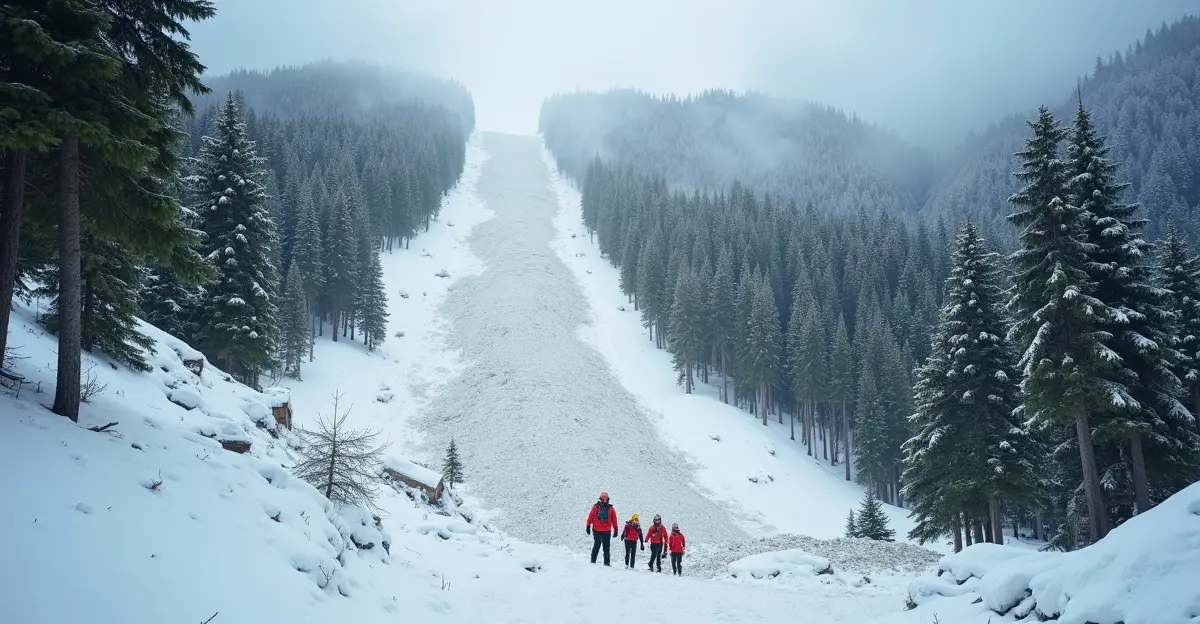
The avalanche struck as three experienced skiers were navigating the challenging terrain of the Swiss Alps. According to reports from the VRT news service, the 35-year-old victim resided in Belgium while the 30-year-old lived in Germany. A third skier, who was also buried by the snow, miraculously survived and managed to alert emergency services. Swiss rescue teams, including the Rega helicopter service, responded immediately but could only confirm the deaths of the two Belgians upon arrival.
Location and Conditions
The accident occurred in the Airolo region, a popular ski destination located at 1,141 meters in the Ticino canton. This area serves as the southern gateway to the Gotthard Pass and features challenging alpine terrain that attracts experienced skiers. At the time of the incident, the region was under an orange avalanche warning level, indicating particularly high danger due to recent heavy snowfall in the Alps. The 2026 European avalanche crisis has created unstable snowpack conditions across multiple countries.
European Avalanche Crisis: A Deadly Pattern
This tragic event follows a pattern of deadly avalanches across Europe during the 2026 winter season. Just one day before the Swiss incident, three wintersporters lost their lives in a similar avalanche in the French ski resort of Val d'Isère. The French Alps avalanche deaths occurred outside marked pistes, mirroring the circumstances of the Swiss tragedy. According to avalanche experts, the current winter has created particularly dangerous conditions characterized by persistent weak layers, wind loading, and heavy snow on poor structure.
Current Danger Levels
The Swiss Federal Institute for Snow and Avalanche Research (SLF) uses a five-level European avalanche danger scale, with level 3 (considerable) being particularly critical for backcountry users. This level accounts for approximately 50% of avalanche fatalities. Glaciologist Lander Van Tricht warns that avalanche danger in the western Alps is currently at maximum or near-maximum levels due to an unpredictable winter season. 'Experience is not a shield against avalanches,' notes one snowboard instructor and guide familiar with the region.
Essential Avalanche Safety Tips for Winter Sports Enthusiasts
With the Dutch spring break beginning this weekend and many Europeans heading to the Alps, safety experts emphasize crucial precautions:
- Check Avalanche Reports Daily: Always consult official avalanche bulletins from organizations like SLF before heading out
- Carry Essential Safety Equipment: Never venture off-piste without an avalanche transceiver, probe, shovel, and airbag backpack
- Stay on Marked Trails: Avoid closed slopes and terrain outside designated ski areas
- Maintain Safe Distances: Ski steep slopes individually and keep visual contact with group members
- Recognize Warning Signs: Listen for 'boom' sounds, watch for snow cracks, and avoid slopes steeper than 30 degrees
Emergency Response Procedures
If caught in an avalanche, experts recommend immediately triggering your airbag backpack if available. Once buried, try to create an air pocket in front of your face. For rescuers, the first 15 minutes are critical for survival. Immediate alarm (dial 140 in Austria, 144 in Switzerland) followed by organized search with transceivers offers the best chance of recovery. The avalanche safety equipment guide provides detailed information on proper gear usage.
Impact on Winter Tourism and Travel Warnings
Dutch travel organizations have issued warnings to winter sports enthusiasts about the elevated avalanche risks across the Alps. The timing is particularly concerning as the Dutch spring break begins, traditionally a peak period for ski vacations. Similar warnings have been issued across Europe, with Italian emergency services reporting eleven avalanche deaths in just one week earlier this month. The European winter sports safety regulations are being reviewed in light of this season's tragic statistics.
Frequently Asked Questions (FAQ)
What caused the Swiss avalanche that killed the Belgian skiers?
The avalanche was triggered by unstable snowpack conditions resulting from heavy snowfall, wind loading, and persistent weak layers in the snow structure. The area was under orange avalanche warning at the time.
How common are avalanche fatalities in the Alps?
Unfortunately, avalanche fatalities occur regularly in the Alps, with the 2026 season being particularly deadly. Multiple incidents across Switzerland, France, Italy, and Austria have claimed numerous lives this winter.
What safety equipment should I carry when skiing off-piste?
Essential equipment includes an avalanche transceiver (beacon), probe, shovel, and airbag backpack. Many experts also recommend carrying a first aid kit and emergency communication device.
Where can I check avalanche danger levels?
Official avalanche bulletins are available from the Swiss Federal Institute for Snow and Avalanche Research (SLF) for Switzerland, and similar organizations in other Alpine countries.
Are experienced skiers safe from avalanches?
No, experience does not guarantee safety. Many avalanche victims are experienced skiers and mountaineers. Proper preparation, equipment, and decision-making are crucial regardless of experience level.
Follow Discussion