


 Deutsch
 English
 Español
 Français
 Nederlands
 Português


 Share
Share




What is the 2026 Alps Avalanche Crisis?
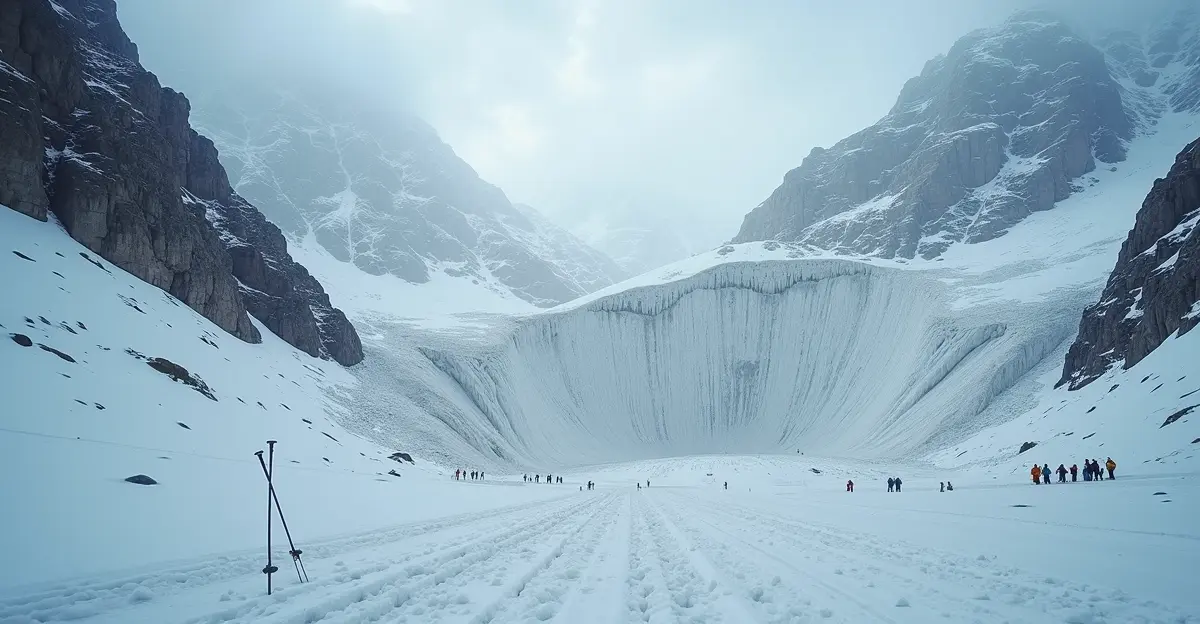
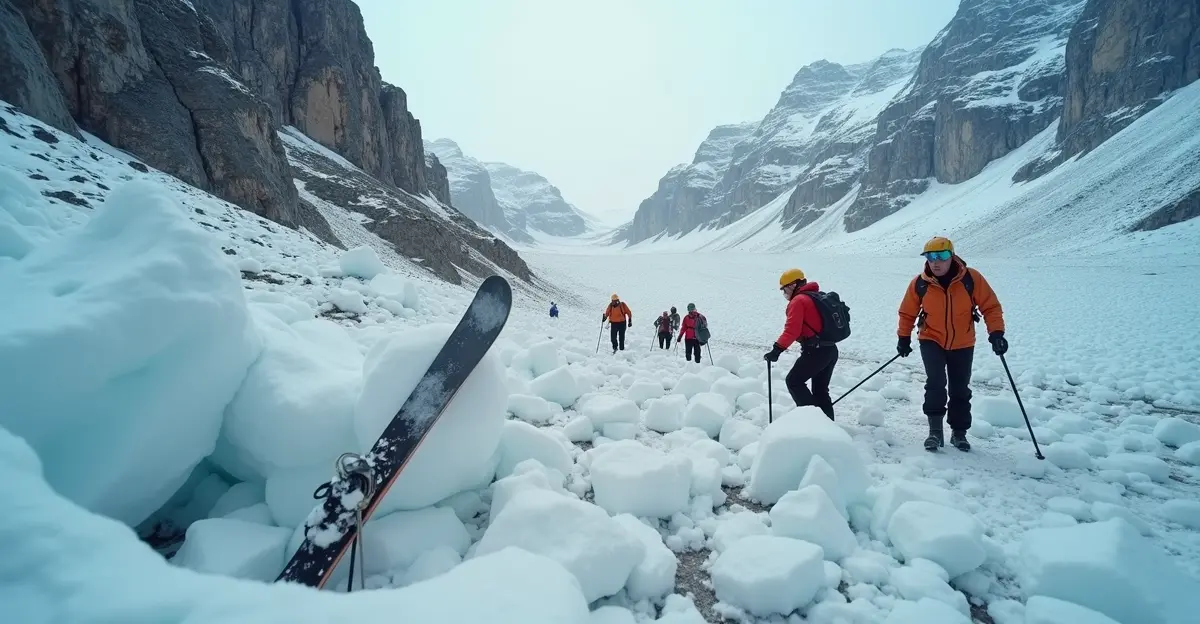
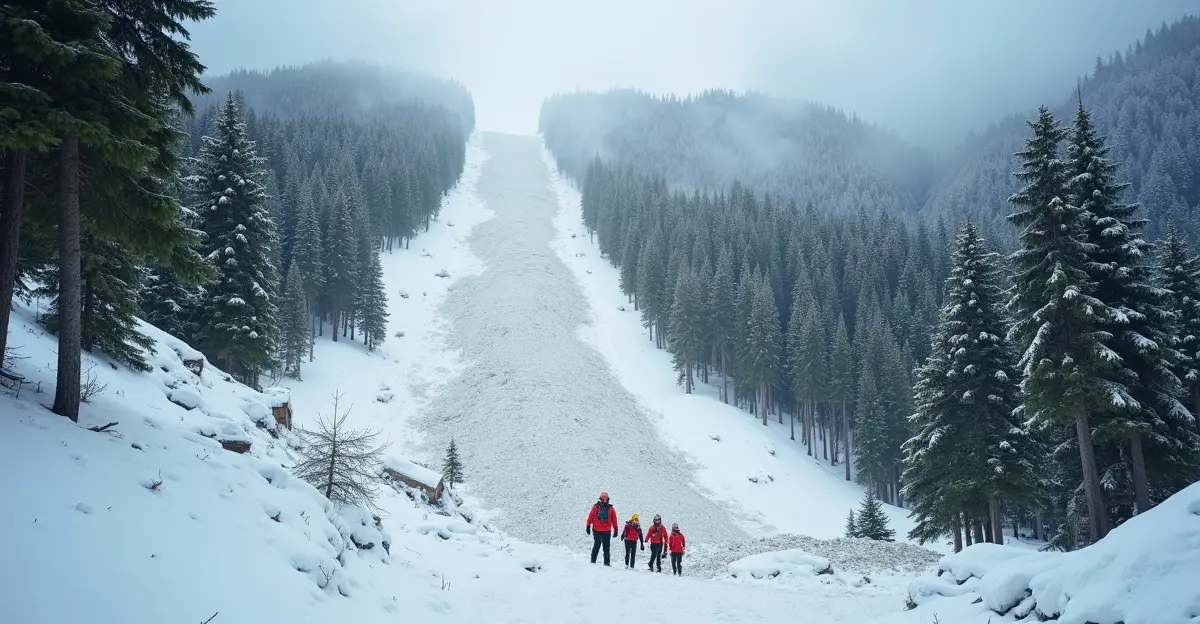
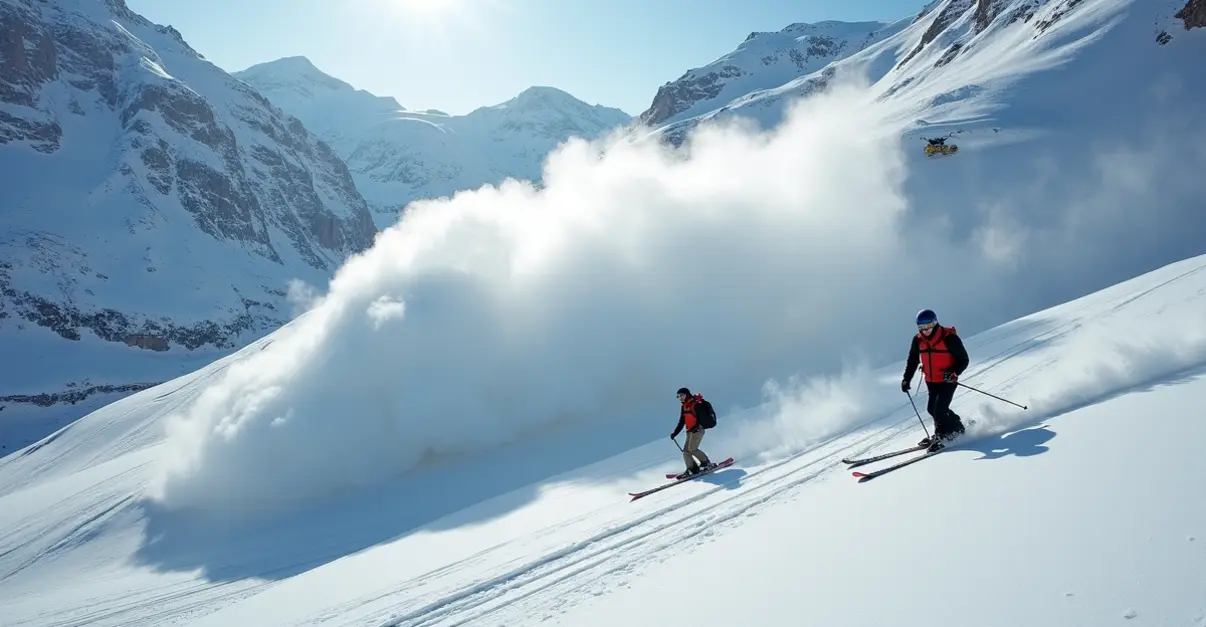
The European Alps are experiencing one of the most dangerous avalanche seasons in recent memory during 2026, with experts warning that the fundamental snowpack structure is 'rotten' at its core. This unprecedented situation has led to multiple fatalities across France, Switzerland, and Austria, creating what avalanche safety professionals are calling a 'lawinewinter' or avalanche winter. The primary issue stems from a weak foundation in the snowpack that developed early in the season, creating persistent instability that affects vast areas of the Alpine region.
The Science Behind the Rotten Snowpack Foundation
According to Rolf Westerhof, founder of the Snow Safety Center, the current crisis has a clear meteorological explanation. 'In the beginning of winter, snow fell and then there was a long dry period,' Westerhof explains. 'This creates a process where crystals form that are particularly susceptible to avalanche formation. The basis of the snowpack is simply rotten.' This weak foundation acts like a faulty building base - no matter how much new snow accumulates on top, the entire structure remains unstable and prone to collapse.
How Weak Layers Develop
The dangerous conditions stem from specific weather patterns that created persistent weak layers in the snowpack. A dry start to January followed by heavy snowfall created ideal conditions for slab avalanches as different snow layers failed to bind together properly. This phenomenon is particularly dangerous because it creates deep, stubborn instabilities rather than obvious surface-level problems that might be more easily detected.
Unprecedented Geographic Scope of Danger
What makes the 2026 season particularly alarming is the geographic scale of the danger. Unlike typical avalanche warnings that might affect localized areas, current warnings span across multiple countries and vast regions. 'It's now areas in France, Switzerland, and Austria,' Westerhof notes. 'It's really a very large area.' This widespread instability means that even experienced skiers and snowboarders cannot rely on their familiarity with specific terrain, as conditions are unusually dangerous across the entire Alpine region.
The situation has become so extreme that professional guides and instructors have been among the victims this season. 'That's because it's so extremely complicated this year,' Westerhof explains. 'We're seeing really strange things. You can now trigger an avalanche from a distance. I can stand here and cause an avalanche a hundred meters away. That's now the order of the day, but that's very unusual.' This remote triggering capability represents a significant escalation in danger compared to typical avalanche conditions.
Safety Implications for Winter Sports Enthusiasts
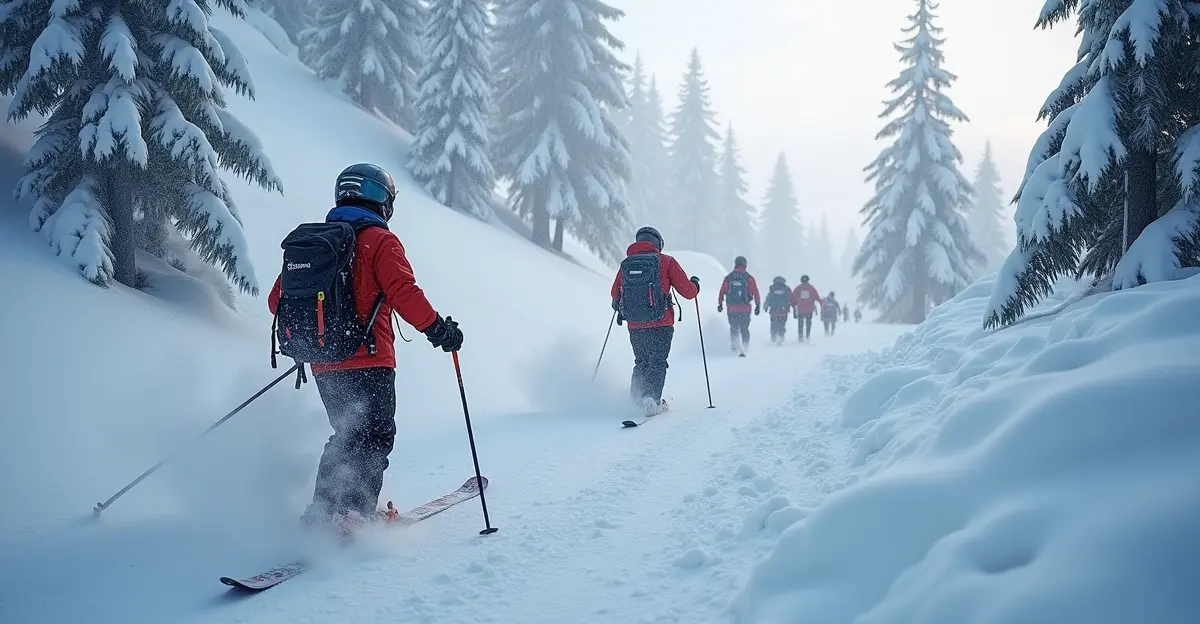
Despite the alarming statistics, there are important safety distinctions to understand. All accidents have occurred off-piste, while ski slopes remain safe due to regular maintenance by piste services. However, the European winter sports safety protocols are being tested like never before. Westerhof emphasizes a crucial point: 'The fact that you're an experienced winter sports enthusiast doesn't matter. It says nothing about how much knowledge you have about avalanches. Unfortunately, some people think so, but it's not true.'
Essential Safety Equipment Checklist
- Avalanche transceiver (beacon) with fresh batteries
- Avalanche airbag backpack
- Probe pole for locating buried victims
- Collapsible shovel for digging
- First aid kit with emergency blanket
- Communication device (satellite phone or emergency locator)
Statistical Reality vs. Perception
While the avalanche danger is real and significant, it's important to maintain perspective. The number of accidents remains relatively low compared to the total number of people skiing and snowboarding in the Alps. However, the fatality rate has been concerning, with at least 60 avalanche deaths reported so far in the 2026 season across Europe. Survival statistics are sobering - chances drop below 50% within 20 minutes of burial, emphasizing the critical importance of rapid rescue response.
The Alpine rescue services operations have been stretched thin, with organizations like Air-Glaciers reporting 750 rescue missions in just two months. This unprecedented demand highlights both the severity of the conditions and the importance of proper preparation before venturing into avalanche terrain.
Expert Recommendations for Navigating the Crisis
For the thousands of Dutch and international winter sports enthusiasts heading to the Alps, experts offer several key recommendations:
- Stay on marked pistes: These areas are regularly maintained and controlled by professional piste services
- Check daily avalanche bulletins: Always consult the latest avalanche forecasts from official sources
- Never ski alone off-piste: Always travel with at least one partner in uncontrolled terrain
- Take avalanche safety courses: Proper education is more valuable than years of recreational experience
- Carry and know how to use safety equipment: Equipment is useless without proper training
The current situation represents a significant challenge for mountain safety organizations across Europe. As Westerhof summarizes the situation: 'We're now in the middle of an avalanche winter.' This characterization underscores the systemic nature of the problem rather than isolated incidents.
FAQ: Alps Avalanche Crisis 2026
What makes the 2026 avalanche season different?
The 2026 season features a widespread 'rotten' snowpack foundation affecting multiple countries simultaneously, with remote triggering capabilities that are highly unusual.
Are ski slopes safe during this avalanche crisis?
Yes, marked and maintained ski slopes remain safe as they are regularly controlled by professional piste services. All incidents have occurred in off-piste areas.
How many avalanche deaths have occurred in 2026?
At least 60 avalanche fatalities have been reported across Europe during the 2026 winter season, with multiple incidents involving experienced skiers and professional guides.
What safety equipment is essential for off-piste skiing?
Essential equipment includes avalanche transceiver, airbag backpack, probe pole, shovel, and proper training in their use. Survival chances drop dramatically without this equipment.
Can experience protect against avalanche danger?
No, experience with winter sports does not equate to avalanche knowledge. Proper education through certified avalanche safety courses is essential regardless of skiing experience.

Follow Discussion