


 Deutsch
 English
 Español
 Français
 Nederlands
 Português


 Share
Share




Breaking News: Major Avalanche Rescue Operation in California's Sierra Nevada
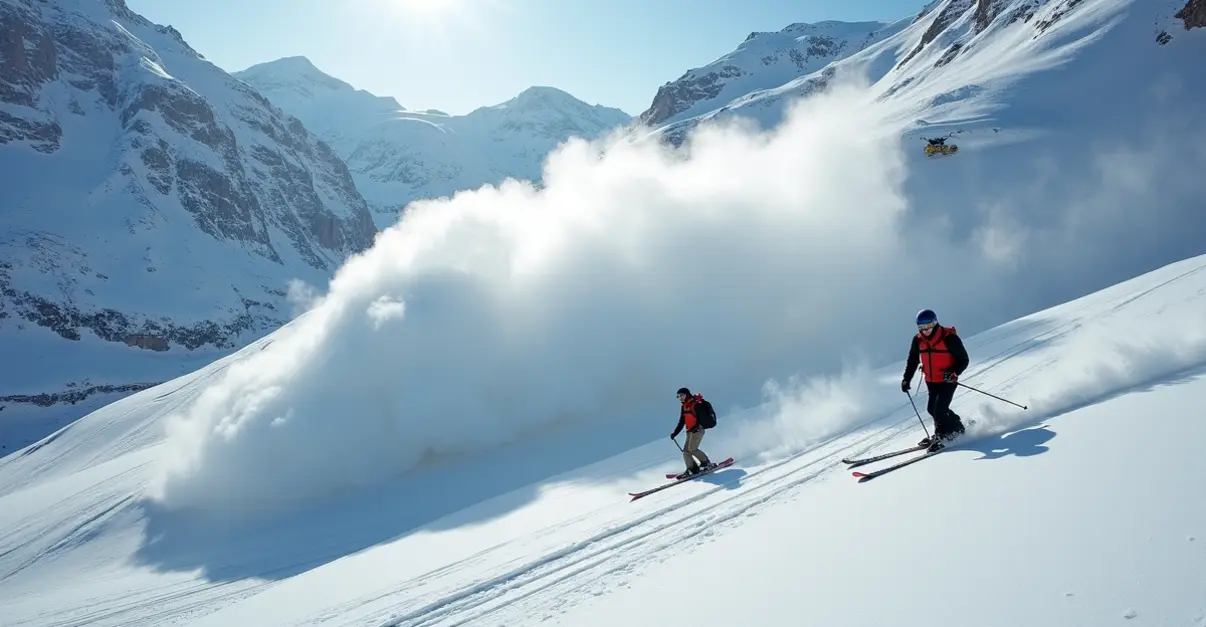
In a dramatic rescue operation unfolding in California's Sierra Nevada mountains, six backcountry skiers have been rescued while nine others remain missing after a devastating avalanche struck on February 17, 2026. The incident occurred in the Tahoe National Forest near Castle Peak, approximately 11:30 a.m. local time, as a group of 15 skiers (11 clients and 4 guides) were returning from a three-day backcountry skiing trip. This tragedy highlights the increasing dangers of winter backcountry travel amid extreme weather conditions and serves as a stark reminder of avalanche risks in mountainous regions.
What Happened: The California Avalanche Incident
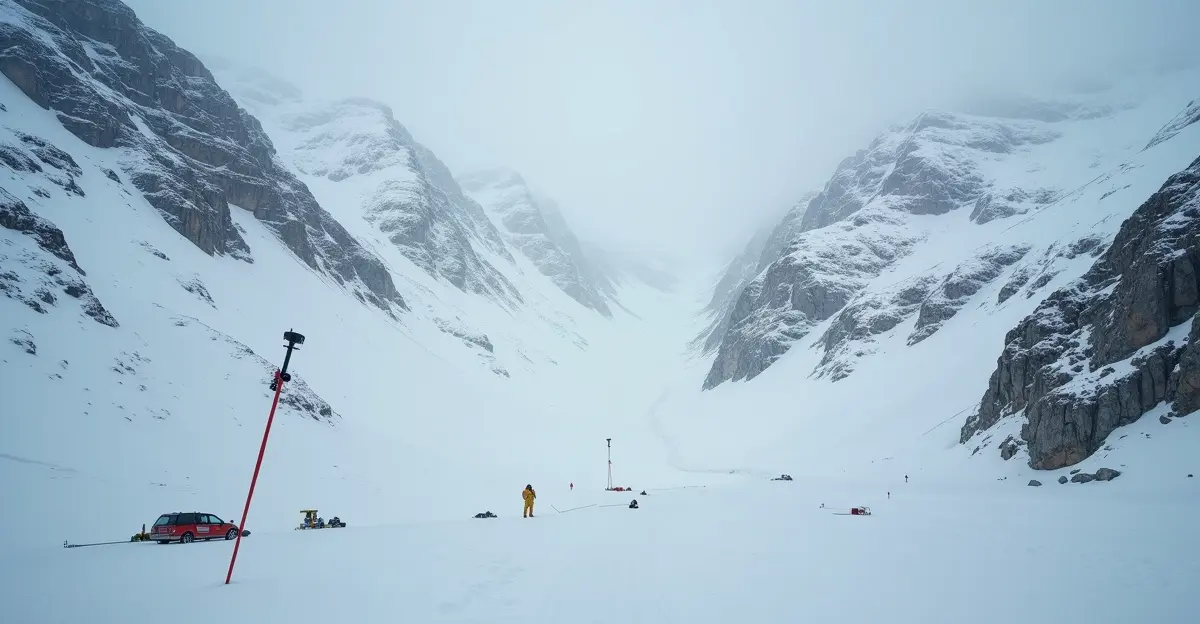
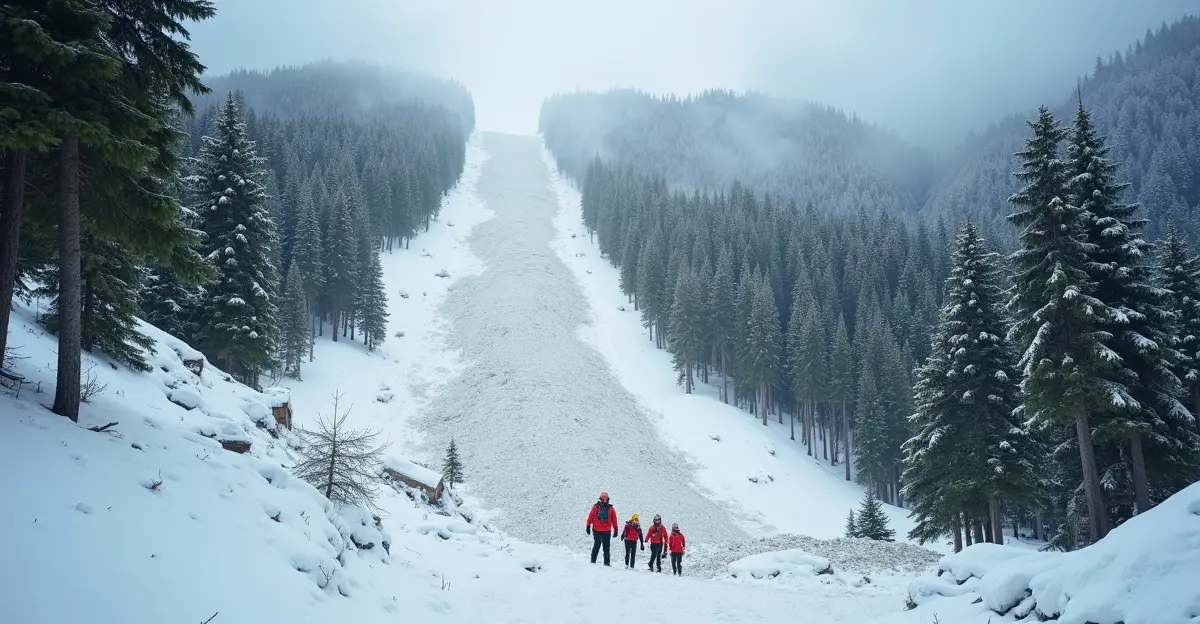
The avalanche struck near Castle Peak in the Donner Summit area, a popular backcountry destination known for its challenging terrain and historical significance. The group, organized by Blackbird Mountain Guides, was caught in the slide during a powerful winter storm that has been dumping multiple feet of snow across the Sierra Nevada range. According to Nevada County Sheriff's Office, the six rescued skiers had constructed a makeshift shelter using tarps and were communicating with rescue teams via emergency beacons and text messages.
Rescue Efforts and Challenges
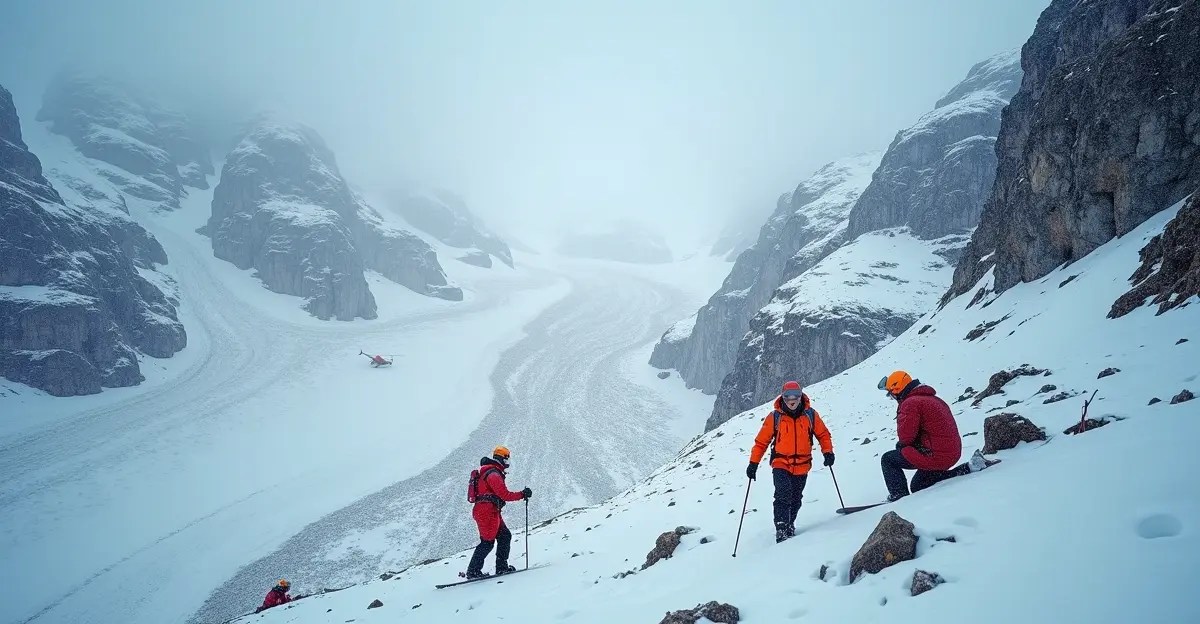
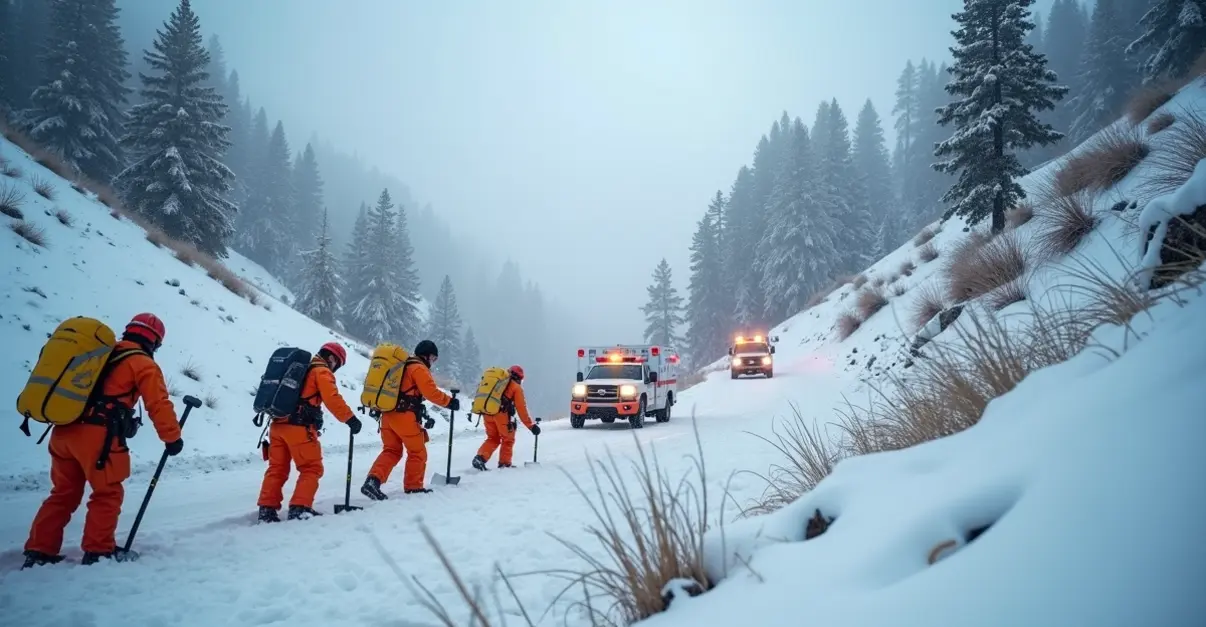
Rescue operations involving 46 first responders from multiple agencies have been hampered by severe weather conditions, including heavy snowfall, gale-force winds, and continued high avalanche danger. The Sierra Avalanche Center had issued a Level 4 (High) avalanche warning for the area before the incident, noting that recent snowfall had created unstable snow layers. 'We're operating under extremely challenging conditions with ongoing avalanche risk,' stated Sheriff's spokesperson during a press briefing. 'The decision to proceed with backcountry travel under these conditions may not have been the wisest choice, but we're focused on rescue efforts first.'
The Missing Skiers and Ongoing Search
As of February 18, 2026, nine skiers remain unaccounted for in what could become one of California's deadliest avalanche incidents if all are not found alive. The missing individuals include both guides and clients from the Blackbird Mountain Guides expedition. Rescue teams using snowcats, snowmobiles, and skis are proceeding cautiously due to the persistent avalanche danger, with operations expected to continue through Wednesday. The recent European avalanche incidents have shown similar patterns of danger during extreme winter weather events.
Avalanche Safety: What You Need to Know
This tragic event underscores the critical importance of avalanche safety for backcountry enthusiasts. According to Avalanche.org, the United States averages 27 avalanche fatalities per winter season, with backcountry skiers representing a significant portion of these incidents. Essential safety equipment includes:
- Avalanche transceivers (457 kHz standard)
- Probes (240-300cm for deep snow)
- Shovels designed for snow excavation
- Avalanche airbag systems
- Emergency communication devices
The North American Avalanche Danger Scale ranges from 1 (Low) to 5 (Extreme), with the Sierra Nevada region currently at Level 4 (High). This means natural and human-triggered avalanches are likely, and travel in avalanche terrain is not recommended.
Why This Avalanche Occurred
Several factors contributed to this avalanche incident:
- Recent Heavy Snowfall: The Sierra Nevada received multiple feet of new snow in the days preceding the incident, creating unstable layers
- Wind Loading: Gale-force winds transported snow to leeward slopes, increasing slab thickness
- Temperature Fluctuations: Rapid temperature changes weakened snowpack bonds
- Terrain Selection: The Castle Peak area features slopes exceeding 30 degrees, prime avalanche terrain
Similar to the 2025 Colorado avalanche fatalities, this incident demonstrates how quickly conditions can turn dangerous even for experienced groups.
Impact and Implications
If all nine missing skiers are not found alive, this would rank among the deadliest avalanche incidents in U.S. history. The tragedy has sparked renewed discussions about backcountry safety regulations, guide certification requirements, and public awareness of avalanche risks. California Governor Gavin Newsom has been briefed on the situation, and state resources are coordinating with local agencies. The incident comes during a winter season that has already seen multiple avalanche fatalities across North America and Europe, including recent fatal avalanches in the European Alps that claimed numerous lives.
The backcountry skiing community is grappling with this tragedy, particularly because Blackbird Mountain Guides is North America's top provider of AIARE (American Institute for Avalanche Research and Education) avalanche education courses. This raises questions about risk assessment and decision-making even among highly trained professionals.
Frequently Asked Questions (FAQ)
What is an avalanche?
An avalanche is a rapid flow of snow down a slope, typically occurring in mountainous terrain. They can be triggered naturally or by human activity and vary in size from small sluffs to massive slides capable of burying entire buildings.
How many avalanche deaths occur in the U.S. annually?
According to Avalanche.org, the United States averages 27 avalanche fatalities per winter season over the past decade. The 2025-2026 season has already seen six avalanche-related deaths prior to this incident.
What should you do if caught in an avalanche?
If caught in an avalanche, try to move to the side, grab onto something stable if possible, and create an air pocket in front of your face if buried. Most importantly, always carry and know how to use avalanche safety equipment including transceivers, probes, and shovels.
How can I check avalanche conditions?
Check local avalanche forecasts from organizations like the Sierra Avalanche Center, carry appropriate safety equipment, take avalanche education courses, and avoid avalanche terrain during high danger periods (Level 3 or above).
What's the difference between backcountry and resort skiing?
Backcountry skiing occurs outside maintained ski resort boundaries without avalanche control measures, while resort skiing takes place within controlled areas where avalanche risks are managed by ski patrol. Backcountry skiing requires additional skills, equipment, and risk assessment.
Follow Discussion