


 Deutsch
 English
 Español
 Français
 Nederlands
 Português


 Share
Share




Avalanche Tragedy: 2 Skiers Killed, 5 Injured in Northern Italy
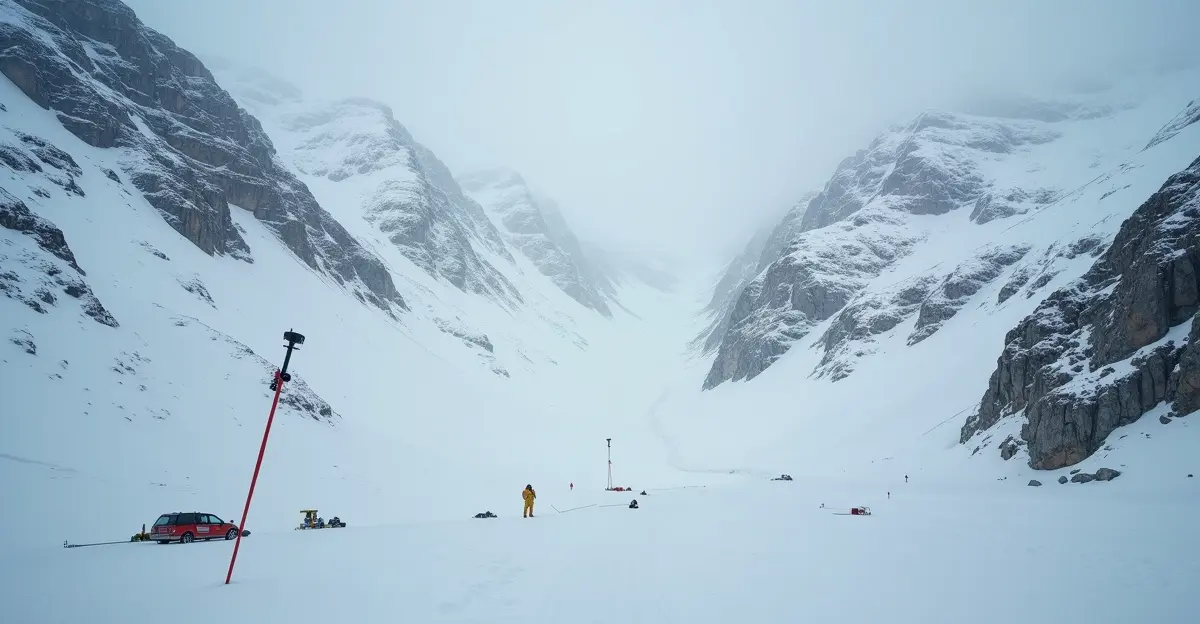
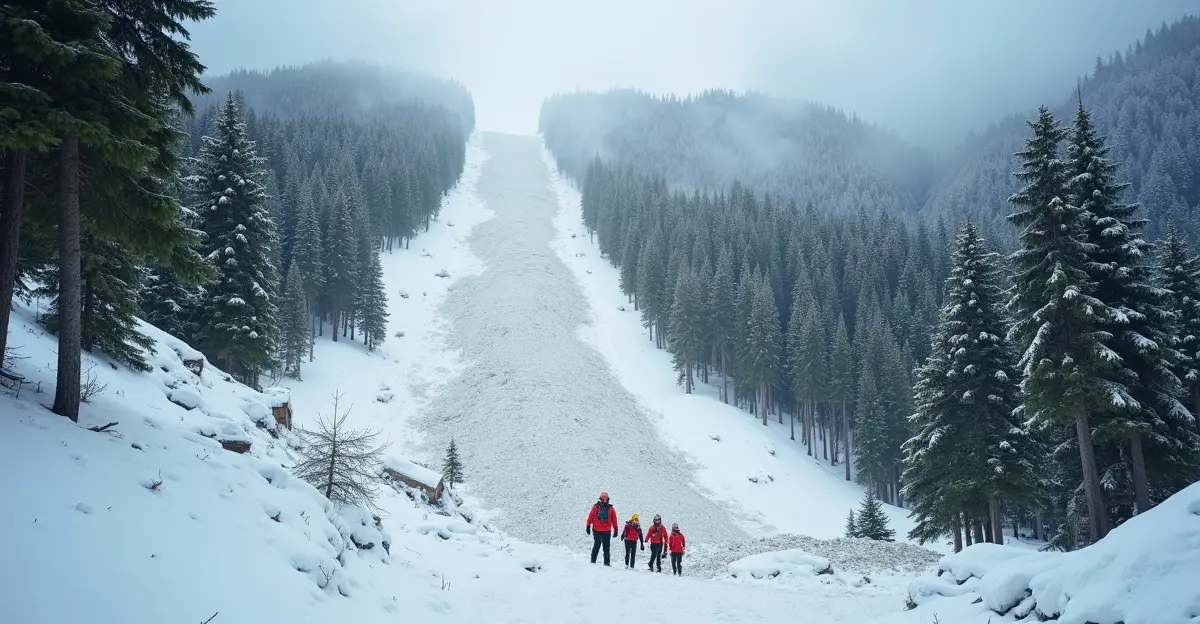
A devastating avalanche in Italy's South Tyrol region has claimed the lives of two skiers and injured five others, marking another tragic incident in what has become Europe's deadliest avalanche season in recent memory. The avalanche struck on Saturday, March 21, 2026, at approximately 11:40 a.m. local time, sweeping down the slopes of Hohe Ferse near Ratschings at an altitude of 2,300 meters (7,874 feet), dangerously close to the Austrian border.
What Happened in the South Tyrol Avalanche?
The avalanche occurred in the Ridanna Valley (Ridannadal) when approximately 25 skiers were on the mountainside. According to rescue services, seven people were caught in the snowslide, with two fatalities confirmed and five injuries reported. Three victims sustained serious injuries while two suffered minor wounds. The skiers were equipped with avalanche transceivers, which significantly aided rescue efforts by allowing emergency teams to locate them more quickly.
'We received the alert around midday that a dozen skiers were caught in the avalanche,' said a spokesperson for the CNSAS rescue service. 'This triggered an immediate large-scale rescue operation involving specialized teams and multiple helicopters.'
Massive Rescue Operation Deployed
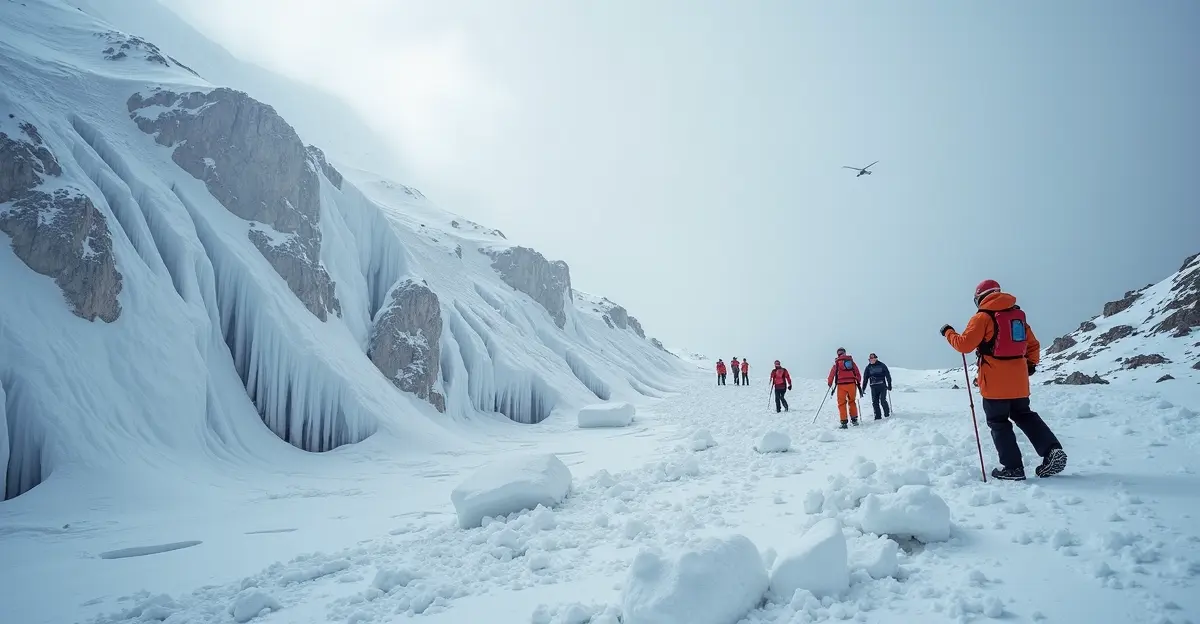
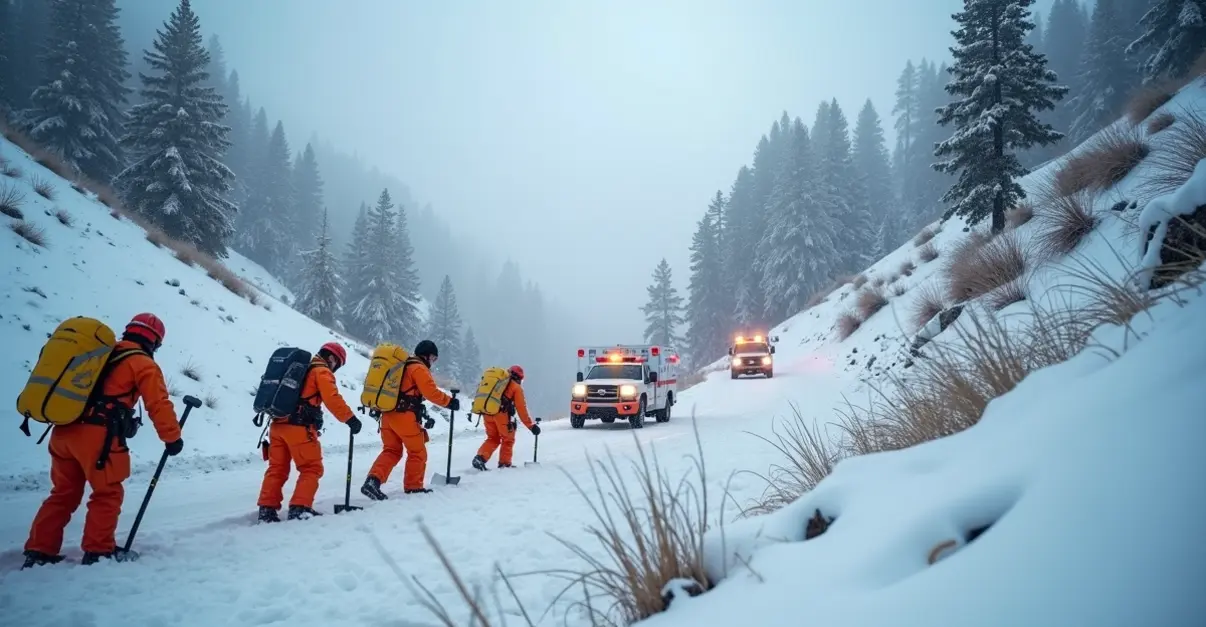
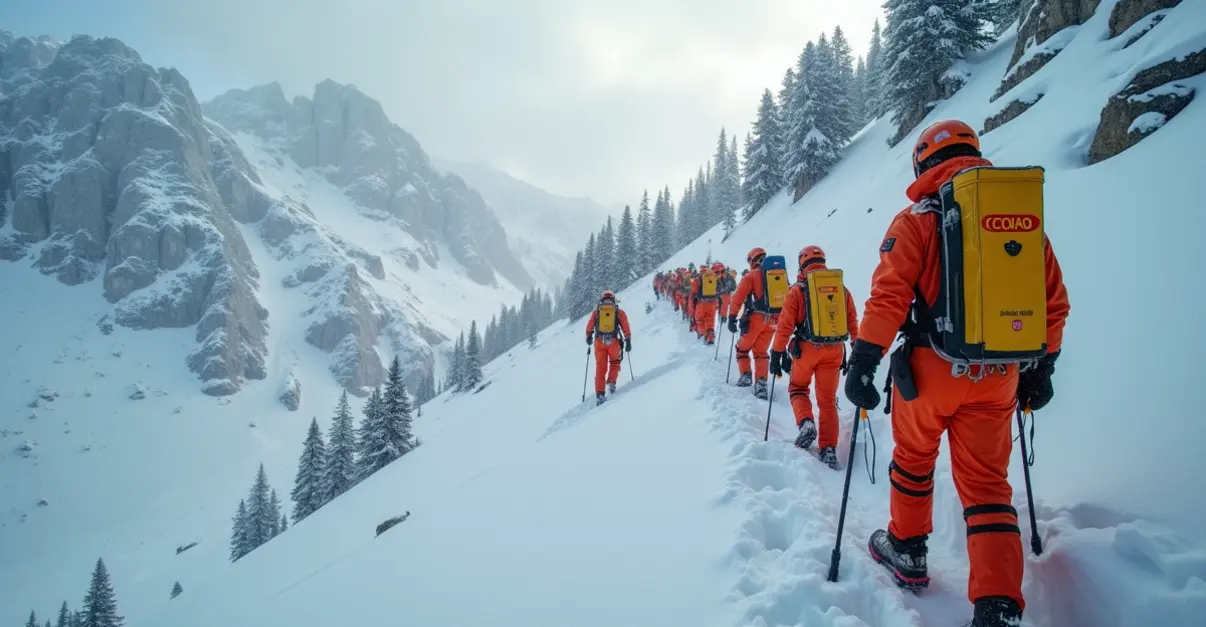
Emergency services launched one of the largest rescue operations in recent Alpine history, deploying six helicopters and approximately 80 rescuers to the remote mountain location. Hospitals in both Italy and nearby Innsbruck, Austria, were placed on standby to receive casualties. The challenging terrain and high altitude complicated rescue efforts, though the victims' avalanche transceivers proved crucial in the search and recovery operation.
Key Details of the Incident
- Location: Hohe Ferse mountain, Ridanna Valley, South Tyrol, Italy
- Altitude: 2,300 meters (7,874 feet)
- Time: 11:40 a.m. local time, March 21, 2026
- Casualties: 2 fatalities, 5 injuries (3 serious, 2 minor)
- Rescue Response: 6 helicopters, 80 rescuers deployed
- Weather Conditions: Elevated avalanche risk level in effect
Europe's Deadliest Avalanche Season
This tragic incident adds to what has become Europe's most deadly avalanche season in modern history. According to the European Avalanche Warning Services (EAWS), the 2025-26 season has already claimed 127 lives across Europe, surpassing the long-term seasonal average of 100 deaths. Italy leads with 33 fatalities, followed by France (31), Austria (29), and Switzerland (15).
The dangerous conditions stem from a unique snowpack structure that formed in early December 2025, when a persistent weak layer of 'sugar snow' developed under heavy subsequent snowfall. This creates what avalanche experts call a 'persistent weak layer' that acts like ball bearings when covered by fresh snow, making slopes particularly unstable.
'This season has been exceptionally dangerous due to the snowpack structure,' explained an EAWS spokesperson. 'We've seen approximately half of victims not wearing avalanche transceivers, which significantly reduces survival chances.'
Essential Avalanche Safety Equipment
For backcountry skiers and winter sports enthusiasts, proper safety equipment can mean the difference between life and death. The three essential pieces of avalanche safety gear are:
- Avalanche Transceiver (Beacon): Emits a signal to help rescuers locate buried victims. Modern models have ranges up to 80 meters.
- Avalanche Probe: Collapsible pole used to pinpoint exact burial locations and depths.
- Avalanche Shovel: Essential for digging out victims quickly and efficiently.
Experts recommend that all backcountry travelers carry this equipment and know how to use it properly. The 2025-26 European avalanche crisis has highlighted the importance of proper preparation and equipment.
Why Are Avalanches So Deadly This Season?
Several factors have contributed to the unusually high number of avalanche fatalities this season:
| Factor | Impact | Details |
|---|---|---|
| Snowpack Structure | High | Persistent weak layer formed in early December |
| Weather Patterns | High | Unusual southerly jet stream bringing heavy snowfall |
| Tourist Behavior | Medium | Increased risk-taking despite warnings |
| Equipment Usage | Medium | Approximately 50% of victims without transceivers |
| Climate Factors | Variable | Changing rain-snow line affecting stability |
Most fatalities have occurred at avalanche danger levels 3-4 (considerable to high), highlighting that even moderate forecasts can be deadly when structural instability exists in the snowpack. The Alpine winter sports safety protocols are being reevaluated in light of this season's tragedies.
Frequently Asked Questions About Avalanche Safety
What should I do if caught in an avalanche?
Try to move to the side, discard equipment, create an air pocket in front of your face, and conserve energy. Survival time is typically 12-15 minutes for complete burial.
How can I check avalanche conditions?
Consult local avalanche forecasts from organizations like EAWS, check weather reports, and speak with local mountain guides before heading out.
What equipment is essential for backcountry skiing?
Always carry an avalanche transceiver, probe, and shovel. Consider additional safety gear like avalanche airbag backpacks and RECCO reflectors.
How does climate change affect avalanche risk?
While direct links to avalanche frequency are complex, climate change affects the rain-snow line and snowpack stability, potentially creating more dangerous conditions in some regions.
What are the warning signs of avalanche danger?
Recent heavy snowfall, wind-loaded slopes, cracking or collapsing snow, and previous avalanche activity in the area are all red flags.
Follow Discussion