


 Deutsch
 English
 Español
 Français
 Nederlands
 Português


 Share
Share




Third Death in South Tyrol Avalanche Tragedy: 2026 Alpine Disaster Claims More Lives
A devastating avalanche in Italy's South Tyrol region has claimed a third life, with two more skiers remaining in critical condition following Saturday's tragedy that caught approximately 25 backcountry skiers off-guard. The 2026 European avalanche crisis continues to escalate as rescue operations in the Ridanna Valley near the Austrian border reveal the grim reality of this winter's unusually dangerous conditions.
What Happened in the South Tyrol Avalanche?
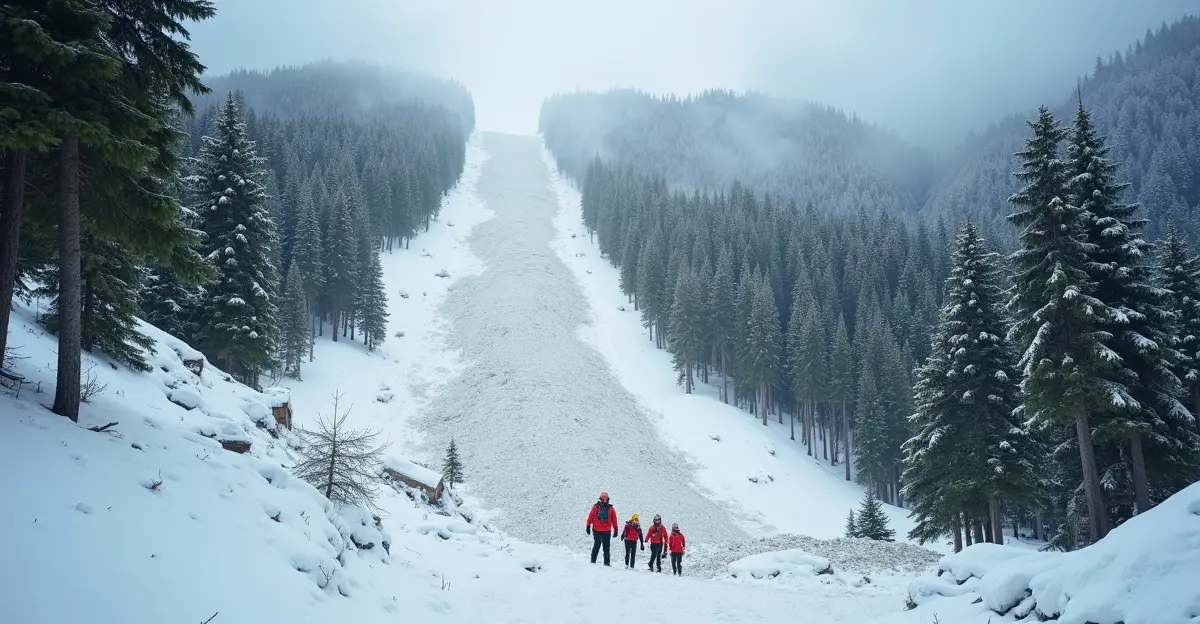
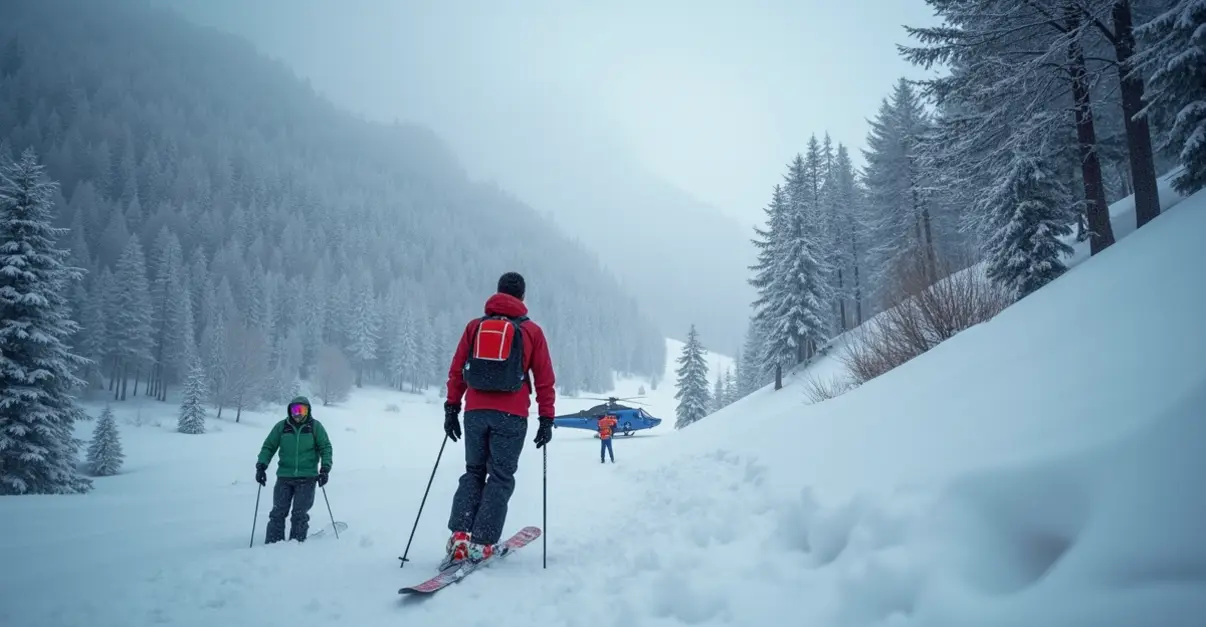
The avalanche struck at approximately 11:40 AM local time on Saturday, March 22, 2026, at an altitude of 2,400 meters (7,874 feet) on the slopes of Cima d'Incendio (Zunderspitz) in the Ridanna Valley. A massive snow slab measuring 150 meters wide broke loose from the mountain's summit, sweeping down the entire slope and catching a group of tour skiers who were skiing off-piste, far from marked ski runs.
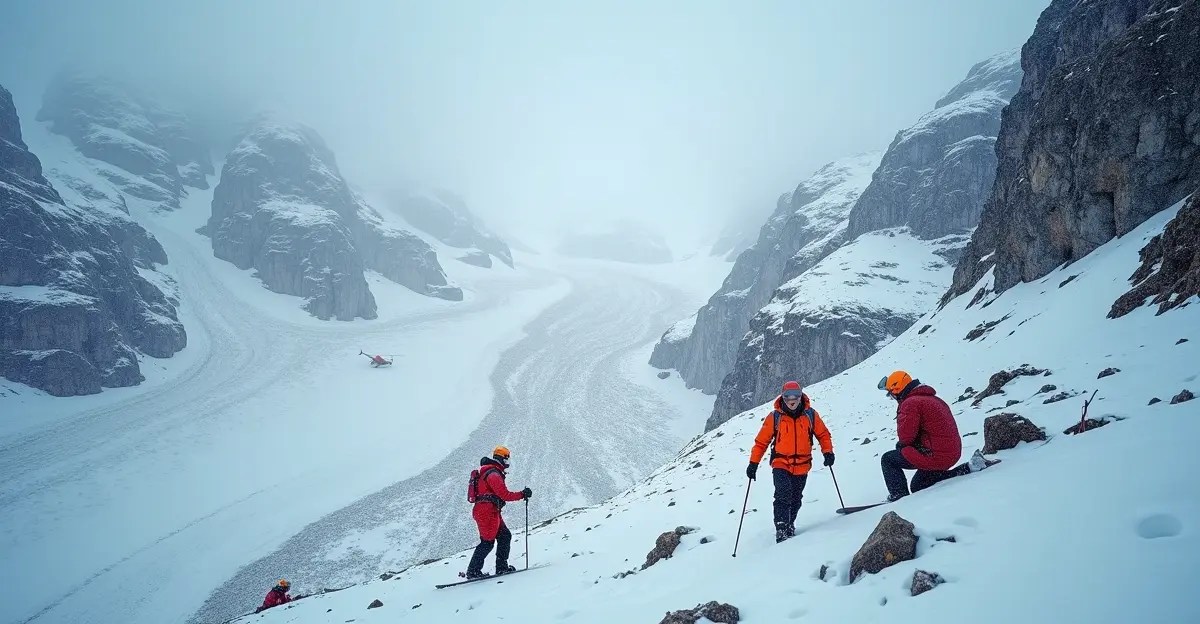
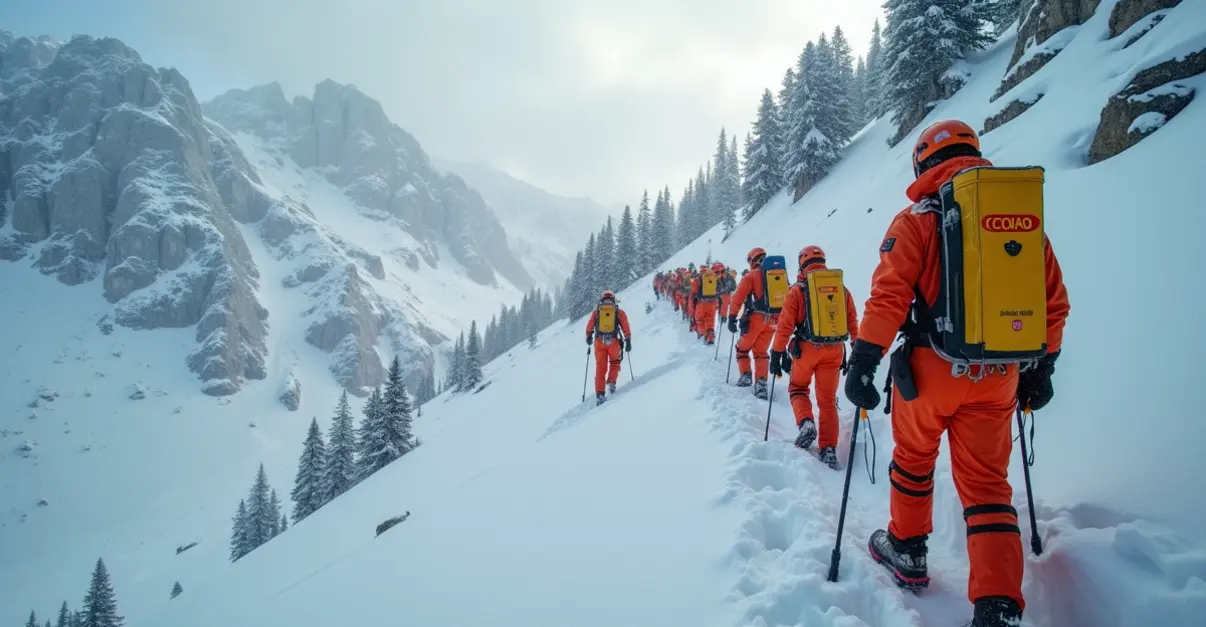
According to rescue officials, most of the skiers managed to reach safety, but ten were caught in the avalanche's path. The rescue operation involved 80 personnel from Italian Alpine, National Alpine, and CNSAS rescue services, supported by search dogs and six helicopters. "This was a major rescue operation under extremely difficult conditions," reported a spokesperson from the Italian Alpine rescue service.
Victims and Rescue Efforts
The third victim, a 26-year-old woman from Brescia, succumbed to her injuries at a hospital in Innsbruck, Austria. She had been among three critically injured skiers airlifted for emergency medical treatment. The previous fatalities included a 62-year-old Italian man and a 56-year-old Austrian man, both of whom were pronounced dead at the scene.
Remarkably, the 62-year-old victim was an experienced mountain guide and ski alpinist who had summited peaks over 6,000 meters in the Himalayas. His death underscores the reality that even seasoned professionals face significant risks during this particularly hazardous avalanche season. Two other skiers—a German and an Austrian—remain in serious condition, according to reports from Italian broadcaster Rai News.
Why This Avalanche Season Is So Deadly
The 2025-2026 avalanche season in Europe has become one of the deadliest in modern history, with 128 fatalities recorded so far across the continent. This surpasses the long-term seasonal average of approximately 100 deaths and represents a significant increase from previous years.
Several factors contribute to the dangerous conditions:
- Persistent Weak Layers: A structural instability known as "sugar snow" formed in early December 2025, creating a fragile foundation beneath subsequent snowfalls
- Heavy Snowfall: Significant January and February snowstorms added weight to the unstable base layer
- Wind Loading: The föhn wind—a warm, dry wind common in Alpine regions—has transported snow and created dangerous wind slabs
- Climate Factors: Rising temperatures and changing precipitation patterns contribute to more unpredictable snowpack conditions
The current avalanche danger in the Ridanna Valley is rated as moderate (Level 2 on a 5-point scale), but conditions can change rapidly with weather fluctuations. This mirrors the broader Alpine safety challenges facing winter sports enthusiasts across Europe.
Safety Equipment Saved Lives
Rescue officials noted that the relatively low number of fatalities—given the scale of the avalanche—may be attributed to the skiers' preparedness. All members of the group were carrying avalanche transceivers (locator devices), which significantly accelerated the rescue operation and likely prevented additional deaths.
"The fact that all skiers had avalanche safety equipment demonstrates responsible backcountry practices," commented an avalanche safety expert from the European Avalanche Warning Services. "However, equipment alone cannot guarantee safety when snowpack conditions are this unstable."
Europe's Avalanche Crisis: By the Numbers
| Country | 2025-2026 Fatalities | Percentage of Total |
|---|---|---|
| Italy | 33 | 25.8% |
| Austria | 29 | 22.7% |
| France | 31 | 24.2% |
| Switzerland | 15 | 11.7% |
| Other European Countries | 20 | 15.6% |
| Total | 128 | 100% |
Data from European Avalanche Warning Services (EAWS) shows that backcountry skiing accounts for 38% of avalanche fatalities, followed by off-piste skiing (25%) and mountaineering/climbing (15%). The majority of incidents involve persistent weak layers (45%) and wind slabs (35%).
What Is Avalanche Safety Level 2?
Avalanche danger Level 2 (moderate) means that human-triggered avalanches are possible, particularly on specific steep slopes identified in daily avalanche bulletins. While this represents the second-lowest level on the five-point scale, it still requires careful route selection, snowpack evaluation, and conservative decision-making—especially when combined with the season's underlying instability.
Safety experts emphasize that the current conditions demand extra caution, as the winter sports risk assessment must account for both the official danger level and the season's exceptional characteristics.
Frequently Asked Questions
How many people died in the South Tyrol avalanche?
Three people have died: a 62-year-old Italian mountain guide, a 56-year-old Austrian man, and a 26-year-old Italian woman from Brescia. Two others remain in critical condition.
Where exactly did the avalanche occur?
The avalanche struck on the Cima d'Incendio (Zunderspitz) mountain in the Ridanna Valley of South Tyrol, Italy, near the Austrian border at approximately 2,400 meters altitude.
What causes such dangerous avalanche conditions?
Multiple factors including persistent weak snow layers from early winter, heavy subsequent snowfall, wind transport creating slabs, and climate-related changes to snowpack stability.
How can skiers stay safe in avalanche terrain?
Essential safety measures include: 1) Checking daily avalanche forecasts, 2) Carrying and knowing how to use avalanche transceiver, probe, and shovel, 3) Taking avalanche safety courses, 4) Traveling with experienced partners, and 5) Making conservative route choices.
Why is 2026 such a bad year for avalanches in Europe?
An unusually unstable snowpack formed in December 2025 created structural weaknesses that have persisted throughout the season, making the snowpack particularly prone to failure under additional weight from new snow or human triggers.
Follow Discussion