


 Deutsch
 English
 Español
 Français
 Nederlands
 Português


 Share
Share




Avalanche Deaths in Austria: Two More Fatalities, Dutch Skier Resuscitated
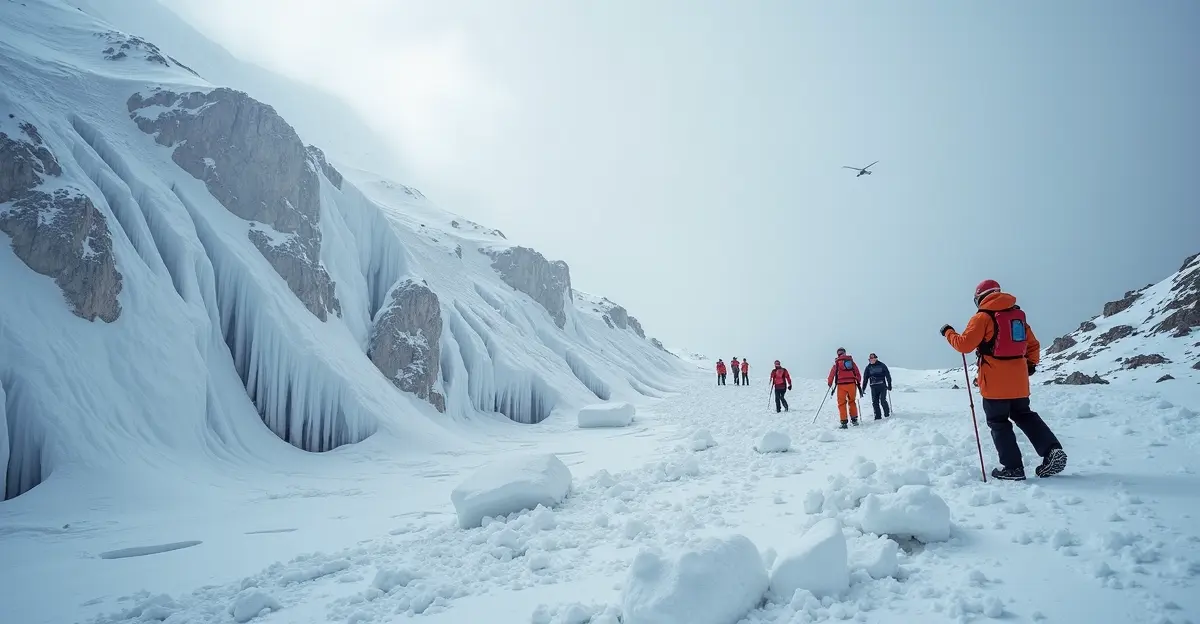
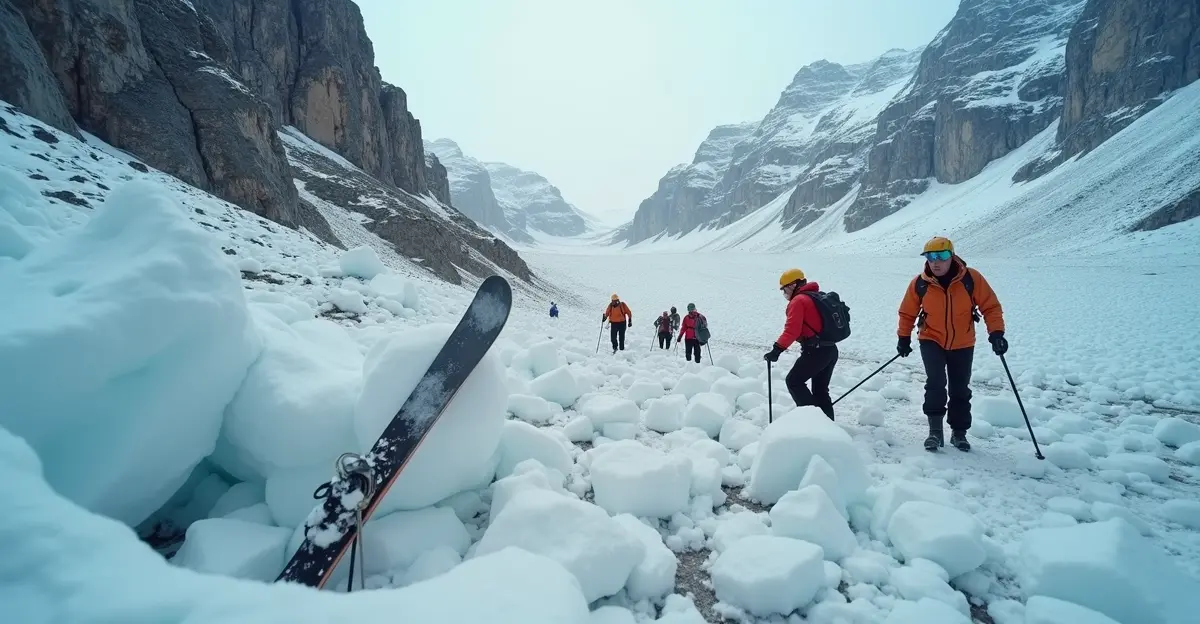
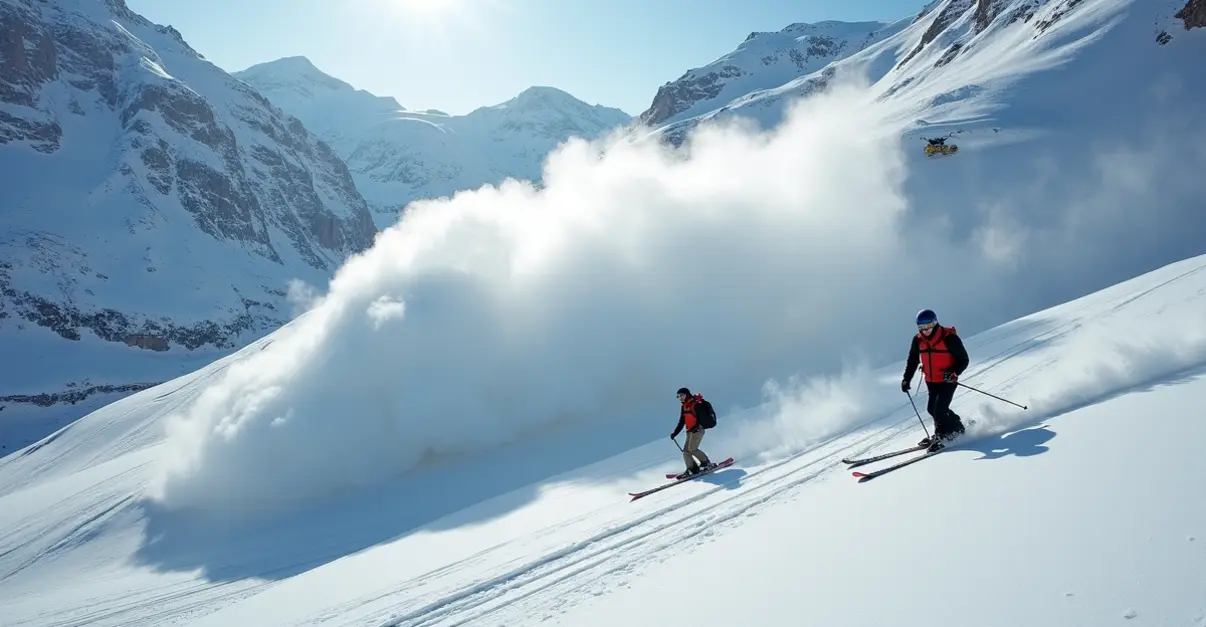
In a tragic escalation of Europe's deadliest avalanche season in decades, Austria has reported two additional avalanche fatalities on Saturday, February 22, 2026, bringing the European death toll to over 100 this winter. The latest victims include a 21-year-old Slovakian man and a 41-year-old Austrian, while a 52-year-old Dutch skier was resuscitated after being buried in snow in the Tirol region. These incidents highlight the dangerous snow conditions currently plaguing the Alps, with authorities issuing urgent warnings for skiers to remain on prepared pistes.
What is Causing the Avalanche Crisis?
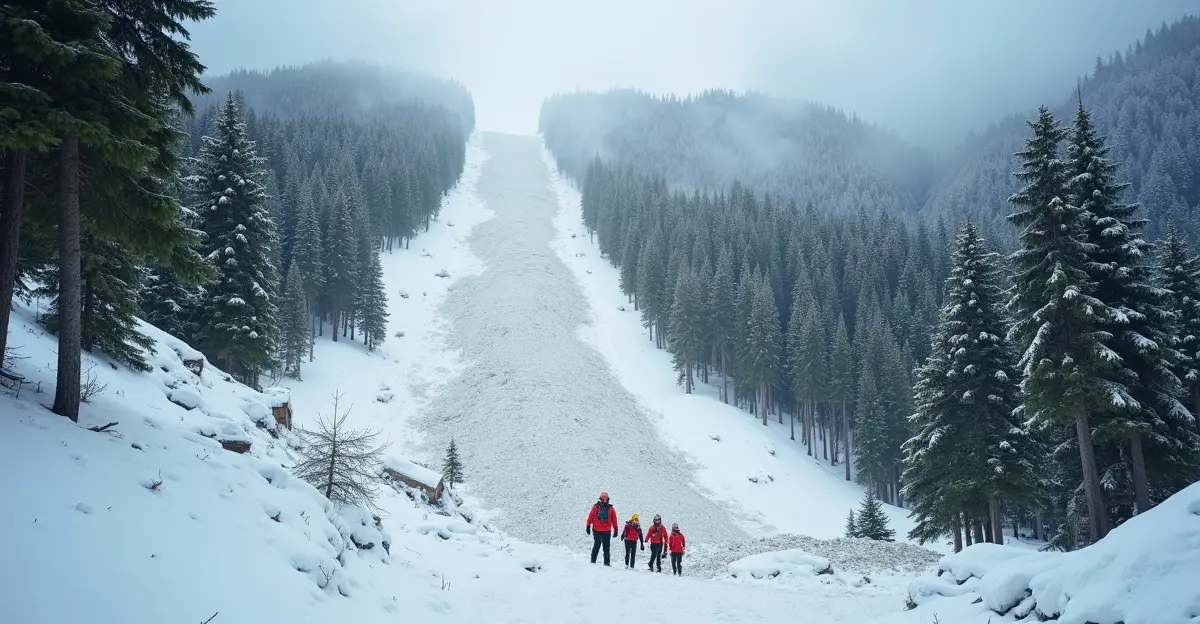
The current avalanche crisis stems from unique snowpack conditions that developed early in the winter. According to experts, minimal snowfall at the beginning of the season followed by dry, clear weather created a granular, weak snow layer. When subsequent snowfalls occurred, the new layers failed to bond properly with this unstable base. 'The underlying weak layer acts like ball bearings,' explains avalanche researcher Dr. Markus Weber. 'When pressure is applied—whether from a skier, snowboarder, or natural forces—the entire snowpack can slide.' This phenomenon has created widespread avalanche danger across Alpine regions, with risk levels reaching 4 out of 5 in many areas.
Saturday's Tragic Incidents
The two fatal avalanches occurred in separate Austrian states on Saturday. In Styria, the 21-year-old Slovakian man was skiing off-piste without specialized avalanche equipment when a snow slab broke above him, killing him instantly. In Tirol's Serfaus municipality, the 41-year-old Austrian was buried under snow, extracted by rescuers, and transported to Innsbruck Hospital where he later died.
In a separate incident in Zell am Ziller, Tirol, a 52-year-old Dutch skier was found upside down in the snow after leaving the prepared piste. His wife raised the alarm when he failed to appear at their meeting point. Ski lift staff discovered the man and performed resuscitation at the scene before transporting him to hospital. The Dutchman had been skiing with his wife and daughter, who remained on the marked trails.
Key Safety Equipment for Backcountry Skiing
- Avalanche transceiver/beacon: Essential for locating buried victims
- Avalanche probe: Used to pinpoint exact location under snow
- Avalanche shovel: Critical for rapid extraction (snow hardens like concrete)
- Avalanche airbag: Helps keep victims near the surface
- Communication device: Satellite phone or emergency beacon
Europe's Deadliest Avalanche Season
This winter has become Europe's most lethal avalanche season in recent memory, with over 100 fatalities already recorded—surpassing the average for an entire winter sports season. The crisis extends beyond Austria, with France reporting 25 deaths, Italy experiencing multiple fatal incidents, and Switzerland dealing with avalanche-related train derailments. The European avalanche warning system has been at maximum alert in many regions, with authorities implementing unprecedented safety measures.
| Country | 2026 Avalanche Deaths | Risk Level |
|---|---|---|
| Austria | Over 15 | Level 4/5 |
| France | 25+ | Level 4/5 |
| Italy | 13+ | Level 4/5 |
| Switzerland | Multiple | Level 3-4/5 |
Transportation and Infrastructure Impact
The avalanche danger has severely impacted Alpine infrastructure. Since Friday afternoon, the Arlberg Pass has been closed after an avalanche descended onto the roadway, creating a 20-kilometer traffic jam on one of the main connections between Vorarlberg and Tirol. Tourists unable to reach Lech-Zürs before the 5 PM closure had to find alternative accommodations. Tirol remains accessible only via the Arlberg Tunnel, with avalanche commissions assessing daily whether to reopen routes.
Since Thursday, up to 40 centimeters of fresh snow has fallen in the Austrian Alps, causing power outages and traffic chaos. Several ski areas have become inaccessible due to avalanche risks, disrupting winter tourism in one of Europe's premier destinations.
Survival Time: The Critical 12-15 Minute Window
Avalanche survival statistics reveal a grim reality: victims have only 12-15 minutes to be rescued before survival rates plummet dramatically. 'The first 15 minutes are absolutely critical,' emphasizes mountain rescue coordinator Franz Huber. 'After that, the chances of survival drop below 50%, and after 35 minutes, they're virtually zero. This is why proper equipment and companion rescue skills are non-negotiable for anyone venturing off-piste.' The granular snow conditions this season mean avalanches are particularly dense and suffocating, reducing survival time even further.
Frequently Asked Questions
What causes avalanches?
Avalanches occur when snowpack layers fail, typically on slopes between 25-40 degrees. They require a trigger (skier, snowmobile, wind loading) and unstable snow conditions. This season's problem stems from a weak granular base layer that new snow cannot properly bond to.
How can skiers stay safe?
Always check avalanche forecasts before heading out, carry essential safety equipment (beacon, probe, shovel), stay on prepared pistes during high-risk periods, travel with experienced companions, and consider avalanche airbags for additional protection.
What's the survival time in an avalanche?
Victims have approximately 12-15 minutes before survival chances drop significantly. After 35 minutes buried, survival rates are extremely low. Rapid companion rescue is crucial.
Why is this season particularly dangerous?
Unusual weather patterns created a weak snowpack foundation early in winter. Subsequent snowfalls haven't bonded properly, creating widespread instability across Alpine regions.
Are avalanche warnings being heeded?
Authorities report that despite clear warnings, many skiers continue to venture off-piste without proper equipment. Approximately 90-95% of avalanche victims trigger the slides themselves through their activities.

Follow Discussion