


 Deutsch
 English
 Español
 Français
 Nederlands
 Português


 Share
Share




Avalanche Tragedy in Norway: 2 Dead, 2 Injured in Hemsedal Ski Disaster
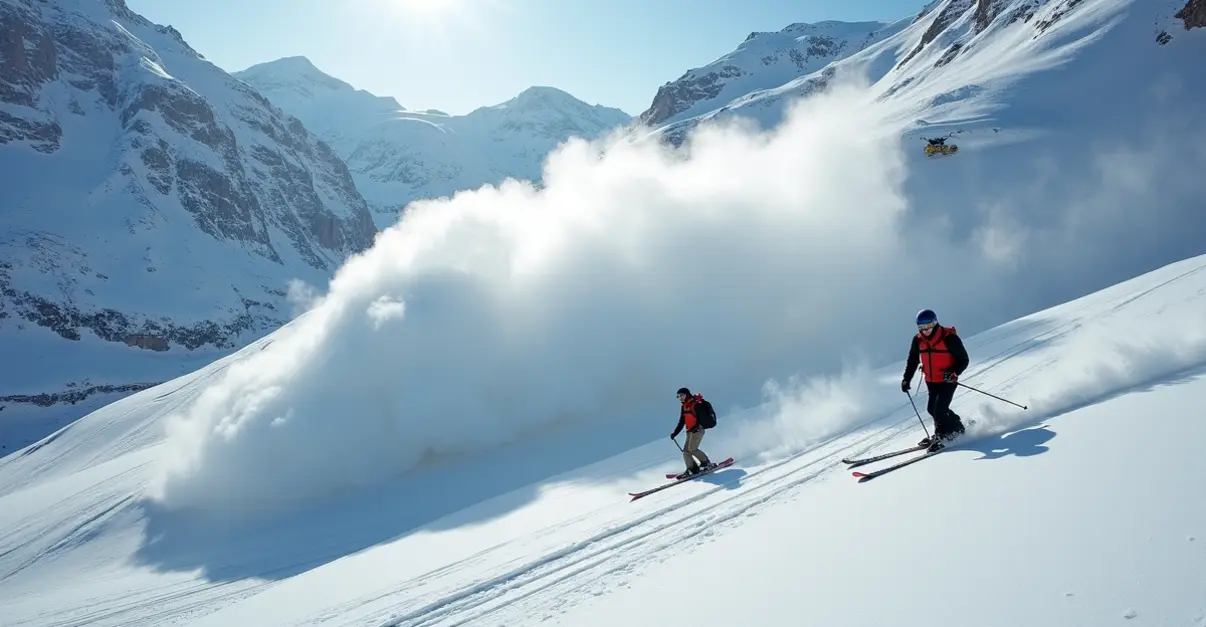
In a devastating incident that highlights the persistent dangers of winter mountain sports, two people were killed and two others injured in a major avalanche in Norway's Hemsedal region on April 6, 2026. The tragedy occurred despite an active orange-level avalanche warning being in effect for the popular ski area northeast of Bergen, raising critical questions about backcountry safety protocols and risk assessment in avalanche-prone terrain.
What Happened in Hemsedal?
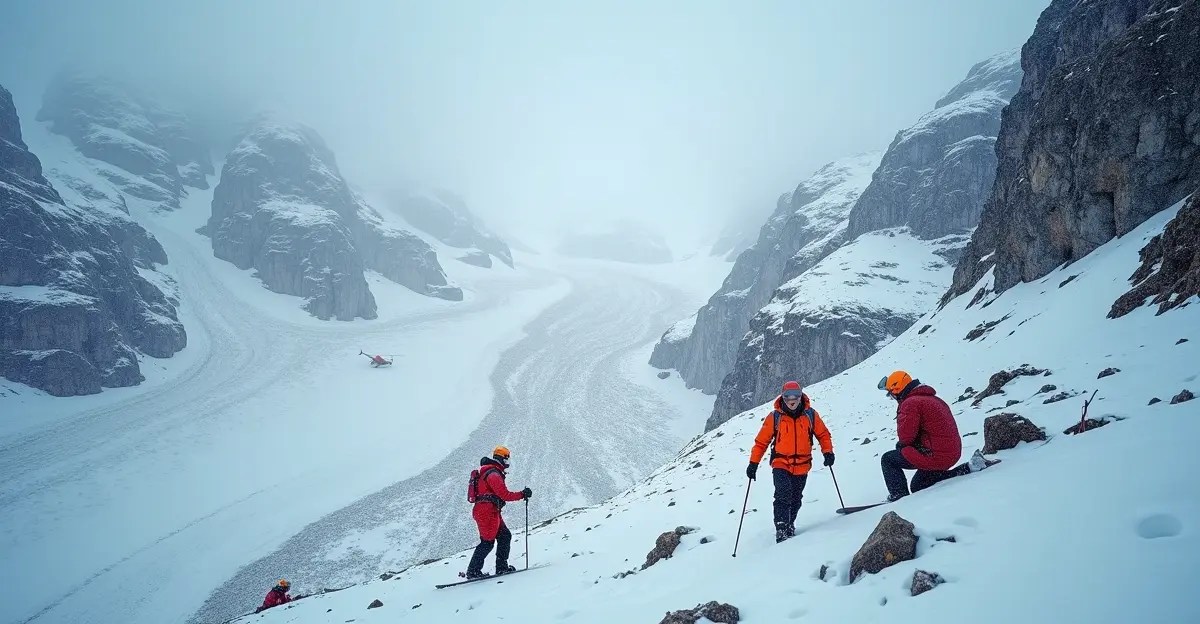
The avalanche struck in the Hemsedal ski area, approximately 273 kilometers from Bergen in southern Norway. According to Norwegian broadcaster NRK, a large group of people were in the ski area when the natural disaster occurred. Four individuals were swept away by the massive snow slide, triggering an immediate search and rescue operation involving helicopter support.
After approximately one hour of intensive searching, all four victims were located. Tragically, two had not survived the ordeal, while the other two received emergency first aid at the scene. Norwegian police confirmed the fatalities around 1:00 PM local time, though the condition of the survivors remains unclear. Authorities have not yet released information about the victims' nationalities, equipment, or experience levels in avalanche terrain.
Understanding Avalanche Warning Systems
At the time of the incident, Hemsedal was under an orange avalanche warning—the third level on Norway's four-tier danger scale. This classification indicates a "considerable" risk where human-triggered avalanches are probable and natural avalanches are possible. The Norwegian Avalanche Warning Service (NAWS) operates through Varsom.no, providing daily forecasts and safety information for backcountry enthusiasts.
Norway's avalanche warning system includes:
- Level 1 (Low): Generally stable conditions
- Level 2 (Moderate): Heightened avalanche conditions on specific terrain features
- Level 3 (Considerable): Dangerous avalanche conditions requiring careful route selection
- Level 4 (High): Very dangerous conditions where travel in avalanche terrain is not recommended
The Hemsedal tragedy occurred despite these warnings being publicly available through both the Varsom website and mobile app, which are recommended for all backcountry travelers in Norway.
Avalanche Safety Equipment and Preparedness
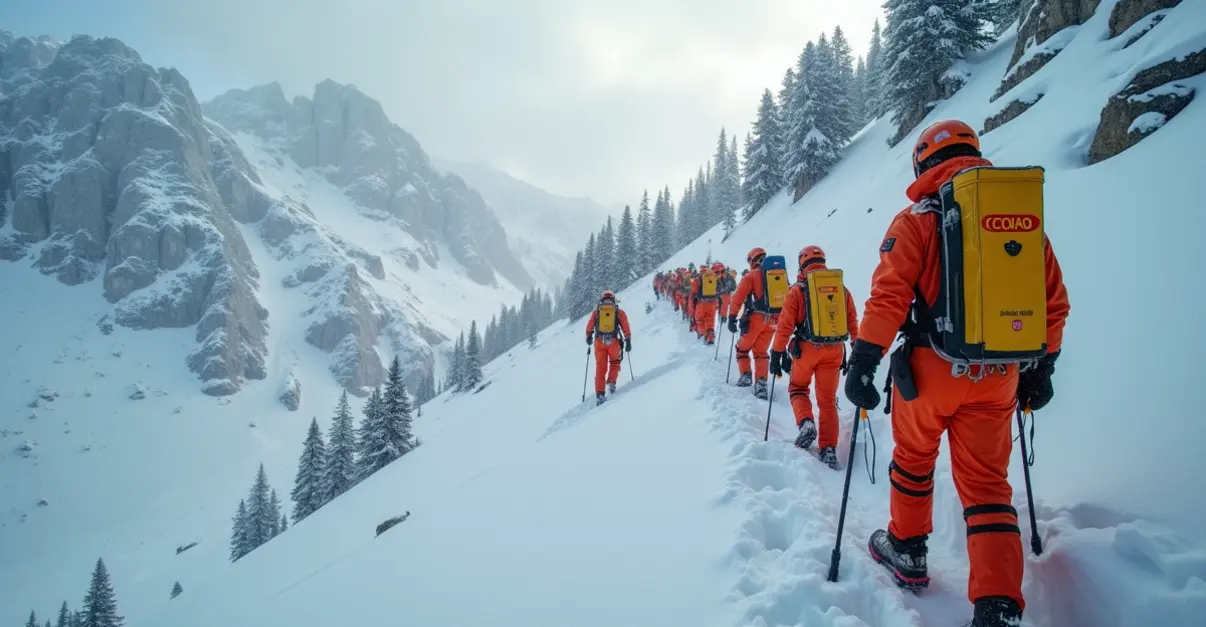
Proper avalanche safety equipment is essential for anyone venturing into backcountry terrain. The standard kit includes:
- Avalanche transceiver (beacon) for locating buried victims
- Avalanche probe for pinpointing exact burial locations
- Shovel for excavation (preferably metal, not plastic)
- Avalanche airbag backpack to increase chances of staying on the surface
- RECCO reflector system for additional detection capabilities
Experts emphasize that equipment alone is insufficient without proper training. "Having the right gear is only half the battle," says avalanche safety instructor Lars Johansen. "You need to know how to use it effectively under pressure, and more importantly, you need the decision-making skills to avoid dangerous situations in the first place."
Regional Avalanche Context and Climate Impact
The Hemsedal incident follows a particularly deadly winter season across Europe. Earlier in 2026, a major avalanche in South Tyrol claimed three lives and left two others in critical condition. According to recent statistics, this winter season has already seen 125 skier fatalities due to avalanches across European mountain regions.
Climate change is increasingly affecting avalanche patterns in Norway and throughout the Alps. Warmer temperatures can create more unstable snowpack conditions, while increased winter rainfall—particularly noticeable in regions like Svalbard—has led to more frequent and dangerous avalanche events. The European Avalanche Warning Services (EAWS) coordinates standardized warning systems across the continent to address these evolving risks.
What is Avalanche Terrain?
Avalanche terrain typically includes slopes between 30-45 degrees—the angle range where snow is most likely to slide. However, avalanches can occur on slopes as shallow as 25 degrees or as steep as 60 degrees under certain conditions. Key factors include:
| Slope Angle | Avalanche Risk | Typical Terrain |
|---|---|---|
| 25-30° | Low to Moderate | Beginner backcountry |
| 30-35° | Moderate to High | Most avalanche-prone |
| 35-45° | High to Extreme | Expert terrain only |
| 45+° | Variable | Steep couloirs and faces |
Approximately 7% of Norway's territory is considered avalanche-prone, with building restrictions prohibiting new private homes in areas where avalanche probability exceeds 1 in 1,000 per year.
FAQs About the Norway Avalanche Tragedy
Where exactly did the Hemsedal avalanche occur?
The avalanche occurred in the Hemsedal ski area in Buskerud county, southern Norway, approximately 220 km northwest of Oslo and 273 km from Bergen.
What does an orange avalanche warning mean?
Orange (Level 3) indicates considerable avalanche danger where human-triggered avalanches are probable and natural avalanches are possible. Careful route selection and conservative decision-making are essential.
How common are avalanche fatalities in Norway?
While Norway has comprehensive safety systems, avalanches remain a significant risk, particularly during peak winter months. The country experiences multiple avalanche incidents annually, with varying fatality rates depending on snow conditions and backcountry activity levels.
What should I do if caught in an avalanche?
Try to move to the side, discard equipment if possible, use swimming motions to stay near the surface, and create an air pocket in front of your face if buried. Most importantly, always ski with partners who have proper rescue training and equipment.
How can I check avalanche conditions in Norway?
The official source is Varsom.no, which provides daily avalanche forecasts, terrain maps, and educational resources. The free Varsom app is available for iOS and Android devices.

Follow Discussion