


 Deutsch
 English
 Español
 Français
 Nederlands
 Português


 Share
Share




136 Avalanche Deaths in Europe: Highest Winter Toll Since 2018
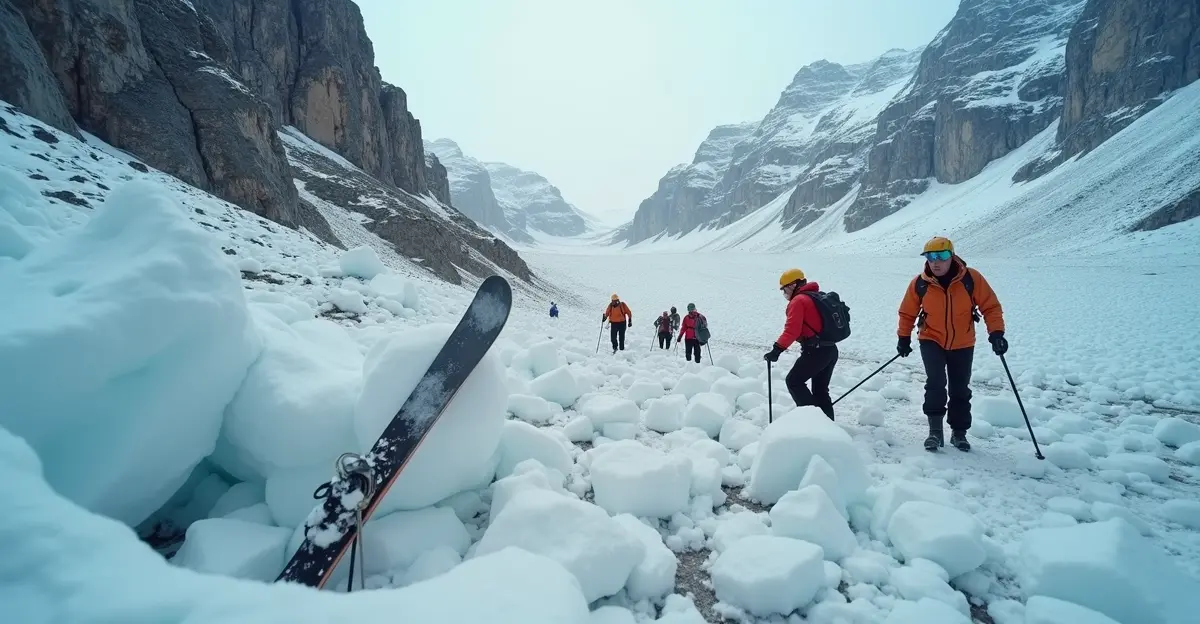
Europe has recorded 136 avalanche fatalities during the 2025-26 winter season, marking the highest death toll since the 2017-18 season and nearly double last year's total of 70 deaths. The European Avalanche Warning Services (EAWS) reports this alarming spike as the winter sports season concludes with Easter, with several weekend incidents still unaccounted for in the official statistics.
What is Causing This Deadly Avalanche Season?
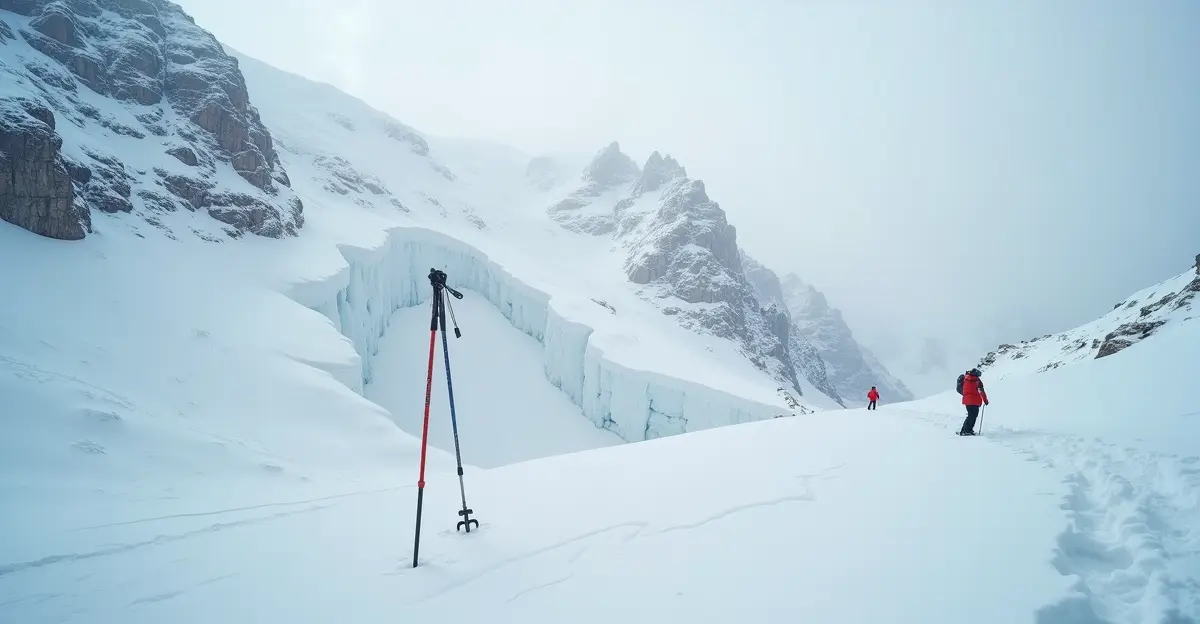
Experts attribute the unprecedented death toll to climate change impacts on snowpack stability. Rising temperatures and fluctuating weather patterns have created dangerous conditions where snow layers fail to bond properly, leading to unexpected slab releases. "The snow in ski areas has become unreliable due to climate change," explains avalanche researcher Dr. Markus Fischer. "Higher and constantly changing temperatures mean snow layers don't adhere well to each other, which can cause entire snow slabs to release unexpectedly." This phenomenon has caught even experienced skiers off guard, with the German press agency DPA noting an unusually high number of professional guides among this season's victims.
Country-by-Country Breakdown of Fatalities
The EAWS data reveals stark geographical patterns in this season's avalanche tragedies:
| Country | Avalanche Deaths 2025-26 | Primary Activities |
|---|---|---|
| Italy | 38 | Backcountry skiing, mountaineering |
| France | 32 | Off-piste skiing, ski touring |
| Austria | 30 | Ski touring, mountaineering |
| Switzerland | 15 | Backcountry skiing, ski mountaineering |
| Spain | 8 | Backcountry skiing |
| Slovakia | 6 | Mountaineering |
| Slovenia | 3 | Ski touring |
Several countries including Germany, Czech Republic, and Iceland reported zero avalanche fatalities this season. The data shows that 38% of incidents involved backcountry skiing, 23% off-piste skiing, and 15% mountaineering or climbing activities.
Most Deadly Incidents of the Season
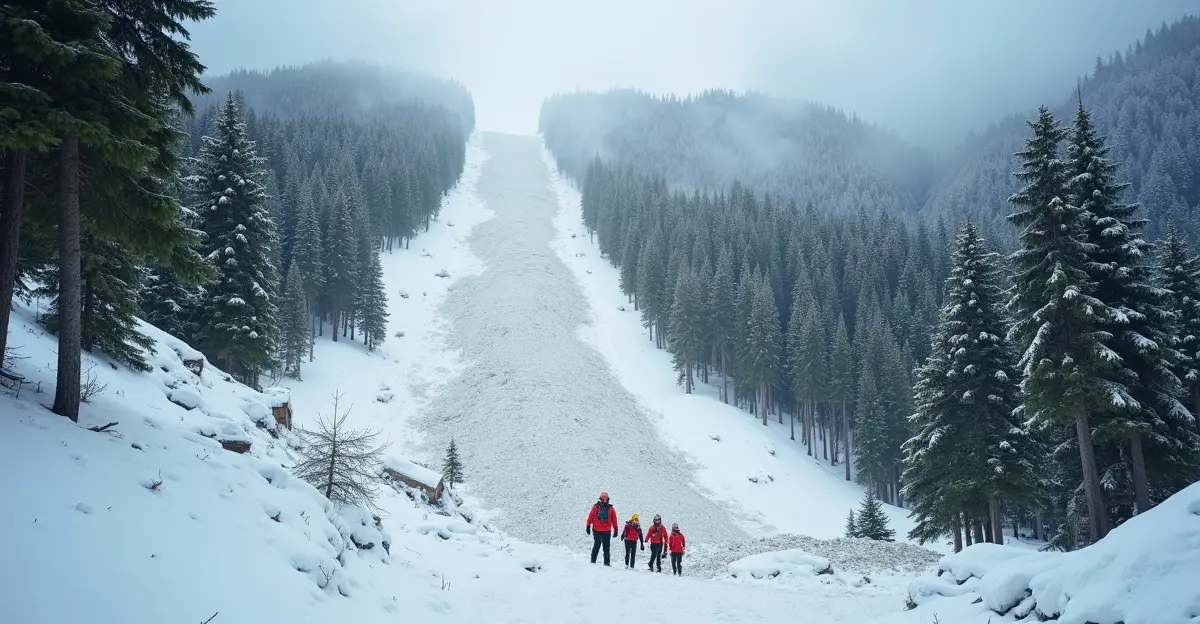
The season's worst single incident occurred on Italy's Vertainspitze in South Tyrol in November, where five of seven German mountaineers perished. More recently, Easter weekend saw multiple fatalities across the Alps, including three separate incidents in Switzerland and two deaths in Norway's Hemsedal region. A skier on Italy's Grabspitze was buried and airlifted to hospital in critical condition.
How Climate Change is Creating Unstable Snow Conditions
The European climate patterns have shifted dramatically in recent years, creating what experts describe as a "once-in-five-to-ten-year" snowpack instability scenario. A persistent weak layer of 'sugar snow' formed in December 2025 has created structural problems throughout the Alpine snowpack. This season features three primary avalanche problems:
- Persistent Weak Layers (45% of incidents): Deep snowpack instabilities that remain dangerous for extended periods
- Wind Slabs (35% of incidents): Snow transported by wind forming unstable slabs on leeward slopes
- New Snow (15% of incidents): Recent snowfall creating immediate avalanche hazards
These conditions have proven particularly treacherous because they create deep, stubborn instabilities rather than obvious storm slabs, catching even experienced winter sports enthusiasts by surprise.
Essential Avalanche Safety Tips for Winter 2026
With dangerous conditions expected to persist in higher elevations through early May, avalanche services emphasize critical safety measures:
1. Recognize the "Wumm" Warning
Swiss authorities have issued specific warnings about "Wumm" sounds - the hissing noise that rises from snow when underlying layers collapse. Their motto: "Bei Wumm, kehr um" (When you hear Wumm, turn around). This audible warning indicates serious snowpack weakness that often precedes windslab avalanches.
2. Always Carry Proper Safety Equipment
Avalanche transceivers are essential survival tools. Statistics show that 90% of avalanche victims survive if rescued within 15 minutes, but survival rates plummet rapidly thereafter. The mountain rescue protocols emphasize that companion rescue is crucial since professional response typically arrives too late.
3. Check Daily Avalanche Bulletins
European avalanche services provide daily forecasts with danger levels ranging from 1 (small) to 5 (very large). This season has seen numerous days with level 3 (considerable) or higher warnings across the Alps.
4. Avoid Uncontrolled Terrain on High-Risk Days
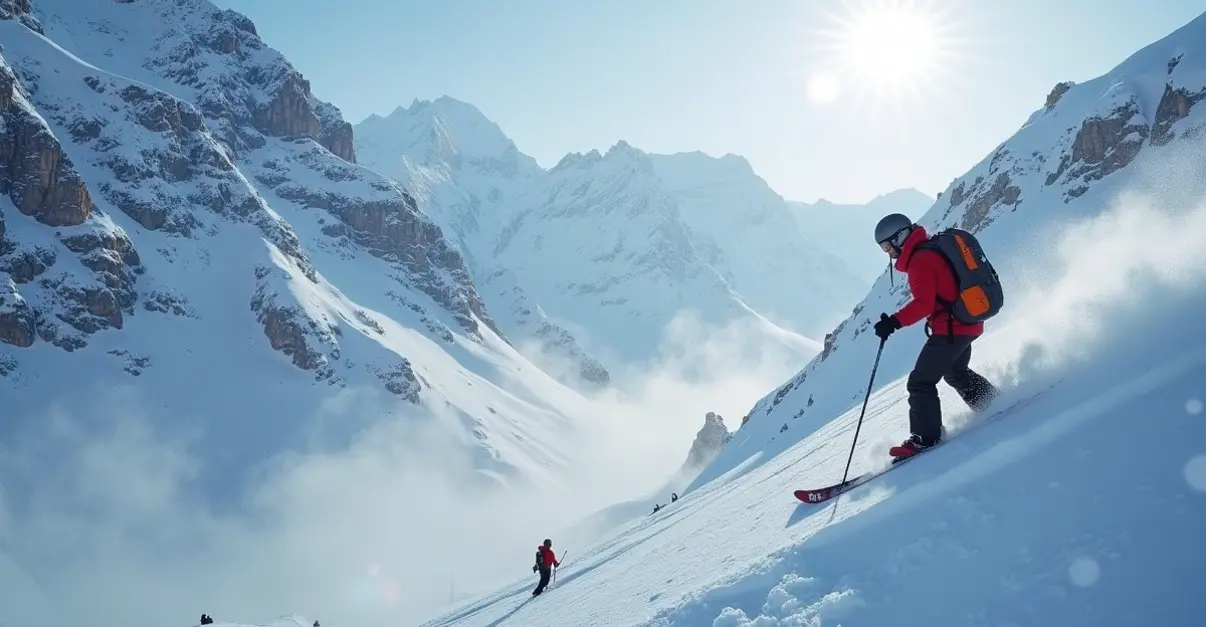
Nearly all fatalities this season occurred off-piste or in backcountry areas. European resorts allow unrestricted access to unmanaged terrain adjacent to groomed runs, creating a false sense of security.
Long-Term Implications for Winter Sports
The record avalanche death toll raises serious questions about the future of Alpine tourism in a warming climate. With average annual avalanche fatalities typically around 100, this season's 136 deaths represent a 36% increase over the norm. As temperatures continue to rise, experts warn that unstable snow conditions may become more frequent, requiring fundamental changes in how winter sports are practiced and regulated.
Frequently Asked Questions About the 2026 Avalanche Season
How many avalanche deaths occurred in Europe this winter?
Europe recorded 136 avalanche fatalities during the 2025-26 winter season, the highest since 2017-18 when 147 people died.
Which country had the most avalanche deaths?
Italy experienced the highest death toll with 38 fatalities, followed by France (32), Austria (30), and Switzerland (15).
What causes "Wumm" sounds in snow?
"Wumm" sounds occur when weak snow layers collapse under weight, creating a hissing noise that indicates serious avalanche danger and requires immediate retreat from the area.
How long can avalanche victims survive when buried?
Survival rates are 90% within 15 minutes of burial but drop rapidly to 30% after 35 minutes, making rapid companion rescue with transceivers essential.
Is climate change affecting avalanche frequency?
Yes, climate change creates unstable snow conditions through temperature fluctuations that prevent proper bonding between snow layers, increasing avalanche risks.

Follow Discussion