


 Deutsch
 English
 Español
 Français
 Nederlands
 Português


 Share
Share




Escalating Tensions in the Strait of Hormuz
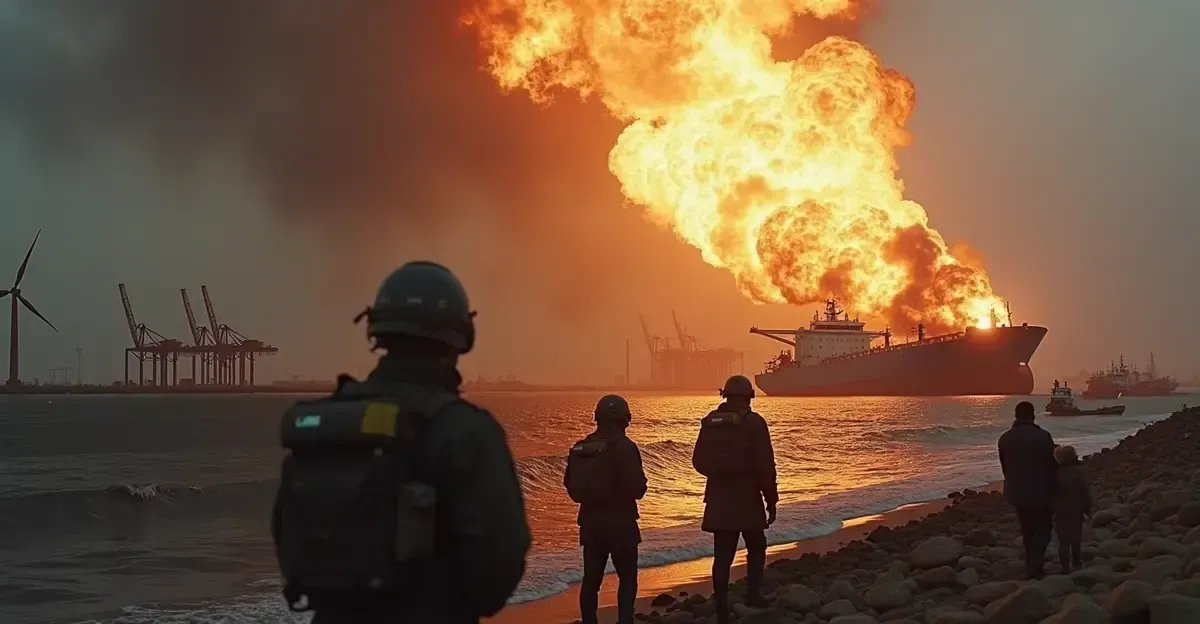
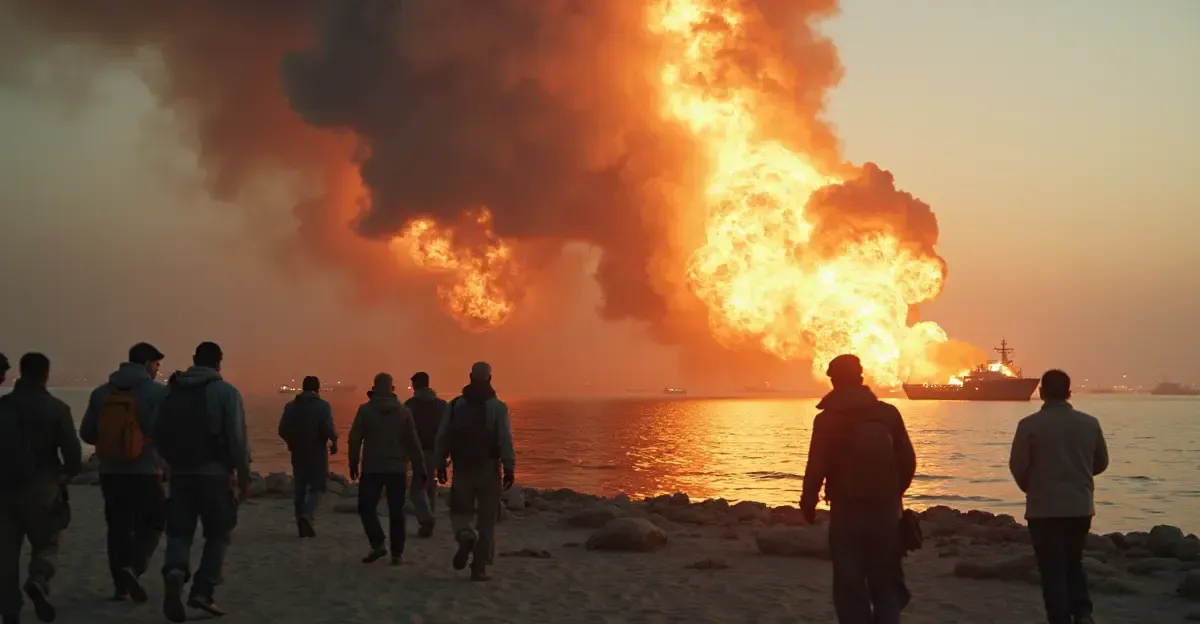
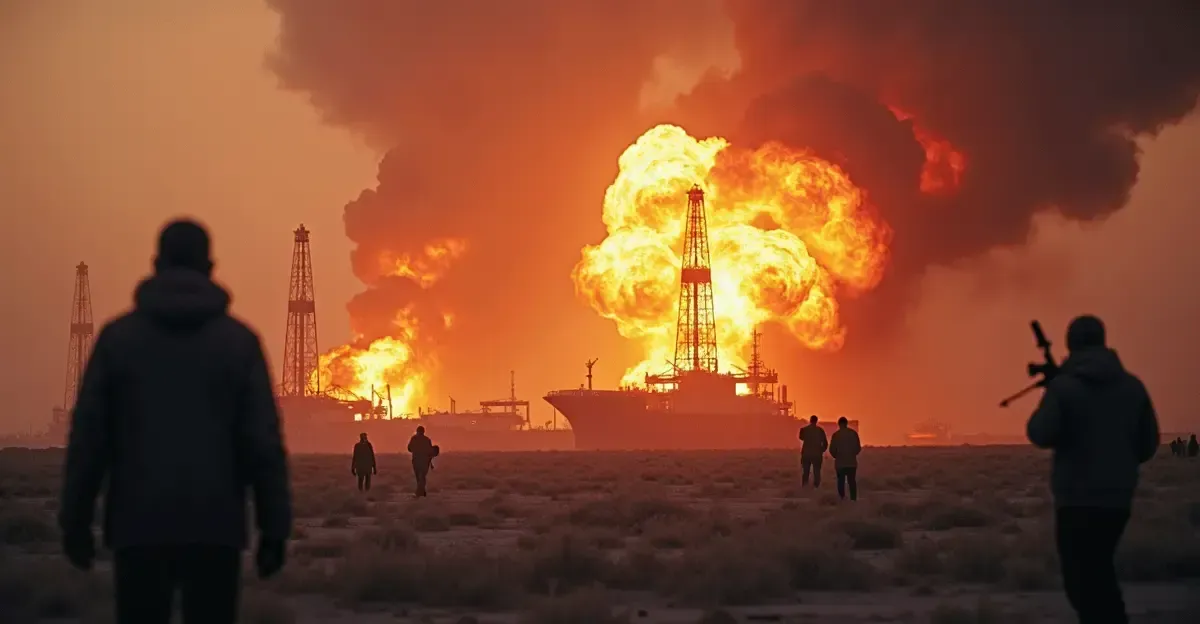
The world is witnessing a dramatic escalation of geopolitical tensions in early July 2026 as renewed attacks on commercial vessels in the Strait of Hormuz threaten global energy supplies, while Iran holds dayslong funerals for its slain Supreme Leader Ayatollah Ali Khamenei. On July 7, Iranian forces struck three commercial vessels, including a Qatari LNG carrier and a Saudi-flagged crude tanker, prompting the United States to revoke oil sanctions waivers granted just weeks earlier under the Islamabad Memorandum of Understanding. The attacks mark a significant breakdown of the fragile truce that had been brokered in June.
The Strait of Hormuz, a 34-kilometer-wide maritime chokepoint between Iran and Oman, handles roughly 20% of the world's seaborne oil trade and 20% of global LNG shipments. Since the outbreak of the US-Israel air war against Iran on February 28, 2026, the IRGC has effectively closed the strait to most commercial traffic, creating the largest disruption to world energy supply since the 1970s. Brent crude oil prices, which had peaked at US$126 per barrel in March, surged again above US$78 following the latest attacks. The 2026 global energy crisis continues to ripple through world markets.
NATO Ankara Summit: A Unified Response
On July 8, NATO leaders gathered in Ankara for a historic summit and issued a declaration reaffirming their "ironclad commitment" to collective defense under Article 5. The declaration specifically called for freedom of navigation in the Strait of Hormuz and reiterated that Iran must never possess a nuclear weapon. European Allies and Canada announced over US$139 billion in increased defense investments for 2025, with more than US$50 billion in new procurements. Allies also pledged €70 billion in military equipment and training for Ukraine in 2026. Spain dissented on one point, refusing base access for Hormuz-related operations, highlighting internal divisions within the alliance.
US President Donald Trump declared the Islamabad MOU ceasefire "over" during the summit and reversed Iran's oil sales license. The US subsequently launched a second strike package hitting approximately 90 targets, including the perimeter of the Bushehr nuclear plant. In retaliation, Iran struck targets in Bahrain, Kuwait, Qatar, and Jordan, widening the conflict beyond its immediate borders. The NATO alliance strategy in the Middle East is being tested like never before.
Iran's Leadership Transition Amid Mourning
Supreme Leader Ayatollah Ali Khamenei, 86, was killed on the first day of the US-Israeli war in an airstrike that also killed family members. His flag-draped coffin was displayed at Tehran's Grand Mosalla, and millions flooded the streets in scenes reminiscent of Ayatollah Khomeini's 1989 funeral. Powerful Revolutionary Guard General Ahmad Vahidi, who had been in hiding for months, appeared publicly for the first time to attend ceremonies. The funeral processions spanned several days across Iran and Iraq, with authorities shutting down streets and airspace in Tehran. The transition of leadership in Iran adds another layer of uncertainty to an already volatile region.
Iranian President Masoud Pezeshkian, who had signed the June 17 memorandum with Trump to end the war, now faces immense pressure from hardliners as negotiations stall. Iranian chief negotiator Ghalibaf called the Strait "Iran's greatest strategic instrument," signaling Tehran's willingness to use the waterway as leverage.
Humanitarian Catastrophe in Sudan
Meanwhile, a deadly cholera outbreak in war-torn Sudan has claimed at least 114 lives, with over 1,330 confirmed cases and a case fatality rate of 13.7% — described by the WHO as extremely high. The outbreak, declared on June 27, is concentrated in western states including Darfur and Kordofan, where ongoing conflict between the Sudanese Armed Forces and the Rapid Support Forces severely restricts humanitarian access. The WHO warned on July 10 that the outbreak could spiral further due to the onset of the rainy season, mass displacement, and the collapse of health infrastructure.
Sudan remains the world's largest humanitarian crisis, with 33 million people in need of assistance, 13.4 million displaced, and approximately 59,000 killed since April 2023. WHO representative Shible Sahbani expressed particular concern about the besieged city of al-Obeid in North Kordofan, warning it could become "the second al-Fashir, or even worse." Alongside cholera, outbreaks of dengue, malaria, meningitis, hepatitis E, and measles persist across the country. The Sudan humanitarian crisis 2026 shows no signs of abating.
Rohingya Refugees Hit by Landslides
In Bangladesh, monsoon rains triggered deadly landslides in the Rohingya refugee camps of Cox's Bazar on July 6, killing at least 14 people, including 12 children. The landslides buried bamboo and plastic shelters on steep, deforested hillsides while families slept. Save the Children reported that several learning centers were damaged or forced to close. Rohingya refugees, who fled Myanmar in 2017, live in overcrowded conditions with over one million people in the world's largest refugee settlement. Aid cuts and reduced donor funding in 2025 have worsened conditions, leaving communities vulnerable to natural disasters. Authorities have moved about 1,000 refugees from dangerous slopes and plan to relocate thousands more as heavy rain continues.
Global Implications
The convergence of multiple crises in early July 2026 — the Strait of Hormuz standoff, Iran's leadership transition, NATO's strategic response, Sudan's health emergency, and the Rohingya disaster — underscores a world under unprecedented strain. Energy markets remain volatile, humanitarian needs are growing, and diplomatic pathways appear fragile. The international community faces urgent calls to act, but divisions within alliances and the sheer scale of overlapping emergencies complicate any coordinated response.
Frequently Asked Questions
What is happening in the Strait of Hormuz in July 2026?
Iran has attacked commercial vessels in the Strait of Hormuz, escalating a crisis that began in February 2026. The US has revoked oil waivers and launched airstrikes on Iranian targets. NATO has declared support for freedom of navigation, and global energy markets are reacting with price volatility.
Who is the new Supreme Leader of Iran after Khamenei?
As of July 11, 2026, Iran's leadership transition is ongoing. Ayatollah Ali Khamenei was killed in an Israeli airstrike on February 28. His funeral took place July 3-6, and an Assembly of Experts is expected to select a successor, though no announcement has been made yet.
How many people have died in the Sudan cholera outbreak?
As of July 10, 2026, the WHO reports at least 114 deaths and over 1,330 confirmed cases, with a case fatality rate of 13.7%. The true toll is likely higher due to limited access in conflict zones.
What caused the Rohingya refugee camp landslides?
Heavy monsoon rains triggered landslides on July 6, 2026, in Cox's Bazar, Bangladesh. The camps are built on steep, deforested hillsides with bamboo and plastic shelters, making them highly vulnerable to such disasters.
What did NATO decide at the Ankara Summit?
NATO leaders reaffirmed Article 5 collective defense, called for freedom of navigation in the Strait of Hormuz, pledged €70 billion in military aid for Ukraine, and announced increased defense spending by European allies and Canada.

Follow Discussion