


 Deutsch
 English
 Español
 Français
 Nederlands
 Português


 Share
Share




What Is Happening to Europe's 130 km/h Speed Limit?
The familiar 130 km/h speed limit on European highways is undergoing a major transformation in 2026. Several countries are raising limits on modernized roads while others lower them for environmental reasons. This article explains the key changes drivers need to know.
For decades, 130 km/h was the de facto standard across much of Europe. Today, the picture is far more fragmented. Countries like the Czech Republic and Turkey are testing higher speeds, while the Netherlands and Austria adjust limits based on nitrogen and air quality concerns. Germany remains the notable holdout with no general Autobahn limit.
Czech Republic: First EU Country to Pilot 150 km/h
Since late September 2025, the Czech Republic has been piloting a 150 km/h limit on a 50-kilometer section of the D3 motorway between Tábor and České Budějovice. The higher speed is only activated under ideal conditions—clear weather, dry roads, smooth traffic, and no construction—via 42 electronic variable signs costing 55 million CZK. The default limit remains 130 km/h. If successful, the trial could extend to the D1 (Přerov to Ostrava) and D11 (toward Hradec Králové).
Transport Minister Martin Kupka stated: 'The goal is to gather real-world data on driver behavior and accident rates under higher speeds.'
Netherlands: Partial Return to 130 km/h
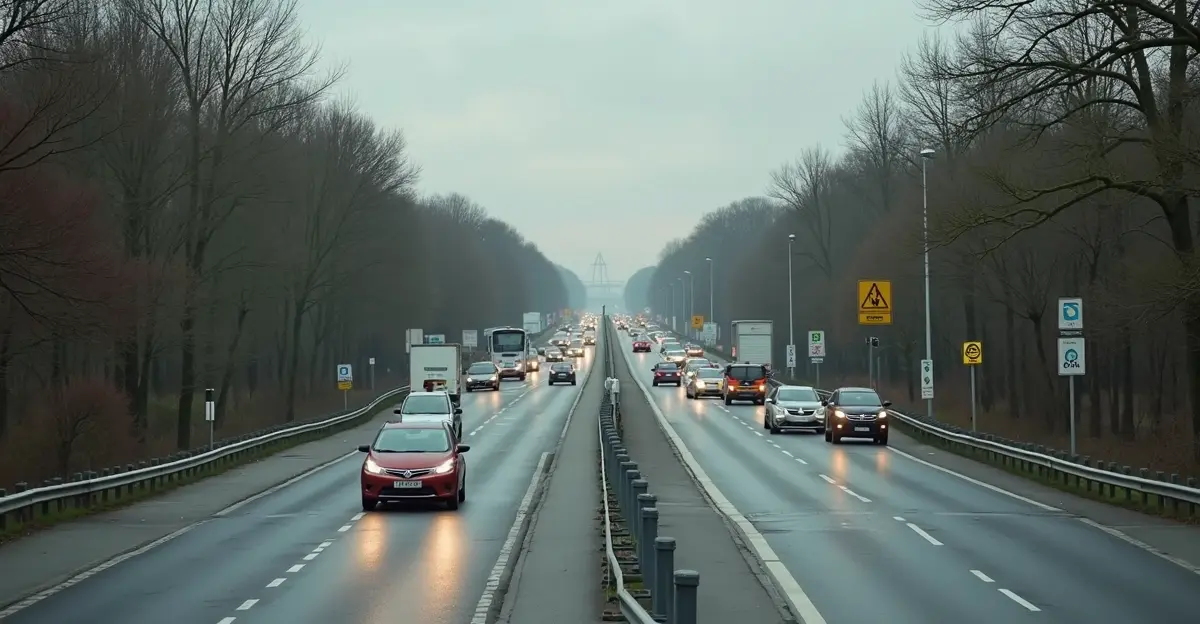
In 2020, the Netherlands lowered daytime limits to 100 km/h on all motorways due to nitrogen emissions. Since April 14, 2025, three routes have seen the daytime limit restored to 130 km/h: the A7 Afsluitdijk (44 km), the A7 near Winschoten (24 km), and the A6 near Lelystad (18 km). A fourth route, the A37 near Zwartemeer, followed later. The Dutch nitrogen crisis and its impact on driving remains a key factor; only 117 km of the 4,884 km highway network was cleared for the higher limit.
Austria: IG-L Air Quality Limits Eased
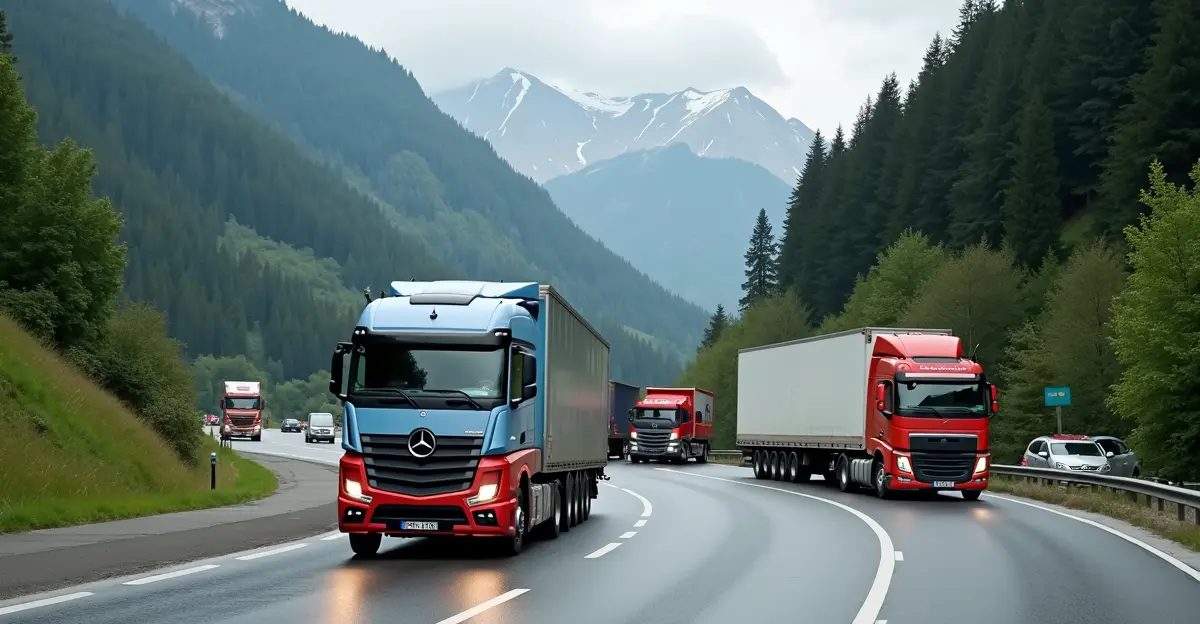
Austria's IG-L (Immissionsschutzgesetz-Luft) environmental law had imposed 100 km/h limits on several motorways to improve air quality. In 2025-2026, many of those restrictions were lifted on routes like the Brenner (A12) and Inntal (A12) motorways, where daytime 130 km/h now applies again. However, night limits of 90-110 km/h remain on some transit routes. Electric vehicles are exempt from IG-L limits and may drive 130 km/h where posted. Fines in IG-L zones remain two to five times higher than standard speeding penalties, reaching up to €3,000.
Turkey: Higher Speeds on Modern Infrastructure
Turkey raised its general motorway limit from 120 to 130 km/h in 2025, and on newer Build-Operate-Transfer (BOT) highways—such as the Northern Marmara and Gebze-Izmir routes—the limit is 140 km/h. These higher speeds apply only on roads built to enhanced safety standards. Speeding fines range from 2,167 TL for minor exceedances up to 9,267 TL for exceeding the limit by more than 50%, plus penalty points.
Germany: No General Limit Despite Court Ruling
Germany remains the only EU country without a general motorway speed limit. About 70% of the Autobahn network has no posted limit (advisory 130 km/h), while 30% has permanent or variable limits. In 2025, a federal court ruled that current climate measures are insufficient to meet 2030 CO₂ targets, reigniting debate about a 120 km/h limit. However, no legislation has been passed. Environmental groups and some political parties advocate for a limit of 80 km/h on national roads as a climate measure.
The German Autobahn speed limit debate continues to divide opinion between safety and environmental advocates and those who value unrestricted driving.
Impact on Drivers: What You Need to Know
For motorists traveling across Europe in 2026, the key takeaway is to check local limits before departure. Navigation systems may not reflect recent changes. On routes with variable electronic signs, the displayed speed always overrides navigation data. The trend is clear: countries with modern infrastructure and space are raising limits, while those with environmental constraints are lowering them. A unified European speed standard seems further away than ever.
Another important development is the EU's Intelligent Speed Assistance (ISA) mandate, which since July 2024 requires all new vehicles to include speed-limiting technology. This, combined with the EU cross-border speeding fine enforcement directive, means drivers can no longer ignore tickets from other member states.
Frequently Asked Questions
What is the fastest speed limit in Europe in 2026?
The highest posted speed limit in Europe is 150 km/h on the Czech D3 motorway trial section, followed by 140 km/h on some Turkish BOT highways.
Does Germany still have no speed limit on the Autobahn?
Yes, about 70% of the Autobahn has no general speed limit, though an advisory 130 km/h applies. The remaining 30% has posted limits, often between 100 and 130 km/h.
Why did the Netherlands lower its speed limit?
The Netherlands lowered daytime limits to 100 km/h in 2020 to reduce nitrogen oxide emissions. In 2025, three routes were restored to 130 km/h, but most highways remain at 100 km/h during the day.
Are electric vehicles exempt from lower speed limits?
In Austria, electric vehicles (BEVs) are exempt from IG-L environmental speed limits and may drive 130 km/h where others are limited to 100 km/h. This exemption does not apply in most other countries.
How are speed limits enforced across borders?
The EU Cross-Border Enforcement Directive allows member states to pursue speeding fines across borders. Since 2024, all new cars are also equipped with Intelligent Speed Assistance (ISA) that can limit speed automatically.
Sources
Information compiled from official government announcements (Rijksoverheid, ŘSD), ADAC, fuel-prices.eu, and news reports from NL Times, Prague Morning, and Euro Weekly News. Data reflects changes as of July 2026.


Follow Discussion